Source: Farmers plant highest-ever wheat hectarage, as record target is within reach – herald
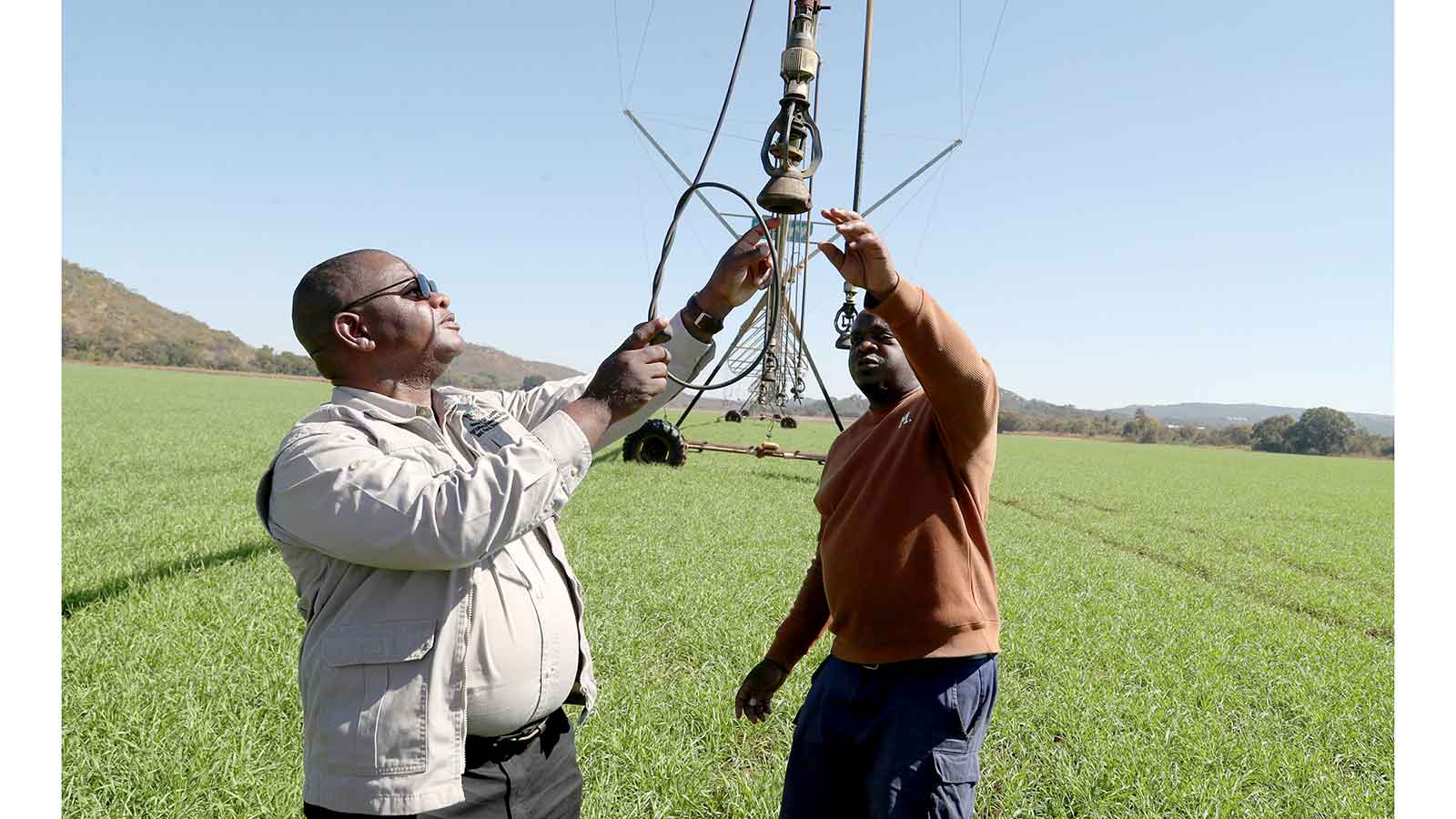 Permanent Secretary in the Ministry of Agriculture, Mechanisation and Water Resources Development Professor Obert Jiri said the country had moved into a new phase where priority was maximising output from every hectare planted. “The good news is that we have surpassed the target already, way past the 125 000ha,” he said.
Theseus Shambare
FARMERS planted the highest-ever hectarage of wheat at 126 394 hectares (ha) — 6 000ha more than the target — raising prospects the harvest might surpass this year’s projected haul of 662 500 tonnes.
The milestone is likely to reduce Zimbabwe’s wheat import bill, strengthen food security, preserve foreign currency and safeguard vulnerable communities against hunger ahead of a potentially difficult El Niño-plagued 2026/2027 summer cropping season.
The country produced a record 640 195 tonnes of the cash crop last year.
The continued increase in wheat production has provided a critical buffer for consumers, with Zimbabwe maintaining consistent bread supplies and avoiding major price shocks despite recent rising fuel costs, international supply disruptions and uncertainty caused by conflicts, including those in the Middle East and Eastern Europe.
The Government has now shifted its focus from expanding hectarage to improving yields through good agronomic practices. Achieving wheat self-sufficiency marks a major turnaround for a country that previously relied heavily on imported wheat to meet domestic demand.
Zimbabwe spent about US$131 million on wheat imports in 2023, while cumulative wheat imports between 2021 and 2024 reached US$446 million.
Although the country achieved a record domestic harvest of 640 195 tonnes last year, Zimbabwe still imported US$146,6 million worth of wheat during the first nine months of the year to meet demand for high-grade commercial hard wheat required for blending by millers.
However, the authorities say continued growth in local production will progressively reduce this dependence while strengthening resilience against global disruptions.
Maximising output
Permanent Secretary in the Ministry of Agriculture, Mechanisation and Water Resources Development Professor Obert Jiri said the country had moved into a new phase where priority was maximising output from every hectare planted.
“The good news is that we have surpassed the target already, way past the 125 000ha,” he said.
“At least 126 394ha have been put under winter wheat production, thanks to the President for ensuring we accelerate irrigation development, bearing in mind the climatic shocks.
“Now we are focusing on agronomic interventions to ensure we get the best yield — hardening, fertilising regimes, weed and pest control, irrigation application.”
Prof Jiri said wheat has become central to national resilience.
“Food security is not only about producing more food but ensuring that our systems can withstand shocks and continue supplying people, especially vulnerable communities,” he said.
Increased local production also helps reduce exposure to volatility in international markets.
“Every tonne produced locally strengthens our food systems and reduces pressure on foreign currency resources,” Prof Jiri said.
Zimbabwe’s wheat sector has recorded successive milestones since 2022, when farmers broke a 56-year-old production record, harvesting more than 375 000 tonnes from about 78 063ha and achieving national self-sufficiency for the first time.
Production increased to 467 905 tonnes in 2023, before rising to 518 502 tonnes in 2024 and reaching the record 640 195 tonnes last year.
The country is now targeting 662 500 tonnes against annual wheat consumption estimated at under 400 000 tonnes, creating the possibility of building strategic reserves.
Agricultural and Rural Development Advisory Services (ARDAS) chief director Mrs Medlinah Magwenzi said the expansion of wheat production reflects a broader shift in Zimbabwe’s food security strategy, with the crop now playing a central role in cushioning the country against supply disruptions.
Surpassing the 2026 planting target demonstrates growing confidence among farmers and the effectiveness of coordinated support systems, including input provision, technical guidance and improved planning, she added.
“Wheat has moved beyond being a seasonal crop for flour and bakery products. It has become an important component of our national food security architecture,” said Mrs Magwenzi.
She added that strengthening domestic wheat production is critical in ensuring consistent availability of basic food commodities, particularly during periods of climate uncertainty and global market instability.
The continued growth of wheat production comes as countries navigate rising production costs, climate pressures, energy market volatility and disruptions linked to geopolitical tensions, reinforcing the importance of strong domestic food systems.
Analysts say local production capacity has become increasingly important as countries seek to reduce vulnerability to external shocks.
Beyond wheat, the Government is also promoting traditional grains such as sorghum and millets, which are better suited to dry regions and provide additional protection against climate variability.
The Grain Marketing Board has introduced a grain swap programme allowing households and farmers to exchange traditional grains for maize, or maize for traditional grains, supporting dietary diversification and strengthening national grain security.
As wheat fields expand and production records continue to be broken, the crop has become more than a commodity.
It is now part of Zimbabwe’s broader strategy to protect consumers, reduce import dependence and ensure that no vulnerable household is left exposed during future food shocks.
The post Farmers plant highest-ever wheat hectarage, as record target is within reach appeared first on Zimbabwe Situation.