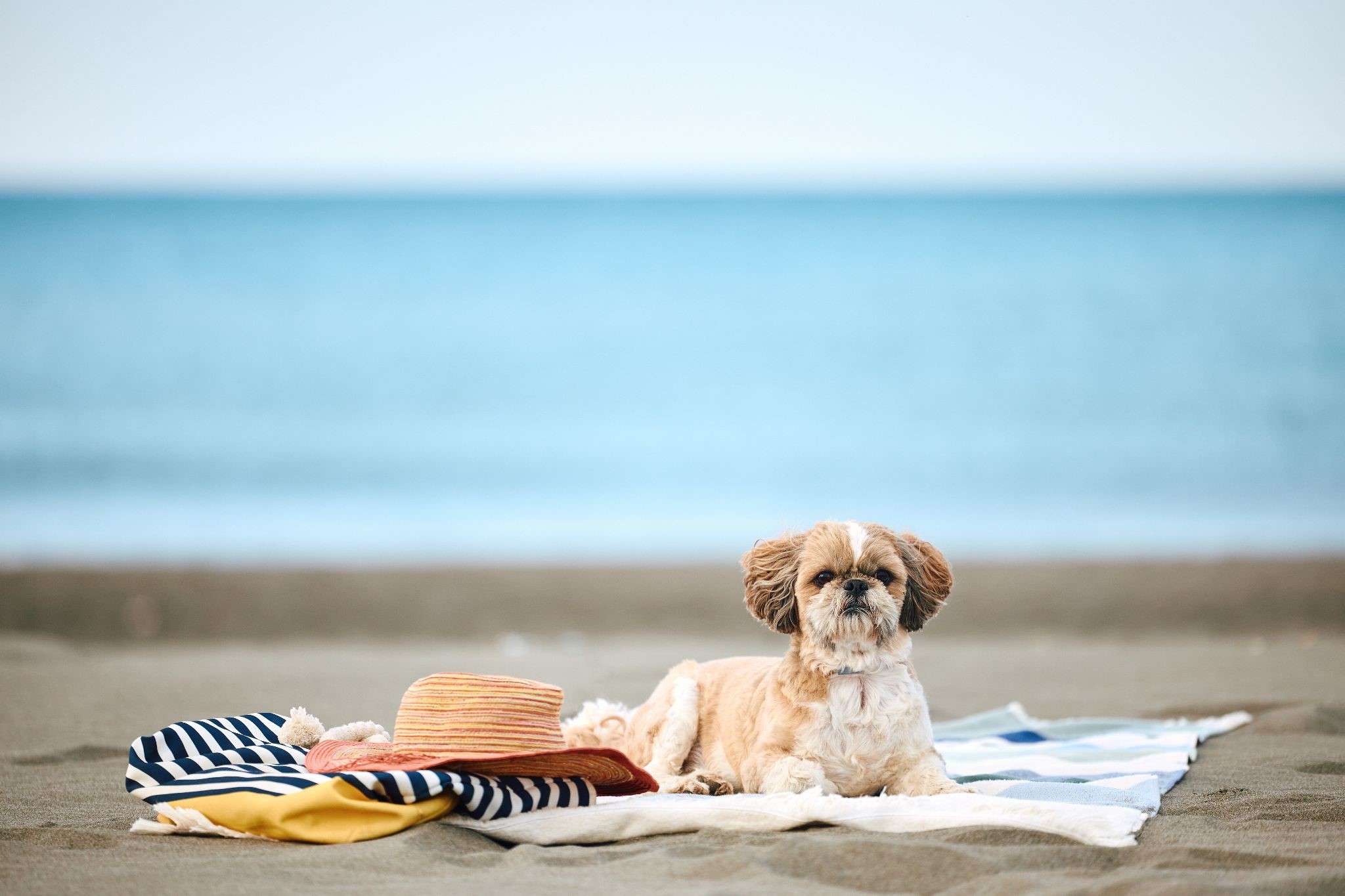
Hotter, drier summers: how pet owners can adapt their dog’s daily routine
Hot summer weather affects far more than human comfort. Dogs also have to cope with rising temperatures, hot surfaces and changes to their normal exercise patterns. When particularly hot and dry conditions persist, owners may need to rethink when their dogs walk, where they rest and how closely they monitor hydration.
Nutrition remains part of that everyday routine throughout summer. Dogs accustomed to a particular complete diet will generally benefit from consistency rather than unnecessary sudden changes, and ranges such as Royal Canin illustrate how dog food can be formulated around different sizes, ages and nutritional requirements. Individual needs vary, however, so significant dietary changes are best discussed with a veterinarian.
Hot weather can transform the daily walk
Dogs need regular physical activity and mental stimulation, but the middle of a hot summer day is rarely the most comfortable time for strenuous exercise.
Moving walks to the cooler early morning or evening can reduce exposure to peak temperatures. Owners should still assess conditions rather than relying exclusively on the clock, as warm surfaces can retain heat even after air temperatures begin falling.
Pavements and roads deserve particular attention. A dog cannot simply put on shoes when the ground becomes uncomfortable. Choosing shaded routes or natural surfaces where appropriate can help protect paws while allowing dogs to enjoy their normal outdoor routine.
Exercise intensity may need adjustment too. A long, energetic walk that is comfortable in mild weather can become far more demanding in high temperatures.
A hotter, drier summer makes preparation important
Weather patterns provide useful context for pet-care decisions. Reporting on Zimbabwe’s expected hotter, drier 2026/27 summer highlights the possibility of conditions that could affect daily routines across the region.
For pet owners, forecasts are useful prompts for preparation rather than reasons for panic. Dogs should always have access to clean drinking water, and owners can check water bowls more frequently during particularly warm periods.
Outdoor dogs need reliable access to shade throughout the day, taking into account that the position of shade changes as the sun moves. Indoor spaces also require consideration, especially rooms that receive strong direct sunlight and become significantly warmer during the afternoon.
Dogs regulate heat differently from humans
Humans can cool themselves efficiently by sweating across much of the body. Dogs rely heavily on panting to regulate their temperature, although they also sweat through their paw pads.
That difference means owners should watch for signs that a dog is struggling in the heat. Excessive panting, unusual drooling, weakness, confusion, vomiting or collapse can indicate a potentially serious problem requiring urgent attention.
Certain dogs may be more vulnerable than others. Puppies, senior dogs, overweight animals and dogs with some medical conditions can have greater difficulty coping with heat. Flat-faced breeds also require particular caution because their anatomy can make effective cooling more difficult.
No dog should be left unattended in a parked vehicle during warm conditions. Interior temperatures can rise dangerously quickly, even when the weather outside does not initially seem extreme.
Hydration and feeding routines deserve attention
Fresh water should be readily accessible at home and during longer outings. Owners travelling with their dogs can carry water and a suitable container rather than assuming a safe water source will always be available.
Some owners may notice changes in appetite when routines or temperatures change. Rather than immediately making major adjustments, it is useful to observe the dog’s overall behaviour, body condition and activity.
Persistent appetite loss, particularly when accompanied by lethargy, vomiting, diarrhoea or other unusual symptoms, should not simply be attributed to summer weather. Veterinary advice can help distinguish an ordinary behavioural change from a potential health concern.
Grooming can support summer comfort
Regular grooming helps remove loose hair and keeps a dog’s coat in good condition. However, shaving a dog extremely short is not automatically the best way to keep it cool.
Coats differ considerably between breeds and can play a role in protecting the skin. Owners uncertain about appropriate summer grooming can seek advice suited to their dog’s particular coat type.
Summer also provides a good reason to inspect the skin and paws regularly, especially after outdoor activities.
The post Dog care during hotter, drier summers appeared first on Zimbabwe Situation.