Breaking: Zimbabwe records second COVID-19 death

Source: Breaking: Zimbabwe records second COVID-19 death | Newsday (National) … Patient died on Saturday, it takes government 3 days to confirm cause of death Zimbabwe has recorded its second COVID-19 death, with a 79-year-old Bulawayo man succumbing to the disease on Saturday, in yet another illustration of the country’s preparedness in dealing with the […]

The post Breaking: Zimbabwe records second COVID-19 death appeared first on Zimbabwe Situation.

Source: Breaking: Zimbabwe records second COVID-19 death | Newsday (National)

… Patient died on Saturday, it takes government 3 days to confirm cause of death

Zimbabwe has recorded its second COVID-19 death, with a 79-year-old Bulawayo man succumbing to the disease on Saturday, in yet another illustration of the country’s preparedness in dealing with the virus.

The Bulawayo man’s results were only confirmed Tuesday, three days after his death.

The unidentified man, who becomes the 11th case, presented to his general practitioner on March 23 with a cough, fever and sore throat.

He had not travelled outside the country but had been to a tourist resort in Hwange between March 14 and 16.

According to the latest Health ministry updates the man was prescribed some antibiotics but his condition did not improve.

“He presented to a local hospital on Thursday where he was admitted as he was having difficulty in breathing,” a statement from the ministry said.

He was initially managed as a case of bacterial pneumonia but when he continued to deteriorate, a local COVID-19 response team was summoned and they took samples.

The patient died on Saturday while still waiting for results, which only became available on Tuesday.

The ministry said contact tracing was in progress.

On Sunday, our sister publication, The Standard, reported how a Ruwa man’s testing had been bungled and how clumsily his quarantine was being handled.

So far the country has confirmed 11 COVID-19 cases.

Zororo Makamba’s death on March 23 was the first confirmed COVID-19 death in the country.

President Emmerson Mnangagwa announced a 21-day lockdown ending on April 29, but included a long list of “essential workers” who were allowed to continue working and this could inadvertently work against efforts to contain the coronavirus which has so far killed more than 80 000 people worldwide.

On Tuesday, Mbare Musika was reopened, with sceptics warning that this could hasten the spread of the disease.

There is still no queue for the virus, while a vaccine could be more than a year away.


The post Breaking: Zimbabwe records second COVID-19 death appeared first on NewsDay Zimbabwe.

The post Breaking: Zimbabwe records second COVID-19 death appeared first on Zimbabwe Situation.
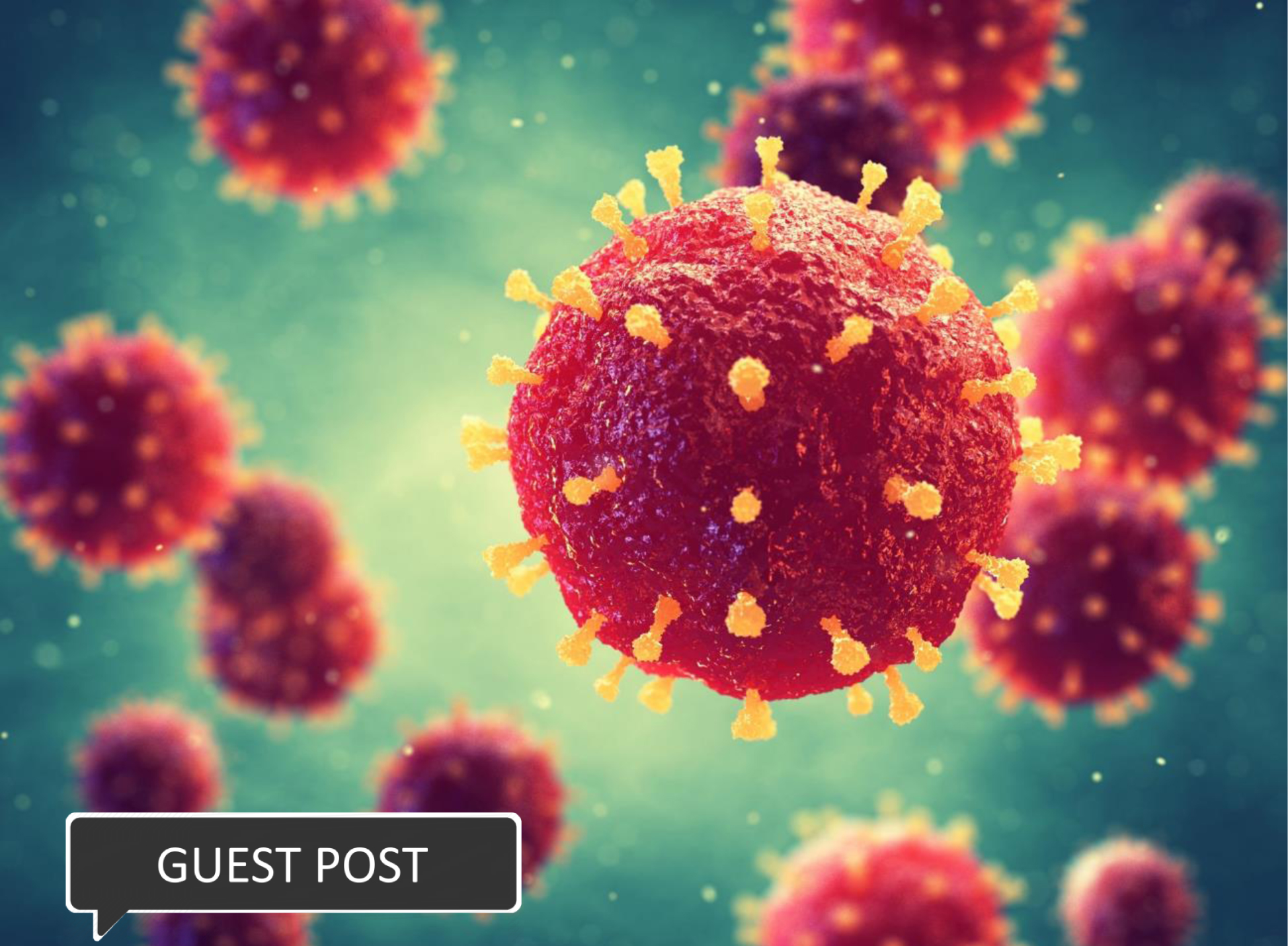
Coronavirus Outbreak: Everything You Need to Know

The first novel strain of coronavirus (COVID-19) was detected in Wuhan City, in China’s Hubei Province in December 2019, after a strange wave of pneumonia. The virus has spread fast since, and has now spread to more than 200 countries across the globe. On March 11, 2020, the World Health Organization declared it a global […]

The post Coronavirus Outbreak: Everything You Need to Know appeared first on Zimbabwe Situation.

The first novel strain of coronavirus (COVID-19) was detected in Wuhan City, in China’s Hubei Province in December 2019, after a strange wave of pneumonia. The virus has spread fast since, and has now spread to more than 200 countries across the globe. On March 11, 2020, the World Health Organization declared it a global pandemic.

Currently, there are over 1,200,000 confirmed cases of COVID-19 infections, and over 65,000 reported deaths globally. Interestingly, on March 16, 2020, the number of infections and deaths within China were overtaken by those outside of the country.

As the world struggles to shrug off the new virus, we give a brief overview of what coronavirus is and what to be on the lookout for.

What is coronavirus?

Coronavirus, or SARS-CoV-2 is categorized as a single-stranded RNA virus clinically known as coronaviridae, which is common in mammals, reptiles, and birds. In the case of human, it is characterized by mild infections similar to common cold, and accounts for close to 30 percent of upper respiratory tract infection cases in adults. Severe infections are not common, although coronaviruses can lead to enteric and neurological disease. The virus’ incubation period varies from person to person, but it is in most cases up to 14 days.

How Contagious is COVID-19?

The rapidly increasing number of confirmed cases, including healthcare personnel is an indication that inter-personal (person-to-person) spread of SARS-CoV-2 is taking place. The average number of people a single diagnosed case can infect others is estimated to be between 1.4 to 2.5.

The spread of COVID-19 is similar to other respiratory tract infections like SARS and MERS, which are transmitted through respiratory droplets from an infected person through coughing and sneezing. The measures of curbing the spread are currently anchored on the assumption that the new virus is spread in the same manner.

How COVID-19 is diagnosed

Coronavirus affects the respiratory tract, where its common symptoms include mild to severe fever, dry cough. Other patients exhibit symptoms like sore throat, headaches, nasal congestion, myalgia, malaise, as well as difficult in breathing.

In more severe but rare cases, the virus is known to cause acute respiratory syndrome, pneumonia, kidney failure, and even death.

How to reduce the risk of coronavirus infection

The World Health Organization (WHO) has outlined the following measures that can be taken to reduce the risk of spreading the pandemic.

  • Wash hands regularly with running water and soap, or an alcohol-based rub.
  • Always cover your mouth and nose with disposable tissue or flexed elbow when coughing or sneezing.
  • Avoid coming into close contact with others when you’re have fever-like or cough symptoms.
  • Cook animal products including meat and eggs thoroughly.
  • Keep safe distance of at least 1 and a half meters, and avoid congested places.
  • Avoid close contact with wild or farm animals.

Important information to the general public

There has been a lot of misinformation on different media channels, including unverified COVID-19 treatment and cure suggestions. As it stands, the is no known cure for the virus, but intergovernmental organizations are working round the clock to find a solution. Patients exhibiting suspicious cases of coronavirus are advised to seek immediate advice from healthcare personnel.

The post Coronavirus Outbreak: Everything You Need to Know appeared first on Zimbabwe Situation.

What will happen at the end of the Covid-19 lockdown in South Africa: President Ramaphosa speaks out

PRESIDENT Cyril Ramaphosa has announced that the government will in the next few days assess the effectiveness of the lockdown to stop the spread of the virus to decide if it should be extended. Speaking to journalists after touring central water comma…

PRESIDENT Cyril Ramaphosa has announced that the government will in the next few days assess the effectiveness of the lockdown to stop the spread of the virus to decide if it should be extended. Speaking to journalists after touring central water commands centre in Joburg, Ramaphosa said the lockdown has played a major role in […]