Heavy vehicles threaten Vumba road

Source: Heavy vehicles threaten Vumba road | Daily News Hospitality concern Ventures Africa Limited-owned Leopard Rock Hotel officials are furious over government’s failure to close down Vumba tRoad o heavy vehicles which is sagging and collapsing under their heavy weight. Leopard Rock Hotel proprietor Samir Shasha told the Daily News in an exclusive interview that they […]

The post Heavy vehicles threaten Vumba road appeared first on Zimbabwe Situation.

Source: Heavy vehicles threaten Vumba road | Daily News

Hospitality concern Ventures Africa Limited-owned Leopard Rock Hotel officials are furious over government’s failure to close down Vumba tRoad o heavy vehicles which is sagging and collapsing under their heavy weight.

Leopard Rock Hotel proprietor Samir Shasha told the Daily News in an exclusive interview that they are failing to get the road inspected more than 10 days after Cyclone Idai which triggered landslides that killed hundreds of people and destroyed millions of dollars worth of road infrastructure and properties in Manicaland.

Some sections of the road to the resort mountain have visible cracks and are collapsing which is now being further threatened by logging trucks that have resumed work on the delicate road. Complete collapse would be a huge blow to the tourism industry and would increase the cost of repairs.

Shasha says his plea to get ministry of Transport engineers on the ground to inspect and make recommendations have so far fallen on deaf ears. “We are funding a drive to provide information and assistance and prevent further damage to the road. Yet we are not getting any response 10 days after the cyclone from any of the Vumba officials responsible for the safety of their constituents,” Shasha said.

The road has already collapsed in some sections of the Vumba area and quick action can save it from being completely inaccessible.
For years, Vumba roads have been largely neglected as they would go for years without getting any attention. The area that has previously been worst affected has been the eight-kilometre stretch from Mutare to the Vumba which for long periods over the past five years has been scarred by giant pot holes.

Numerous requests for repairs were made to Zinara and the Department of Roads to rehabilitate the road, but all to no avail.
It only got some attention when former president Robert Mugabe had scheduled a visit to Manicaland State University that is along the road.

Vumba is a tourist magnet not only because of its beautiful weather but natural wonders that include the mountains, affectionately known as The Mountains of Mist and the Bunga Forest. It has spectacular mountain woodlands, magnificent footpaths, natural streams, majestic views and varied bird life — one of the biggest concentrations in Africa as well as Leopard Rock Hotels’ Castle and legendary Chinyakwaremba Hill among others.

It is this treasure trove of attractions that are under threat of being inaccessible due to poor timing of timber logging activities.

The post Heavy vehicles threaten Vumba road appeared first on Zimbabwe Situation.

Mobilise for more medical supplies

Source: Mobilise for more medical supplies | Daily News While Zimbabweans and the world have collected donations towards victims of Cyclone Idai in Manicaland and Masvingo with several truck-loads of food and clothes, what has been in short supply are medicines. We hope government will from now on focus on mobilising more medicines from local and […]

The post Mobilise for more medical supplies appeared first on Zimbabwe Situation.
Source: Mobilise for more medical supplies | Daily News

While Zimbabweans and the world have collected donations towards victims of Cyclone Idai in Manicaland and Masvingo with several truck-loads of food and clothes, what has been in short supply are medicines.

We hope government will from now on focus on mobilising more medicines from local and world health organisations.
Organisations that can come in handy are Doctors Without Borders/Médecins Sans Frontières (MSF) which currently provides treatment for HIV, tuberculosis (TB), non-communicable diseases (NCDs) and mental health, in partnership with the Health ministry.

Government must set up mobile clinics near affected areas to attend to the thousands who were injured because some of the injuries are life-threatening. As of now, we have the injured nursing their wounds without any medication or bandages, hence worsening the chances of infection.

Some of the affected people might have been on medication for different sicknesses and lost all their medication during the devastating cyclone. As we speak, they may not even have their hospital medical records as these were also swept away.

It is important that government, through humanitarian organisations, urgently sets up the mobile clinics to help those with chronic diseases among them TB and HIV/Aids. Other common chronic diseases include arthritis, asthma, hypertension, cancer, chronic obstructive pulmonary disease, diabetes and some viral diseases such as hepatitis C and acquired immunodeficiency syndrome.

Already, most have not been able to take their daily medication and there is little hope that they will get any supplies soon.
Government also needs to mobilise doctors and nurses who can help run these mobile clinics so that the injured thousands receive the right treatments.

Zimbabwe has thousands of nurses and doctors who are out of employment; these can be temporarily employed so as to ease pressure on health staff already on the ground.
In engaging these unemployed doctors and nurses, government would have shown that is also sensitive to their plight.

There is need to source medicines that can fight water-borne diseases as water is everywhere, hence creating a fertile breeding ground. Children are also at risk in such harsh weather conditions and they need special treatment to prevent attacks.

Hundreds of people are still missing from the deadly natural cyclone and it is important that government works flat out to try and establish their whereabouts as well as identities. Retrieving their bodies and positively identifying them — if they are deceased — will help greatly affected families find closure.

The post Mobilise for more medical supplies appeared first on Zimbabwe Situation.

How Egna Nyamadzawo died at National Sports Stadium: Her friend Patience Muza reveals more details

THE woman who died during a stampede at the National Sports Stadium on Sunday has been identified as Egna Nyamadzawo. She was buried yesterday in Domboshava. Egna’s best friend, Patience Muza, popularly known as Miss Pee on Star FM’s Tilder Live show, …

THE woman who died during a stampede at the National Sports Stadium on Sunday has been identified as Egna Nyamadzawo. She was buried yesterday in Domboshava. Egna’s best friend, Patience Muza, popularly known as Miss Pee on Star FM’s Tilder Live show, was with her when she was trampled to death and almost lost her […]

Zimbabwe should have long invested in sniffer dogs

With close to 400 people still missing since Cyclone Idai hit the eastern parts of the country over a week ago, it is sad to note that Zimbabwe had to ask for special sniffer dogs from […]

With close to 400 people still missing since Cyclone Idai hit the eastern parts of the country over a week ago, it is sad to note that Zimbabwe had to ask for special sniffer dogs from [...]

Interbank market fails to rescue Olivine 

Source: Interbank market fails to rescue Olivine – NewsDay Zimbabwe March 28, 2019 BY TATIRA ZWINOIRA OLIVINE Industries says it is still struggling to access foreign currency despite the advent of the interbank market, saying the platform was “negligible” in sourcing the elusive money, NewsDay has learnt. The once top manufacturer of cooking oil, soap […]

The post Interbank market fails to rescue Olivine  appeared first on Zimbabwe Situation.

Source: Interbank market fails to rescue Olivine – NewsDay Zimbabwe March 28, 2019

BY TATIRA ZWINOIRA

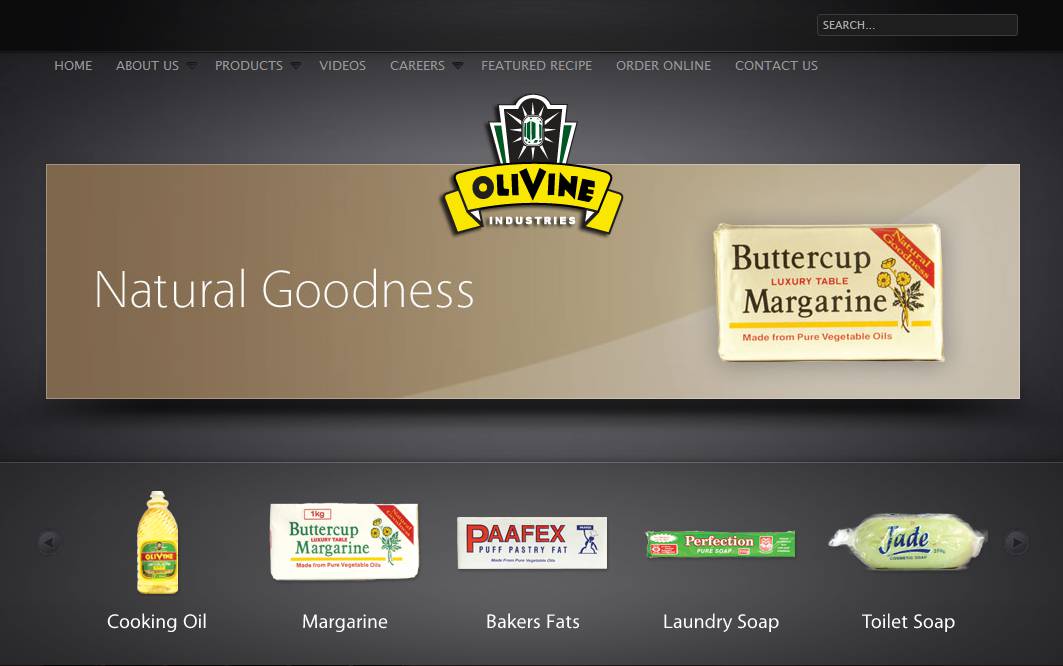
OLIVINE Industries says it is still struggling to access foreign currency despite the advent of the interbank market, saying the platform was “negligible” in sourcing the elusive money, NewsDay has learnt.

The once top manufacturer of cooking oil, soap and margarine shut down operations in the second week of January this year citing a crippling US$11 million debt from foreign currency challenges.

“Olivine is finding it difficult to access foreign currency as the trade on the interbank market is negligible. Olivine manufactures basic household products like margarine, cooking oil, baked beans and laundry soap and toilet soap. These products are sold on the local market in local currency, but all these products have an import component,” Olivine Industries acting chief executive officer Sylvester Mangani said.

“The current unavailability of our products in the market is a reflection of unavailability of foreign currency as we have sufficient capacity for the local market. Currency has been an issue for the last eight months since August last year.”

However, he said they managed to access one letter of credit to finance some of their raw material requirements and one odd allocation to fund machinery imports.

“But we are now having issues in paying them (foreign suppliers) back as the banks cannot avail the required foreign currency. Our major capex projects are now on hold for the last 12 months, meaning we will not be in a position to export our products until the projects are completed and new equipment is in place,” Mangani added.

The woes being faced by Olivine Industries comes despite the government, under the Ministry of Finance, holding a 35% stake in the company which even it is contemplating selling.

Olivine Industries, established in 1950, was once a manufacturer of household brands that dominated the market with arguably its cooking oil being the biggest.

However, like many companies in Zimbabwe, growing foreign currency shortages led to Olivine Industries relying on letters of credit to import raw materials to a point where the foreign suppliers have started demanding upfront payments.

To address the foreign currency shortages, last month, the Reserve Bank of Zimbabwe officially adopted the local currency and created an official forex market where the former could be used by companies to buy foreign currency.

However, this has had no sellers as the parallel market rates remain more attractive. Two weeks ago, the Confederation of Zimbabwe Industries described the interbank performance as “not performing to the expected levels”.

“We have been lobbying for currency and this sector (oil sector) for its survival. I mean it is not just Olivine. We (oil producers) are all under 25% capacity. Our source plant as United Refineries has been shut for two or three months. We are doing all that we can, we have done all we can,” Oil Expressers’ Association of Zimbabwe chairperson and United Refineries Limited chief executive officer Busisa Moyo said.

“It is not a question of are we doing anything, it is more like what haven’t we done? We have lobbied, knocked on doors, tried to resuscitate the sector, and are trying to improve farming which are all the things we are doing as Oil Expressors.”

He said they were working on helping farmers increase the national output of soyabeans to 450 000 tonnes from last year’s 60 000 tonnes to reduce the dependence on foreign currency to import.

The post Interbank market fails to rescue Olivine  appeared first on Zimbabwe Situation.