Prevention better than cure

Source: Prevention better than cure | Daily News ZIMBABWE like many other developing countries is facing increased prevalence rates of non-communicable diseases in addition to existing high rate of communicable diseases. This challenge has been referred to as the double burden of disease that poses significant obstacles to resource- constrained countries. Non communicable diseases cluster […]

The post Prevention better than cure appeared first on Zimbabwe Situation.

Source: Prevention better than cure | Daily News

ZIMBABWE like many other developing countries is facing increased prevalence rates of non-communicable diseases in addition to existing high rate of communicable diseases.

This challenge has been referred to as the double burden of disease that poses significant obstacles to resource- constrained countries.

Non communicable diseases cluster includes conditions such as cardiovascular diseases, chronic obstructive lung disease, diabetes, mental health disorders, injuries, disabilities, blindness and “cancers.”

A diagnosis of cancer is devastating for anyone, but in many high income countries, people receiving such news can be reassured that they will receive treatment and be hopefully cured. Good for them!

But what about the millions who live in developing countries where access to specialised treatment and medical care are limited and the health infrastructure is weak.

According to the International Atomic Energy Agency (IAEA) for every 500 000 to 10 000000 of the population there should be about one to two linear accelerators (radiotherapy treatment machines used to treat cancer patients) servicing the whole population.

That means in Zimbabwe we need 14 to 28 linear accelerators and at the moment the country has six which may not all be functional at any given time.

It only makes sense that in order to reduce the burden of cancer in a resource-constrained country like Zimbabwe there is need to strengthen preventive efforts through cancer awareness, awareness and awareness!

The practice of medicine in Zimbabwe is overwhelmingly reactive rather than proactive.
People get cancer, seek medical help and how expensive that model is!

Medical professionals are taught to treat diseases and not to prevent diseases.
At the Health Professions Authority Annual Congress held on November 23 last year, the minister of Health and Child Care said that as health professionals we need to think out of the box and stay away from the box if we are to make a difference in our society!

I am confident that I am fully trained to deliver radiation therapy treatment to cancer patients which is an important component of cancer control programmes in my country but I like thinking out of the box.

I believe in the old maxim prevention is better than cure, whilst most clinicians would rather wait for people to come to the hospital for treatment as patients, as a cancer professional who is dealing with patients who are presenting late to get my services it makes more sense for me to go outside the hospital walls and meet people before they become our patients.

It’s better to prevent cancer rather than to treat it, in cases where prevention is not possible awareness raising results in early detection and treatment.

We must ask ourselves these questions
lIs it better to treat lung cancer or to reduce the number of cigarettes you smoke or not smoke at all?

lIs it reasonable to buy fruits and vegetables as part of your daily diet rather than buy chemotherapy medication for colon cancer?
lDoes it make sense to vaccinate young girls against HPV rather than treat cervical cancer later in life?

According to the world health organisation 30 to 40 percent of cancers can be prevented. I have simple tips on how to reduce our chances of getting cancer;

Stopping smoking

Reducing alcohol intake

Avoiding overexposure to the sun

Limiting dairy foods, sugar and salt intake

Eating a high fibre diet rich in fruits and vegetables

Avoid additives such as nitrites, preservatives and colorant’s in food

Prevent irritants at work such as dust, tar, wood, agricultural chemicals

Having medical checks regularly, this leads to early detection

Getting vaccinated against certain viruses e.g HPV

Practising safer sex

People cannot do this alone, the government needs to put in place health promotion polices which support cancer prevention, if they are already there implementation is therefore very crucial.

Madzudzo is executive director of Talk Zim Cancer.Prevention better than cure

The post Prevention better than cure appeared first on Zimbabwe Situation.

Fuel shortages loom after Cyclone Idai

Source: Fuel shortages loom after Cyclone Idai | Newsday (News) BY STAFF REPORTER ONE of the country’s major fuel suppliers, Total Zimbabwe, has warned of a possible shortage of petrol and diesel due to the effects of Cyclone Idai, which destroyed a lot of infrastructure in the Mozambican port City of Beira. In a letter […]

The post Fuel shortages loom after Cyclone Idai appeared first on Zimbabwe Situation.
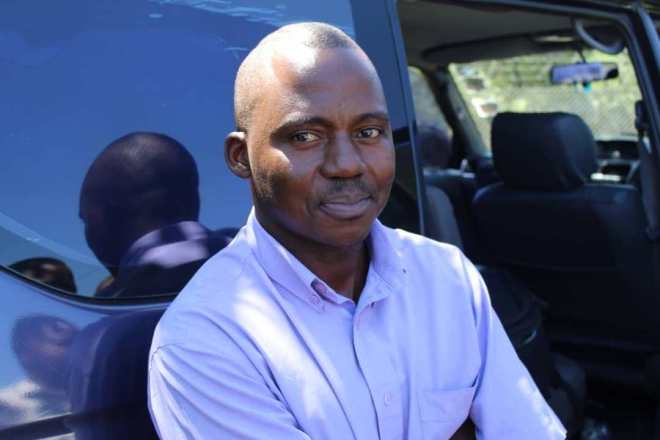
Source: Fuel shortages loom after Cyclone Idai | Newsday (News)

BY STAFF REPORTER

ONE of the country’s major fuel suppliers, Total Zimbabwe, has warned of a possible shortage of petrol and diesel due to the effects of Cyclone Idai, which destroyed a lot of infrastructure in the Mozambican port City of Beira.

In a letter to clients, Total Zimbabwe said the fuel chain logistics in Zimbabwe had been adversely affected by the cyclone.

Although repeated efforts to verify the authenticity of the letter proved futile, the letter, signed by one Chris Kasima, GT, mines and specialties manager, said the company received information that the jetty in Beira has been damaged and cannot receive vessels to discharge, while the pumping
house roof was blown away affecting the electoral board.

“Conditions of the pipeline from Beira to Zimbabwe is yet to be established and we still await NOIC (National Oil Company ) update on the same,” Kasima wrote.

“Given the above, the stocks in Masasa may not be replenished in due time as required and this is likely to put pressure on the supply chain.”

He said the company was seized with finding a quick supply option and will keep clients posed.

The post Fuel shortages loom after Cyclone Idai appeared first on NewsDay Zimbabwe.

The post Fuel shortages loom after Cyclone Idai appeared first on Zimbabwe Situation.

CSOs meet Mnangagwa over Gukurahundi

Source: CSOs meet Mnangagwa over Gukurahundi | Newsday (News) By NQOBANI NDLOVU ACTIVIST and journalist Zenzele Ndebele was yesterday arrested at State House in Bulawayo where he was demanding that President Emmerson Mnangagwa, who was meeting civic society organisations (CSOs) from the region, should address the 1980 Gukurahundi massacres. Ndebele was nabbed at a search […]

The post CSOs meet Mnangagwa over Gukurahundi appeared first on Zimbabwe Situation.
Source: CSOs meet Mnangagwa over Gukurahundi | Newsday (News)

By NQOBANI NDLOVU

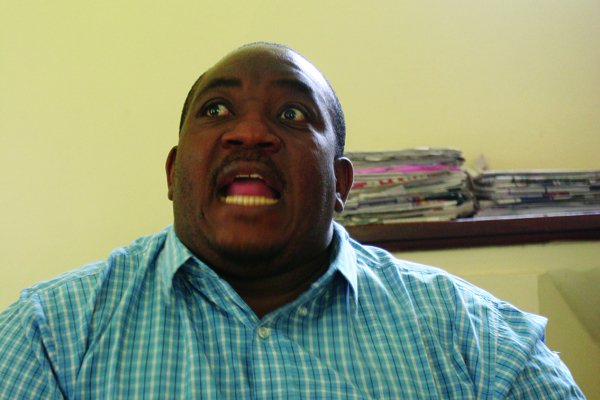
ACTIVIST and journalist Zenzele Ndebele was yesterday arrested at State House in Bulawayo where he was demanding that President Emmerson Mnangagwa, who was meeting civic society organisations (CSOs) from the region, should address the 1980 Gukurahundi massacres.

Ndebele was nabbed at a search point at the State House entrance allegedly with used teargas canisters.

He was whisked away for interrogations amid reports that State security also besieged his Centre for Innovation and Technology (CITE) offices, where he is a director, as part of their investigations.

Mnangagwa was meeting the CSOs under the banner Matabeleland Collective (MC) at State House where the issue of Gukurahundi massacres, compensatory and
infrastructure development, national healing and devolution, among other ills facing the region, topped the meeting.

It is a first such engagement between Mnangagwa and MC — a consortium made up of about 66 CSOs and church-based organisations drawn from the region — to meet and openly discuss the Gukurahundi issue.

The MC convener and activist Jenny Williams said CSOs in the region realised that “we could not continue to cry tears of destitution and despondency” and decided to engage Mnangagwa directly over the burning issue “for the betterment of our region”.

“As people of this region, we share and continue to feel the pain of feeling excluded due to spoken language, tribe, class or geographical location or colour.

“We continue to remember loved ones buried and unaccounted for. Despite the pain still felt and shared by people of this region, we realistically told each other that it is time to engage the government of Zimbabwe,” Williams said in her opening remarks.

“As MC, we believe that we should speak with one voice, we need healing, what we think about Gukurahundi, who did it, when and for what reason. We want to talk freely about Gukurahundi.”

The meeting was later closed to journalists, but sources who attended the gathering said the issue of Gukurahundi and devolution featured prominently in the discussions.

“We had an open discussion around the issue of Gukurahundi. We raised concern that the issue of Gukurahundi has been criminalised as seen by arrests of some activists,” Dumisani Nkomo, the co-ordinator of the faith-based Habbakuk Trust and one of the conveners of the MC, said in an interview.

“The President said the issue of Gukurahundi should be openly discussed be it on radio, television or anywhere. He said the issue of compensatory development should also be looked into.”

Mnangagwa, in his closing address after the session was opened to journalists, admitted government’s reluctance to address the Gukurahundi massacres, pledging to ensure that MC concerns were attended to through follow-up engagement meetings.

“I came with an open mind to listen and I am satisfied that I made a correct decision. Non-interaction creates fear and suspicion where there ought to be no fear and suspicions. We had our heads in the sand, but now our heads are out now,” he said.

“I believe that as government and as my minister (Public Service, Labour and Social Welfare minister Sekai Nzenza) has said, she is going to create a platform, where there is continuous dialogue.”

Meanwhile, it was not yet clear which charge Ndebele will face following his arrest.

The post CSOs meet Mnangagwa over Gukurahundi appeared first on NewsDay Zimbabwe.

The post CSOs meet Mnangagwa over Gukurahundi appeared first on Zimbabwe Situation.

Cyclone death toll skyrockets

Source: Cyclone death toll skyrockets | Newsday (News) Soldiers offload the body of a Cyclone Idai victim from a helicopter at Skyline in Chimanimani yesterday BY Xolisani Ncube THE death toll from the Eastern Highlands floods has skyrocketed after a whole village, police station and government complex at Rusitu in Chimanimani were swept away as […]

The post Cyclone death toll skyrockets appeared first on Zimbabwe Situation.

Source: Cyclone death toll skyrockets | Newsday (News)

Soldiers offload the body of a Cyclone Idai victim from a helicopter at Skyline in Chimanimani yesterday

BY Xolisani Ncube

THE death toll from the Eastern Highlands floods has skyrocketed after a whole village, police station and government complex at Rusitu in Chimanimani were swept away as hundreds of people remain unaccounted for, President Emmerson Mnangagwa said yesterday.

Rescue workers continue searching for survivors one week after Cyclone Idai ripped through the southern Africa countries of Malawi, Mozambique and Zimbabwe, leaving many dead and property destroyed.

Addressing a Press briefing at State House last night, Mnangagwa declared two days of national mourning starting tomorrow in respect of those who perished in the disaster.

“As we now know, we have lost many citizens, with the human toll set to reach several hundreds,” he said.

While visiting the worst affected areas in Chimanimani and Chipinge on Wednesday, Mnangagwa was greeted by horrific accounts of “many who continue to grieve the loss of loved ones, and are living in the hope of recovering their remains”.

“In Rusitu, I saw with unmitigated disrepair big boulders recklessly strewn on what used to be a resettlement, a banana market and even a police post.
In respect of the latter, both the serving officer and prisoner were washed away alongside other government structure and private residences. The resettlement was completely washed away and the remains of the occupants unaccounted for to this day,” he said.

Mnangagwa said from tomorrow, citizens will take time to remember the victims of the cyclone.

“We expect all citizens, both individually and collectively, and in different ways which are informed by their faiths, beliefs and cultures to remember our entire dear departed by way of prayers and in whatever other forms and practices,” he stated.

Chimanimani district and some parts of Chipinge, near the border with Mozambique, bore the brunt of Cyclone Idai and have been cut off from the rest of the country, with rescue teams still battling to reach some marooned people.

Mnangagwa said while the search for the missing people continues, his administration would focus on recovering and decently burying any bodies or remains still outstanding.

He said government would ensure adequate food relief to affected families and communities between now and the next harvest and provide free medical services to those affected by the cyclone.

Government will also provide temporary shelter to victims of the cyclone and safe clean water.

The post Cyclone death toll skyrockets appeared first on NewsDay Zimbabwe.

The post Cyclone death toll skyrockets appeared first on Zimbabwe Situation.

Teachers reject $129 salary deal

Source: Teachers reject $129 salary deal | Newsday (News) BY OBEY MANAYITI TEACHERS unions yesterday angrily rejected the $400 million deal struck by government and the Apex Council, accusing their representative body of being compromised and working against the improvement of civil servants’ conditions of service. Progressive Teachers’ Union of Zimbabwe (PTUZ) secretary-general Raymond Majongwe […]

The post Teachers reject $129 salary deal appeared first on Zimbabwe Situation.

Source: Teachers reject $129 salary deal | Newsday (News)

BY OBEY MANAYITI

TEACHERS unions yesterday angrily rejected the $400 million deal struck by government and the Apex Council, accusing their representative body of being compromised and working against the improvement of civil servants’ conditions of service.

Progressive Teachers’ Union of Zimbabwe (PTUZ) secretary-general Raymond Majongwe said they were not accepting the offer and their fight for better salaries would continue.

“We can never be happy with that arrangement because in the first instance, when Cecilia Alexander (Apex chairperson) was presenting her arguments, they told us that they were demanding $1 700 and they end up with less than a 10th of that amount in their increment. So how then can we say I am happy?” he asked.

“A lot of things that they say they agreed on are not practical. They are not clarified and quantified and their timeframe and implementation remain a mirage.”

Majongwe said teachers were being victimised for engaging in industrial action and that the Apex Council was compromised and cannot represent civil servants well.

He said teachers want to go it alone and demand to negotiate on their own.

“The real reason we are in this situation is that the Apex Council is pulling cotton over our eyes, they are not representing anyone,” Majongwe said.

“As far as we are concerned, this is an insult to teachers. We are not going to accept this. The PTUZ is saying no. This is pure dog food and it doesn’t address the suffering of teachers. If you listen carefully, people at Apex are saying they are very happy, but how do you generate happiness when you are giving out a cushion pillow of stones. This is not a cushioning allowance.”

He said the duty-free car importation scheme would only breed corruption because the teachers have no capacity to buy vehicles with their current salaries.

Amalgamated Rural Teachers’ Union of Zimbabwe (ARTUZ) said it was disgusted by the “flawed deal” signed between government and the “illegitimate and highly-compromised Apex Council”.

“The deal offers a meagre US$26 salary increment to the current salary of US$120. In total, an average teacher will be earning US$146 in April 2019. This falls far short of US$1 150 needed to sustain a family of five monthly,” the organisation, in a statement, said.

“ARTUZ reiterates that government should simply honour our 2012 agreement and pay our current salaries in USD or equivalent.”

Zimbabwe Teachers’ Association (Zimta) president Richard Gundane said there still existed a gap between the increased salaries and the individual budgets for individual civil servants.

They have, however, accepted the government offer for the sake of moving forward.

“What is important is to monitor the gap between the new salaries and individual budget for a person. It is that gap that we should continue to pursue. We made this concession with the view that by June we will have an opportunity for it to be reviewed,” he said.

Alexander said it was unfair for PTUZ to undermine the Apex Council’s efforts despite that there was no contribution coming from the organisation.

She insisted that they had done their best under the present circumstances to bring something on the table for civil servants.

The council secretary David Dzatsunga hit back at the teachers’ unions, saying they went on a different path to embark on a strike that did not produce anything, hence it would be unfair for them to dismiss their efforts that brought the $400 million package.

“That is false and those allegations are unfounded and are not premised on any substantial and substantive reasons that I could then respond to,” Dzatsunga said.

“We just negotiated as much as we could under the circumstances and some unions went as far as meeting the President [Emmerson Mnangagwa] and they brought nothing. They went on strike and brought nothing. Therefore, they cannot turn around and accuse us of being compromised. That is unfounded.”

The post Teachers reject $129 salary deal appeared first on NewsDay Zimbabwe.

The post Teachers reject $129 salary deal appeared first on Zimbabwe Situation.