‘Zanu PF will remain in power until donkeys grow horns,’ Mnangagwa tells party leaders 

Source: ‘Zanu PF will remain in power until donkeys grow horns,’ Mnangagwa tells party leaders – NewZimbabwe.com PRESIDENT Emmerson Mnangagwa has declared that Zanu PF is “here to stay,” quoting late Vice President Simon Vengesayi Muzenda’s famous line: “Zanu PF ichatonga kusvikira madhongi amera nyanga” loosely translated Zanu PF will remain in power until donkeys […]

The post ‘Zanu PF will remain in power until donkeys grow horns,’ Mnangagwa tells party leaders  appeared first on Zimbabwe Situation.

Source: ‘Zanu PF will remain in power until donkeys grow horns,’ Mnangagwa tells party leaders – NewZimbabwe.com

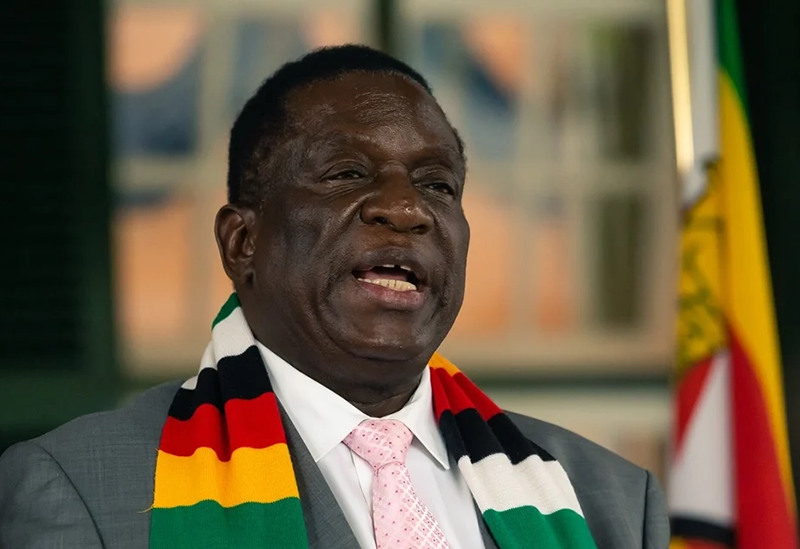
PRESIDENT Emmerson Mnangagwa has declared that Zanu PF is “here to stay,” quoting late Vice President Simon Vengesayi Muzenda’s famous line: “Zanu PF ichatonga kusvikira madhongi amera nyanga” loosely translated Zanu PF will remain in power until donkeys grow horns.

Speaking at the 27th Ordinary Session of the National Consultative Assembly (NCA) in Harare this Friday, Mnangagwa said his generation would do its part to realise that dream.

“Zanu PF is modernising; we are here to stay. As our late national hero and Vice President ‘Cde Mzee’ Simon Vengesayi Muzenda once said, ‘Zanu PF ichatonga kusvikira madhongi amera nyanga’. This generation will do its part to realise this dream,” Mnangagwa told delegates.

He used the NCA platform to urge ruling party leaders to deepen unity, accelerate modernisation, and pursue people-centred development to improve the lives of ordinary Zimbabweans.

“Our colossal revolutionary mass party remains unwavering in its commitment to the empowerment and an improved quality of life for our people. The modernisation, industrialisation and broader national development agenda of our beloved motherland, Zimbabwe, continues to gain momentum,” he said.

The NCA is one of Zanu PF’s highest advisory organs. It brings together the Central Committee, the Women’s League National Assembly and deputies, the 10 provincial executive councils, and former Central Committee members recognised for contributions to the liberation struggle.

Mnangagwa described the Assembly as “indispensable” and said the party was counting on its collective wisdom to shape the future. He challenged delegates to produce practical recommendations to strengthen structures ahead of the 23rd National People’s Conference, to be hosted by Mashonaland West.

He applauded ongoing organisational reforms, including leadership training, ideological seminars, and constitutional workshops. The operationalisation of all 11 Standing Committees of the Central Committee, he said, marked a milestone in internal democracy and accountability.

The President also directed the Secretary General’s Office to establish a modern archive to preserve Zanu PF’s liberation history and key figures. On technology, he urged members to harness innovation to improve communication, efficiency, and service delivery.

Mnangagwa further hailed Zimbabwe’s election to the UN Security Council for the 2027-2028 term and its forthcoming assumption of the COMESA Chairmanship as signs of growing international confidence in the country’s diplomacy.

The post ‘Zanu PF will remain in power until donkeys grow horns,’ Mnangagwa tells party leaders  appeared first on Zimbabwe Situation.

We were your backbone: Almost 60 000 Zimbabweans go – some say SA will suffer without them

Almost 60 000 people returned home in the past two weeks, after vigilante anti-immigration groups demanded that undocumented migrants leave the country by 30 June, according to the Zimbabwean government. Source: We were your backbone: Almost 60 000 Zimbabweans go – some say SA will suffer without them | News24 Hundreds of Zimbabweans leaving South […]

The post We were your backbone: Almost 60 000 Zimbabweans go – some say SA will suffer without them appeared first on Zimbabwe Situation.

Almost 60 000 people returned home in the past two weeks, after vigilante anti-immigration groups demanded that undocumented migrants leave the country by 30 June, according to the Zimbabwean government.

Source: We were your backbone: Almost 60 000 Zimbabweans go – some say SA will suffer without them | News24

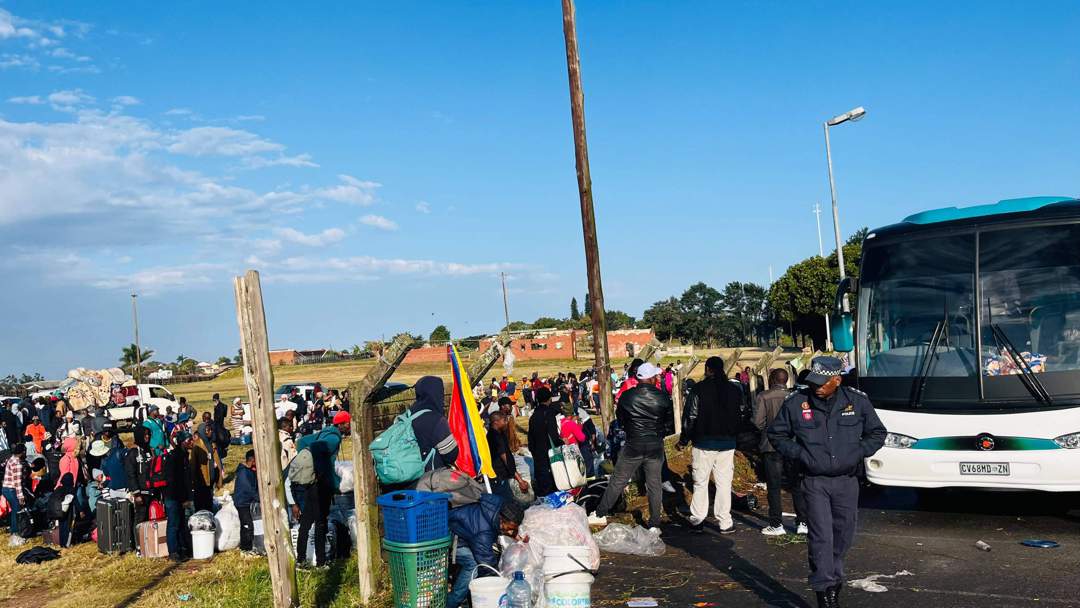
Hundreds of Zimbabweans leaving South Africa through a voluntary repatriation process at Shallcross Stadium.

Hundreds of Zimbabweans leaving South Africa through a voluntary repatriation process at Shallcross Stadium.
Sakhiseni Nxumalo/News24
  • Zimbabwe has confirmed that nearly 60 000 citizens have returned home in the past two weeks.
  • This, after anti-immigration groups’ ultimatum that demanded undocumented migrants leave by 30 June.
  • Returnee Mildred Sango warned that South Africa’s economy would decline without Zimbabweans because they filled essential roles and carried out menial jobs that locals were unwilling to do.

Almost 60 000 people returned home in the past two weeks, after anti-immigration groups demanded that undocumented migrants leave the country by 30 June, according to the Zimbabwean government.

“The cumulative total of returnees facilitated by the government of Zimbabwe stood at 11 065 by 2 July. The cumulative total of self-repatriation stood at 47 703,” said George Charamba, Zimbabwean President Emmerson Mnangagwa’s spokesperson.

“The grand total of Zimbabweans who have come back home thus stood at 58 768 as of 2 July.”

Charamba added: “Zimbabwe embassy and its consulates are coordinating movements of Zimbabweans across South Africa to the Musina temporary repatriation centre, including from Cape Town and Durban.

“They are also moving food, toiletries and buses to the needy, as well as organising temporary shelter for Zimbabweans awaiting clearance by the host country.”

READ | Mnangagwa ally pledges R50m to repatriate 20 000 Zimbabweans from SA

Additional support, in the form of food, blankets, child-friendly play centres and other amenities, came from the World Food Programme, Unicef and No One Sleeps Hungry.

“The City of Cape Town has supported the Zimbabwe consulate with 16 buses, which moved returnees to Musina on 1 July.”

In Harare, dozens of returnees also arrived at Roadport bus terminus on Saturday.

Some told News24 they were the backbone of the economy.

“By kicking us out of that country like animals, South Africans are doing themselves a disservice because Zimbabweans, in our millions in South Africa, were generating that economy for them,” Mildred Sango told News24 on her arrival at Roadport in Harare.

“Right now, they are going to see that once we leave the country, they don’t have the capacity to generate that economy on their own.”

They are used to us working for them. We have been working in their wine fields, working in supermarkets, and we have been doing all the menial jobs that they have been incapable of doing.

Sango added: “We are also more educated than South Africans. So they are going to watch their economy drop. One day, we are going to wait for them to come and work for us here in Zimbabwe. Watch this space.”

Another returnee, Tichaona Taruvinga, said: “I was working in South Africa, but I didn’t have a work permit, which is why I have been repatriated to Zimbabwe. I have to look for something to do, either start my own business or find a job here.

“But also, things are tough this side, and for now, I don’t have anything to do,” Taruvinga said.

Political analyst Precious Shumba said Zimbabweans should stop blaming South Africans for kicking them out of their country, as the Zimbabwean government was to blame for all the chaos.

“The blame lies on the Zimbabwe government. Remember, in the year 2000 we chased away productive white farmers, which also affected thousands of farmworkers. We also destroyed our manufacturing industry, and so many companies and people left for neighbouring countries, particularly South Africa. Now they are facing serious challenges, and it will be difficult to settle in the political economy of Zimbabwe because they have been used to systems that work.”

The post We were your backbone: Almost 60 000 Zimbabweans go – some say SA will suffer without them appeared first on Zimbabwe Situation.

NPA to recover US$15m from criminal proceeds

Source: NPA to recover US$15m from criminal proceeds – herald Justice Loice Matanda-Moyo Nyore Madzianike Senior Reporter THE National Prosecuting Authority of Zimbabwe is set to recover nearly US$15 million from criminal proceeds, with top car dealership Mike Harris Toyota (Pvt) Ltd set to lose more than 30 vehicles in the process. Prosecutor-General Justice Loice […]

The post NPA to recover US$15m from criminal proceeds appeared first on Zimbabwe Situation.

Source: NPA to recover US$15m from criminal proceeds – herald

Nyore Madzianike

Senior Reporter

THE National Prosecuting Authority of Zimbabwe is set to recover nearly US$15 million from criminal proceeds, with top car dealership Mike Harris Toyota (Pvt) Ltd set to lose more than 30 vehicles in the process.

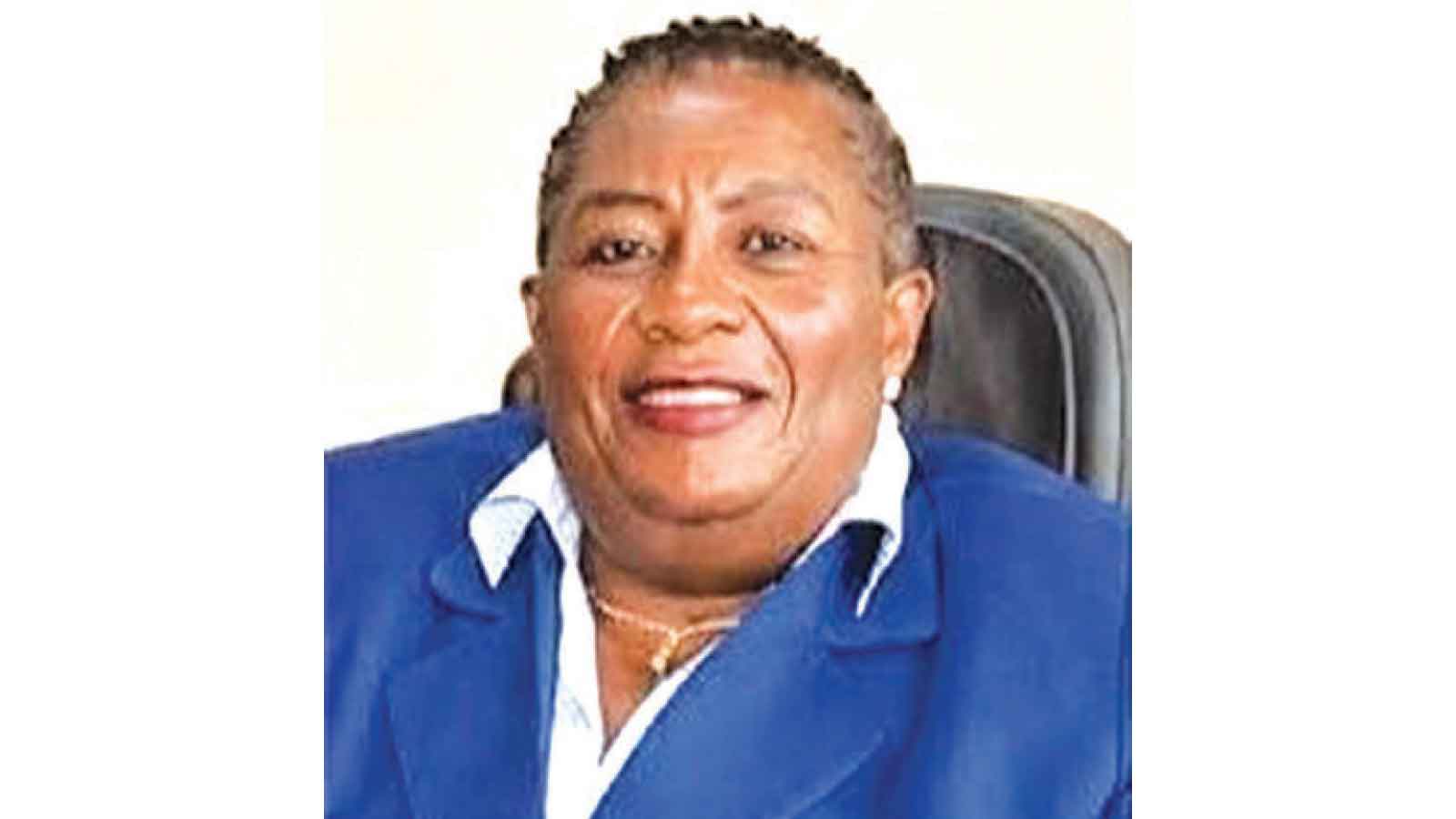
Prosecutor-General Justice Loice Matanda-Moyo has been granted preservation orders against properties worth US$3 million at various Magistrate Courts around the country.

A preservation order is a legal directive issued to protect specific assets, environments or properties from destruction, alteration or depletion by owners seeking to evade legal action.

The Prosecutor-General has also been granted forfeiture orders by the Magistrates Courts to seize properties worth US$3,5 million.

Through the Asset Forfeiture Unit, the Prosecutor-General has further secured preservation orders against properties worth US$4,5 million and forfeiture orders valued at about US$4 million.

“In line with the Prosecutor-General’s statement at the opening of the 2026 legal year, the NPA’s key result areas, among others, are effective prosecution of High Impact Cases and recovery of proceeds of crime and their instrumentalities.

“The strategic plan revolves around disgorging criminals of any benefit derived from proceeds of crime and the use of property in furtherance of criminal enterprises,” said deputy Prosecutor-General Mr Chris Mutangadura.

He said the NPAZ also aims to compensate victims of crime and strengthen law enforcement efforts.

“By restraining the perpetuation of money laundering through preservation orders, the State will effectively confiscate tainted property and compensate victims of crime and strengthen law enforcement efforts,” he said.

The Prosecutor-General has been granted a seizure order equivalent in value in respect of 30 vehicles from Mike Harris Toyota.

The vehicles are alleged to have been improperly acquired, prompting the Prosecutor-General to seek their seizure.

Mike Harris Toyota (Pvt) Ltd has filed a chamber application at the High Court seeking leave to submit further documentary evidence relating to its acquisition of the 31 vehicles.

The vehicles include a Toyota Land Cruiser 76 Series, Toyota Land Cruiser VX300, Toyota Fortuner 2.4 GD6, Suzuki Celerio, Suzuki Grand Vitara, Nissan Navara, three Suzuki Fronx vehicles, three Suzuki Jimny vehicles, Nissan Terra, another Suzuki Grand Vitara, another Suzuki Jimny, Suzuki Super Carry, Suzuki Baleno, two Suzuki Ecco vehicles, two Toyota Fortuner vehicles and a Toyota Quantum.

Jailed former Mutoko Rural District Council chief executive Mr Peter Sigauke is also set to lose three low-density residential stands and eight vehicles after the Prosecutor-General applied to the High Court for the forfeiture of the properties, arguing that they were acquired using tainted proceeds.

Sigauke and former Mutoko Rural District Council town planner Mr Enock Mukwekwe were each sentenced to two years’ imprisonment in June 2022 for criminal abuse of office after selling residential stands carved out of Chinzanga Beer Hall yard and part of a bus terminus in Murewa.

They pocketed US$12 000 in the process.

Following their conviction, the Prosecutor-General moved to seize Sigauke’s properties, which are alleged to have been acquired using tainted proceeds.

The High Court has granted the Prosecutor-General an order interdicting Sigauke from dealing in, disposing of, alienating or in any manner encumbering the properties pending determination of an application for a civil forfeiture order.

The properties include Stand No. 2921 Low Density, Plot 35 Tabudirira and Plot 65 Jerenje in Mutoko.

The State is also seeking the forfeiture of a Nissan Elgrand (ACY 8666), Toyota Noah (ADJ 7828), Toyota Hiace (ADZ 1752), Honda Fit (AEO 5416), Honda Fit (AEY 7327), Toyota Hiace (AGB 1211), Toyota Hilux (AGA 9432) and Toyota Hiace (AGL 0937).

Businessman Mr Givemore Dhliwayo, who operated at Mutoko Centre, is also set to lose business premises, residential stands and vehicles through civil forfeiture.

The properties are alleged to have been acquired using tainted proceeds.

The Prosecutor-General has also obtained an order interdicting Dhliwayo from dealing in, disposing of, alienating or in any manner encumbering the properties pending determination of an application for a civil forfeiture order.

The State is seeking the forfeiture of commercial premises at No. 4015C, No. 5752 and No. 5748 Shaz Shopping Centre in Mutoko.

It is also seeking the forfeiture of residential stands No. 4466 Medium Density and No. 4455B Medium Density in Mutoko, as well as commercial premises at No. 4017 Nyabote Township.

The State is further seeking to seize a Hino Ranger lorry (AGD 5506) and a Hino Ranger (AGN 0087).

The High Court is yet to determine the application by the Prosecutor-General for the civil forfeiture of Kudzai Chiwara’s house in Zengeza, Chitungwiza, valued at US$13 147.

Phillip Tendenedzai’s Stand No. 13800 Caledonia, Harare, was auctioned on February 28, 2026, and the Prosecutor-General is yet to obtain transfer of the property into the purchaser’s name.

The Prosecutor-General has also applied for the forfeiture of No. 2494 Arlington, Harare.

The State is also seeking the forfeiture of US$480 000 belonging to Evelyn Bengesa and held in a Stanbic Bank, Francistown, Botswana company account.

The Prosecutor-General has requested mutual legal assistance to forfeit the money from Botswana.

The State is also set to seize more than 60 vehicles believed to have been illegally acquired after their owners allegedly abused the civil service vehicle rebate scheme.

The post NPA to recover US$15m from criminal proceeds appeared first on Zimbabwe Situation.

Education a powerful tool to transform societies: VP Mohadi

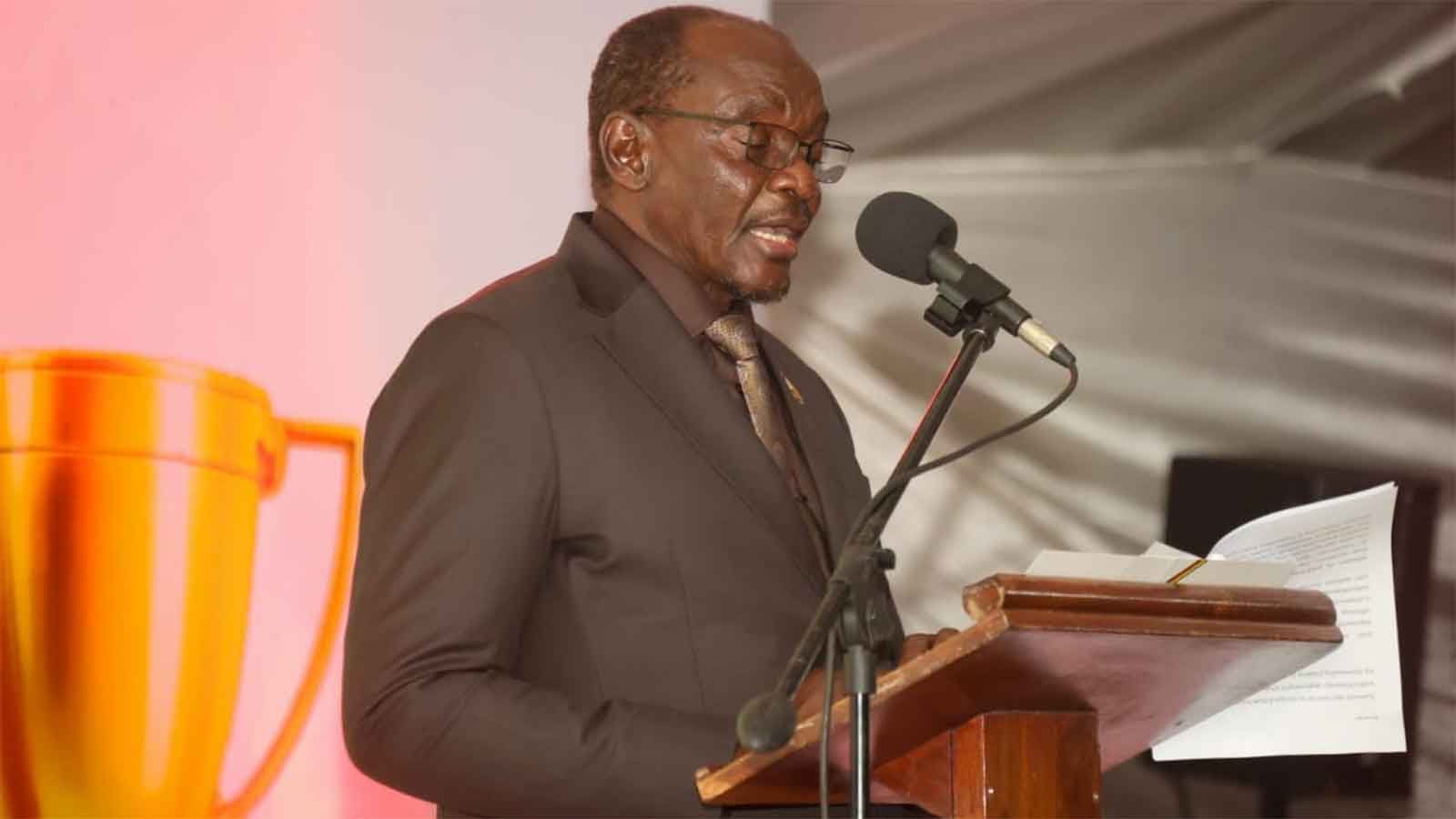
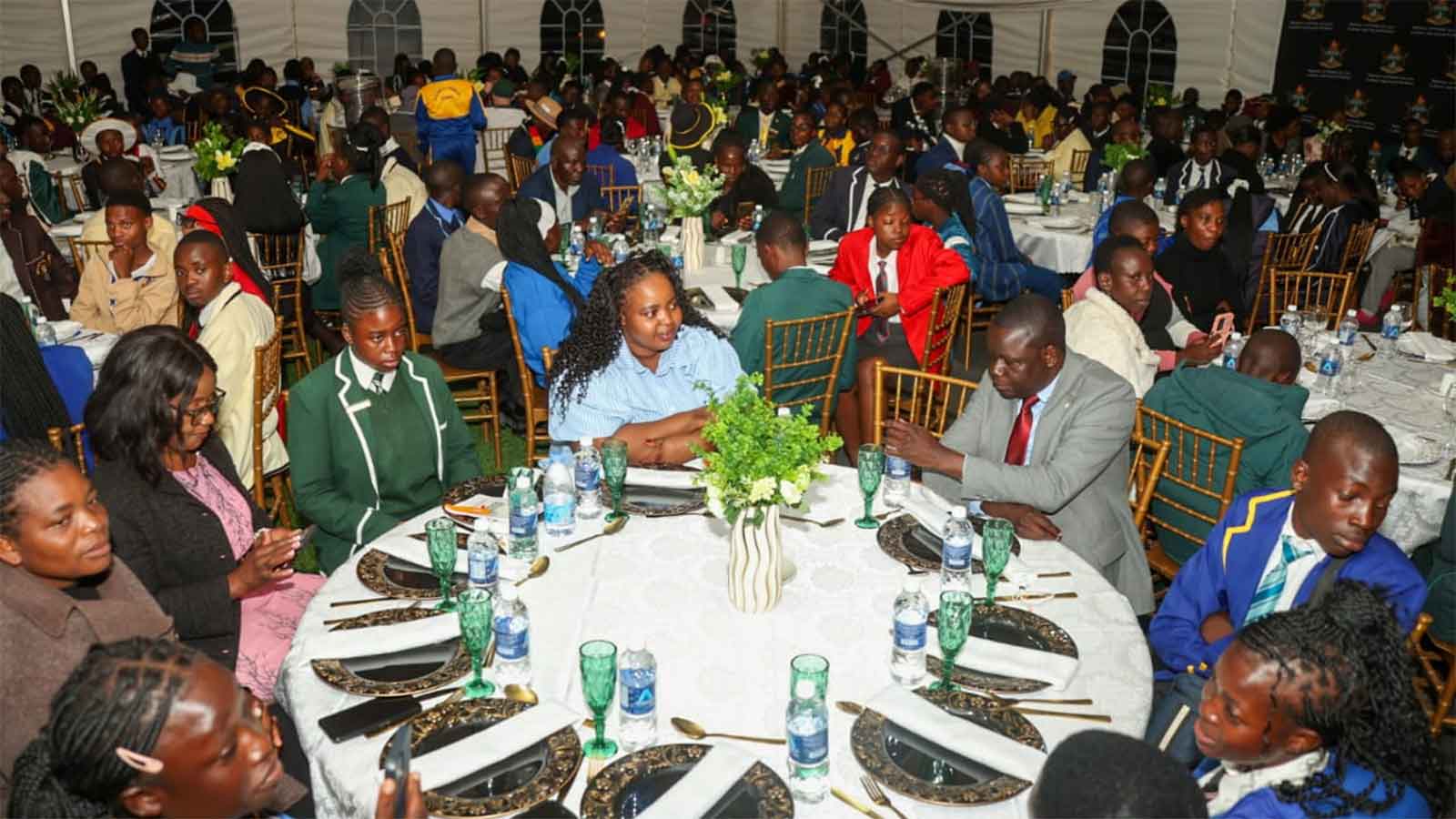
Source: Education a powerful tool to transform societies: VP Mohadi – herald Vice President Dr Kembo Mohadi (right) hands over the overall best student prize to Tinevimbo Muchineuta while Public Service, Labour and Social Welfare Minister Edgar Moyo looks on at the Sustainable Development Goals Schools Essay Writing Competition awards ceremony at the Harare International […]

The post Education a powerful tool to transform societies: VP Mohadi appeared first on Zimbabwe Situation.

Source: Education a powerful tool to transform societies: VP Mohadi – herald

Nyore Madzianike

Senior Reporter

THE Government has reaffirmed its commitment to empowering young people with knowledge, skills and opportunities, saying education is one of the most powerful tools for transforming societies, reducing inequalities and unlocking the full potential of citizens.

Vice President Dr Kembo Mohadi said this while officiating at the 2026 National Sustainable Development Goals (SDGs) Schools Essay Writing Competition Awards Ceremony in Harare on Friday.

The schools’ essay competition, which started last year to promote SDG awareness among learners across the country, has recorded 30 658 participants, a rise from last year’s 4 032.

This year’s competition attracted students drawn from schools across the country, including rural areas and learners living with disabilities.

Eighteen outstanding winners were honoured, comprising 15 from five competition categories and three in the special category for learners with disabilities.

“As the Government, we remain committed to empowering young people with the knowledge, skills and opportunities necessary to become active contributors to national development.

“We firmly believe that education is one of the most powerful tools for transforming societies, reducing inequalities and unlocking the full potential of citizens.

“I am encouraged by the participation of learners from all provinces, including those from rural and urban schools, as well as learners with disabilities.

“This broad participation reflects our collective commitment to inclusivity and reinforces the national vision of ensuring that no one and no place is left behind, as we advance our development agenda,” he said.

VP Mohadi said the quality of this year’s essays reflected learners’ deep appreciation of critical issues facing society, including renewable energy, climate resilience, environmental conservation, water and sanitation.

He said the essays also demonstrated learners’ understanding of issues relating to technological innovation, inclusive education, responsible production and consumption, employment creation and social inclusion.

“These themes are closely aligned with the Government’s development priorities as outlined in the National Development Strategy 2 and with our national aspiration to attain an upper-middle-income economy by 2030.

“What is particularly impressive is that many learners moved beyond merely identifying challenges and instead proposed practical and innovative solutions rooted in local realities.

“This demonstrates that our young people possess not only awareness of development issues, but also the creativity and problem-solving capabilities required to address them.”

The Vice President said Government views young people not merely as beneficiaries of development programmes, but as strategic partners in the nation’s transformation.

He said ideas generated through such initiatives have the potential to influence future innovations, policies and development interventions.

“The SDGs and NDS2 provide a shared framework for advancing inclusive and sustainable development.

“They call for concerted efforts to eradicate poverty, improve health and education outcomes, promote gender equality, protect the environment, create decent employment opportunities, strengthen innovation and industrialisation, build peaceful, inclusive, and resilient communities.

“Achieving these objectives requires the active participation of all sectors of society, particularly youths.”

VP Mohadi said young people play a critical role in national development through entrepreneurship, skills development, innovation, community engagement, environmental stewardship and civic participation.

“This is why the Government continues to support programmes that foster innovation, critical thinking and active citizenship participation among learners.

“These initiatives nurture future leaders, entrepreneurs, scientists, policymakers and professionals who will drive Zimbabwe’s socio-economic development in the years ahead.”

He said the event’s coincidence with the Junior Parliament activities scheduled for July 8 at the New Parliament Building in Mt Hampden reflected the Government’s commitment to ensuring that young people participate meaningfully in governance and national discourse.

“Through the Junior Parliament and other youth empowerment platforms, we are cultivating a generation that appreciates democratic values, responsible leadership and active citizenship.”

The post Education a powerful tool to transform societies: VP Mohadi appeared first on Zimbabwe Situation.

Mutoko project to cut crude oil bill by US$300m 

Source: Mutoko project to cut crude oil bill by US$300m – herald President Mnangagwa Debra Matabvu and Precious Manomano PRESIDENT Mnangagwa is set to commission the Finealt Bioeconomy Industrial Park in Mutoko this week, marking a major milestone in the Government’s drive to accelerate rural industrialisation, promote value addition and beneficiation and unlock sustainable economic […]

The post Mutoko project to cut crude oil bill by US$300m  appeared first on Zimbabwe Situation.

Source: Mutoko project to cut crude oil bill by US$300m – herald
Debra Matabvu and Precious Manomano

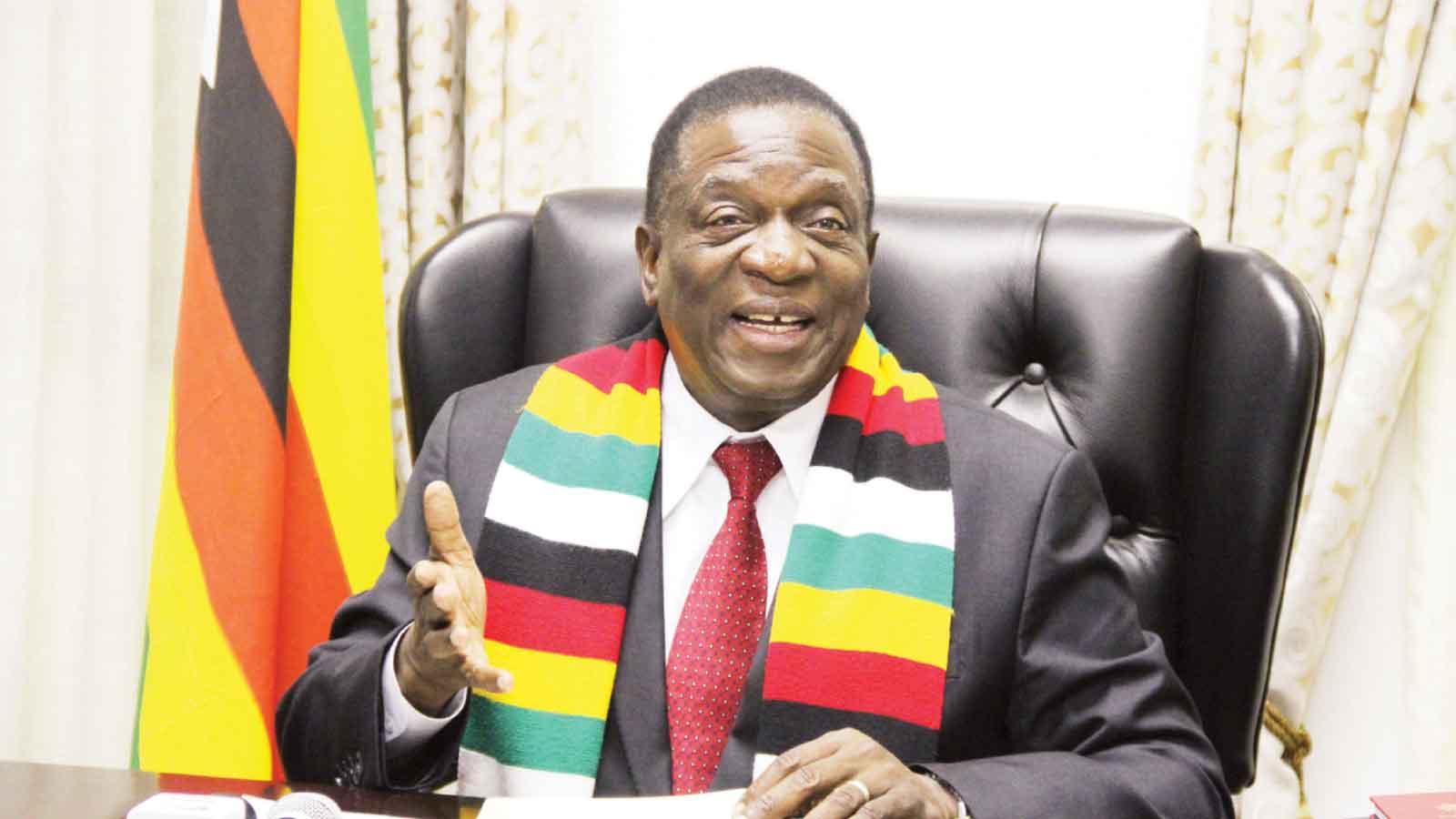
PRESIDENT Mnangagwa is set to commission the Finealt Bioeconomy Industrial Park in Mutoko this week, marking a major milestone in the Government’s drive to accelerate rural industrialisation, promote value addition and beneficiation and unlock sustainable economic opportunities for local communities.

The commissioning also marks one of the earliest flagship projects under National Development Strategy 2 (NDS2), which identifies rural industrialisation, value addition and beneficiation as central pillars in transforming Zimbabwe from a primary commodity-based economy into a diversified manufacturing and export-oriented economy by 2030.

The industrial park project, being set up by Finealt Engineering — an agency under the Ministry of Higher and Tertiary Education, Innovation, Science and Technology Development — is an integrated industrial hub producing biodiesel, cooking oil and soap, with a stock feed plant to be added later.

The industrial park will utilise locally-available natural resources and by-products predominantly found in Mashonaland East Province, creating value-added products, while enhancing community participation in the provincial economy.

The project aligns with the NDS2, which states that: “During NDS2, Government will prioritise the transformation of the agricultural sector into a competitive, export-oriented and value-driven industry that anchors rural industrialisation and growth in trade.”

In an interview, Higher and Tertiary Education, Innovation, Science and Technology Development Permanent Secretary Professor Fanuel Tagwira said the project is a practical demonstration of the Heritage-Based Education 5.0 philosophy, which seeks to harness Zimbabwe’s indigenous resources, knowledge and innovation to drive industrialisation, economic growth and national development.

“This is a very important project which answers to Heritage-Based Education 5.0,” Professor Tagwira said. “It also answers the call for rural industrialisation of our economy.

“The first of its kind is being rolled out by the Ministry of Higher Education, Innovation, Science and Technology Development using one of its entities called Finealt Engineering. Within the industrial park, we have a biodiesel plant, we have a cooking oil plant, we have a soap plant and we will later on have a stock feed plant. So, the idea is that within the biological resources that are found in Mashonaland East, we are trying to unlock value for the benefit of the communities and also create jobs.

“At least 20 000 households in Mashonaland East are going to be contracted to grow sunflowers to support the plant. Additionally, there will be staff working in the plant processing the product, and so there will be a lot of jobs that will be created.”

Professor Tagwira said beyond creating employment and promoting value addition, the industrial park would significantly reduce Zimbabwe’s dependence on imported edible oils while saving scarce foreign currency.

He said the integrated processing model was expected to cut the country’s annual cooking oil import bill by more than US$300 million through full utilisation of the sunflower value chain.

“Zimbabwe spends US$300 million annually importing crude oil and then we refine this crude oil into cooking oil. Whereas this plant is going to make the whole value chain of seeds is exploited,” he said.

“The 20 000 households in Mashonaland East who are going to supply the seeds, which will be processed into cooking oil. Out of that we are going to get stock feed.

“So we are trying to cut the US$300 million import bill and save foreign currency.

“If we can cut the US$300 million, create jobs in the agriculture and manufacturing sectors as well as get stock feed, that is a bigger benefit. If we can then export it will still be fine.”

The biodiesel processing plant is expected to produce 22 000 litres of biodiesel per day, while the cooking oil processing plant will have the capacity to process 6 000 tonnes of sunflower seed annually. The industrial park will also house a soap manufacturing plant producing bar soap, tablets and detergents, while a livestock feed plant will be added in a later phase.

Professor Tagwira said the Industrial Park would serve as a pilot project, with the model set to be replicated across the country’s provinces to harness locally available resources, promote value addition and beneficiation, and drive inclusive rural industrialisation based on each region’s comparative advantages.

The industrial park, Professor Tagwira added, would serve as a model demonstrating how universities and polytechnics can support President Mnangagwa’s rural industrialisation agenda through the implementation of Heritage-Based Education 5.0 by transforming local resources into value-added products.

“It is a model to show what universities and polytechnics can do to support the rural industrialisation agenda of His Excellency as part of Heritage-Based Education 5.0,” he added.

“All the infrastructure on that site was put up by our polytechnics as well as the machinery was installed by our polytechnics.

“The conceptualisation of the innovations that you will find in the industrial park also came out of our institutions.

“Once we have done this project and it has succeeded, our aim is to cascade it to other provinces, but using the natural endowments that are found in those provinces.”

Professor Tagwira said the commissioning is expected to attract at least 50 000 people from across Mashonaland East Province.

He said the Finealt Bioeconomy Industrial Park builds on the innovation parks established at the country’s universities, extending the Heritage-Based Education 5.0 model beyond academic institutions into rural communities to promote value addition, industrialisation and sustainable economic development.

Uplifting the local community

Professor Tagwira said local residents were trained in various construction trades, including bricklaying and plumbing, during the development of the industrial park.

“We also took people from the local community and trained them. Builders, plumbers and other artisans have been trained while these buildings were being constructed. Some of them will be assessed and receive recognised qualifications, giving them skills they can use beyond this project,” he said.

The Mutoko Bioeconomy Industrial Park is expected to serve as a blueprint for similar rural industrial hubs across Zimbabwe, supporting the Government’s vision of decentralised industrial development, employment creation, import substitution, value addition and inclusive economic growth through innovation.

Finealt Engineering Acting Chief Executive Officer Patrick Mpala said the three plants had been designed as an integrated manufacturing system, allowing by-products from one process to become raw materials for another.

“The biodiesel plant, soap-making plant and cooking oil plant are all integrated,” he said.

“The cooking oil plant produces what is called soap stock, which becomes raw material for the soap plant, while the biodiesel plant produces glycerine, which is also used in soap manufacturing. These three plants work together to produce different varieties of bioeconomy goods and services.”

Mr Mpala said the cooking oil plant has the capacity to process 20 tonnes of sunflower seed per day, producing about 5 000 litres of Biofine cooking oil for the local market.

The soap manufacturing plant can produce 4 000 small bars of soap every hour and another 2 000 larger lavender soap bars per hour, while the biodiesel plant has been upgraded from a capacity of 3 000 litres to 27 000 litres per day.

“We have upgraded from 3 000 litres to 27 000 litres per day. The challenge we may have now is feedstock, but that is something we are going to work on by improving feedstock production within the community,” said Mr Mpala.

He said the next phase of the project would include stockfeed production using sunflower cake, a by-product of cooking oil extraction, as well as mealie-meal processing.

“When we grind our sunflower, there is cake that is left. We are going to turn that into feedstock for animals and chickens,” he said.

The post Mutoko project to cut crude oil bill by US$300m  appeared first on Zimbabwe Situation.