TelOne to spend US$250 million on new transformational strategy

Source: TelOne to spend US$250 million on new transformational strategy – herald Lawrence Nkala Nelson Gahadza Senior Business Reporter STATE-OWNED telecommunications operator TelOne has adopted an ambitious transformation strategy that will require about US$250 million to reinvent the company from a traditional fixed-line operator into a fixed-mobile converged digital services provider. Presenting the strategy and […]

The post TelOne to spend US$250 million on new transformational strategy appeared first on Zimbabwe Situation.

Source: TelOne to spend US$250 million on new transformational strategy – herald

Nelson Gahadza

Senior Business Reporter

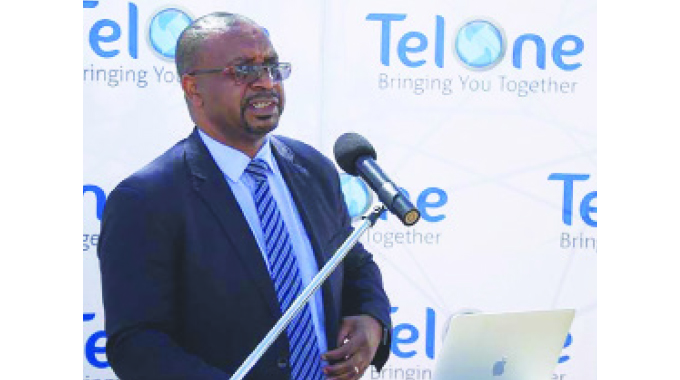
STATE-OWNED telecommunications operator TelOne has adopted an ambitious transformation strategy that will require about US$250 million to reinvent the company from a traditional fixed-line operator into a fixed-mobile converged digital services provider.

Presenting the strategy and TelOne’s first-quarter performance during the company’s annual general meeting, chief executive officer Mr Lawrence Nkala said the 2026-2030 strategy would position TelOne to compete in Zimbabwe’s rapidly evolving digital economy.

This comes amid growing use and demand for broadband, cloud computing, artificial intelligence (AI) and Internet of Things (IoT) solutions globally.

“The programme will focus on expanding fixed wireless access, upgrading next-generation fibre and core network infrastructure, increasing data centre capacity, deploying AI-enabled services and cybersecurity solutions and accelerating smart city projects.

“The scale of the investment requires a stronger capital structure, making equity financing the preferred funding option.

He added, “Our aspiration is very clear. We want to move from being a traditional fixed business model that is heavily dependent on fixed-line services to becoming a fixed-mobile converged digital service provider built on next-generation technologies,” he said.

Mr Nkala said Zimbabwe’s telecommunications sector was undergoing a fundamental shift towards a data-driven ecosystem, with mobile internet now accounting for the bulk of the revenue in the industry while demand continued to grow for fibre connectivity, fixed wireless access, cloud infrastructure and digital platforms.

“The telecoms market is becoming increasingly data-centric and infrastructure-intensive. Operators now have to invest continuously in broadband infrastructure, artificial intelligence-enabled services, cloud ecosystems and data platforms,” he said.

He added that operators were also grappling with rising operating costs, particularly energy expenses, while growing competition from satellite internet providers and aggressive data pricing continued to compress margins in the industry.

Against this backdrop, Mr Nkala said TelOne’s strategy seeks to reposition the business from reliance on legacy copper infrastructure to modern digital networks that support modern technologies.

He said the transformation programme is anchored on four strategic pillars.

The first focuses on infrastructure and network modernisation through the deployment of next-generation broadband networks, expansion of fibre infrastructure, upgrades to the national IP core network, rollout of fixed wireless access using 5G technologies and increased data centre capacity to support AI computing.

The second pillar seeks to enhance customer experience by improving network availability, accelerating service delivery and introducing new digital products and services.

Operational excellence forms the third pillar, with the company looking to implement digital systems that improve efficiency, streamline processes and reduce turnaround times.

The last pillar centres on organisational capability, with significant investment in skills development and cultural transformation to prepare employees for emerging digital technologies.

The post TelOne to spend US$250 million on new transformational strategy appeared first on Zimbabwe Situation.

Retired Major General Dzihwema dies

Source: Retired Major General Dzihwema dies – herald Major General (Retired) Everisto Dzihwema Ivan Zhakata Herald Correspondent RETIRED Zimbabwe National Army (ZNA) Major General Everisto Dzihwema has died. He was 63. The former senior military officer died in India, where he was receiving treatment, on Thursday. In a statement, Director of Army Public Relations Colonel […]

The post Retired Major General Dzihwema dies appeared first on Zimbabwe Situation.

Source: Retired Major General Dzihwema dies – herald

Ivan Zhakata

Herald Correspondent

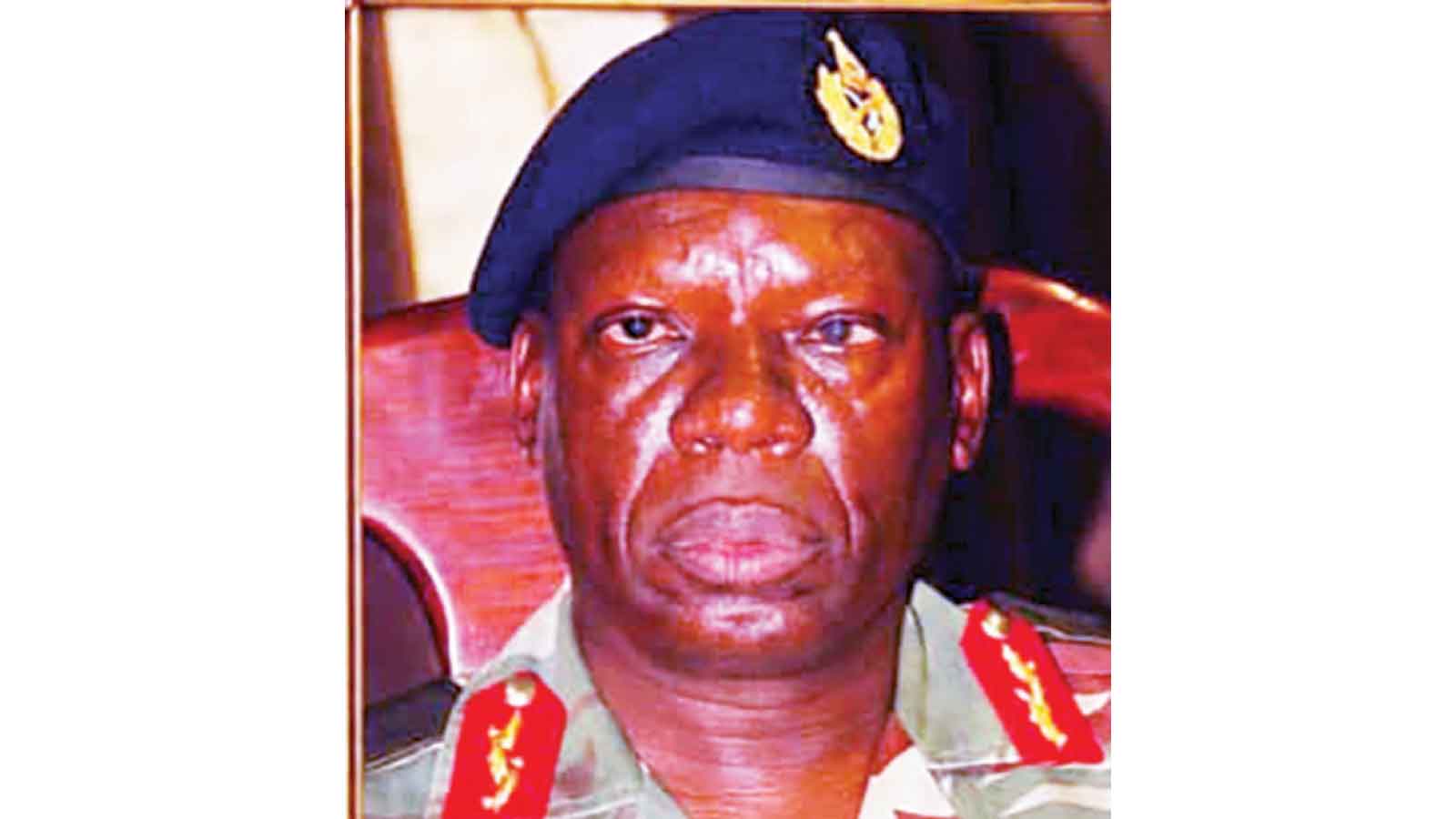
RETIRED Zimbabwe National Army (ZNA) Major General Everisto Dzihwema has died.

He was 63.

The former senior military officer died in India, where he was receiving treatment, on Thursday.

In a statement, Director of Army Public Relations Colonel Hlengiwe Dube said:

“The Commander Zimbabwe National Army, Lieutenant-General Asher Walter Tapfumaneyi, regrets to announce the untimely death of Major General (Retired) Everisto Dzihwema”.

She said the late retired Major General is survived by his wife, Alice Dzihwema, and three children.

“Mourners are gathered at House Number 5535, Zimre Park, Ruwa. More details on burial arrangements will be announced in due course,” said Colonel Dube.

Major General (Retired) Dzihwema was among the Zimbabwe National Army’s senior retired officers. Further details surrounding his burial are expected to be announced by the family and the Zimbabwe National Army.

The post Retired Major General Dzihwema dies appeared first on Zimbabwe Situation.

President calls for stronger disability inclusion across sectors

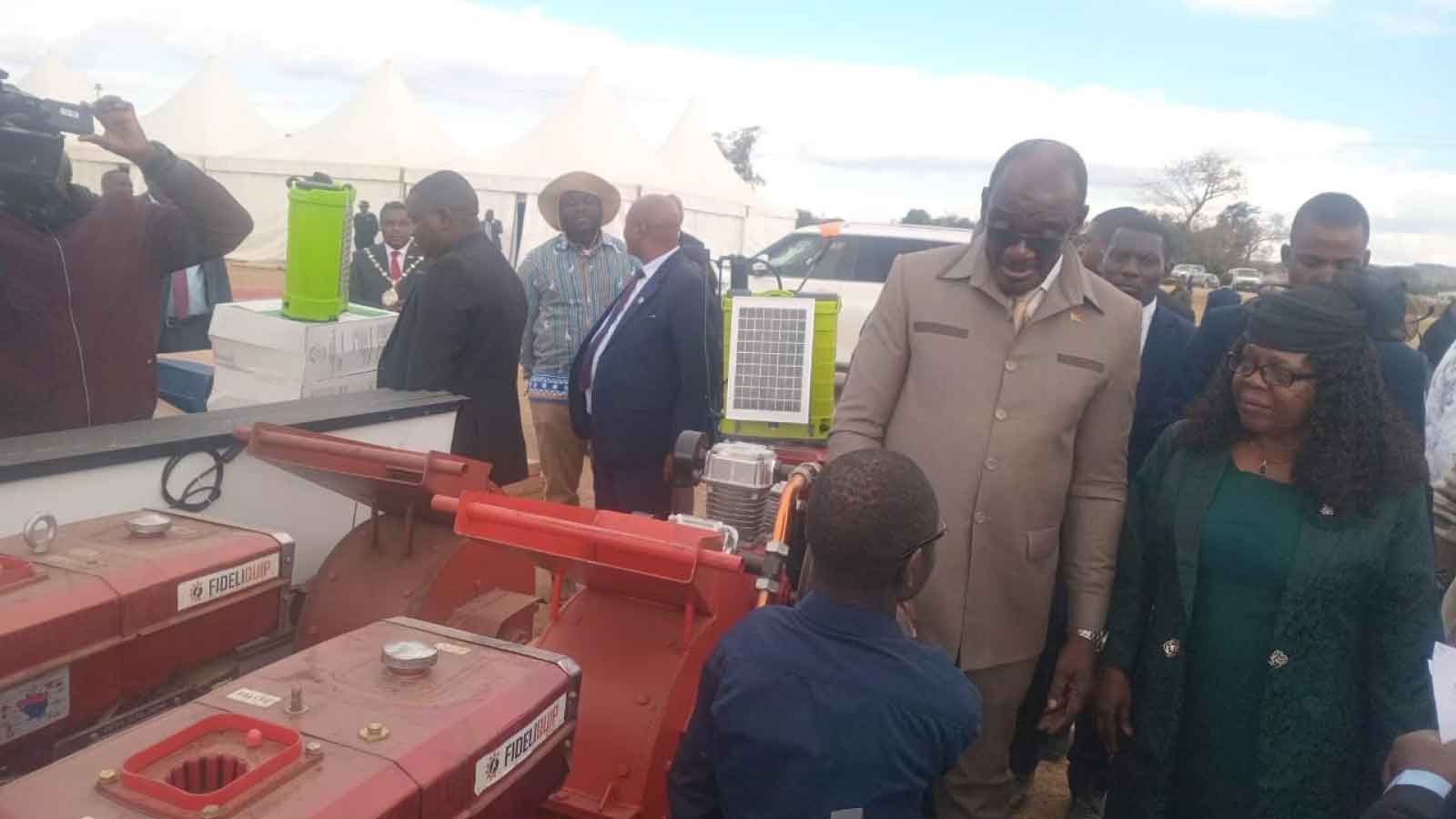
Source: President calls for stronger disability inclusion across sectors – herald Vice President Dr Kembo Mohadi hands over a hammer mill to Mr Maxwell Bumhira of Mt Darwin, Mashonaland Central Province, while Special Advisor on Disability Issues in the Office of the President and Cabinet Ms Rossy Mpofu (right) and other officials look on at […]

The post President calls for stronger disability inclusion across sectors appeared first on Zimbabwe Situation.

Source: President calls for stronger disability inclusion across sectors – herald
George Maponga

Masvingo Bureau

PRESIDENT Mnangagwa has challenged Zimbabweans to embrace disability inclusion as the cornerstone of the nation’s drive to evolve into an upper-middle-income society by the year 2030.

In a speech read on his behalf by Vice President Kembo Mohadi at the official opening of the 2026 National Disability Expo held at Mucheke Stadium B Arena in Masvingo yesterday, the President said disability inclusion was in sync with the National Development Strategy 2 (NDS 2), which has successfully pivoted the country into a new phase of socio-economic transformation predicated on inclusive development that ensures all citizens and communities are part of the national development trajectory.

Over 500 exhibitors and Government agencies, departments and ministries were showcasing various products at the expo, which kicked off on Wednesday and was hosted by Masvingo Province.

The expo is an annual event on the national calendar that seeks to cast the spotlight on the plight of people living with disabilities, while also underscoring the Government’s commitment to ensuring persons with disabilities are part of the national development agenda.

President Mnangagwa said disability inclusion was not just a social obligation, but also a constitutional imperative and pledged the Government’s commitment to ensuring persons with disabilities were not left behind as Zimbabwe gears for upper-middle-income society status.

“The Government of Zimbabwe firmly believes that persons with disabilities are not objects of charity but equal citizens, endowed with inherent dignity, rights and capabilities. Therefore, disability inclusion is not merely a social obligation; it is a constitutional imperative, a developmental necessity and a human rights obligation,” he said.

President Mnangagwa said the Constitution, particularly Sections 6, 22, and 83, unequivocally guarantees the rights of persons with disabilities and mandates that the State and all institutions of society create an enabling environment for their full participation in national life.

“In fulfilment of this constitutional mandate, the Second Republic continues to implement progressive policies and legislative reforms to promote equality, accessibility, participation and empowerment.”

President Mnangagwa pointed out that disability inclusion looms large in the Government’s NDS2 blueprint, as it dovetails with the mantra of ensuring all Zimbabweans are active participants in the march towards an upper-middle-income society.

“I call upon all Zimbabweans to embrace disability inclusion as a catalyst for national prosperity, social justice and sustainable development. Together, let us build a nation founded on equality, dignity, opportunity and shared prosperity. The enactment of the Persons with Disabilities Act (Chapter 17:13) in 2025 marked a significant milestone in our country’s journey towards a rights-based framework for disability inclusion.”

The landmark legislation aligned Zimbabwe with international and regional commitments, including the United Nations Convention on the Rights of Persons with Disabilities (UNCRPD), the African Charter on Human and Peoples’ Rights, and the African Disability Protocol.

“Zimbabwe has entered a new phase of socio-economic transformation through the implementation of the National Development Strategy 2 (NDS2), which is anchored in the principle of inclusive development and aims to ensure that no citizen or community is left behind in our national development trajectory,” the President said.

He said disability inclusion is a cross-cutting priority under NDS2 and remains integral to the country’s national aspiration to achieve an empowered upper-middle-income economy by 2030.
The strategy recognises that sustainable development can be achieved only when all citizens, including persons with disabilities, actively participate in economic growth, social development and national governance.

President Mnangagwa said this year’s theme, “Embracing Disability Inclusion in All Sectors: A Masterstroke for National Prosperity and Economic Development,” was in perfect alignment with the Government’s vision, which recognises that societies prosper when all citizens actively contribute to national development.

“Indeed, disability inclusion is not solely a welfare issue. It is a strategic development issue that directly contributes to economic productivity, innovation, social cohesion and national competitiveness.

“Our disability inclusion agenda is further informed by the African Union’s Agenda 2063, particularly Aspiration 1, which envisages a prosperous Africa based on inclusive growth and sustainable development, and Aspiration 6, which seeks an Africa whose development is people-driven, drawing on the potential of its women, youth and vulnerable groups, including persons with disabilities.”

Globally, the President added, Zimbabwe remains committed to implementing the Sustainable Development Goals (SDGs), whose central principle is not to leave anyone behind.

“Disability inclusion is a fundamental component of several SDGs, including the eradication of poverty, the promotion of health and well-being, the provision of inclusive and equitable quality education, the advancement of decent work and economic growth, the reduction of inequalities, the development of accessible and inclusive cities and communities, and the promotion of inclusive institutions and equal access to justice.”

Zimbabwe’s national vision seeks to harmonise the objectives of Vision 2030, NDS2, Agenda 2063 and SDGs into a coherent framework for disability-inclusive development.

The President also said the mantra that “disability is not inability” should go beyond rhetoric, pointing out that the Government and other non-State actors should move from charity-based approaches to empowerment-centred and rights-based models that unlock the full potential of persons living with disabilities.

In that line, there is need to invest in inclusive education systems that equip learners with disabilities with relevant skills and competencies for them to be relevant in a modern economy.

There is also need to promote access to healthcare services, inclusive digital technologies, adaptive infrastructure, accessible transportation systems and inclusive labour markets.

“We must also expand access to productive assets such as land, housing, financing, mining opportunities and entrepreneurship support programmes. Economic empowerment remains central to achieving genuine inclusion. Through various Government initiatives, persons with disabilities are increasingly participating in agriculture, mining, manufacturing, commerce, and innovation and technology development. This participation contributes not only to individual livelihoods, but also to national productivity and economic growth,” said the President.

The success of the disability inclusion agenda also depends on a Whole-of-Government and whole-of-society approach, with President Mnangagwa stressing the importance of partnerships to attain some of the targets.

President Mnangagwa also declared that persons with disabilities should be active participants and leaders when decisions that affect their lives are made. Their voices, experiences and aspirations need to inform policy design, implementation, and monitoring and evaluation.

The President also announced an empowerment package for persons with disabilities in a move that underscores his long-standing commitment to their welfare in line with his mantra of leaving no one and no place behind.

He said the Presidential Goat Scheme targeting people with disabilities will see an initial 50 goats donated for distribution to persons with disabilities countrywide.

The President also unveiled the Presidential Piggery Project, where persons with disabilities received 60 pigs.

A residential stand project and an agricultural and farming land project were also launched to assist persons with disabilities.

Some persons with disabilities also received mining equipment, such as hammer mills, to promote entrepreneurship.

Some of the exhibitors who excelled at the expo received prizes from the President, through VP Mohadi.

Earlier on, VP Mohadi had commissioned and toured the Jairos Jiri Centre Business Unit in Mucheke suburb, which offers life skills to persons living with disabilities.

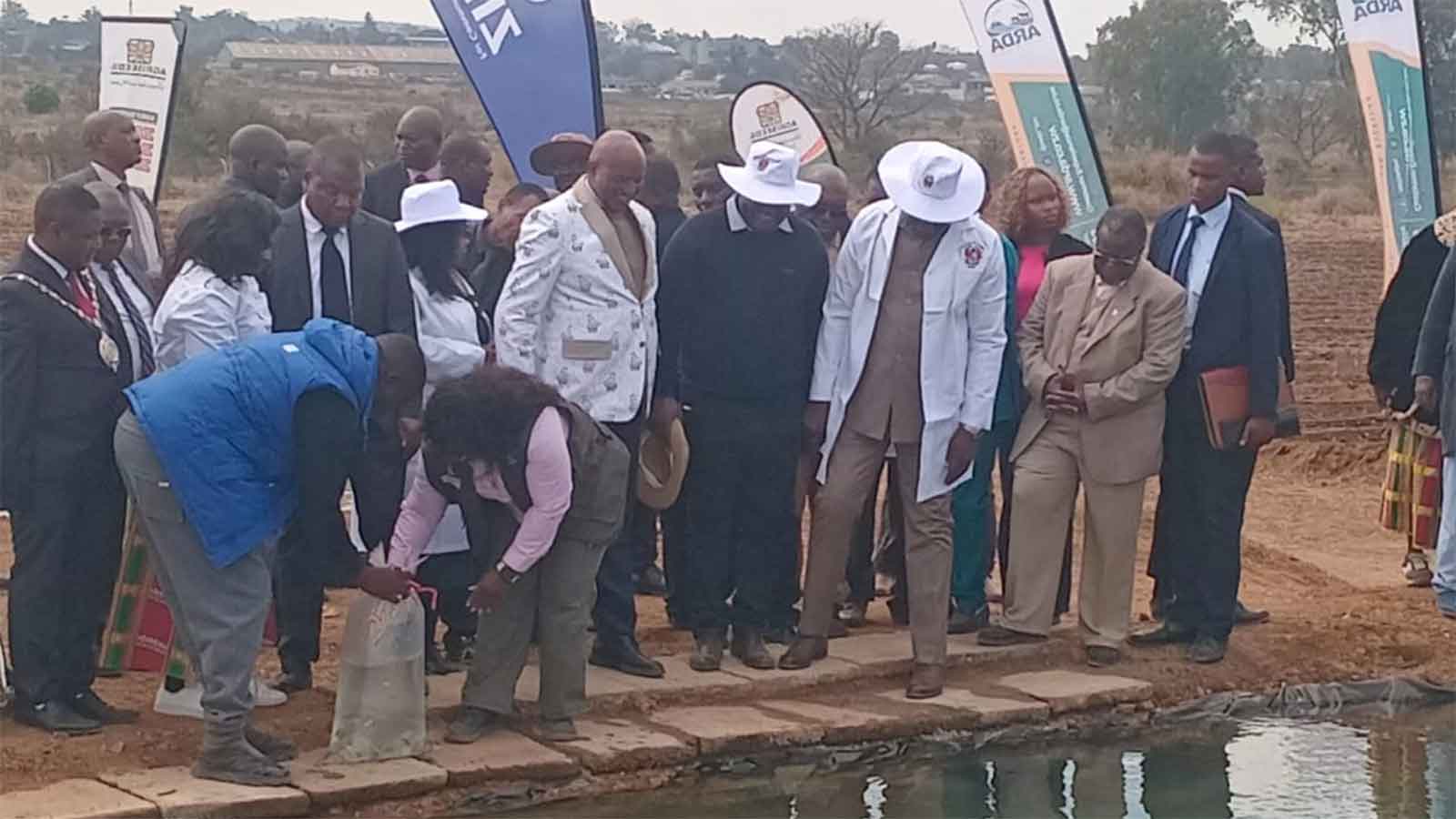
The centre received a shot in the arm from the Government through the setting up of a piggery project, an aquaculture project and an irrigated market gardening project to raise income while equipping learners with practical skills.

In her address at the event, Special Advisor to the President on Disability Issues in the Office of the President and Cabinet, Ms Rossy Mpofu, hailed President Mnangagwa for walking the talk on his mantra of leaving no one and no place behind.

Ms Mpofu said major inroads have been made by the Second Republic under President Mnangagwa to empower and uplift persons living with disabilities in Zimbabwe.
The post President calls for stronger disability inclusion across sectors appeared first on Zimbabwe Situation.

‘Technology fuels drug abuse globally’

Source: ‘Technology fuels drug abuse globally’ – herald Ms Monica Juma Ivan Zhakata Herald Correspondent GLOBAL drug traffickers are increasingly exploiting technology, geopolitical instability and emerging synthetic drugs to expand their operations, as the number of people using illicit substances worldwide continues to rise, the United Nations Office on Drugs and Crime (UNODC) has said. […]

The post ‘Technology fuels drug abuse globally’ appeared first on Zimbabwe Situation.

Source: ‘Technology fuels drug abuse globally’ – herald

Ivan Zhakata

Herald Correspondent

GLOBAL drug traffickers are increasingly exploiting technology, geopolitical instability and emerging synthetic drugs to expand their operations, as the number of people using illicit substances worldwide continues to rise, the United Nations Office on Drugs and Crime (UNODC) has said.

In its World Drug Report 2026, UNODC said organised criminal networks were rapidly adapting to changing global conditions by introducing new and more potent drugs, diversifying trafficking routes and targeting emerging markets.

The report estimates that 331 million people aged between 15 and 64 used drugs in 2024, representing 6,2 percent of the global population, up from 5,2 percent in 2014. Cannabis remained the most widely used drug, accounting for 256 million users, followed by opioids, amphetamines, cocaine and ecstasy.

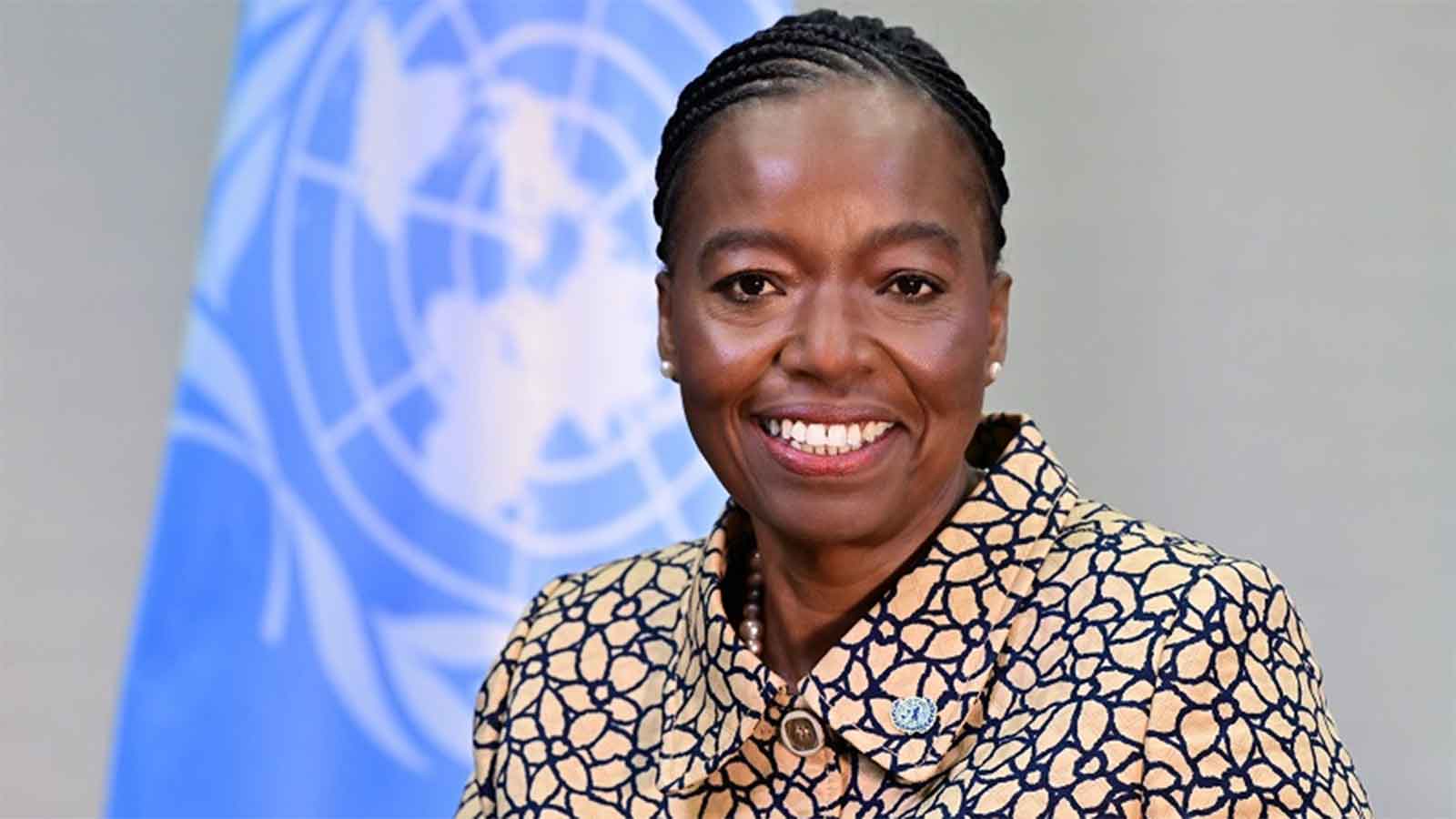
UNODC Executive Director Ms Monica Juma warned that the emergence of increasingly dangerous drugs posed a growing threat to global public health and security.

“We have seen an unprecedented spike in new types of drugs on the market, and worryingly, some are more potent or dangerous than before,” she said.

“And, we are already suffering the impact: millions of premature deaths and healthy years of life needlessly lost; drug trafficking networks that are distorting economies; the destruction of lives, communities and livelihoods; and the compounding of insecurity and violence.”

Ms Juma said governments needed to intensify efforts to dismantle organised crime syndicates.

“The imperative to focus on stopping organised crime groups has never been greater. We must surge deterrence efforts, increase intelligence-sharing and coordinate joint operations, while investing more in prevention and treatment,” she said.

According to the report, illicit drug manufacturers are increasingly producing synthetic substances to evade law enforcement.

It said the number of drug types identified in seizures in 2024 was five times higher than before 2000, while 755 new psychoactive substances were circulating globally, including 118 reported for the first time.

The report also points to a major shift in the global opioid market following Afghanistan’s 2022 ban on opium production, with traffickers increasingly turning to synthetic opioids such as fentanyls, nitazenes and orphines.

UNODC said the transition from plant-based opioids to synthetic alternatives could permanently alter the global opioid market and heighten the risks associated with drug use.

It said methamphetamine had become a global commodity, with new trafficking routes fuelling its spread into Africa, the Near and Middle East and parts of Europe.

Seizures of the drug have been increasing by an average of 12 percent annually, driven largely by East and South-East Asia.

The report further shows that cannabis use has increased by 40 percent over the past decade, while cocaine production has more than quadrupled during the same period to exceed 4 000 tonnes in pure form, with organised crime groups expanding into emerging markets in Africa and Asia.

UNODC said drug use continued to contribute to crime, violence and insecurity, although factors such as poverty, homelessness, poor mental health and inadequate access to treatment and social services also played a significant role and required sustained investment in prevention and rehabilitation programmes.

The post ‘Technology fuels drug abuse globally’ appeared first on Zimbabwe Situation.

All systems go for Zanu PF national Cell Day 

Source: All systems go for Zanu PF national Cell Day – herald Cde Munyaradzi Machacha Joseph Madzimure Zimpapers Politics Hub IT is all systems go for the Zanu PF National Cell Day today, as the revolutionary party embarks on a massive nationwide exercise to consolidate its grassroots support and streamline its internal structures. President Mnangagwa […]

The post All systems go for Zanu PF national Cell Day  appeared first on Zimbabwe Situation.

Source: All systems go for Zanu PF national Cell Day – herald

Joseph Madzimure

Zimpapers Politics Hub

IT is all systems go for the Zanu PF National Cell Day today, as the revolutionary party embarks on a massive nationwide exercise to consolidate its grassroots support and streamline its internal structures.

President Mnangagwa will headline the ruling party’s Cell Day, where millions of Zanu PF members across Zimbabwe will gather for the crucial occasion dedicated to reinforcing the party’s grassroots structures and bringing leadership closer to the people.

Every successful movement is built on a solid foundation, and for Zanu PF, that foundation is the cell.

It is within the cell that communities engage directly with leadership, ideas are exchanged, new members are welcomed and solutions to local challenges begin to take shape. National Cell Day strengthens unity, promotes discipline and ensures that every member understands the party’s policies and developmental agenda.

The event serves as a strategic pillar for the party’s visibility, unity and organisational depth.

By 8am today, millions of party members across Zimbabwe are expected to convene at their designated meeting points to participate in this critical audit and recruitment drive.

In line with party protocol, President Mnangagwa will take his place among the rank and file, listening to his cell chairperson’s address and offering recommendations alongside fellow members.

This underscores the party’s principle that every leader, including members of the Presidium, is first and foremost a member of a cell.

In an interview, Zanu PF Political Commissar Cde Munyaradzi Machacha said all party members from the lower structure to the Presidium will attend the cell and village meetings. A cell consists of 50 members.

He said President Mnangagwa as the First Secretary will lead from the front by attending the National Cell Day at Precabe Farm in Kwekwe together with his family.

“All is set for the big day tomorrow (today). All is going according to plan. We expect all provinces to attend the cell day in their respective cells and villages,” Cde Machacha said.

President Mnangagwa is expected to be at Precabe Farm where he will be addressed by his cell chairman. He will later give advice as the First Secretary of the party.

“The First Family will attend the cell day at their usual assembly point, so we expect all party members to attend,” said Cde Machacha.

He appealed to party members to carry their National Identity Cards to check if their names are captured in the party’s database.

“Members should carry their National IDs and check if their names are captured correctly in the database. We want to ensure our members are accounted for. We expect to see new members attending the meeting,” Cde Machacha said.

He appealed to provincial leaders to mobilise members for the big event and ensure names are captured correctly.

Various Zanu PF provincial leaders said the party’s machinery is well-oiled and ready for today’s activities.

Midlands Zanu PF provincial chair, Cde Edson Chiherenge, said the province is honoured to host the President.

“We expect all our cell chairmen to be at their usual assembly points at exactly 8am as planned. They should be with their cell registers as usual and ensure each and every cell member is in the database of their cell,” he said.

The province, Cde Chiherenge said, boasts of 14 211 party cells.

“Clearly, we are humbled and honoured to be hosting the President during this important day. It shows that he is a servant leader who is hands-on.

“As a province, we expect all members to be present at their usual cell meeting locations. The cell chairpersons will address the meetings to ensure the cell remains intact. The focus will be on verification and integrating new members, particularly those joining from the opposition.”

Harare province Zanu PF Harare provincial Political Commissar Cde Voyage Dambuza said all was in place, with over 11 000 party cell structures and 289 party districts ready for today’s vital meeting.

“All our senior party members must submit to the authority of the cell chairperson. If the cell is healthy, then the entire party structure above it is also healthy. We want genuine, authentic cells. There will be no room for borrowing structures or creating parallel ones,” Cde Dambuza said.

Some of the issues to be discussed at the meetings include a firm commitment to the national leadership trajectory and the continuation of the current development agenda.

Cde Dambuza said Harare province is completely behind the endorsement of Constitutional Amendment No.3 Bill in Parliament.

“We are fully behind the extension of President Mnangagwa’s mandate to go beyond 2028. As far as Harare is concerned, our primary goal is to ensure that President Mnangagwa remains in office until 2030. We also plan to discuss developmental projects within Harare itself,” he said.

Cde Tatenda Mavetera, the Mashonaland East provincial Secretary for Information and Publicity and Minister of ICT, Postal and Courier Services, described the day as a “revolutionary renewal”.

“We must drive Vision 2030 to the grassroots, as the cell is the heartbeat of the party. President Mnangagwa has emphasised that the voice of the people is the voice of God; therefore, we must use this day to align the needs of the people with the national vision,” she said.

Mashonaland West provincial chairperson Cde Marry Mliswa-Chikoka expressed full confidence in the province’s over 10 000 cell structures.

She said the provincial leadership has established robust mechanisms to monitor the programme throughout the day to guarantee resounding success.

Cde Tawanda Mukodza, the Manicaland provincial chairman, highlighted an increase in the number of cell structures, urging leadership to prioritise first-time voters.

The cell remains the most vital unit of the revolutionary party. It consists of 50 members, led by a committee of 21 (seven each from the Main Wing, Women’s League, and Youth League), with 29 general members.

This structure ensures that the party remains a people-centred movement, where development projects and national policies are discussed and understood at the most local level.

The post All systems go for Zanu PF national Cell Day  appeared first on Zimbabwe Situation.