Church leaders who continue asking us to pray for our oppressors are complicit in Zimbabweans’ suffering

Source: Church leaders who continue asking us to pray for our oppressors are complicit in Zimbabweans’ suffering It is tragedy when those expected to bring light become merchants of darkness. Tendai Ruben Mbofana Zimbabwean cleric Pastor Ian Ndlovu recently issued a message calling on Christians to pray for President Emmerson Mnangagwa. If you value my […]

The post Church leaders who continue asking us to pray for our oppressors are complicit in Zimbabweans’ suffering appeared first on Zimbabwe Situation.
Source: Church leaders who continue asking us to pray for our oppressors are complicit in Zimbabweans’ suffering

It is tragedy when those expected to bring light become merchants of darkness.

Tendai Ruben Mbofana

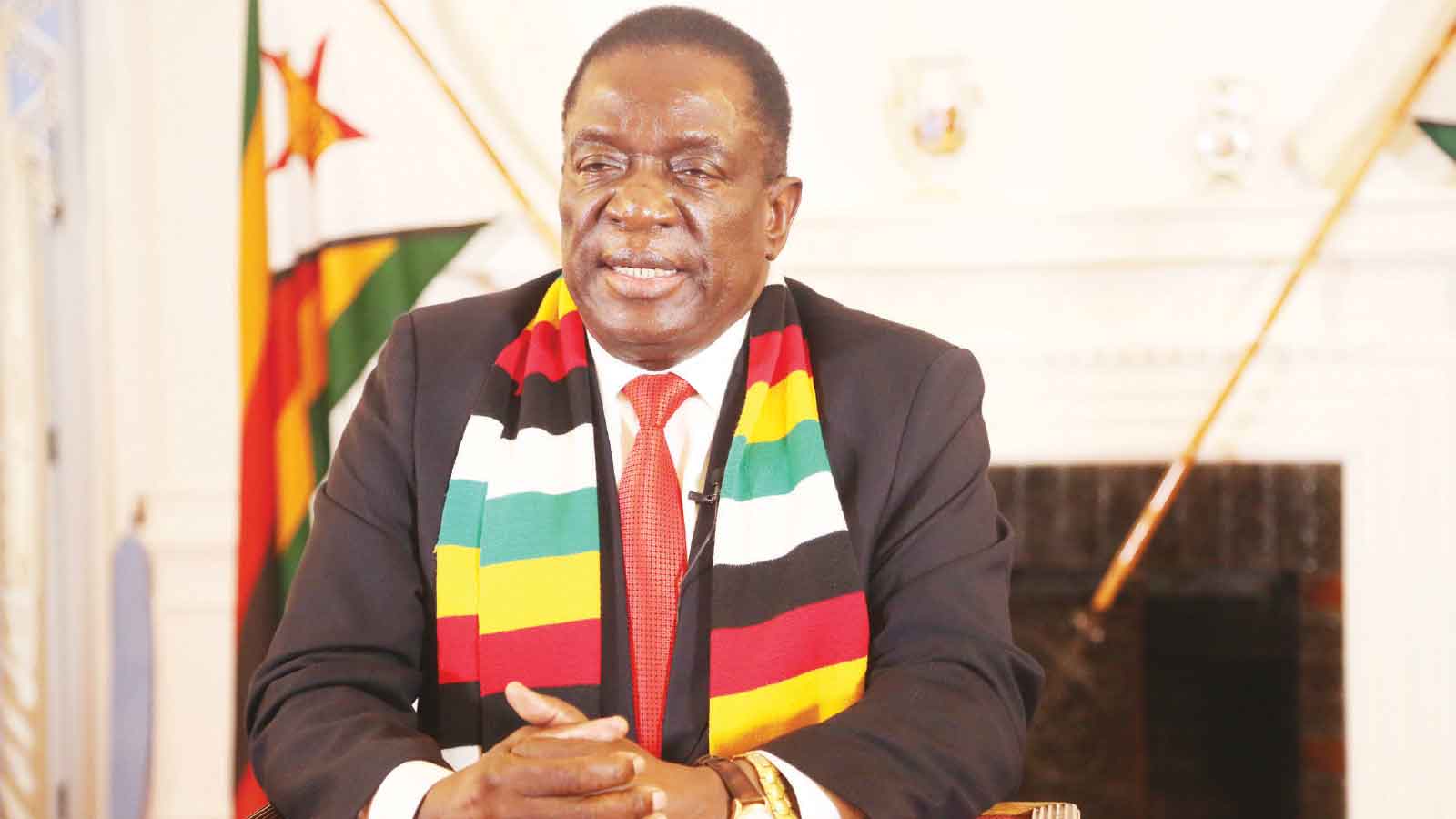
Zimbabwean cleric Pastor Ian Ndlovu recently issued a message calling on Christians to pray for President Emmerson Mnangagwa.

If you value my social justice advocacy and writing, please consider a financial contribution to keep it going. Contact me on WhatsApp: +263 715 667 700 or Email: mbofana.tendairuben73@gmail.com

According to the cleric, the president is about to make a very important decision that will affect the whole country and change the political trajectory of the nation for generations to come.

He insists that the president needs the wisdom of God in the coming days because the decision before him requires a very sober mind.

Yet, this is far from an isolated case of religious sycophancy; it is part of a deeply disturbing and growing phenomenon across the nation’s spiritual landscape.

Only a few days ago, Family of God’s Andrew Wutaunashe and Zion Christian Church’s Nehemiah Mutendi made the exact same startling calls for the nation to pray for our leaders.

While these repetitive calls to prayer may sound deeply spiritual to the undiscerning ear, they reflect a troubling theological trend.

It is time to speak truth to power and to the altar.

Clerics who continue to ask Zimbabweans to pray for the president are complicit in the suffering of the citizens.

Why do we need to continue praying for the wisdom or even protection of leaders who have made our lives miserable, plunged us into unbearable poverty, and caused indescribable suffering?

For how long must we continue to pray for our leaders in 46 years of unfulfilled promises and a leadership that only thinks of itself?

We are forced to endure an elite class that enriches itself through the systematic pillaging of our national resources while desperately holding on to power through brazen repression and the cynical manipulation of the Constitution.

No, we can no longer afford to keep praying for unrepentant leaders who have no interest at all in reforming or listening to God.

If anything, the rulers now see us as fools who keep their heads down and their eyes closed in prayer, while they steal all the wealth the same God gave us.

In fact, these clerics who continue asking us to pray for our leaders are no different from those colonial-era missionaries who played an active part in our subjugation.

They are abusing the Word of God to not only justify our oppression but also keep us docile in the face of glaring injustice.

By turning the pulpit into a shield for state failure, these modern clerics have become entirely complacent in our suffering.

What is even more disturbing is that some of these supposed spiritual leaders have unashamedly received lavish “gifts” and luxury vehicles from politically compromised individuals involved in massive public corruption.

When the altar accepts the spoils of corruption, it loses the moral authority to rebuke the thief.

What we need to do as a prayerful people is to radically shift our focus and pray for God to free us from these repressive, power-hungry, and corrupt leaders.

We cannot keep crying about why God is allowing our suffering to continue—even questioning His presence—when all we do is pray for the preservation of these repressive leaders without ever asking God to liberate us from them.

The scriptures provide a starkly different blueprint for how believers should respond to systemic tyranny.

The Bible demonstrates that our God hears the specific cries for liberation, rather than demands for the comfort of tyrants.

When the Israelites groaned under the brutal bondage and state-sanctioned cruelty of Pharaoh, they did not pray for Pharaoh’s wisdom or political sobriety.

Their cry for freedom went up to God, and He responded by sending plagues to shatter Egypt’s economic and military power, culminating in a miraculous deliverance.

Similarly, during the Era of the Judges, whenever Israel fell under the dominion of oppressive foreign rulers and reached a breaking point, they cried out for relief.

God consistently answered by raising up liberators like Othniel, Ehud, Deborah, and Gideon to completely break the oppressor’s hold.

Even when Solomon’s son, King Rehoboam, arrogantly promised to worsen the economic hardships and forced labor of his people, God did not demand endless patience from the aggrieved citizens.

He orchestrated the fracturing of the kingdom to strip ten tribes away from Rehoboam’s tyrannical control.

Furthermore, the scriptures reveal that God directly punishes corrupt, repressive leaders who abuse absolute power.

When King Ahab and Queen Jezebel subverted the judiciary and used corrupt local elders to execute Naboth just to seize his ancestral vineyard, God did not ask the nation to pray for Ahab’s decision-making.

He sent the prophet Elijah to pronounce a definitive death sentence on the dynasty, which was later executed with devastating precision.

Absolute autocrats like Nebuchadnezzar were driven into madness to live like wild animals for exploiting captured nations.

His successor Belshazzar was weighed in the balances of divine justice and slain the very night his palace wall was marked with judgment.

In the New Testament, when King Herod Agrippa I engaged in high-profile political persecution and accepted blasphemous, sycophantic praise from the crowds without acknowledging a higher moral authority, an angel of the Lord struck him down instantly.

We must stop using prayer as an excuse for spiritual and civic cowardice.

God is ready to act, but He responds to the genuine desire for justice, not the enabling of oppression.

True intercession requires us to stand on the side of the oppressed, demanding that the yoke of bondage be broken.

It is time to stop praying for the comfort of the Pharaohs of our day and start praying for the divine deliverance of the citizens.

The post Church leaders who continue asking us to pray for our oppressors are complicit in Zimbabweans’ suffering appeared first on Zimbabwe Situation.
Political toxicity costs Zim US$200bn: Ziyambi 

Source: Political toxicity costs Zim US$200bn: Ziyambi – herald Minister Ziyambi Ziyambi Farirai Machivenyika Senior Reporter Zimbabwe has lost up to US$200 billion since 2000 due to political toxicity and disputed polls as a result of a short electoral cycle that has seen the country in a constant election mode, Justice, Legal and Parliamentary Affairs […]

The post Political toxicity costs Zim US$200bn: Ziyambi  appeared first on Zimbabwe Situation.
Source: Political toxicity costs Zim US$200bn: Ziyambi – herald

Farirai Machivenyika

Senior Reporter

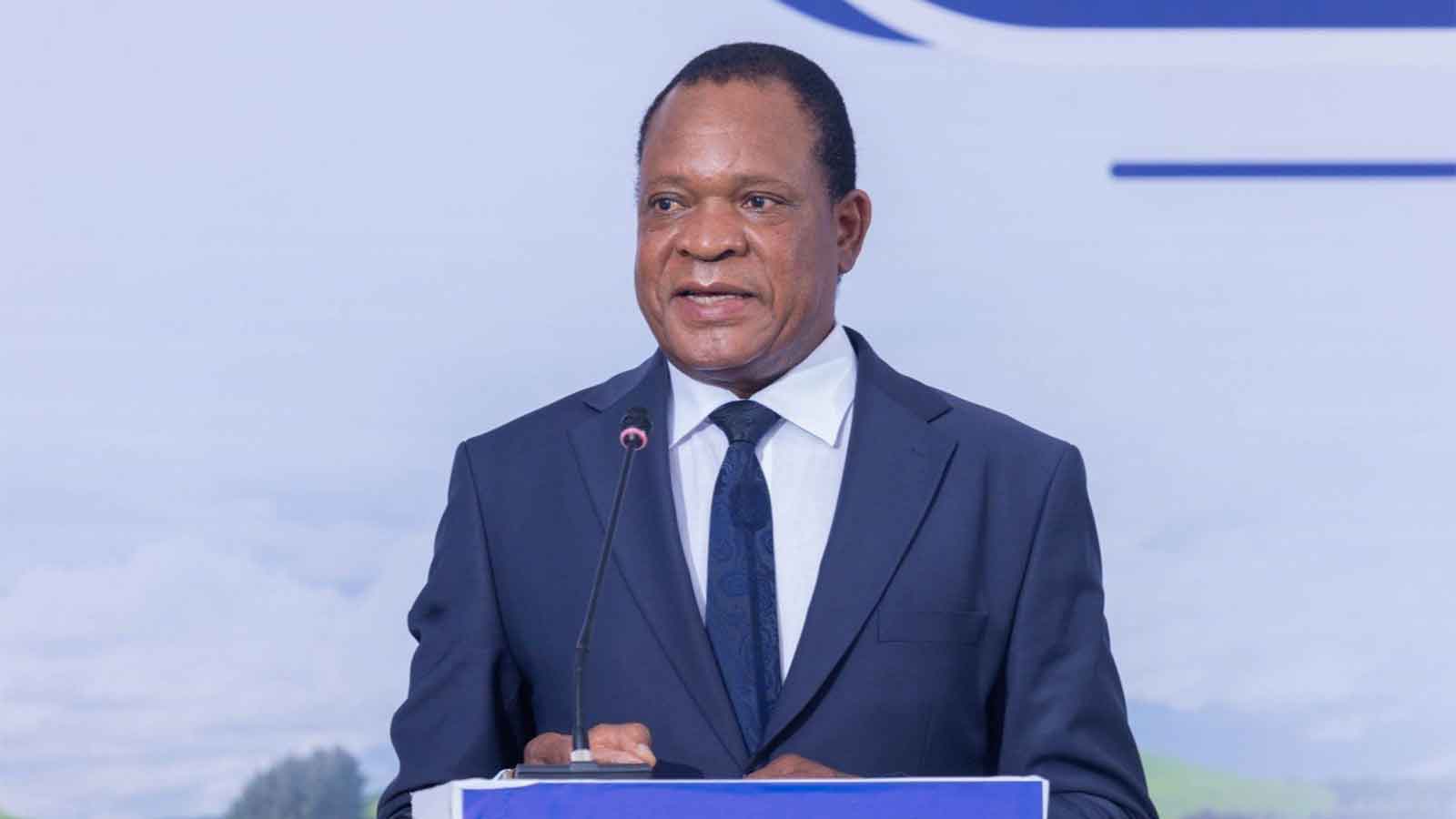
Zimbabwe has lost up to US$200 billion since 2000 due to political toxicity and disputed polls as a result of a short electoral cycle that has seen the country in a constant election mode, Justice, Legal and Parliamentary Affairs Minister Ziyambi Ziyambi told the Senate yesterday.

Minister Ziyambi said this while presenting his Second Reading speech of the Constitutional Amendment No. 3 Bill to the Senate.

The five-year electoral cycle was adopted in 2008 to harmonise the parliamentary, presidential and local authorities’ elections, and the Minister said the move has failed to address some of the issues it was meant to resolve.

“That five-year cycle, useful as the harmonisation was, has proved too short for the work of building and developing the nation, and so what this Bill proposes is the correction of a correction.

“The power that shortened that electoral cycle then is the power that lengthens it now. These two routes that I have outlined, Madam President, the divisive method of electing the President and the restless electoral cycle within which we have done that, do not stand apart.

“They reinforce one another to the detriment of the national interest in general and the development of the country in particular. That is the mischief which Parliament has a constitutional duty to remedy,” Minister Ziyambi said.

He added that there were five faces of one structural ailment, and each electoral cycle has deepened them.

“The first, Madam President, is the perennially disputed presidential election. Every contest for the highest office this nation has held since the turn of the century in 2000, 2002, 2008, 2013, 2018 and 2023 has been trailed by allegations of political violence, allegations of rigging and of lack of transparency, eroding public trust in the result and the standing of the nation in the eyes of those who would invest in it. This is not my characterisation.

“It is documented in the election observer reports of the African Union, of SADC, of the Commonwealth, which have tied these electoral disputes to economic sanctions against our country and to investment flight estimated by some accounts at between US$50 billion and US$70 billion in opportunities lost across those years.

“The second is the paralysis of governing that a permanent campaign produces. Our short five-year term traps those in office in a continuous election mode, delaying and derailing long-term programmes a developing nation depends upon, our national development strategies and our Vision 2030 among them.

“The Commonwealth and SADC reporting across the years have identified post-election polarisation as a major brake on development and estimated, in some analyses, at a further US$30 billion to US$40 billion in foregone productivity,” he said.

Minister Ziyambi said the third affliction was the corruption that instability breeds, where political survival is in perpetual question and weakens accountability, while the conditions in which graft flourishes are renewed with every cycle.

“In 2023, Transparency International estimated that corruption costs Zimbabwe between US$1 billion and US$2 billion every year that passes, and local election monitors have documented the predictable spikes in irregular tenders that accompany every poll. The fourth, Madam President, is the politicisation of a public service that should be neutral, professional and continuous.

“A service disrupted by the turbulence of perpetual contest cannot serve the citizen who simply needs the State to work, and the Election Resource Centre has put the resulting losses in productivity at some US$600 million a year.

“The fifth and last, Madam President, is the polarisation of our society, asked again and again to divide itself against itself, with unrest and the emigration that division carries in its wake,” he said.

“It is traceable and well documented that the cumulative cost to this nation has been estimated conservatively at between US$150 billion and US$200 billion in lost output, productivity and human capital and, Madam President, we are neither alone in this affliction nor the first to act against these afflictions linked to the direct election of the president,” Minister Ziyambi said.

He said Zimbabwe was not alone on the continent in extending its election cycle, with Guinea lengthening the term of office of its president from five years to seven in September last year and adding an upper chamber to its Parliament.

Minister Ziyambi dismissed assertions in some quarters that the Bill sought to extend the term limit of the President, saying this was not the case, as it was extending the electoral cycle while the two-term limit remains untouched.

He said for those reasons, there was no need for a referendum, as the amendments being made did not require a referendum.

The post Political toxicity costs Zim US$200bn: Ziyambi  appeared first on Zimbabwe Situation.

4 veterans declared heroes posthumously

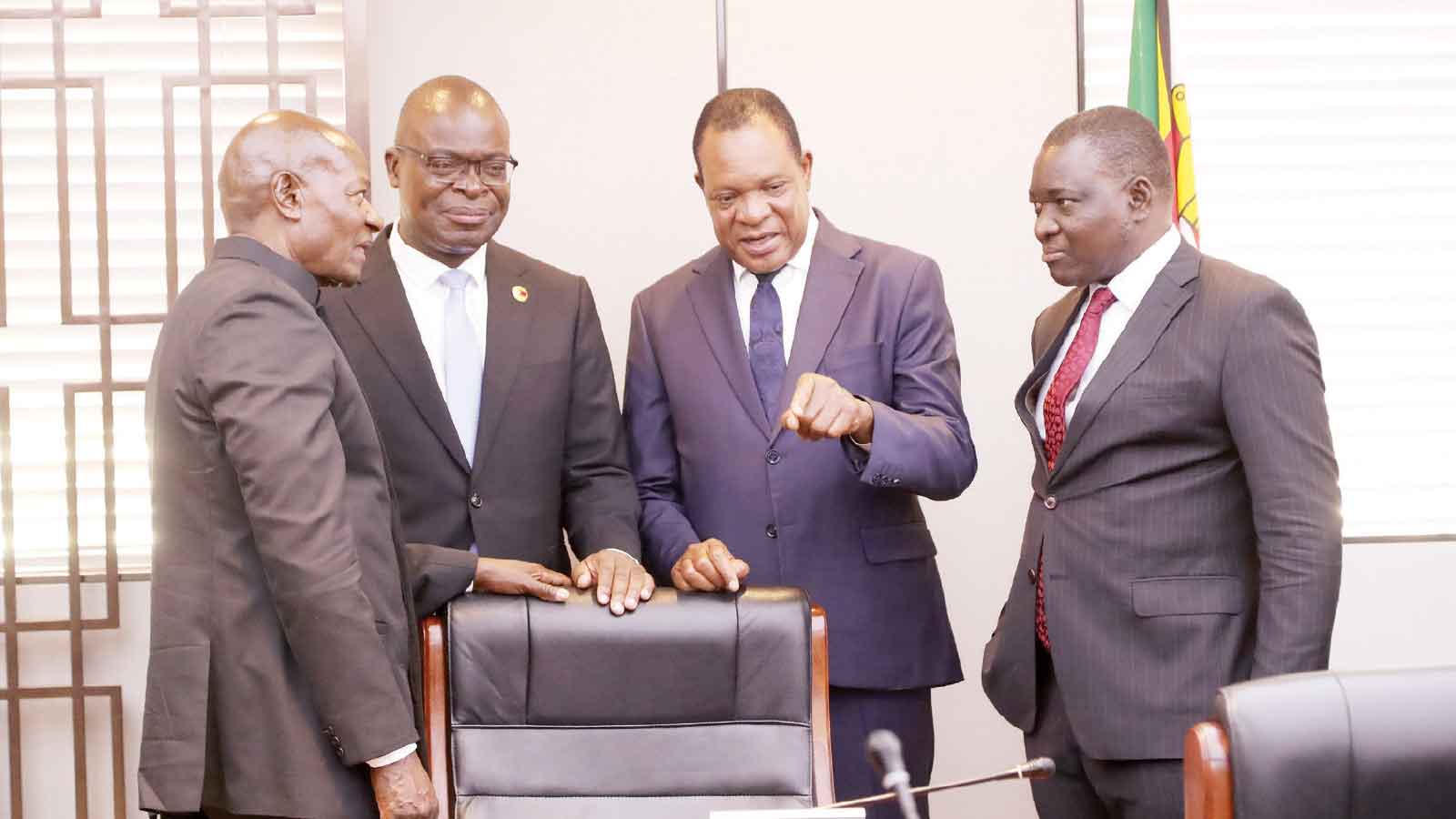
Source: 4 veterans declared heroes posthumously – herald Information, Publicity and Broadcasting Services Minister Dr Zhemu Soda (right), Agriculture, Mechanisation and Water Resources Development Minister Dr Anxious Masuka (second right), Foreign Affairs and International Trade Minister Professor Amon Murwira (second left) and Local Government and Public Works Minister Daniel Garwe (left) converse after yesterday’s post-Cabinet […]

The post 4 veterans declared heroes posthumously appeared first on Zimbabwe Situation.

Source: 4 veterans declared heroes posthumously – herald

Mukudzei Chingwere

Senior Reporter

FOUR liberation war stalwarts, Petros Khumalo, Shumirai Wekwete, Joseph Zethi Dube and Herbert Zaba Sambo have been declared national heroes posthumously ahead of this year’s heroes’ commemorations, Information, Publicity and Broadcasting Services Minister Dr Zhemu Soda has said.

Addressing yesterday’s post-Cabinet media briefing, Dr Soda said the 2026 Heroes Day Commemorations will be held on Monday, August 10, under the theme; “Lest We Forget”.

The main event will be held at the National Heroes Acre.

He said the Government had completed updating the names of all national heroes and heroines, which currently stands at 254, including the four whose posthumous declarations were announced following Cabinet deliberations.

“As part of the 2026 commemorations, the Ministry of Home Affairs and Cultural Heritage has embarked on Phase 2 of the rehabilitation of Zimbabwe Liberation War heritage sites in Mozambique and Zambia,” said Dr Soda.

“Under this phase, the ministry is focusing on four sites in Mozambique (Tembue, Nyangao, Doroi and Chicualacuala) and the completion of six sites in Zambia (Freedom Camp, Nampundwe, Mkushi, Mlungushi, Kavalamanja and St Mary’s Kabwe).

“The ministry also envisages starting works on the Boma site in Angola, where a cenotaph with a roll of honour will be constructed, as well as the construction of a mass grave, ablution facilities and fencing of the site,” said Dr Soda.

He informed the nation that preparations for the 2026 Zimbabwe Defence Forces Day celebrations are underway, with the event scheduled for August 11 at Rufaro Stadium.

The theme for the celebrations will be: “ZDF: Guaranteeing Peace and Stability for the Attainment of Vision 2030.”

Key highlights, Minister Soda said, will include the ZDF Community Assistance Week, the Address by His Excellency the President, the Military Parade, Military Displays, Entertainment by Civilian Groups and ZDF Sports Day.

He said the President’s address to the nation will be the major highlight of the celebrations.

The ZDF Community Assistance Week, he said, will be held from 27 to 31 July 2026, and will culminate in the handover of completed projects constructed by the Zimbabwe Defence Forces in collaboration with partners to beneficiaries.

“Regarding the 2026 Zimbabwe Defence Forces Day Celebrations, the nation is informed that preparations for the event, which is set to be held at Rufaro Stadium, are underway. The event will be held on August 11, 2026,” said Minister Soda.

“The Address to the nation by His Excellency the President and Commander-in-Chief of the Zimbabwe Defence Forces will be the major highlight of the Celebrations.

“The ZDF Community Assistance Week is the prelude to the 2026 ZDF Day Celebrations and will be carried out from 27 to 31 July 2026.

“During this period, completed projects constructed by the Zimbabwe Defence Forces, working together with partners, will be handed over to beneficiaries,” said Dr Soda.

The post 4 veterans declared heroes posthumously appeared first on Zimbabwe Situation.

HE headlines national disability expo in Masvingo

Source: HE headlines national disability expo in Masvingo – herald President Mnangagwa Mukudzei Chingwere Senior Reporter PRESIDENT Mnangagwa is scheduled to lead the Zimbabwe National Disability Expo 2026 slated for Mucheke Stadium in Masvingo from tomorrow to Friday, Information, Publicity and Broadcasting Services Minister Dr Zhemu Soda has said. Addressing yesterday’s post-Cabinet media briefing, Minister […]

The post HE headlines national disability expo in Masvingo appeared first on Zimbabwe Situation.

Source: HE headlines national disability expo in Masvingo – herald

Mukudzei Chingwere

Senior Reporter

PRESIDENT Mnangagwa is scheduled to lead the Zimbabwe National Disability Expo 2026 slated for Mucheke Stadium in Masvingo from tomorrow to Friday, Information, Publicity and Broadcasting Services Minister Dr Zhemu Soda has said.

Addressing yesterday’s post-Cabinet media briefing, Minister Soda said the expo will be held under the theme: “Embracing Disability Inclusion in all Sectors: A Master Stroke for National Prosperity and Economic Development.”

Zimbabwe National Disability Expos, he said, are the Government’s initiatives aimed at empowering persons with disabilities.

“His Excellency the President, Cde Dr E.D Mnangagwa, will be the Guest of Honour and officiate at the Expo on 26 June, 2026. Preparations for the event are well on course,” said Minister Soda.

“The expos provide a forum for persons with disabilities, ministries, departments and agencies, civil society organisations, communities and organisations of persons with disabilities to showcase the inherent abilities of persons with disabilities.

“The expo recognises the participation of persons with disabilities by supporting them to spearhead the decision-making process and organisation of the shows.

“The hosting of the Expos rotates in the country’s 10 provinces, thereby permitting disability inclusion and empowerment initiatives to be taken to lower levels and allowing communities to be the drivers and owners of inclusivity in their respective areas.

“In the spirit of inclusivity and empowerment, 70 per cent of the entertainment at the expos is provided by persons with disabilities,” said Minister Soda.

He said that at Mucheke Stadium, a disability inclusion ablution block was constructed and volleyball, tennis and basketball courts refurbished, in line with the principle of universal design to enhance accessibility for everyone.

Minister Soda said 500 exhibitors are expected to attend, with 438 already having paid exhibition fees.

“The Expo will be segmented, with exhibitions running concurrently with planned side events during planned side events during the three days,” said Minister Soda.

Minister Soda said 500 exhibitors are expected to attend, with 438 already having paid exhibition fees.

“The Expo will be segmented, with exhibitions running concurrently with planned side events during the three days,” said Minister Soda.

“The Expo will carry an international flavour, with a total of 24 exhibitors from eight countries, namely India, Eswatini, Uganda, Kenya, Tanzania, South Africa, Rwanda and Zambia having confirmed attendance.

“The international exhibitors will showcase their abilities and best practices while they benchmark the progress milestones for Zimbabwe, and vice versa.

“The Guest of Honour, as per tradition, will empower persons with disabilities through donations.

“This year, the donations comprise pigs and goats; residential stands to be allocated to persons with disabilities drawn from all local authorities in Masvingo Province; a commercial stand in Masvingo City; hammer mills for small-scale miners with disabilities; water pumps for household and mining use; and solar panels, among others,” said Minister Soda.

He said the Ministry of Agriculture, Mechanisation and Water Resources Development has already established Village Business Units at Jairos Jiri Centre, Copota School of the Blind, Henry Murray School and Mukume School in Mwenezi.

The minister said the nation was enjoined to note that Masvingo Province has been a trailblazer in disability rehabilitation and empowerment.

“The late Jairos Jiri, who originated from Masvingo, was a towering figure in supporting rehabilitation of persons with disabilities across the country, and left a legacy in Masvingo and the country at large which needs to be remembered and sustained,” said Minister Soda.

“It is also important to note that Masvingo has had several institutions for the rehabilitation of persons with disabilities since the colonial era.

“These include Ngomahuru Psychiatric Hospital, Henry Murray School for the Deaf, Copota School for the Blind, Jairos Jiri Training Centre in Mucheke, and Mukume Primary School in Mwenezi.”

The post HE headlines national disability expo in Masvingo appeared first on Zimbabwe Situation.

GMB to set up 1 800 collection points and 89 depots

Source: GMB to set up 1 800 collection points and 89 depots – herald Dr Anxious Masuka Raymond Jaravaza, ray.jaravaza@chronicle.co.zw THE Grain Marketing Board (GMB) will set up 1 804 collection points and 89 depots for a convenient and cost-effective mechanism that will allow farmers to timeously deliver maize and traditional grains for a successful 2025/2026 […]

The post GMB to set up 1 800 collection points and 89 depots appeared first on Zimbabwe Situation.

Source: GMB to set up 1 800 collection points and 89 depots – herald

Raymond Jaravaza, ray.jaravaza@chronicle.co.zw

THE Grain Marketing Board (GMB) will set up 1 804 collection points and 89 depots for a convenient and cost-effective mechanism that will allow farmers to timeously deliver maize and traditional grains for a successful 2025/2026 summer crops marketing season.

Minister of Agriculture, Mechanisation and Water Resources Development, Honourable Dr Anxious Masuka, in his update of the 2025/2026 Summer Crops Marketing and 2026 Winter Crops Production Plan to Cabinet on Tuesday, said GMB has grain stocks of 169 946 metric tonnes of maize, traditional grains and wheat.

Farmers, service providers and transporters will now be paid timeously paid, noted Dr Masuka.

“ The proposed marketing arrangements notes that there are five categories of farmers namely farmers financed under the climate proofed Presidential Input Scheme (Pfumvudza/Intwasa), self-financed farmers, those supported by AFC and CBZ financial institutions, farmers financed by private contractors and farmers financed by ARDA.

“During the 2025/2026 marketing season, GMB has received 40 693.28 metric tonnes of grain from ARDA and substantial intake from communal farmers for the strategic grain reserve. GMB also plans to aggregate grain from farmers through its 1 804 collection points and 89 depots,” said Dr Masuka.

Meanwhile 330.6 million kilogrammes of tobacco have been sold at an average price of US$2.50 per kilogramme.

“This is an 11 percent increase in volume and 25 percent in average price compared to the previous season, where 299.2 million kilogrammes were sold at an average price of US$3.36 per kg. Auction tobacco prices in 2026 have shown gradual recovery despite periods of mid-season volatility.

“Average auction prices increased from around US$1.60 per kg at the start of the season to approximately US$2.54 per on day 71 of the tobacco marketing season, reflecting improved market performance in recent weeks.

As of last week, 5 079 907 kilogrammes of cotton had been marketed compared to 310 625 kilogrammes during the same period last year.

The post GMB to set up 1 800 collection points and 89 depots appeared first on Zimbabwe Situation.