RBZ policy rate cut: Will banks lower lending rates?

Source: RBZ policy rate cut: Will banks lower lending rates? – herald Tapiwanashe Mangwiro BANKS are expected to gradually reduce ZiG lending rates following the Reserve Bank of Zimbabwe’s decision to lower the Bank Policy Rate by 5 percentage points, a move aimed at aligning monetary policy with significantly improved inflation dynamics. The cost of […]

The post RBZ policy rate cut: Will banks lower lending rates? appeared first on Zimbabwe Situation.

Source: RBZ policy rate cut: Will banks lower lending rates? – herald

Tapiwanashe Mangwiro

BANKS are expected to gradually reduce ZiG lending rates following the Reserve Bank of Zimbabwe’s decision to lower the Bank Policy Rate by 5 percentage points, a move aimed at aligning monetary policy with significantly improved inflation dynamics.

The cost of lending in Zimbabwe has been relatively high, guided by the central bank’s bank policy rate, as the country sought to reduce and maintain low inflation, which had troubled Zimbabwe since the turn of the century.

But there have been growing calls to lower lending rates in line with the sharp drop in inflation to record lows, following the introduction of the ZiG currency in April 2024, amid a tight monetary policy stance.

Last week, the RBZ reduced the benchmark rate from 35 percent to 30 percent, marking the first interest rate cut since the introduction of the ZiG currency in April 2024.

The Monetary Policy Committee (MPC) said the decision followed a sustained decline in inflation, which has remained below five percent since January this year.

Annual inflation stood at 4,4 percent in May, down from 4,8 percent in April, a sharp decline from the peak of 95,8 percent recorded in July 2025.

The policy rate serves as a benchmark for the cost of credit in the economy and influences the rates charged by commercial banks on loans.

Responding to questions on whether banks would now reduce interest rates for borrowers, RBZ Governor Dr John Mushayavanhu said the impact would depend on the nature of individual loan agreements.

“That question is for the banks to answer. Remember, there are various types of loan contracts,” he said.

“Some borrowers may have borrowed on fixed interest rate contracts, while some may have borrowed on floating rate contracts where the interest rate is based on the lending bank’s minimum lending rate plus a margin.

“Under this scenario, the effective rate will automatically reduce when the bank reviews its minimum lending rate downwards.”

The Governor emphasised that the MPC’s decision should not be interpreted as a shift towards an accommodative monetary policy stance.

“The MPC’s decision to reduce the Bank Policy Rate does not entail easing monetary policy at this stage, but a realignment of the policy rate to the structural shift in inflation dynamics,” he said in the committee’s post-meeting statement.

Bankers Association of Zimbabwe (BAZ) chief executive officer Mr Fanwell Mutogo said the reduction in the policy rate would ultimately lower borrowing costs, although the timing and extent of adjustments would vary across institutions.

“The Reserve Bank of Zimbabwe’s decision to cut the Bank Policy Rate from 35 percent to 30 percent reduces the benchmark cost of credit across the banking sector,” said Mr Mutogo.

“While existing loan interest rates are typically adjusted downward as a result, the immediate impact depends heavily on the specific loan agreement.”

He noted that most loans in the banking sector are based on variable interest rates and are therefore likely to benefit from the policy adjustment.

“The vast majority of bank loans are variable. For these borrowers, banks will adjust their prime lending rates downward in tandem with the RBZ’s cut,” he said.

“The monthly interest charges will be recalculated, resulting in lower monthly repayments.”

However, Mr Mutogo said borrowers on fixed-rate contracts would not immediately benefit from the latest policy adjustment.

“If one signed a fixed-rate contract, their interest rate is legally locked for the duration of the loan. The repayments will remain exactly the same,” he said.

Analysts say lower lending rates could improve access to credit for businesses and households, supporting economic activity while preserving the gains made in stabilising inflation and the ZiG currency.

The post RBZ policy rate cut: Will banks lower lending rates? appeared first on Zimbabwe Situation.
Chinese investments surpass US$4,4bn

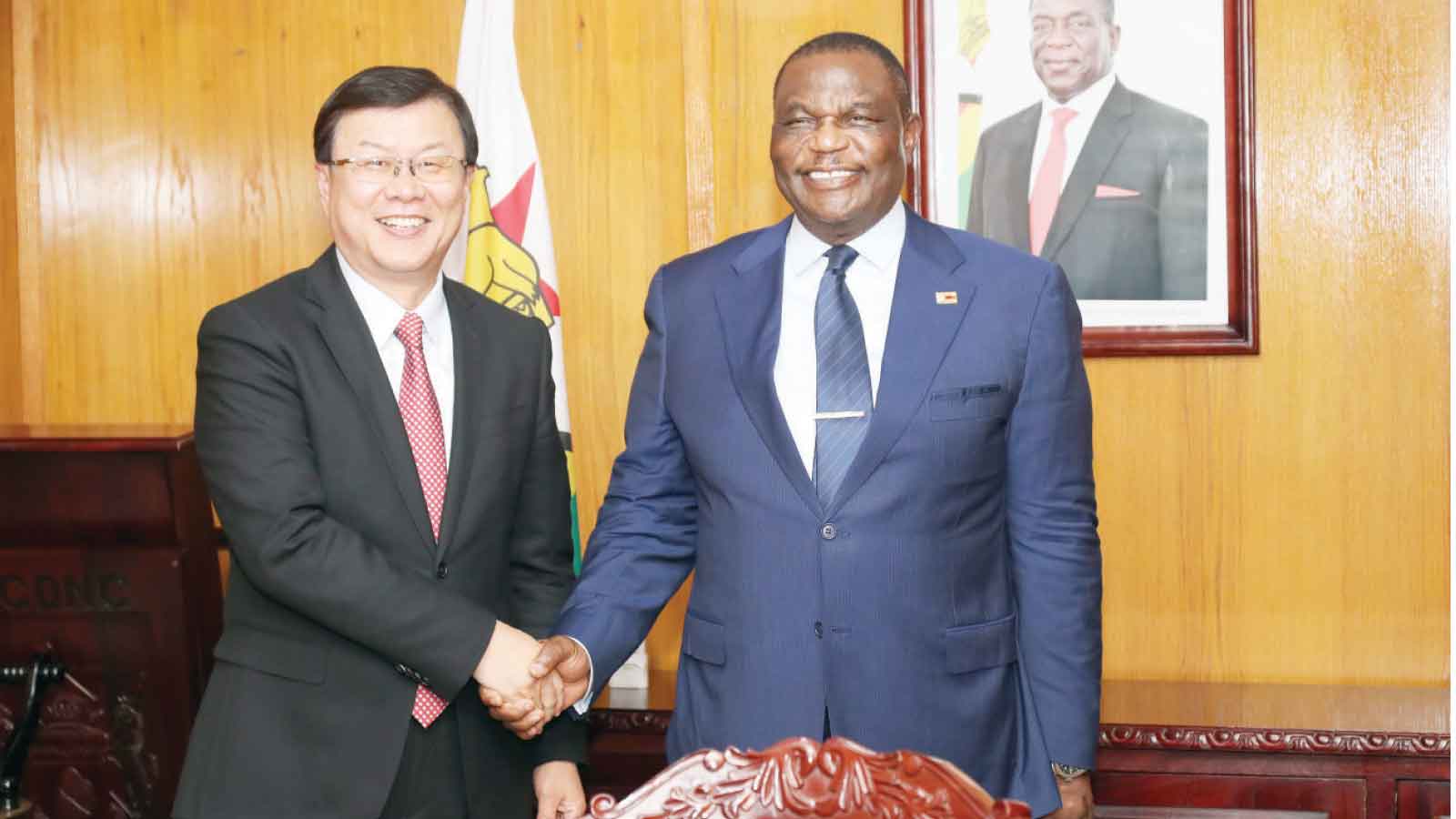
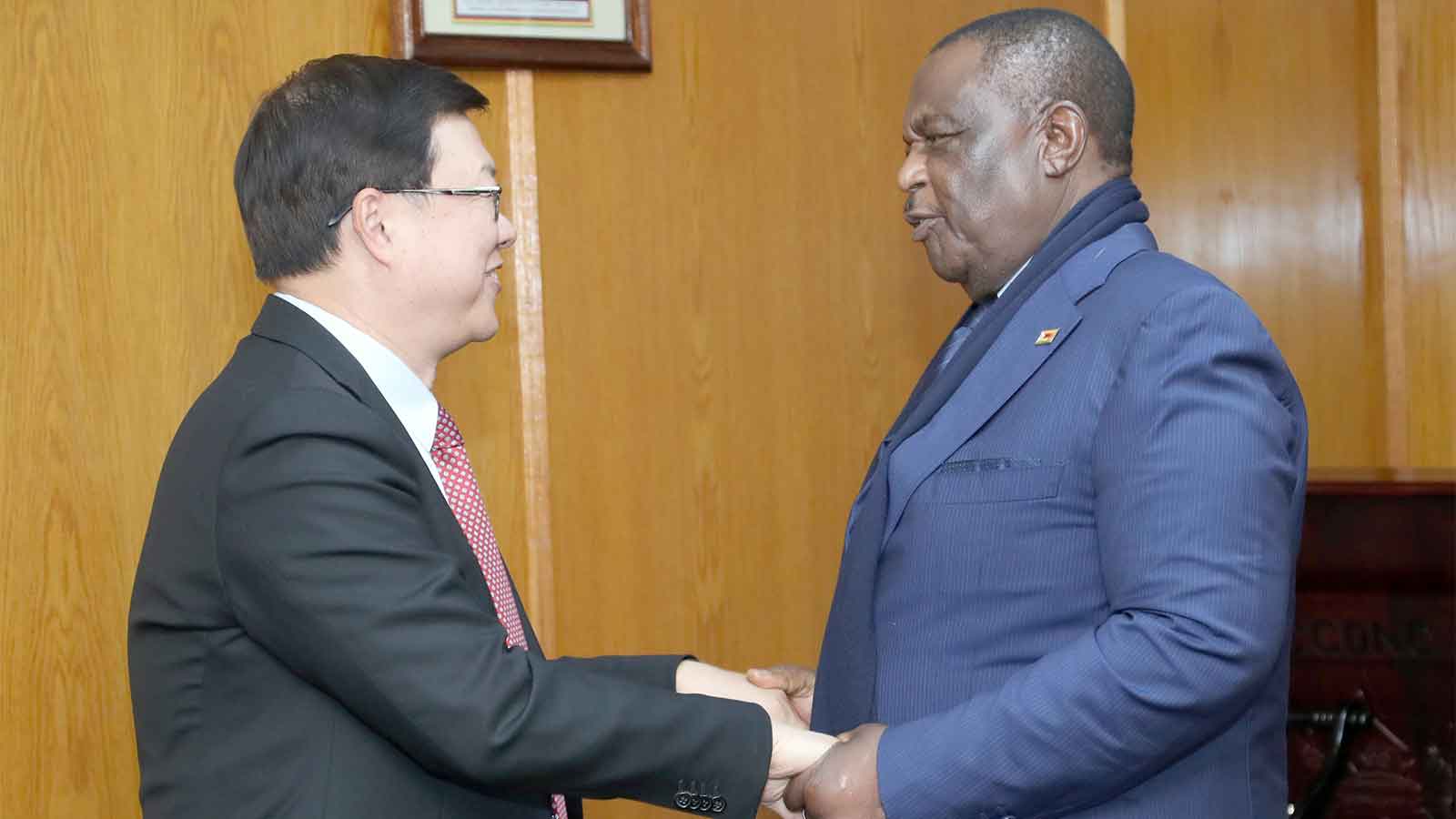
Source: Chinese investments surpass US$4,4bn – herald Vice President Dr Constantino Chiwenga welcomes Chinese Ambassador to Zimbabwe, Zhou Ding who paid a courtesy call at his office in Harare yesterday. – Picture: Joseph Manditswara Mukudzei Chingwere Senior Reporter CHINA has praised Zimbabwe’s attractive business environment that is transparent, fair and predictable for investors. Chinese Ambassador […]

The post Chinese investments surpass US$4,4bn appeared first on Zimbabwe Situation.
Source: Chinese investments surpass US$4,4bn – herald

Mukudzei Chingwere

Senior Reporter

CHINA has praised Zimbabwe’s attractive business environment that is transparent, fair and predictable for investors.

Chinese Ambassador Zhou Ding made these remarks yesterday after paying a courtesy call on Vice President Dr Constantino Chiwenga at his offices in Harare.

The meeting took note that Chinese investment in Zimbabwe has surpassed US$4,4 billion, supporting over one million jobs locally.

Zimbabwe, meanwhile, reaffirmed that investments across sectors should be tailored to benefit ordinary people, reflecting the Government’s push for fair business practices and accountable delivery of value from investors.

The meeting comes at a time when Zimbabwe is working to improve the environment for both domestic and foreign investors.

At the same time, Zimbabwe’s emphasis on investments benefiting ordinary people reflects a broader expectation across the country that foreign capital should translate into jobs, productivity and household-level improvements, rather than remaining limited to corporate profits alone.

“I am deeply honoured to have paid a visit to Honourable Vice President Chiwenga. We had a wonderful discussion on how to improve our bilateral relations, we covered a wide range of areas,” said Ambassador Zhou.

“We talked about trade and economic relations. We are very happy that in the past years we have achieved a record high of US$4,4 billion; we are also happy that the Chinese investment here in Zimbabwe is growing steadily, covering areas from steel, manufacturing, cement, fertiliser, to solar hydropower”.

Chinese investments, he said, had sustained more than one million jobs in Zimbabwe and Beijing was very proud of joint achievements by the two countries.

“Zimbabwe is a land of hope, a land of promise and we hope that Zimbabwe will continue to maintain this attractiveness in terms of its business environment,” said Ambassador Zhou.

He said China is willing to work with Zimbabwe to advance the country’s technology and energy agenda, including through the use of artificial intelligence.

The two countries are expected to discuss practical ways of improving AI deployment and building capacity for the technology’s application across priority sectors.

China also indicated interest in collaborating with Zimbabwe on new energy initiatives, outlining a shared intention to strengthen cooperation in areas that can support economic development, innovation and long-term sustainable growth.

“In future, we talked about how to strengthen our relations economically, culturally, educationally, and in the new energy area. We also talked about how to utilise AI technology,” said Ambassador Zhou.

“We talked about how to enhance Zimbabwe’s digital infrastructure. Those are the areas we will focus on and also, we talked about how to attract more business delegations, and how to maximise Zimbabwe’s business environment.”

The post Chinese investments surpass US$4,4bn appeared first on Zimbabwe Situation.
‘Zim, Moza must share intel on drug trafficking’

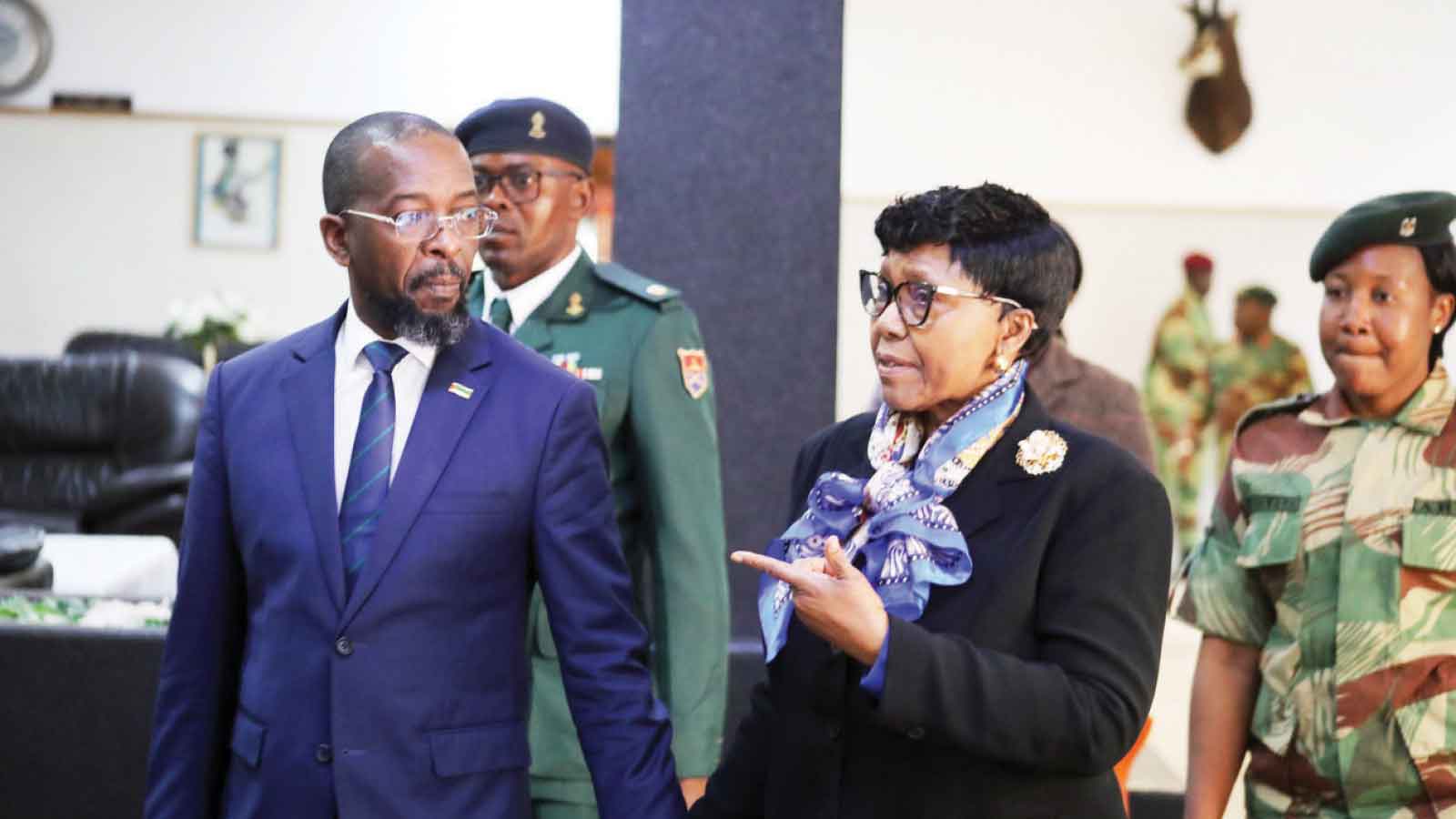
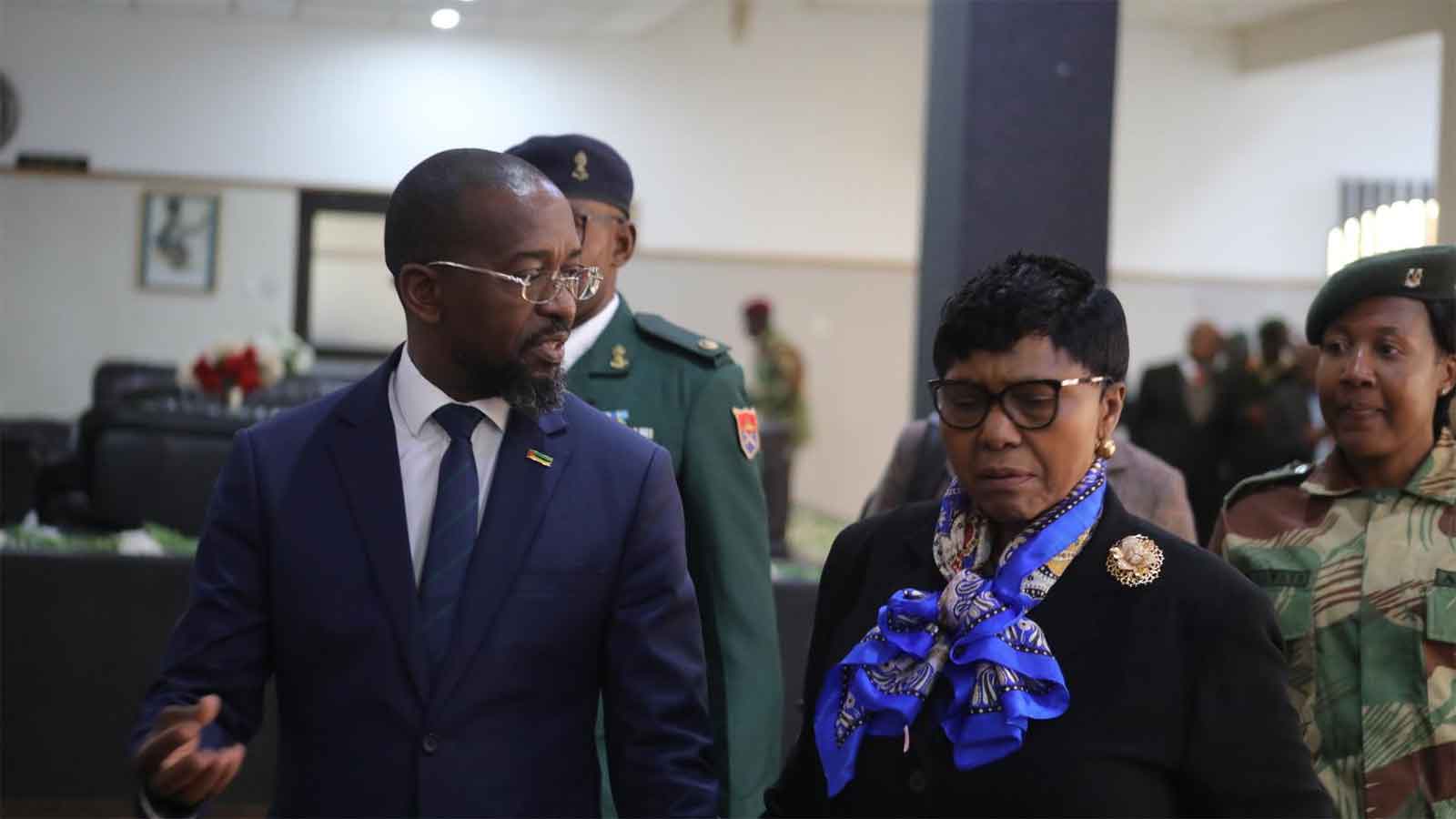
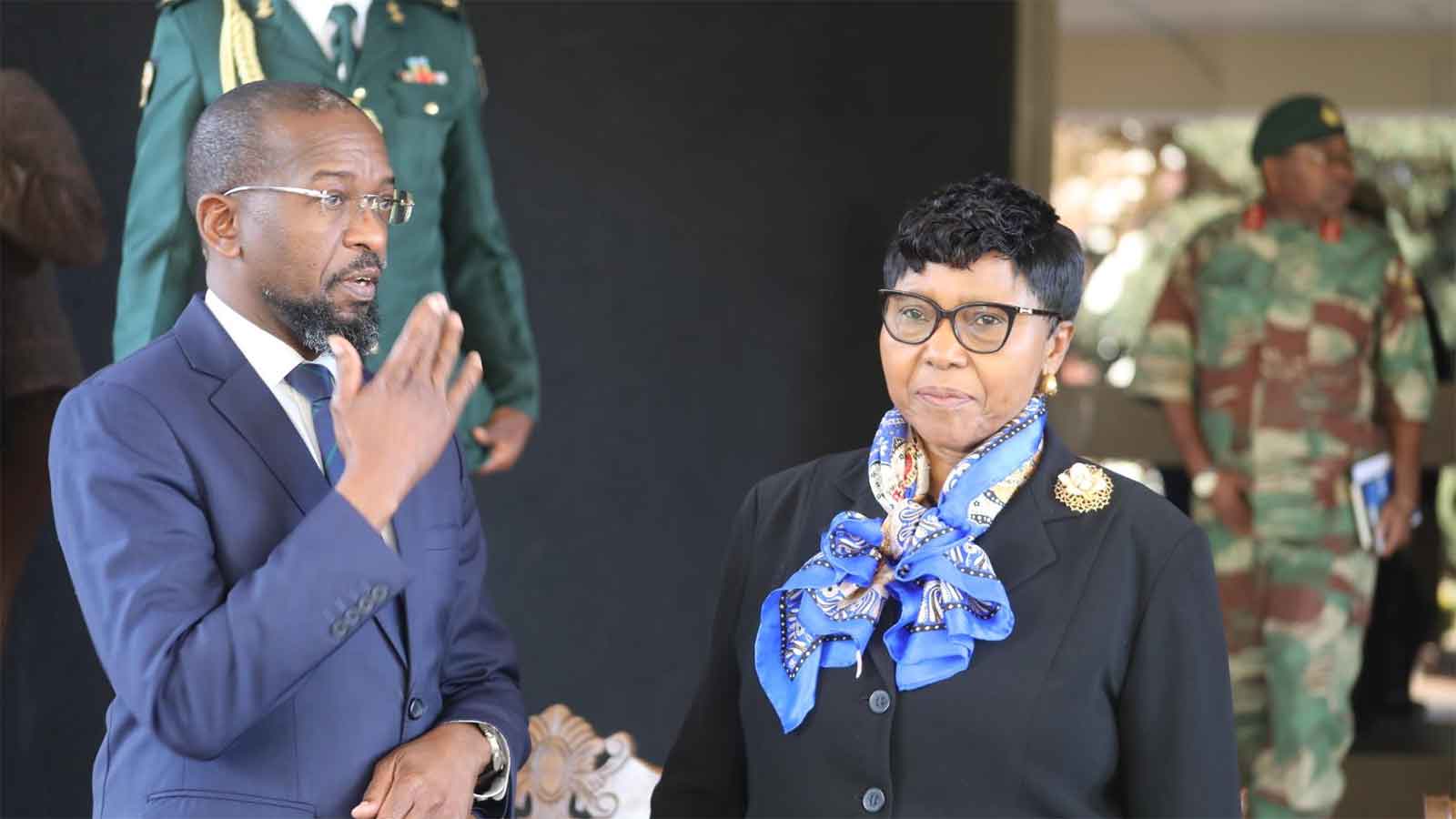
Source: ‘Zim, Moza must share intel on drug trafficking’ – herald Defence Minister Oppah Muchinguri-Kashiri converses with Mozambique Minister of National Defence Critovao Chume who is on a working visit to Zimbabwe yesterday. – Picture: Tawanda Bote Remember Deketeke Herald Correspondent ZIMBABWE and Mozambique must strengthen intelligence sharing and security co-operation to combat the growing […]

The post ‘Zim, Moza must share intel on drug trafficking’ appeared first on Zimbabwe Situation.
Source: ‘Zim, Moza must share intel on drug trafficking’ – herald

Remember Deketeke

Herald Correspondent

ZIMBABWE and Mozambique must strengthen intelligence sharing and security co-operation to combat the growing threat of drug trafficking and other transnational crimes affecting the region, Defence Minister Oppah Muchinguri-Kashiri has said.

Speaking during a courtesy call by Mozambique’s Minister of National Defence, Cristovao Chume, who is on a working visit to Zimbabwe, in Harare yesterday, Minister Muchinguri-Kashiri said the two neighbouring countries share a long history of solidarity and must continue working together to safeguard regional peace and security.

She said the increasing movement of illicit drugs across borders posed a serious challenge that required closer collaboration.

“We know that drugs are now affecting our region. Either they are coming from Mozambique or maybe they are coming from Zimbabwe into Mozambique. It is important to share that critical information. We need to protect our territory, our integrity, our sovereignty and our independence.”

Minister Muchinguri-Kashiri is also the chairperson of the National Committee on Drugs and Substance Abuse.

She said criminal syndicates involved in drug trafficking were increasingly exploiting porous borders, regional transport corridors and advances in technology to move illicit substances across countries.

Minister Muchinguri-Kashiri said the growing drug menace was no longer merely a law-enforcement issue, but a national security concern requiring co-ordinated responses from defence and security institutions.

“Drug trafficking is one of the emerging threats that requires us to work together more closely. Criminals do not respect national borders, which is why intelligence sharing between our two countries is critical,” she said.

The Minister noted that the movement of illicit drugs across borders was fuelling substance abuse among young people, contributing to crime and placing additional pressure on health and social welfare systems.

Zimbabwe has, in recent years, intensified its fight against drug and substance abuse through a Whole-of-Government approach, with authorities identifying drug trafficking as one of the major drivers of addiction among youths.

Minister Muchinguri-Kashiri revealed that both countries had agreed to review a defence co-operation agreement signed in 2006, saying it had outlived its usefulness in light of emerging security threats and changing global dynamics.

“We both agreed that the 2006 agreements that we made between our two defence forces have outlived their usefulness,” she said.

“It is, therefore, important to establish an opportunity to review them, given the current world order and the new threats that we are experiencing within the region, as a continent and internationally.”

Minister Muchinguri-Kashiri said the review would take into account developments such as terrorism, organised crime, cyber threats and advancements in military technology.

She stressed the need for closer collaboration in addressing security challenges affecting Mozambique, particularly in Cabo Delgado Province.

“We know the challenges that Mozambique still experiences in Cabo Delgado and it is important that we exchange intelligence information,” she said. “When Mozambique is under attack, it is an attack on Zimbabwe. We rely on Mozambique. The peace and security prevailing in Mozambique guarantees Zimbabwe a lifeline for our trade, imports and exports.”

Minister Chume said the two countries discussed key areas of cooperation, including military training, capacity building and the exchange of expertise between their defence forces.

“During our visit, we discussed areas of cooperation, in particular training, capacity building and exchange of experience, apart from other areas that we consider strategic for the security of our countries,” he said.

Minister Chume said the relationship between Zimbabwe and Mozambique that was forged during the struggle for independence remained vital in addressing contemporary security challenges.

“As you know, Mozambique and Zimbabwe have been cooperating since the liberation struggle. We fought together both here in Zimbabwe and also in Mozambique,” he said.

“When we achieved independence, we had an obligation to continue working together. In achieving independence, we have an obligation to continue strengthening our co-operation.”

Minister Chume said the security of the two countries was intertwined, making close collaboration essential.

“The security of Mozambique is dependent on the security of Zimbabwe. The same applies to Zimbabwe”.

The post ‘Zim, Moza must share intel on drug trafficking’ appeared first on Zimbabwe Situation.

Platinum exports projected to generate US$2bn in 2027 

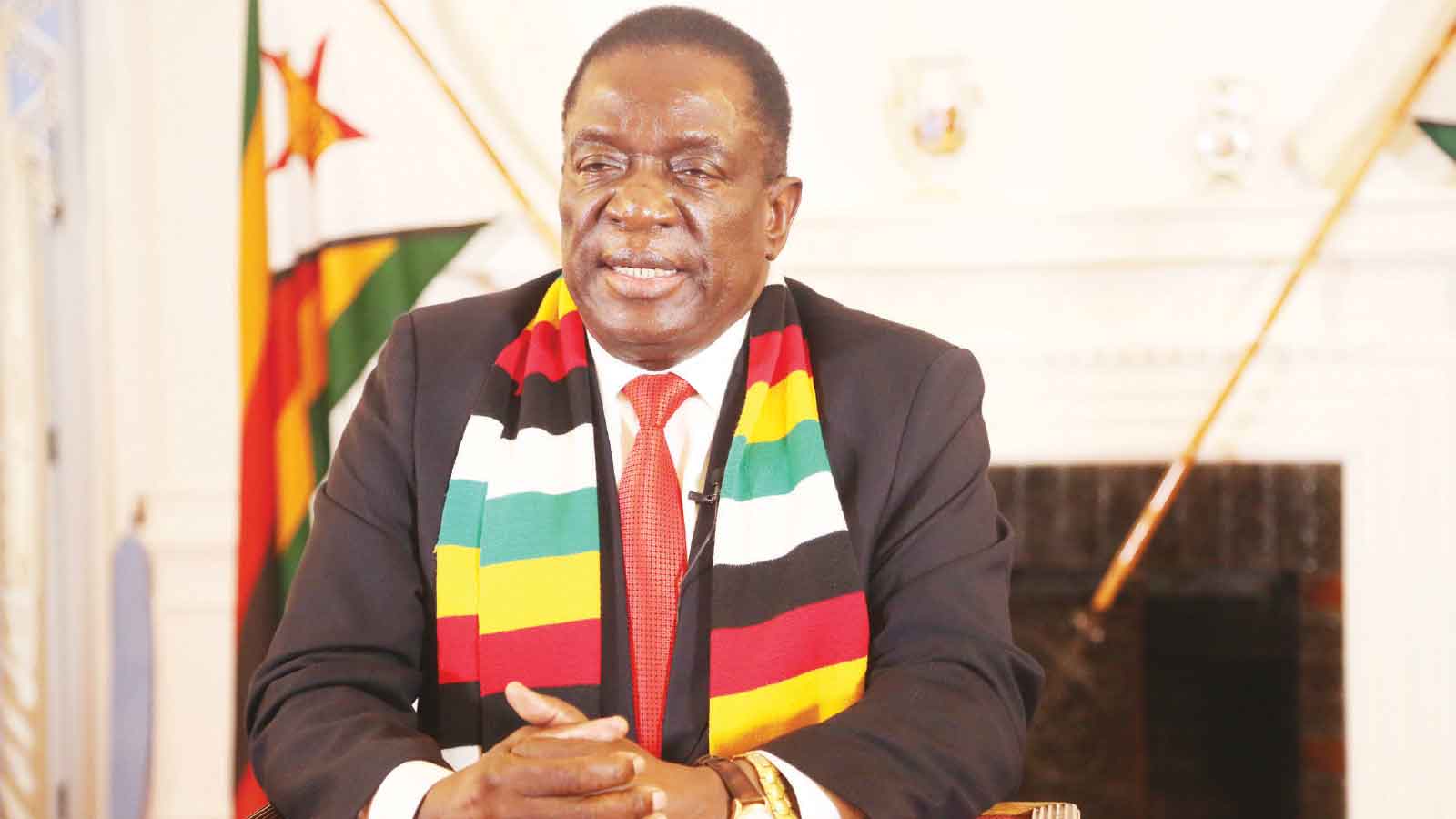
Source: Platinum exports projected to generate US$2bn in 2027 – herald Mr Alex Mhembere Oliver Kazunga Senior Reporter ZIMBABWE’S platinum industry is projected to generate US$2 billion in export earnings next year, underpinned by stronger metal prices, expanding operations and resilient global demand. The positive trajectory comes as the country’s platinum group metals (PGMs) industry […]

The post Platinum exports projected to generate US$2bn in 2027  appeared first on Zimbabwe Situation.
Source: Platinum exports projected to generate US$2bn in 2027 – herald

Oliver Kazunga
Senior Reporter
ZIMBABWE’S platinum industry is projected to generate US$2 billion in export earnings next year, underpinned by stronger metal prices, expanding operations and resilient global demand.
The positive trajectory comes as the country’s platinum group metals (PGMs) industry rebounds from a period of depressed prices, with exports surging despite lower production and producers ramping up expansion projects across the mineral-rich Great Dyke.
In a presentation at the recently held Chamber of Mines of Zimbabwe (CoMZ) annual conference in Victoria Falls, made on his behalf by Mimosa Mining Company managing director Mr Fungai Makoni, who is also the chamber’s president, Platinum Producers Association chairman Mr Alex Mhembere said the outlook is encouraging.
“While the market dynamics continue to play out, we are encouraged by the short to medium-term prospects for the platinum industry, supported by structural supply deficits and resilient demand, albeit with long-term structural transitions.
“In the outlook for 2026, the Chamber of Mines estimates show that the PGMs output is expected to increase by an average of five percent with PGMs exports projected to reach US$2 billion.”
The strong export performance has reinforced expectations of further growth next year as global demand remains firm and mining companies continue investing in capacity expansion and beneficiation projects.
Despite operational headwinds that weighed on production last year, the local PGMs industry recorded a massive increase in export earnings.
Platinum output declined to 17 882 kilogrammes last year from 18 911kg in 2024, while palladium production fell to 14 620kg from 15 603kg.
Mr Mhembere, however, said the rising international prices more than compensated for the lower output.
“Despite output for key elements in the PGM basket decreasing during the period under review, PGMs exports increased to US$1,9 billion in 2025, from US$1,5 billion in 2024.
“This, in large part, reflected a strong recovery in prices for key elements of the PGM basket in 2025,” he said.
The platinum industry remains one of Zimbabwe’s most important economic pillars, accounting for more than 40 percent of mineral export earnings over the past five years and providing about 18 000 direct jobs.
PGMs are Zimbabwe’s second largest export earner after gold, which earned the country US$4,6 billion last year.
The sector has also emerged as a major contributor to national revenues, with producers paying an average of 20 percent of their earnings to Government through taxes and levies while supporting thousands of additional jobs through supplier networks and community development initiatives.
Zimbabwe hosts the world’s third-largest PGMs reserves, with an estimated 32 million ounces of platinum, palladium and rhodium resources contained within the Great Dyke, one of the globe’s richest geological formations.
Existing producers are undertaking expansion programmes while new projects are advancing towards production.
“With new entrants into the PGM space, including Karo, Great Dyke Investments and Bravura, which are at various stages of implementation — and with a supportive policy environment, the platinum sector is set for significant growth in the medium term,” said Mr Mhembere.
The industry is also accelerating beneficiation and value-addition initiatives in line with the Government’s vision of maximising returns from the country’s mineral wealth.
The local PGMs industry is anchored by three major producers —Zimplats, Unki and Mimosa.
Mr Mhembere said producers were expanding smelting capacity to ensure all platinum concentrates are processed locally, while additional investments are being made to strengthen downstream processing capabilities.
It is hoped that the projected rise in exports would boost foreign currency inflows, support economic growth and reinforce the mining sector’s position as a key driver of Zimbabwe’s industrialisation agenda.
In pursuit of value addition and beneficiation agenda, authorities have announced that PGM producers will be required to move up the value chain and further beneficiate PGM matte to residue and ultimately isolate the individual metals, including platinum, palladium and rhodium.
PGM matte to residue processing involves leaching the base metals from the sulfide matte using acid (like sulfuric acid) with oxygen, leaving behind a PGMs-rich solid residue that concentrates the precious metals for further refining, often through roasting and selective leaching to remove sulfur and other impurities before final precious metal recovery.
The policy thrust comes as Zimbabwe seeks to sharpen its focus on value addition and industrialisation as enunciated in the National Development Strategy 2 (NDS2) (2026-2030), Zimbabwe’s five-year economic blueprint to 2030.
According to the NDS2 policy document, the thrust will be underpinned by restrictions on exports of PGM concentrates, a move aimed at encouraging increased domestic beneficiation.
Finance, Economic Development and Investment Promotion Minister Professor Mthuli Ncube is on record as saying that during the NDS1 period (2021-2025), PGMs mining houses made notable progress in beneficiating output, resulting in the country now having adequate capacity to process PGMs from concentrates to matte.

The post Platinum exports projected to generate US$2bn in 2027  appeared first on Zimbabwe Situation.

Matemadanda declared national hero

Source: Matemadanda declared national hero – herald President Mnangagwa Wallace Ruzvidzo Herald Reporter President Mnangagwa has declared Ambassador Victor Matemadanda a national hero, describing him as a “war veteran who became part of the leadership of the association of our Liberation Veterans after Independence.” The message was conveyed to the family last night by Politburo […]

The post Matemadanda declared national hero appeared first on Zimbabwe Situation.

Source: Matemadanda declared national hero – herald

Wallace Ruzvidzo

Herald Reporter

President Mnangagwa has declared Ambassador Victor Matemadanda a national hero, describing him as a “war veteran who became part of the leadership of the association of our Liberation Veterans after Independence.”

The message was conveyed to the family last night by Politburo member Cde Simbarashe Mumbengegwi.

The President also extended his heartfelt condolences to the Matemadanda family yesterday.

Cde Matemadanda, who died on Saturday, was Zimbabwe’s Ambassador to Mozambique and the Kingdom of Eswatini.

He was 66.

In his condolence message, the President said he learnt of the news with deep sorrow, describing the late diplomat as a committed war veteran whose nationalist convictions can be traced back to his youthful years as part of the Zimbabwean migrant community that settled in Zambia to escape persecution under the Rhodesian settler colonial regime.

“I learnt with deep grief and sadness of the untimely demise on Saturday night of Cde Victor Matemadanda, Zimbabwe’s Ambassador to the sister Republics of Mozambique and Eswatini.

“A war veteran who became part of the leadership of the association of our Liberation Veterans after Independence, the late Cde Matemadanda’s association with nationalist politics and the National Liberation Struggle for our Independence dated back to his youthful days as part of the Zimbabwean migrant community, which had settled in Zambia to escape persecution and inhibitions in the then-settler colonial Rhodesia,” he said.

President Mnangagwa said Cde Matemadanda left the relative stability of migrant life in Zambia to join the struggle, initially mobilising support for fighters and refugees in camps in Zambia and Mozambique, including efforts led by figures such as the late Cde Patrick Kombayi.

He chronicled how the late Ambassador later became more directly involved in the liberation struggle by helping with the transportation of war material, using large trucks to deliver supplies to forward operational points.

“At Independence, Cde Matemadanda would join the Zimbabwe National Army, in which role he served his country with loyalty and utmost distinction.

“After leaving the army, he continued to advance the interests of the party, and war veterans through the Veterans Association, which he helped lead,” said President Mnangagwa.

“His principled stance in defence of the interests of our war veterans, including their welfare and substantive incorporation into Party structures, led to his repeated incarceration under the First Republic”.

Cde Matemadanda later served as the ruling Party’s National Political Commissar, a role in which the President said he brought “exceptional vibrancy to the Party, which at the time sought to put behind it the largely fossilised ethos and inertia which had developed over time under the First Republic”.

As Zimbabwe’s Ambassador to Mozambique and Eswatini, the President said, Cde Matemadanda distinguished himself by travelling across all provinces in Mozambique that housed Zimbabwe’s wartime bases.

He said the Ambassador pushed for the rehabilitation of burial sites and shrines, as a sign of respect and dignity to Zimbabwe’s fallen heroes and heroines.

“To broaden his vista as one of the promising cadres in the leadership of the Party, I took the decision to introduce and redeploy him into our diplomatic service as Zimbabwe’s Ambassador to Mozambique and Eswatini. He distinguished himself in that role, traversing all the Provinces in Mozambique which housed our wartime bases, and in which remains of countless Zimbabwean freedom fighters lie buried in mass graves,” said President Mnangagwa.

He said it was unfortunate that Cde Matemadanda died before completing the programme of rehabilitation and curation of the revered sites, adding that under the Second Republic, Government will ensure that the burial grounds and shrines are properly rehabilitated and curated.

“This is the least we can do to honour our fallen heroes, and to pay lasting tribute to the late Cde Matemadanda.

“On behalf of the Party, ZANU PF, Government, my family and my behalf, I wish to express my deepest, heartfelt condolences to the bereaved Matemadanda Family, especially to Amai Matemadanda and the children in this, their hour of profound grief.

“May they derive solace from the exceptional contribution which Ambassador Matemadanda made towards the freedom and development of his people, whom he so deeply loved. Our nation joins them and shares in their grief. May his dear soul rest in eternal peace,” said President Mnangagwa.

The Minister of Veterans of the Liberation Struggle Affairs, Senator Monica Mavhunga and the Minister of Foreign Affairs and International Trade, Professor Amon Murwira, were among the top Government officials who visited the Matemadanda home in Harare to pay their condolences.

Cde Matemadanda’s oldest son and family spokesperson, Terrence, said he was lost for words.

“We are at a loss for words as a family because it happened suddenly, it is not something we expected or saw coming,” he said tearfully.

The post Matemadanda declared national hero appeared first on Zimbabwe Situation.