1 200 Malawians, 400 Zimbabweans leave SA

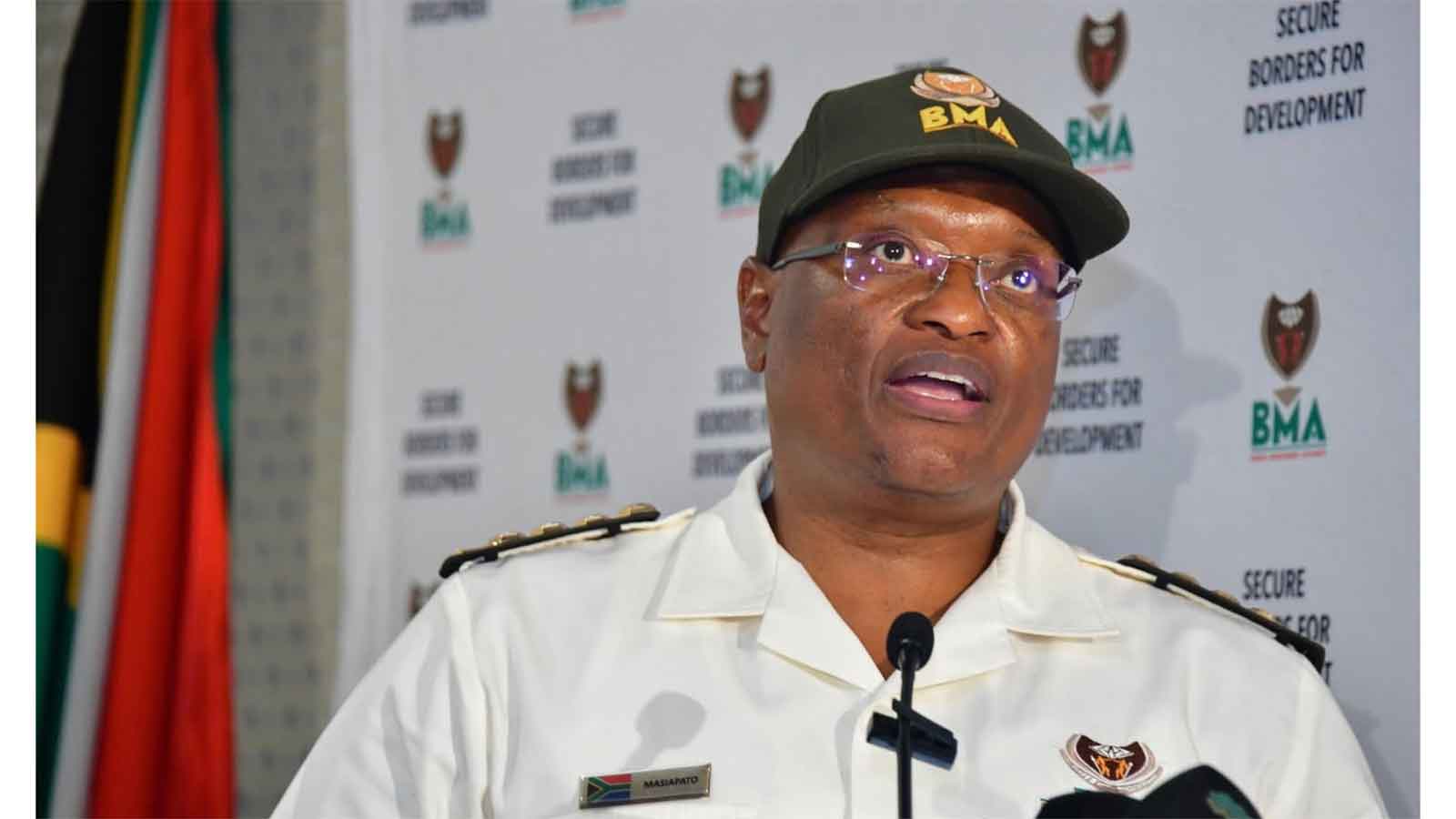
Source: 1 200 Malawians, 400 Zimbabweans leave SA – herald South Africa’s Commissioner of the Border Management Authority (BMA), Dr Michael Masiapato, said they processed a total of 1 596 Malawian and Zimbabwean nationals during an intensive 13-hour operation at Beitbridge Port of Entry. Thupeyo Muleya-Beitbridge Bureau SOUTH African border authorities yesterday processed 1 129 […]

The post 1 200 Malawians, 400 Zimbabweans leave SA appeared first on Zimbabwe Situation.

Source: 1 200 Malawians, 400 Zimbabweans leave SA – herald
Thupeyo Muleya-Beitbridge Bureau

SOUTH African border authorities yesterday processed 1 129 Malawians and 467 Zimbabweans leaving that country in Government-hired buses as xenophobia-motivated violence targeting mostly Africans surged.

So far, Zimbabwe has evacuated over 1 000 of its citizens by road since the beginning of this month, while other African countries, including Nigeria, Ghana and Malawi, are also rolling out massive voluntary repatriation programmes for their citizens.

South Africa’s Commissioner of the Border Management Authority (BMA), Dr Michael Masiapato, said they processed a total of 1 596 Malawian and Zimbabwean nationals during an intensive 13-hour operation at Beitbridge Port of Entry.

“In the early hours of this morning, 17 buses arrived carrying a total of 1 129 Malawian nationals for repatriation. This represents the largest number of Malawian nationals processed by the BMA in a single day as part of a co-ordinated repatriation exercise,” he said.

“The operation required the full mobilisation of BMA personnel, supported by officials from the Department of Home Affairs and SAPS Public Order Policing, to ensure that all travellers were processed in accordance with the applicable immigration laws and established operational procedures.

“All 1 129 Malawian nationals were found to be without any documentation authorising their continued stay in the Republic. The Malawian nationals had been issued Emergency Travel Certificates through a collective facilitation process co-ordinated by the Malawian High Commission to enable their return to their country of origin.”

Dr Masiapato said that, as part of the stringent verification process, the BMA Border Guards conducted headcounts before each traveller was presented to BMA Immigration officials.

Every individual, he said, underwent biometric fingerprint verification and was captured on the bulk processing system using the details contained in the Emergency Travel Certificates issued through the Malawian High Commission.

These measures were implemented to safeguard the integrity of South Africa’s immigration system and to ensure accurate accountability throughout the operation.

He said an additional 467 Zimbabweans were also processed and passed through Beitbridge Port of Entry on the same day.

“I wish to express my sincere appreciation to all officials who remained on duty throughout this demanding 13-hour operation. Their commitment, discipline and professionalism ensured that this complex repatriation exercise was executed efficiently, humanely and in full compliance with the law,” said Dr Masiapato.

He said the operation was conducted with due regard for the welfare of vulnerable persons, as many of the repatriated travellers were part of family units travelling with children.

“The presence of families and children required officials to exercise compassion while maintaining the integrity of our immigration controls.

“This reflects our commitment to implementing the law in a manner that respects human dignity and the rights of all persons,” said Commissioner Masiapato.

He said the Malawian High Commission has indicated that additional buses carrying Malawian nationals from Durban in KwaZulu-Natal are expected to arrive later this evening or during the early hours of tomorrow morning.

The official added that from 12 to 17 June, the BMA processed a total of 1 331 Malawian nationals and 254 Zimbabwean nationals for repatriation through Beitbridge Port of Entry.

The post 1 200 Malawians, 400 Zimbabweans leave SA appeared first on Zimbabwe Situation.
Party warns against abusing President’s name, social media infighting

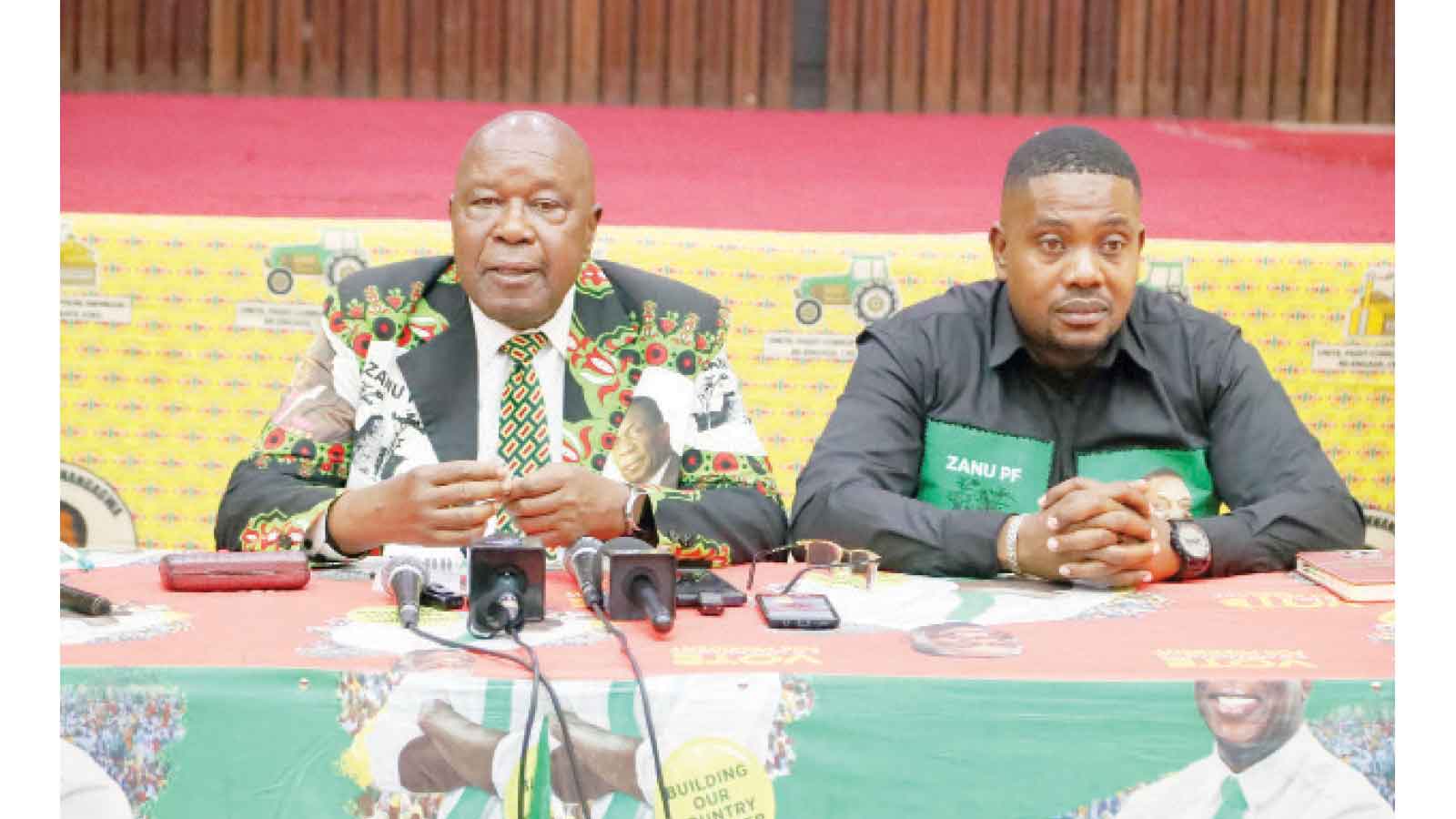
Source: Party warns against abusing President’s name, social media infighting – herald Zanu PF spokesperson Cde Christopher Mutsvangwa (left) is flanked by the ruling party’s Director of Information and Publicity, Cde Farai Marapira, at a Press conference at the revolutionary party’s headquarters in Harare yesterday. — Picture: Joseph Manditswara. Joseph Madzimure-Zimpapers Politics Hub ZANU PF […]

The post Party warns against abusing President’s name, social media infighting appeared first on Zimbabwe Situation.

Source: Party warns against abusing President’s name, social media infighting – herald

Joseph Madzimure-Zimpapers Politics Hub

ZANU PF will not tolerate members who abuse the name of the party and its First Secretary, President Mnangagwa, by taking advantage of his open-door policy to score cheap political points, the party’s Secretary for Information and Publicity, Cde Christopher Mutsvangwa, has said.

Speaking at a Press conference in Harare yesterday, Cde Mutsvangwa said while there was nothing wrong with political ambition, it should be pursued with due respect for the will of the majority.

“There is nothing wrong with ambition. Being a politician shows that you have ambitions, and we cannot take that away from you. But what is important is to exercise your ambition with due respect for the support of the generality of the population and its leadership, which is competent — and President Mnangagwa has proven to be competent,” he said.

He highlighted that ZANU PF has no business with those playing political games on social media.

“The problem with social media is that everybody has become a publisher,” said Cde Mutsvangwa.

“The population is now vexed by publications of mostly wayward individuals who may have ambitions and want to voice that ambition on social media. They should give the population a break. I do not want to mention their names.”

He added: “They should not forget that the President has a responsibility to serve the whole country. They should not abuse the President’s standing. There is a growing trend where members are attacking each other on social media. They should not drag the good name of the President. ZANU PF has no business being involved in those fighting each other on social media.

“I am speaking because I want to defend the integrity and personality of the President of my party. I do not want to mention names. Most of them are my colleagues. We are still in the same party. We do not want to bring the name of the party into disrepute.”

He urged party members not to attack each other in public forums.

The post Party warns against abusing President’s name, social media infighting appeared first on Zimbabwe Situation.
Govt steps up efforts to combat malaria

Source: Govt steps up efforts to combat malaria – herald Health and Child Care Minister Dr Douglas Mombeshora said the Government was implementing a combination of interventions to ensure the country remains on course towards malaria elimination despite the seasonal spike. Rumbidzayi Zinyuke-Senior Health Reporter GOVERNMENT has stepped up efforts to combat malaria following an […]

The post Govt steps up efforts to combat malaria appeared first on Zimbabwe Situation.
Source: Govt steps up efforts to combat malaria – herald

Rumbidzayi Zinyuke-Senior Health Reporter

GOVERNMENT has stepped up efforts to combat malaria following an increase in cases this year, reaffirming its commitment to sustain progress towards eliminating the disease.

Zimbabwe has so far recorded 136 148 malaria cases and over 100 deaths this year, representing a 22,7 percent increase in infections compared to the same period in 2025. A total of 481 malaria outbreaks have been reported, although 374 (78 percent) have since been brought under control.

Health and Child Care Minister Dr Douglas Mombeshora said the Government was implementing a combination of interventions to ensure the country remains on course towards malaria elimination despite the seasonal spike.

“We are looking at a number of measures to make sure that we get on top of malaria. We are strengthening indoor residual spraying, addressing challenges with the supply of DDT and changing the chemicals we use where resistance is detected. We want to continue moving towards the elimination of malaria and we believe we will get there,” he said.

Malaria remains one of Zimbabwe’s leading public health challenges, particularly in low-lying districts where transmission is highest during and after the rainy season. Ministry of Health and Child Care data shows Mashonaland Central remains the hardest-hit province, accounting for 55 654 cases (41 percent), followed by Manicaland with 30 175 cases (22 percent).

The outbreaks are being driven by several factors, including low indoor residual spraying coverage due to delays in insecticide deliveries, increased exposure among artisanal miners, farmers, charcoal producers and border communities, as well as changing mosquito distribution patterns in some districts.

Dr Mombeshora said the delays in the indoor residual spraying programme had affected malaria control efforts after quality concerns were identified in insecticides procured for Zimbabwe.

“There was a bit of a challenge with our supplies for indoor residual spraying. The quality was not good, but the issue was detected before the supplies were delivered to Zimbabwe. Engagements were made with the supplier to rectify the problem, although this resulted in delays in receiving the correct quality chemicals,” he said.

He said the experience underscored the need for early communication whenever abnormalities are detected in procurement systems to avoid disruptions to disease control programmes.

The delays contributed to spraying coverage reaching 78 percent, below the 85 percent threshold considered necessary for maximum impact and far short of the national target of 100 percent. The reduced coverage contributed to outbreaks across all indoor residual spraying districts in Manicaland, while Chiredzi was also affected.

To strengthen mosquito control, the Government is working with other African countries to secure supplies of DDT, which remains one of the most effective insecticides for malaria vector control.

Although banned for agricultural use in many countries, DDT is still permitted under international exemptions for public health programmes.

Dr Mombeshora said only one manufacturer in India currently produces DDT and requires large minimum orders that individual countries cannot meet.

“In the African region, we have asked for an extension of the use of DDT because it is still very effective against mosquitoes. South Africa is leading efforts to consolidate the requirements of countries in the region so that we can procure as a group rather than as individual countries,” he said.

He said Zimbabwe was also rotating insecticides used during spraying campaigns to slow the development of mosquito resistance.

“Where we detect resistance, we change the chemicals that we use from time to time so that we reduce resistance and maintain the effectiveness of vector control measures,” he said.

Beyond spraying, the Government has intensified community engagement, targeted larviciding and the distribution of insecticide-treated mosquito nets, particularly in districts that did not receive spraying during the 2025/26 season.

Mass mosquito net distribution has already been completed in Bikita, Zaka and Makonde, while allocation is continuing in five other high-risk districts. In addition, the United States is procuring 1,2 million mosquito nets.

While the country has maintained a malaria case fatality rate of 0,3 percent, similar to last year’s 0,27 percent, health officials remain concerned about deaths, particularly in Mashonaland Central, which accounted for 28 percent of the total deaths, followed by Manicaland with 19 percent.

Dr Mombeshora said the spike in cases was not confined to Zimbabwe as malaria experts have observed a recurring global trend in which cases tend to increase every three years.

He said 2026 was one of those peak years, with another increase anticipated in 2029, although researchers have yet to determine the cause of the cyclical pattern.

The post Govt steps up efforts to combat malaria appeared first on Zimbabwe Situation.

US$1,2m dagga smuggling syndicate suspect in custody 

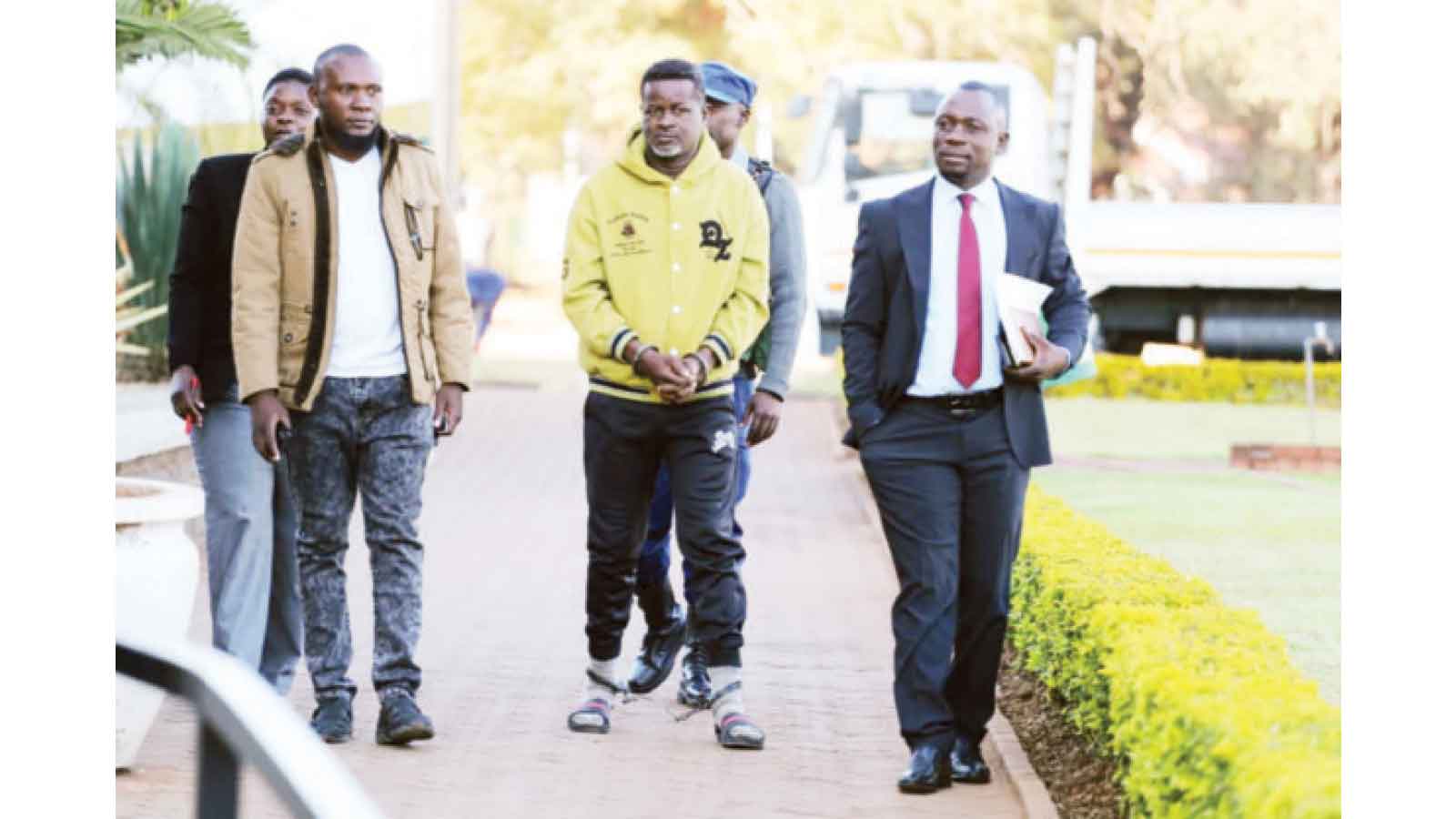
Source: US$1,2m dagga smuggling syndicate suspect in custody – herald Moses Chauke (centre) arrives at the Harare Magistrates Court. He allegedly acted in common purpose to smuggle a tonne of dagga worth US$1,2 million from South Africa through Beitbridge Border Post recently. – Picture: Lee Maidza. Yeukai Karengezeka-Chisepo-Court Correspondent AN alleged accomplice in a drug […]

The post US$1,2m dagga smuggling syndicate suspect in custody  appeared first on Zimbabwe Situation.

Source: US$1,2m dagga smuggling syndicate suspect in custody – herald

Yeukai Karengezeka-Chisepo-Court Correspondent

AN alleged accomplice in a drug trafficking syndicate accused of smuggling more than a tonne of dagga valued at US$1,2 million into Zimbabwe appeared in court yesterday.

Moses Chauke (50) appeared before Harare regional magistrate Mr Francis Mapfumo facing a charge of unlawful possession of dangerous drugs.

He was remanded in custody to today for a bail hearing.

The State, represented by prosecutor Mrs Heather Mhlanga-Muokoto, alleges that on June 1, 2026, Chauke illegally imported 1 094,20 kilogrammes of compressed dagga from South Africa into Zimbabwe through an unauthorised crossing point along the Limpopo River, east of the Beitbridge Border Post.

After allegedly smuggling the consignment into the country, Chauke is said to have coordinated its transportation to Harare.

The court heard that the contraband was loaded into a 30-tonne haulage truck concealed inside a metal container.

The truck, driven by Thapson Ndou, was destined for Harare.

Ndou has already been arrested and is on remand facing related charges.

Acting on information received, police intercepted the truck on the same day at Ligi Restaurant Truck Stop in Southerton, Harare, opposite Swift Company.

A search of the vehicle led to the recovery of the dagga.

On June 2, the recovered drugs were weighed at the Zimpost Harare Main Post Office, where they were found to have a total mass of 1 094,20 kilogrammes.

The court heard that the recovered dagga has an estimated street value of US$1,2 million. Investigations subsequently led police to Chauke, who was arrested on June 15 at around 2am in Dulivhadzimu, Beitbridge.

His mobile phone was recovered during the arrest.

According to the State, an examination of the device uncovered SMS messages, WhatsApp chats, voice notes and call logs allegedly linking Chauke to his co-accused and the drug-smuggling operation.

The communications allegedly established contact between Chauke and the intended recipient of the consignment, Everjoy Chipfiko, who is also on remand facing a similar charge, regarding arrangements for the collection of the dagga upon its arrival in Harare.

Further analysis of the phone allegedly revealed communication with three other suspected accomplices identified as Prosper Jena, Moses Chiverengera and a woman known only as Victoria, who remain at large.

The post US$1,2m dagga smuggling syndicate suspect in custody  appeared first on Zimbabwe Situation.

Empowering war vets carries on spirit of sacrifice

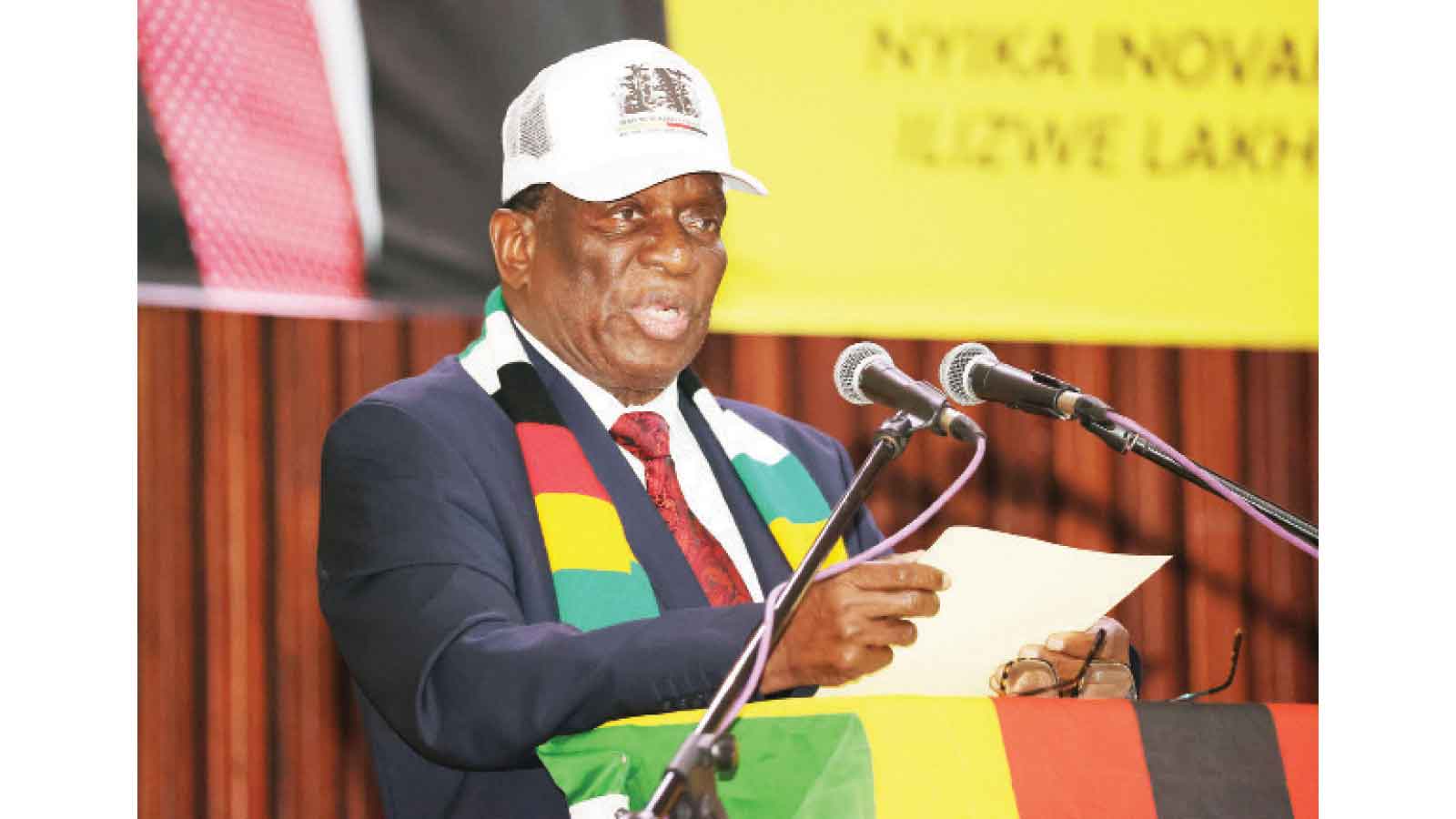
Source: Empowering war vets carries on spirit of sacrifice – herald President Mnangagwa MacDenias Moyo AT Zanu PF Headquarters in Harare, the 4th National Assembly of the War Veterans League convened under the leadership of His Excellency President Mnangagwa. This assembly was not a routine gathering of party structures. It was a profound reaffirmation of […]

The post Empowering war vets carries on spirit of sacrifice appeared first on Zimbabwe Situation.

Source: Empowering war vets carries on spirit of sacrifice – herald

MacDenias Moyo

AT Zanu PF Headquarters in Harare, the 4th National Assembly of the War Veterans League convened under the leadership of His Excellency President Mnangagwa.

This assembly was not a routine gathering of party structures. It was a profound reaffirmation of Zimbabwe’s revolutionary covenant, a continuation of the struggle that began with the First Chimurenga and now advances in the Fourth Chimurenga through Vision 2030 and CAB3.

The theme, “Empowering War Veterans: Securing Land Title for a Lasting Legacy and Prosperity”, captured the essence of this moment — the binding of past sacrifice to present empowerment and future sovereignty.

The war veterans are not a constituency to be placated. They are the living custodians of Zimbabwe’s freedom. From the First Chimurenga, where Mbuya Nehanda and Sekuru Kaguvi consecrated the soil with their blood, through the Second Chimurenga, which delivered independence in 1980 and the Third Chimurenga, which reclaimed land from colonial dispossession, the veterans have been the compass of our destiny. Today, in the Fourth Chimurenga, defined by economic sovereignty, technological modernization and institutional renewal, they remain the vanguard. Their welfare is not charity. It is sovereignty itself.

President Mnangagwa’s words at the Assembly were clear and binding as he said, “By securing land title for our veterans and the rest of our communities, we are cementing the foundation of our sovereignty. Under the Second Republic, we are a listening party and Government, we will never neglect the liberators of this great country.” This is not ornamental language. It is a covenant that the liberation struggle continues in economic form and the veterans are both beneficiaries and drivers of this revolution.

The Assembly announced Presidential Empowerment Schemes that expand the arsenal of economic tools for veterans. The War Veterans Wealth Fund, capitalised with USD 1.5 million, finances provincial projects and ensures veterans are not passive recipients but active entrepreneurs. A further US$2 million allocation for borehole drilling rigs ensures veterans will own rigs, drill at their residences and subcontract to government contractors under the Presidential Rural Development Programme. This transforms infrastructure into enterprise, sovereignty into income. Scholarship schemes and enterprise development projects secure the future of veterans’ children, ensuring generational continuity. Land title deeds secure ownership, dignity and permanence, the very essence of sovereignty. These measures are recognition that the veterans’ welfare is inseparable from national welfare. As the President emphasized, “The welfare of our veterans is inseparable from that of their families. These include comprehensively updating the Registry of missing revolutionary fighters and speeding up the exhumation and reburial exercise.”

Zimbabwe’s path is acknowledged beyond its borders. The African union has hailed the empowerment of liberation movements as central to continental sovereignty. The Southern African Development Community has recognised Zimbabwe’s stabilisation under the Second Republic. The United Nations Development Programme has testified to the strides in rural development. The African Development Bank has acknowledged the infrastructure modernisation that underpins empowerment. Domestically, the Confederation of Zimbabwe Industries has lauded the empowerment schemes as catalysts for enterprise. The Zimbabwe Council of Churches has recognised the inclusivity of reforms that bind communities together. War veterans, through their League, are not passive recipients. They are active participants in governance, enterprise and social renewal. Their Assembly is a compass for the Party and the nation, reminding Zimbabweans that sovereignty is defended not only with arms but with enterprise, land and dignity.

The welfare of war veterans is not a peripheral issue. It is the heart of national stability. Neglecting them would mean neglecting the very foundation of independence. By empowering them, Zimbabwe empowers itself. Their children and widows, their enterprises and land, their dignity and recognition — all are pillars of national cohesion. As President Mnangagwa declared, “Land is the birthright of all Zimbabweans and the sacred inheritance for which many fought and sacrificed.” This inheritance is now secured with title deeds, wealth funds and empowerment schemes that bind the veterans to the economic revolution.

The Fourth Chimurenga is not fought with rifles. It is fought with policies, institutions and enterprise. Vision 2030 is the battlefield and CAB3 is the arsenal. War veterans are the generals of this economic war. Their empowerment schemes are not isolated projects. They are strategic deployments in the war for sovereignty. The issuance of land title deeds is the consolidation of the Third Chimurenga. The wealth funds are the ammunition of economic sovereignty. The borehole rigs are the infrastructure of empowerment. Together, they constitute the arsenal of the Fourth Chimurenga.

The 4th National Assembly of the War Veterans League is not just a gathering.

It is a declaration that the liberation struggle continues in economic form, under the stewardship of President Mnangagwa.

The veterans remain the compass of Zimbabwe’s destiny, their welfare inseparable from the nation’s sovereignty. Vision 2030 and CAB3 are not abstract policies. They are the Fourth Chimurenga and the veterans are its vanguard.

President Mnangagwa has delivered and continues to deliver. Everything else is noise. The Assembly is proof that Zimbabwe is on a positive path, acknowledged by international organisations, affirmed by national institutions and sanctified by the veterans who embody our sovereignty.

The post Empowering war vets carries on spirit of sacrifice appeared first on Zimbabwe Situation.