China-Zim boreholes project transforms 75 000 rural lives 

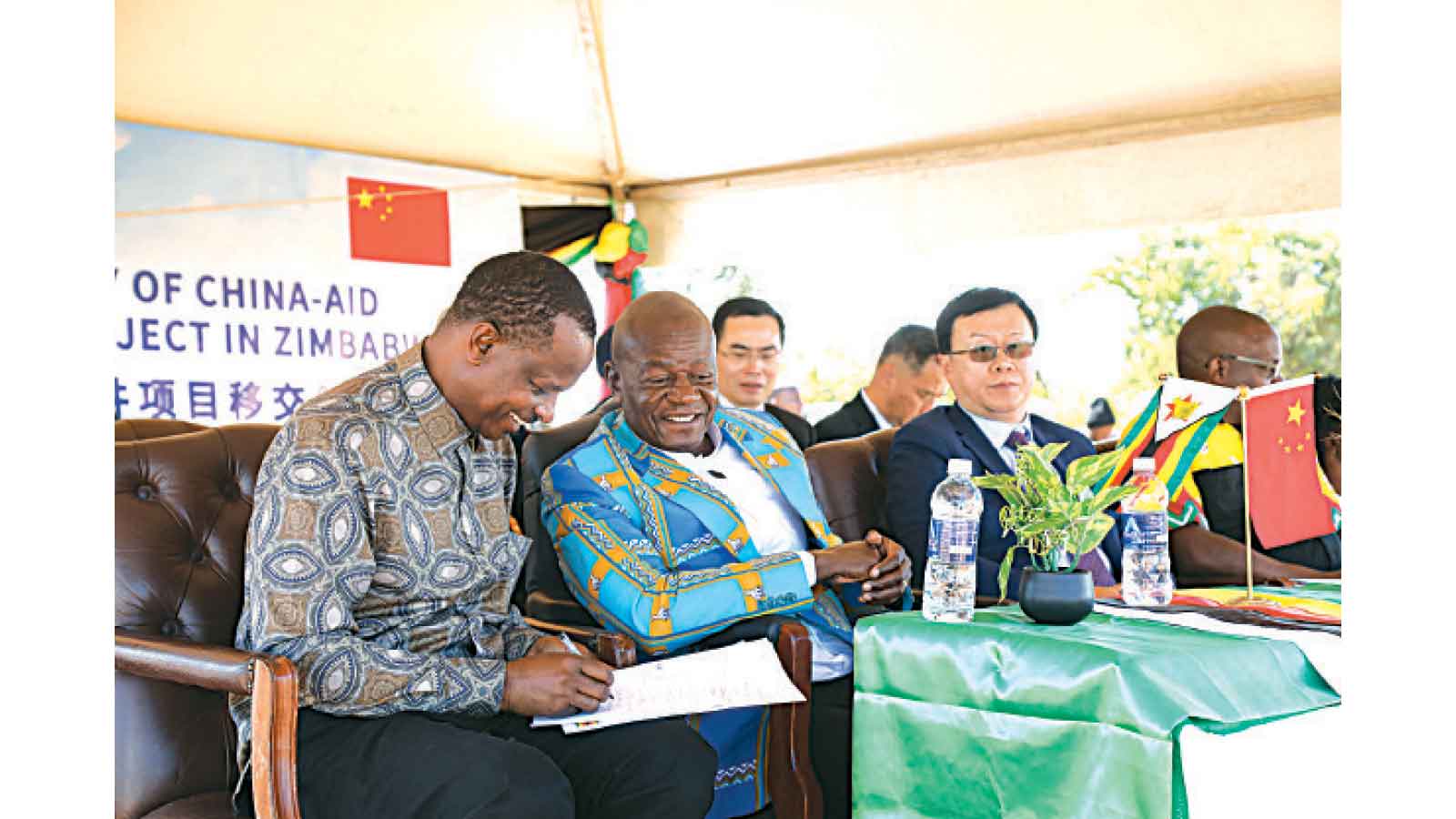
Source: China-Zim boreholes project transforms 75 000 rural lives – herald Local Government and Public Works Minister Daniel Garwe (second left) and Information, Publicity and Broadcasting Services Deputy Minister Dr Omupile Marupi (left) share a lighter moment as Chinese Ambassador to Zimbabwe Zhou Ding (right) looks on at the commissioning of 300 boreholes by China […]

The post China-Zim boreholes project transforms 75 000 rural lives  appeared first on Zimbabwe Situation.

Source: China-Zim boreholes project transforms 75 000 rural lives – herald
Lovemore Kadzura-Mutare Bureau

FOR years, thousands of families in drought-prone communities across Manicaland, Midlands, Mashonaland East and Masvingo lived with the daily burden of water scarcity.

Women and children often walked long distances in search of water, sometimes spending hours each day collecting water for household use.

In many communities, farmers struggled to sustain crops and livestock during recurring dry spells, while limited access to clean water heightened the risk of waterborne diseases.

Today, that reality is changing.

The completion of the ‘China-Aid 300 Boreholes Drilling Project’ has brought a new lease of life to rural communities, delivering clean water to more than 75 000 residents across 300 villages, 21 districts and four provinces.

Speaking at the handover ceremony in Chimanimani yesterday, Chinese Ambassador to Zimbabwe Zhou Ding said the project was implemented in response to the devastating El Niño-induced drought that prompted President Mnangagwa to declare a national state of disaster in April 2024.

“As Zimbabwe’s all-weather friend, China swiftly responded to the President’s call by rolling out the 300 Boreholes Project in the drought-stricken areas of Mashonaland East, Manicaland, Masvingo and Midlands, to help local people cope with the acute water shortages,” said Ambassador Zhou.

The project represents more than the drilling of boreholes. For many communities, it marks the beginning of improved health, stronger agricultural production and enhanced livelihoods.

“Today, this project has brought clean water to more than 75 000 residents across 300 villages, 21 districts and four provinces,” said Ambassador Zhou.

“These boreholes don’t just supply safe water for daily use and farming. They also help reduce waterborne diseases and strengthen agricultural resilience. With reliable water access, crop farming, livestock rearing, poultry raising and vegetable cultivation have all thrived in the local communities.”

The impact is particularly significant in rural areas where agriculture remains the backbone of livelihoods.

Reliable water supplies are enabling households to diversify production, improve food security and strengthen resilience against climate-related shocks.

Beyond farming, access to nearby clean water is easing the burden traditionally borne by women and children.

“This project has also empowered tens of thousands of women and children, freeing up their time for schooling and other meaningful work to build better livelihoods,” said Ambassador Zhou.

The successful completion of the project also reflects the close cooperation between Zimbabwe and China, whose bilateral relations continue to deepen through practical, people-centred development initiatives.

In less than two years, engineers and workers reached remote communities across four provinces under challenging conditions.

According to Ambassador Zhou, some members of the project team slept in temporary camps or vehicles, endured illness and worked long hours to ensure the project’s completion.

“Working side by side as one united team, Chinese and Zimbabwean staff drove the project to final completion. For them, the sight of clean, running water and the joyful smiles of the local people made every hardship truly worthwhile,” he said.

The 300-borehole initiative adds to China’s longstanding support for water development in Zimbabwe.

“Over the past 10 years, we have drilled more than 1 300 boreholes across Zimbabwe, delivering clean water and agricultural irrigation to approximately half a million people,” said Ambassador Zhou.

“This new batch of 300 boreholes stands as yet another testament to the enduring, profound friendship between our two nations — a bond we will always cherish and keep strengthening.”

The project forms part of broader cooperation between Zimbabwe and China, which also includes food assistance, agricultural technology transfer, irrigation development and infrastructure projects aimed at improving livelihoods and supporting national development.

As water flows from the newly completed boreholes, communities across the four provinces are witnessing tangible evidence of a friendship that has endured for decades.

For thousands of families, the project is not merely about access to water; it is about improved health, greater opportunities, food security and renewed hope for a better future.

For many beneficiaries, each drop of clean water now serves as a reminder of the strong and enduring partnership between Zimbabwe and China, a relationship that continues to transform lives and communities across the country.

The post China-Zim boreholes project transforms 75 000 rural lives  appeared first on Zimbabwe Situation.
Russia, Zimbabwe pledge closer cooperation at United Nations 

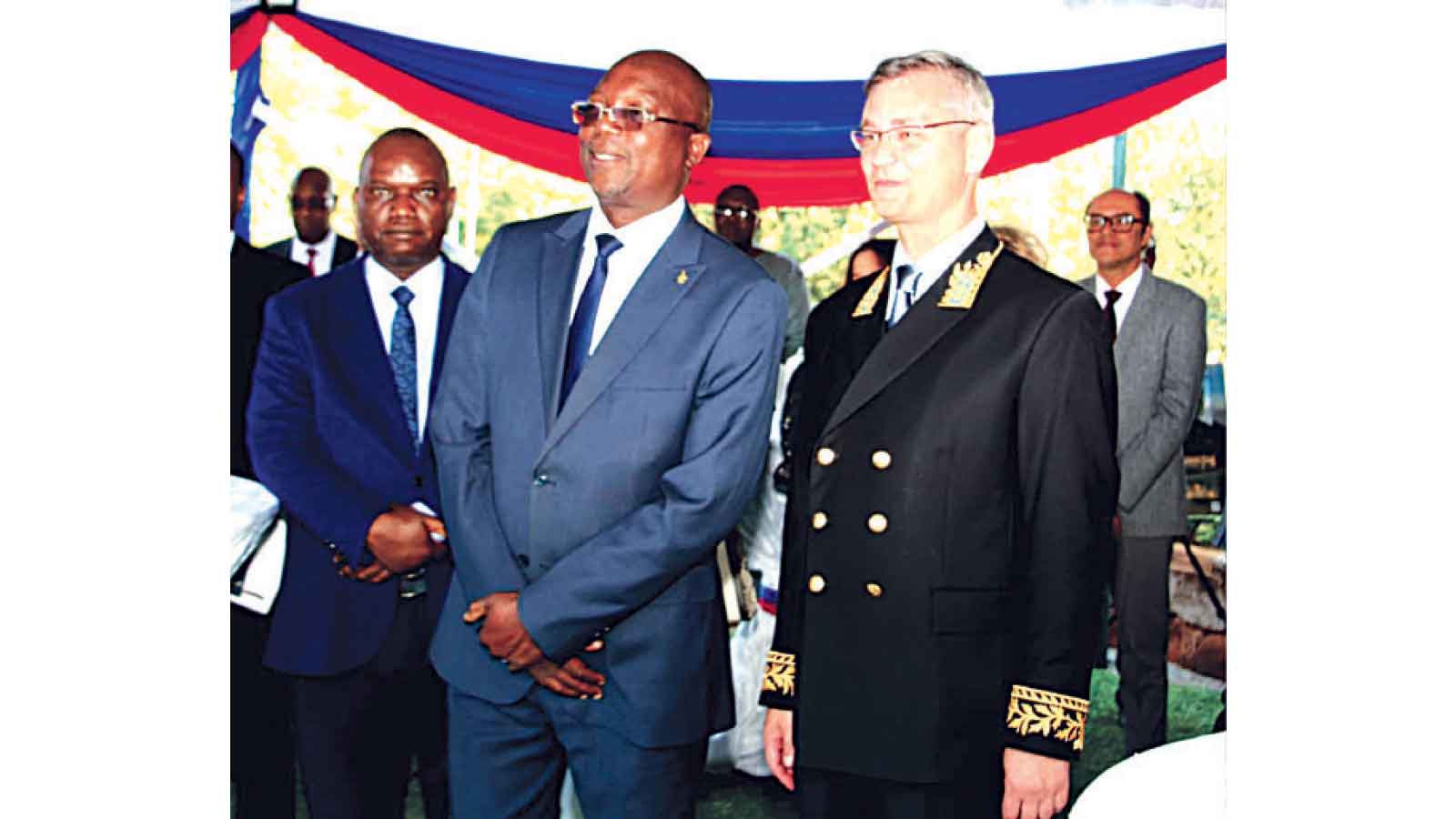
Source: Russia, Zimbabwe pledge closer cooperation at United Nations – herald Acting Permanent Secretary in the Ministry of Foreign Affairs and International Trade, Mr Nesbert Samasuwo (left), and Chargé d’Affaires at the Russian Embassy, Mr Maksim Khaneev, follow proceedings at Russia Day celebrations in Harare yesterday. — Picture: Munyaradzi Vunganai. Gibson Nyikadzino-Zimpapers Politics Hub RUSSIA […]

The post Russia, Zimbabwe pledge closer cooperation at United Nations  appeared first on Zimbabwe Situation.
Source: Russia, Zimbabwe pledge closer cooperation at United Nations – herald

Gibson Nyikadzino-Zimpapers Politics Hub

RUSSIA looks forward to working closely with Zimbabwe in the United Nations Security Council to continue strengthening Africa’s position as a unique and influential centre of global development, the Chargé d’Affaires at the country’s embassy in Harare, Mr Maksim Khaneev, said yesterday.

Addressing delegates at the Russia National Day commemorations, Mr Khaneev congratulated Zimbabwe on its election as a UNSC non-permanent member.

“We congratulate Zimbabwe for securing a non-permanent seat in the UN Security Council in 2027-2028,” he said.

“Russia looks forward to working closely to continue strengthening Africa’s position as a unique and influential centre of global development.

“The ties between Russia and Zimbabwe are built on mutual respect, solidarity and shared values. This friendship is not only diplomatic but deeply human, forged through shared struggles, mutual support and a vision of a brighter future,” Mr Khaneev said.

Zimbabwe and Russia this year marked 45 years of bilateral relations. Mr Khaneev said Russia has consistently advocated for deepening its traditionally friendly ties with Africa, Zimbabwean partners in particular.

He said Russia is looking forward to deepening and fostering cooperation with Zimbabwe at this year’s Third Russia-Africa Summit in Moscow in October.

“This year, the Third Russia-Africa Summit will take place in Moscow in October, and we expect Zimbabwe to be represented at the highest level. Through our joint efforts, we will continue to broaden the scope of Russia-Africa and Russia-Zimbabwe relations, advancing the well-being of our peoples and contributing to the emergence of a just and democratic multipolar world order,” he added.

Acting Permanent Secretary for Foreign Affairs and International Trade, Mr Nesbert Samasuwo, praised Zimbabwe-Russia relations for building a formidable coalition of like-minded states committed to defending the United Nations Charter.

He expressed Zimbabwe’s deep thankfulness for Russia’s principled and consistent support, including its historic veto in the United Nations Security Council in 2008, which upheld the two nations’ shared opposition to the subversion of the institutions and principles of the United Nations for the selfish interests of a few.

“Together, our nations stand firm in defence of the Charter of the United Nations and the sovereign equality of all states. In the face of growing attempts to erode the foundations of multilateralism and international law, we have built a formidable coalition of like-minded states, committed to justice, fairness and peace.

“We are deeply grateful for Russia’s principled and consistent support, including its historic veto in the United Nations Security Council in 2008, which upheld our shared opposition to the subversion of the institutions and principles of the United Nations to serve the selfish interests of a few. That act of solidarity will never be forgotten,” Mr Samasuwo said.

Mr Samasuwo also thanked Russia and all nations that voted for Zimbabwe for the UNSC non-permanent seat for the period 2027 to 2028, saying the country will leverage its history of diplomatic engagement, regional leadership and multilateral cooperation to bring a principled and inclusive approach to the UNSC’s deliberations.

The post Russia, Zimbabwe pledge closer cooperation at United Nations  appeared first on Zimbabwe Situation.

Outgoing UK envoy Pete Vowles salutes Harare 

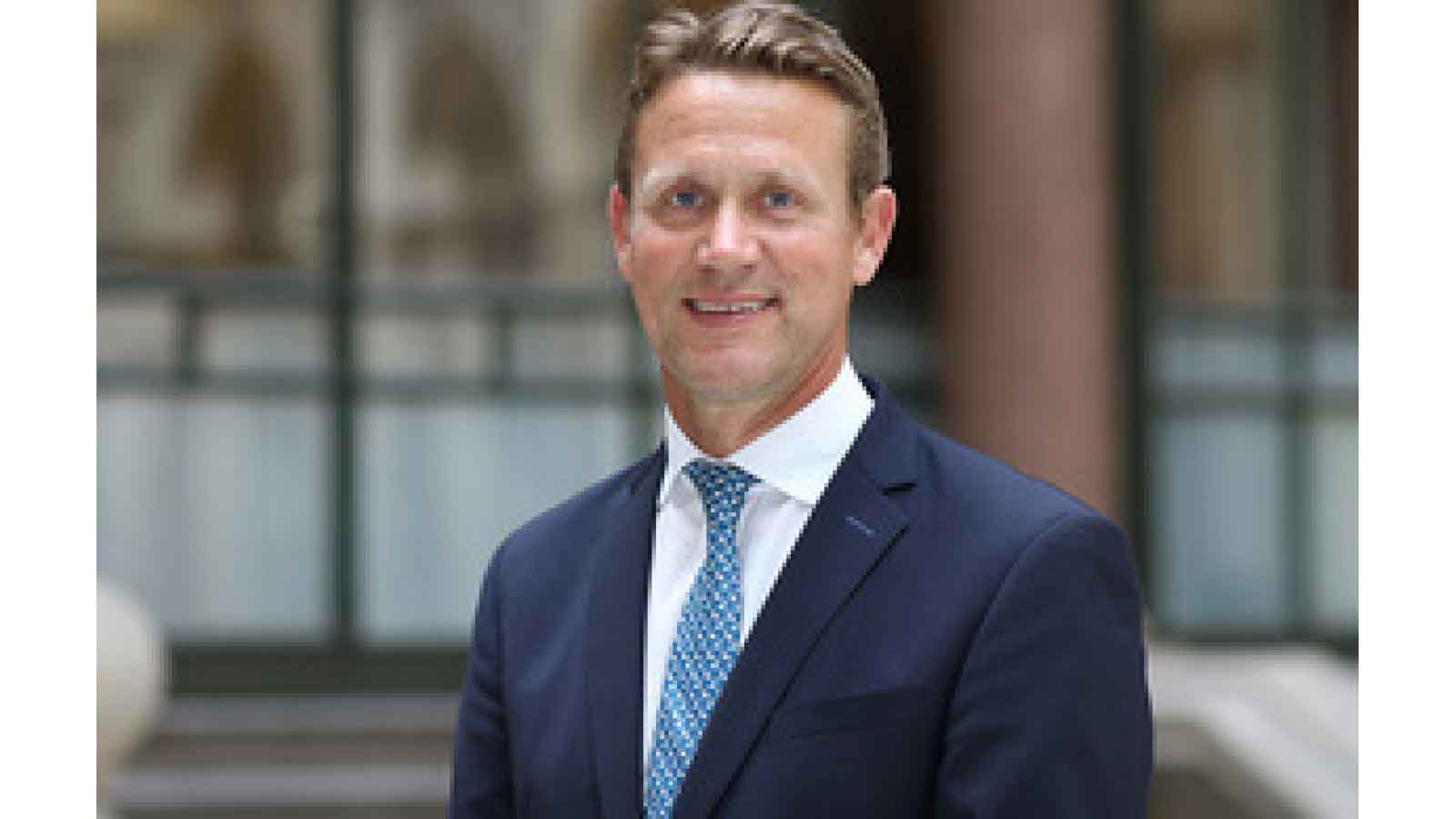
Source: Outgoing UK envoy Pete Vowles salutes Harare – herald Ambassador to Zimbabwe Pete Vowles Herald Reporter OUTGOING British Ambassador to Zimbabwe Pete Vowles used King Charles III’s birthday celebrations in Harare on Thursday to thank Zimbabweans for their partnership and reflect on what he described as a memorable three-year tour of duty. Addressing guests […]

The post Outgoing UK envoy Pete Vowles salutes Harare  appeared first on Zimbabwe Situation.
Source: Outgoing UK envoy Pete Vowles salutes Harare – herald

Herald Reporter

OUTGOING British Ambassador to Zimbabwe Pete Vowles used King Charles III’s birthday celebrations in Harare on Thursday to thank Zimbabweans for their partnership and reflect on what he described as a memorable three-year tour of duty.

Addressing guests at the festive gathering, Amb Vowles paid tribute to the many people and institutions that have helped sustain relations between the United Kingdom and Zimbabwe through co-operation in Government, business, development work and community engagement.

“My first job today is to thank each and every one of you for all you do for the United Kingdom and for Zimbabwe, this beautiful country that we are all fortunate to know in different ways,” he said.

Amb Vowles thanked Government officials and others working to advance the two countries’ mutual interests, saying the relationship had been strengthened by collaboration across many sectors.

“Thank you to our honourable friends and colleagues in the Government of Zimbabwe, and to all those working with us to advance our mutual interests,” he said.

The Ambassador also acknowledged Zimbabweans who had “so generously shared their time, wisdom, challenge, humour and expertise with us”, adding that such engagement had kept the UK connected to “the full range of Zimbabwean voices”.

Turning to business and development partnerships, Amb Vowles said British companies and organisations investing in Zimbabwe, particularly in health, education, culture and development programmes, had played an important role in deepening co-operation between the two countries.

He also spoke warmly about Zimbabwean culture and music, recalling how old-school sungura music became part of the soundtrack of his life during his time in the country.

Amb Vowles reflected on practical “life skills” he had picked up in Zimbabwe, including opening a bottle with another bottle, drying meat on a hanger and sharing a drink with elders.

He said his list of lessons continued to grow during his posting, from learning to wait for food to cool before eating it to improvising solutions during long road journeys.

The Ambassador also praised Zimbabwean food, saying he believed the world’s best peanut butter was made by hand using local peanuts and salt.

“Wherever you go in Zimbabwe, from the buzzing high-density suburbs to the rural communal areas, to the affluent neighbourhoods, I always find a connection.”

After joining guests in celebrating King Charles III, Amb Vowles noted that the occasion carried special significance for him as it marked his final King’s Birthday Party in Zimbabwe before the end of his diplomatic posting.

The post Outgoing UK envoy Pete Vowles salutes Harare  appeared first on Zimbabwe Situation.
Free healthcare for all on the cards

Source: Free healthcare for all on the cards – herald Dr Mombeshora revealed the development while responding to questions in the Senate on Thursday, where legislators sought clarification on access to newly procured cancer treatment equipment and broader efforts to improve healthcare delivery. Zvamaida Murwira-Senior Reporter ALL Zimbabweans will soon be entitled to free medical […]

The post Free healthcare for all on the cards appeared first on Zimbabwe Situation.
Source: Free healthcare for all on the cards – herald

Zvamaida Murwira-Senior Reporter

ALL Zimbabweans will soon be entitled to free medical treatment at Government hospitals and other State-run health institutions once the proposed National Health Fund Bill becomes law, Health and Child Care Minister Dr Douglas Mombeshora has said.

The Bill, which is now headed for Cabinet before being tabled in Parliament, seeks to establish a national health financing mechanism funded partly through taxes collected from products such as cigarettes and alcohol, enabling citizens to access treatment at public health facilities without direct payment.

Dr Mombeshora revealed the development while responding to questions in the Senate on Thursday, where legislators sought clarification on access to newly procured cancer treatment equipment and broader efforts to improve healthcare delivery.

Masvingo Senator Robson Mavhenyengwa had asked how disadvantaged citizens would benefit from cancer treatment machines being installed at Parirenyatwa Group of Hospitals in Harare and Mpilo Central Hospital in Bulawayo.

He wanted to know how patients from remote areas would access the services given the costs associated with travelling to Harare and Bulawayo.

In response, Dr Mombeshora said Government was simultaneously pursuing healthcare financing reforms and decentralising specialist medical services to improve accessibility.

“We have a Government policy that those who are disadvantaged and do not have money must go to social services and get their dues paid,” he said.

“We also have the initiative which is going to come shortly to this August House. We started it as a National Health Insurance, but now we are calling it the National Health Fund Bill. We came up with the final draft last week and this week I have written a letter to the Cabinet Committee on Legislation. From there it will go to Cabinet and then Parliament.”

Dr Mombeshora said the proposed legislation would ensure that every Zimbabwean can access treatment at Government hospitals free of charge, with the health system drawing funding from specific taxes on products associated with health risks.

“In that Bill, every citizen in Zimbabwe must be able to be treated in all Government hospitals for free.

“It is not totally free because we are taking some tax from cigarettes and alcohol, which are causing harm to people, and using that money to improve our health system,” he said.

Turning to cancer care, Dr Mombeshora said efforts were underway to increase the number of specialist radio-oncologists and expand cancer treatment services beyond Harare and Bulawayo.

He said Zimbabwe had historically faced shortages of radio-oncologists, limiting the number of cancer treatment centres that could be established.

To address the challenge, the country has begun training specialists locally through the University of Zimbabwe.

Dr Mombeshora said new radiotherapy equipment had already been installed at Parirenyatwa Hospital, while installation of a second machine at Mpilo Hospital was nearing completion.

“The new machine which arrived has already been installed at Parirenyatwa. Another one is about 85 percent installed in Bulawayo,” he said.

Dr Mombeshora said the radiotherapy machine that will be replaced at Mpilo Hospital will be relocated to Gweru, marking the beginning of a broader programme to decentralise cancer treatment services.

The strategy, he said, prioritises provinces with medical training institutions so that doctors can gain practical experience using the equipment while also improving access to treatment for patients outside Harare and Bulawayo.

He added that the long-term objective is to establish cancer treatment facilities in every province.

Dr Mombeshora said plans were also advancing to establish cancer treatment infrastructure in Masvingo under a Presidential health infrastructure programme, reducing the need for patients to travel long distances for treatment.

In addition, Government recently closed a tender for cancer diagnostic equipment, including CT scanners and ultrasound machines, with the aim of equipping every provincial hospital with tools needed for early cancer detection and diagnosis.

“These machines must be found in every provincial hospital. We are also installing machines that are going to examine the types of cancer from the samples taken from people,” he said.

Dr Mombeshora noted that cancer cases were rising and stressed the importance of prevention through healthier lifestyles and improved public awareness.

“Cancer is one of the non-communicable diseases, but it is also a lifestyle disease. We are taking this opportunity to sensitise people and encourage them to eat traditional foods.

“I want to promise this House that in the near future we are going to have many cancer treatment centres and machines for testing,” he said.

The post Free healthcare for all on the cards appeared first on Zimbabwe Situation.

‘Translate strong ties into tangible benefits’

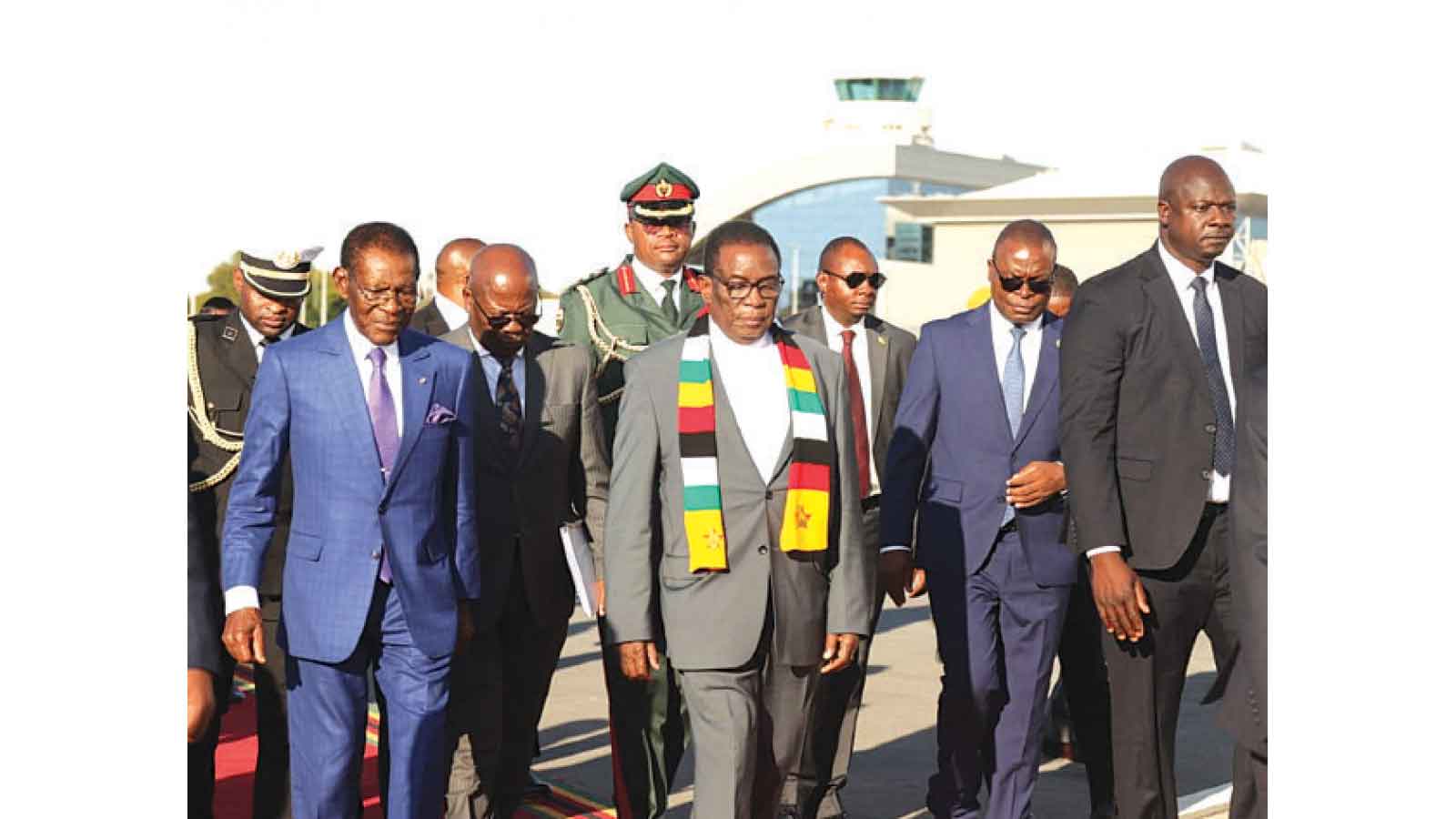
Source: ‘Translate strong ties into tangible benefits’ – herald Wallace Ruzvidzo-Herald Reporter ZIMBABWE and Equatorial Guinea must translate their strong political relations into tangible benefits for their peoples, Equatorial Guinea President Teodoro Obiang Nguema Mbasogo has said. He made the remarks yesterday after co-chairing the Zimbabwe-Equatorial Guinea Joint Commission on Cooperation (JCC) with President Mnangagwa. […]

The post ‘Translate strong ties into tangible benefits’ appeared first on Zimbabwe Situation.

Source: ‘Translate strong ties into tangible benefits’ – herald

Wallace Ruzvidzo-Herald Reporter

ZIMBABWE and Equatorial Guinea must translate their strong political relations into tangible benefits for their peoples, Equatorial Guinea President Teodoro Obiang Nguema Mbasogo has said.

He made the remarks yesterday after co-chairing the Zimbabwe-Equatorial Guinea Joint Commission on Cooperation (JCC) with President Mnangagwa.

The Equatorial Guinea leader, who flew back home yesterday at the end of his two-day State visit, was seen off at Robert Gabriel Mugabe International Airport by President Mnangagwa.

In his closing remarks, President Mbasogo said the State visit reflected the shared determination of Harare and Ciudad de la Paz to deepen bilateral cooperation and advance mutually beneficial development.

He also commended President Mnangagwa for his commitment to strengthening relations between the two countries.

President Mnangagwa said the partnership between Zimbabwe and Equatorial Guinea must now move decisively from dialogue to implementation, with emphasis on delivering concrete benefits to citizens.

He said this should be anchored on the timely and coordinated implementation of agreed programmes and projects.

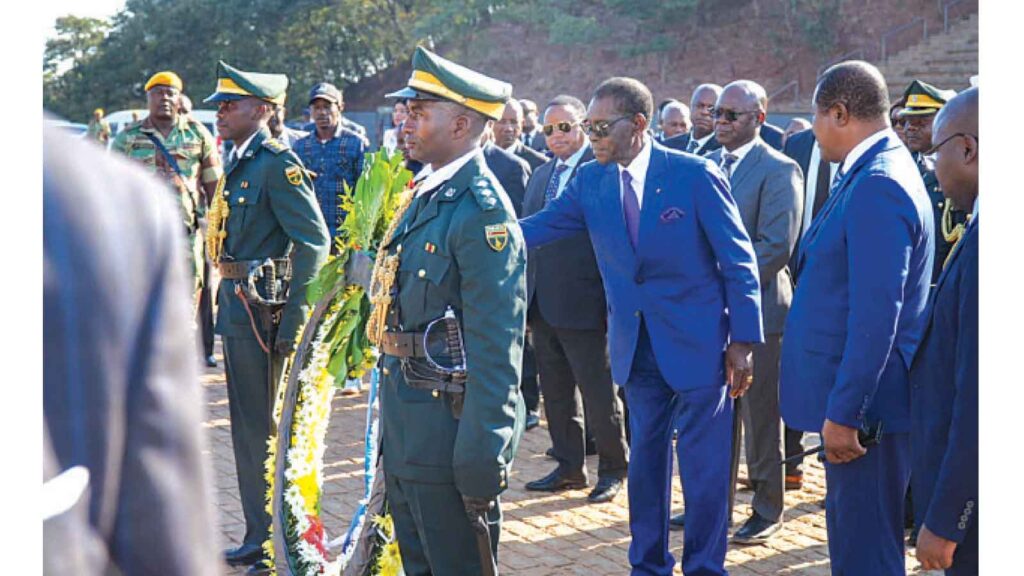
President Mbasogo lays a wreath at the Tomb of the Unknown Soldier at the National Heroes Acre in Harare yesterday.

“Inclusive development and equitable growth, that benefit our two economies and peoples should remain key objectives,” said President Mnangagwa.

“I commend the productive work undertaken by our ministers and officials across the various sectors.

“We have witnessed the signing of several instruments of cooperation.”

President Mnangagwa urged ministers and officials from both countries to ensure the expeditious operationalisation of all agreed programmes and the conclusion of outstanding agreements in areas identified for cooperation.

He also stressed the need to increase investments, business-to-business engagements and people-to-people exchanges to complement the excellent political relations enjoyed by the two nations.

“Air connectivity, inclusive of moving cargo, between our cities should be jointly pursued.

“Our cooperation in wildlife management has made commendable progress and such robust cooperation should be extended to other economic sectors.

“We have also registered success in our cooperation in the education sector. We, therefore, look forward to receiving more students from Equatorial Guinea in the immediate future,” said President Mnangagwa.

The President added that the frank, constructive and forward-looking engagements held during the State visit reaffirmed the enduring bonds of friendship between the two countries.

“Our discussions have been guided by shared history and collective commitment to building prosperous and self-reliant economies.

“This State Visit has provided us with an important opportunity to elevate our bilateral relations to a higher level.

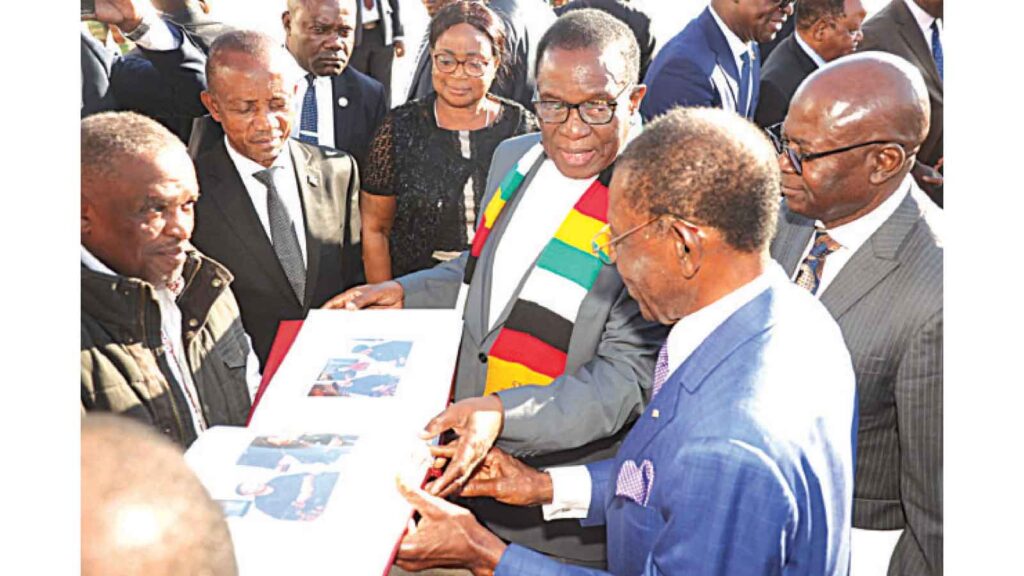
Presidential photographer Joseph Nyadzayo (left) shows President Mnangagwa and President Mbasogo an album of photographs that were taken during the latter’s previous visit to Zimbabwe. — Picture: Believe Nyakudjara.

“It has deepened and consolidated our ideals of Pan-Africanism, South-South cooperation and the aspiration for African unity, integration as well as shared prosperity,” he said.

President Mnangagwa also expressed gratitude to Equatorial Guinea for supporting Zimbabwe’s successful bid for a non-permanent seat on the United Nations Security Council (UNSC) for the 2027-2028 term.

“Zimbabwe stands ready to work closely with Equatorial Guinea and other like-minded partners in advancing a more equitable, inclusive and representative global governance architecture, one that reflects the realities and respects the aspirations of our beloved continent of Africa.

“I am confident that the goodwill that exists between our governments and peoples, will continue to provide the necessary foundation for cross-cutting partnerships and synergies for the prosperity of our two countries.

“Your Excellency, thank you for paying this State visit. I wish you good health and success in all your endeavours.

“I look forward to visiting you, in your beautiful country for a reciprocal visit as we continue to consolidate this enduring partnership,” he said.

As part of efforts to deepen bilateral cooperation, Zimbabwe and Equatorial Guinea signed four Memoranda of Understanding (MoUs).

The agreements cover education, economic and trade cooperation, cooperation in the training of interpreters and translators, and the Rules of Procedure of the Joint Commission for Cooperation.

The MoU on education was signed by the Minister of Higher and Tertiary Education, Innovation, Science and Technology Development, Dr Frederick Shava, and Equatorial Guinea’s Minister of Foreign Affairs, Simeón Oyono Esono Angüe.

The agreement on economic and trade cooperation was signed by Minister Angüe and Zimbabwe’s Minister of Foreign Affairs and International Trade, Professor Amon Murwira.

The MoU on cooperation in the training of interpreters and translators, as well as the Rules of Procedure of the JCC, were also signed by the two countries’ foreign affairs ministers.

The signing of the agreements marked another significant step in the strengthening of bilateral relations between Harare and Ciudad de la Paz, with both countries committing to broaden cooperation across key sectors of their economies.

The post ‘Translate strong ties into tangible benefits’ appeared first on Zimbabwe Situation.