Zim targets 100pc digital literacy by 2028

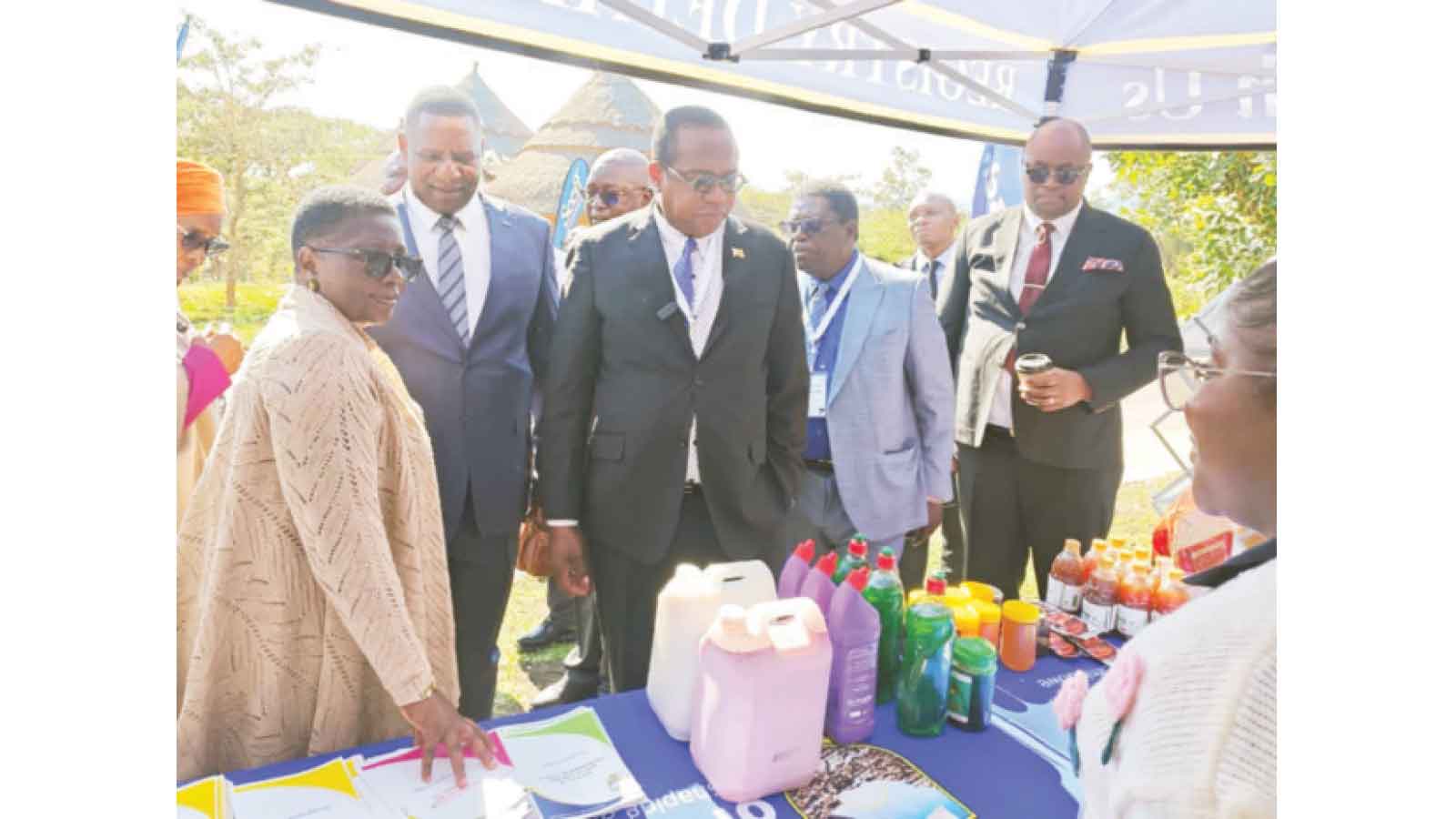
Source: Zim targets 100pc digital literacy by 2028 – herald ICT, Postal and Courier Services Minister Tatenda Mavetera (centre), Permanent Secretary Dr Beaulah Chirume (left) and Compulink director Eunice Nyamuda (right) follow proceedings during the Evolve ICT Summit in Harare yesterday. – Picture: Tinashe Chitwanga. Ivan Zhakata-Herald Correspondent GOVERNMENT has set a target of achieving […]

The post Zim targets 100pc digital literacy by 2028 appeared first on Zimbabwe Situation.

Source: Zim targets 100pc digital literacy by 2028 – herald

Ivan Zhakata-Herald Correspondent

GOVERNMENT has set a target of achieving 100 percent digital literacy over the next two years as it steps up efforts to transform Zimbabwe into a digital economy driven by innovation, artificial intelligence and technology-based solutions.

Speaking at the third edition of the Evolve ICT Summit in Harare yesterday, Information Communication Technology (ICT), Postal and Courier Services Minister Tatenda Mavetera said the country was implementing several initiatives to ensure all citizens participate in the digital economy in line with Vision 2030.

She said Government plans to train 200 000 people in digital literacy over the next three months through partnerships with the private sector and other stakeholders, while also pursuing a target of producing 1,5 million coders.

“Digital literacy is a must and our President has given us an ambitious target to reach 100 percent digital literacy by 2028,” she said.

Minister Mavetera said digital transformation was no longer an option, but a necessity, adding that Government was focusing on ensuring that no community is left behind in accessing digital services and opportunities. She said a nationwide broadband mapping exercise was underway to identify underserved areas and guide investments in connectivity infrastructure.

“We need to make sure that connectivity is accessible and affordable to the people so that we will be able to achieve a digital Zimbabwe,” said Minister Mavetera.

Evolve ICT Summit founder Mr Edward Nyamuda challenged African countries to take ownership of their digital future by developing home-grown solutions to local challenges.

“We must move from being data donors to being model owners. African data must train African models for African problems,” he said.

The post Zim targets 100pc digital literacy by 2028 appeared first on Zimbabwe Situation.

Mothers share pain of losing seven children in inferno

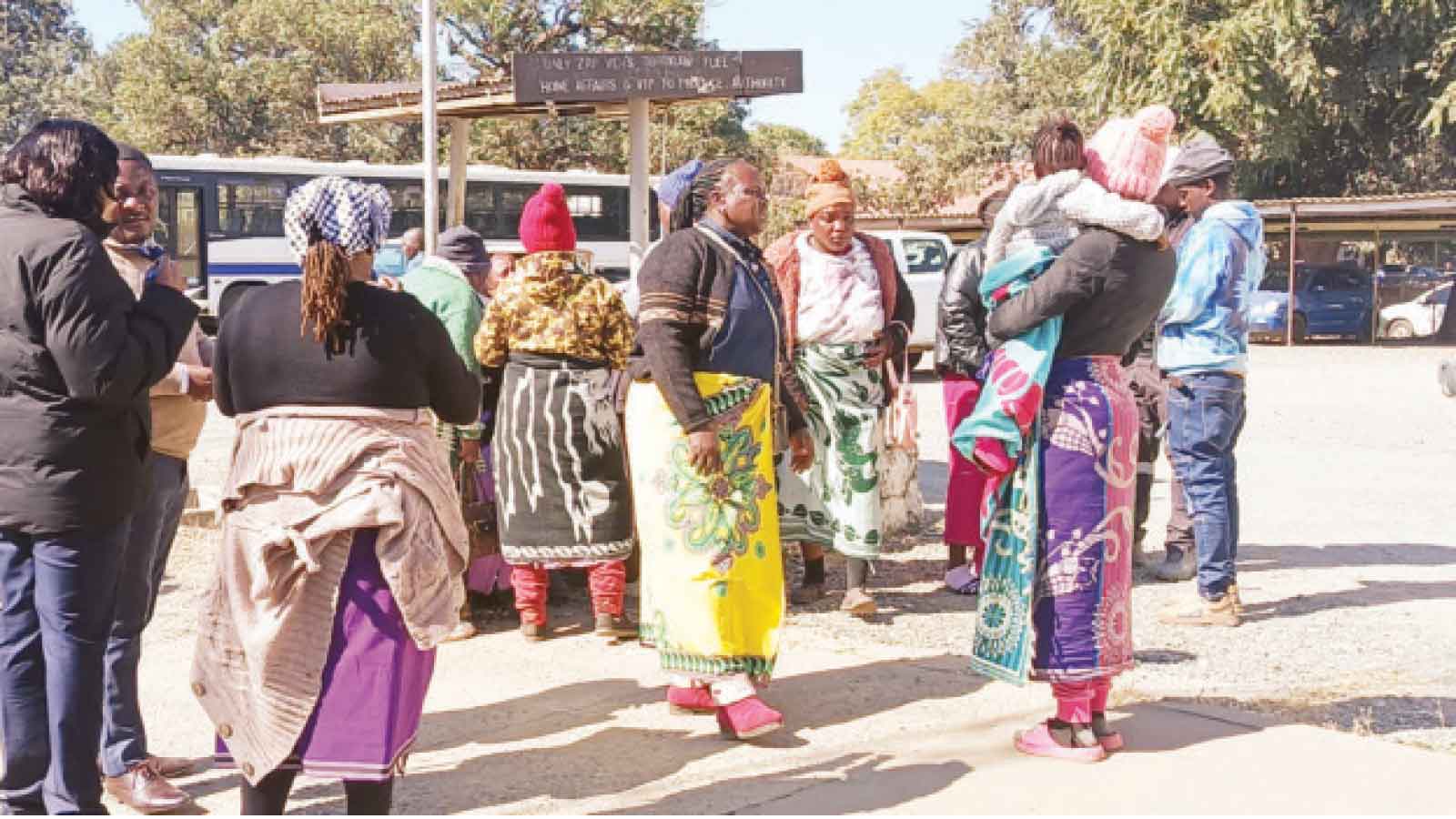
Source: Mothers share pain of losing seven children in inferno – herald Parents and guardians of the seven pupils who were burnt to death after the commuter omnibus they were travelling in caught fire in Senga suburb on Wednesday gather at Gweru Central Police station yesterday. – Picture: Patrick Chitumba. Patrick Chitumba-Midlands Bureau Chief A […]

The post Mothers share pain of losing seven children in inferno appeared first on Zimbabwe Situation.

Source: Mothers share pain of losing seven children in inferno – herald

Patrick Chitumba-Midlands Bureau Chief

A DISTURBING dream, an unexplained sense of dread and a tragedy that would shatter families forever.

For two Gweru mothers, Wednesday began with ominous signs that, hours later, would culminate in the devastating loss of their children in a commuter omnibus fire that claimed the lives of seven pupils.

Mrs Siphiwe Karingira woke up on Wednesday morning troubled by a recurring dream in which she was repeatedly tilling a maize field. Unable to shake off the feeling that something was wrong, she shared the dream with her friend, Ms Nokuthula Ngwenya, as they prepared to go about their day.

What neither woman knew was that within hours, they would receive heartbreaking news that would change their lives forever.

Mrs Karingira’s child, Albert Chenamikumbi, and Ms Ngwenya’s daughter, Alisha Loyo, were among the seven learners who perished in the commuter omnibus inferno near Matongo Primary School in Senga suburb, Gweru.

“On Tuesday night, going into Wednesday morning, I kept dreaming as if I was in a field, ploughing maize repeatedly. In the morning, I told Mai Amanda about it,” said Mrs Karingira in an emotional interview at Gweru Central Police Station yesterday morning.

Mrs Karingira and Ms Ngwenya are among the parents of the children who died in the horrific inferno after a commuter omnibus carrying pupils caught fire at around 1pm.

They, together with other parents and guardians, gathered at Gweru Central Police Station, where police and officials from various Government departments assisted them in identifying the charred remains of their loved ones.

Mrs Karingira, who works in the Central Business District, said she had felt unusually weak on the day of the tragedy and decided not to go to work.

“I work in town but yesterday (Wednesday) I could not go. I was weak, I could feel that something was wrong,” she said.

Speaking in a subdued voice, she paused often as she recalled the events of that morning.

According to some cultural beliefs, dreaming of tilling or preparing a field is associated with death or the loss of a loved one. Ms Ngwenya recalled warning her friend after hearing about the dream.

“She told me that she had dreamt she was tilling a field. I told her that, from what I had heard, such dreams can mean death,” said Ms Ngwenya, her voice trembling with emotion.

Hours later, tragedy struck.

“When I received the message about the accident, I immediately informed her. She did not believe me,” said Ms Ngwenya.

The two women travelled together to the scene, where their worst fears would be confirmed. Fighting back tears, Ms Ngwenya said she could not bring herself to look at the burning vehicle.

“I didn’t even look at the kombi. I went to the school and asked my child’s friend if they had seen her leave the kombi, but no one saw her,” she said quietly.

Ms Ngwenya said they were told to go home, but in her heart she already knew that their children had died. “They were made to sit at the back because they are always the last ones to be dropped off. One of their friends forgot her satchel in her classroom and, when she came back, the kombi crew made her sit in front and that’s how she survived,” she said.

According to police, the devastating incident occurred when a commuter omnibus carrying 24 pupils caught fire and was reduced to a shell. Seventeen children managed to escape from the burning vehicle, while seven others were trapped inside and lost their lives.

In response to the tragedy, President Mnangagwa declared the incident a national disaster, paving the way for Government assistance to the affected families.

Meanwhile, the three adults injured in the incident — the driver, the conductor and a female passenger — have since been discharged from Gweru Provincial Hospital after receiving treatment. Investigations into the cause of the fire are continuing as the nation mourns one of the worst road transport tragedies involving schoolchildren in recent years.

Gweru District Development Coordinator, Mr Tarisai Mudadigwa, said the Government had activated civil protection protocols to assist the families of the seven pupils.

He said a multi-agency response team had been deployed to provide immediate social support to affected families and schools.

The post Mothers share pain of losing seven children in inferno appeared first on Zimbabwe Situation.

Zim, E. Guinea take relations to higher level . . . set to sign key agreements today

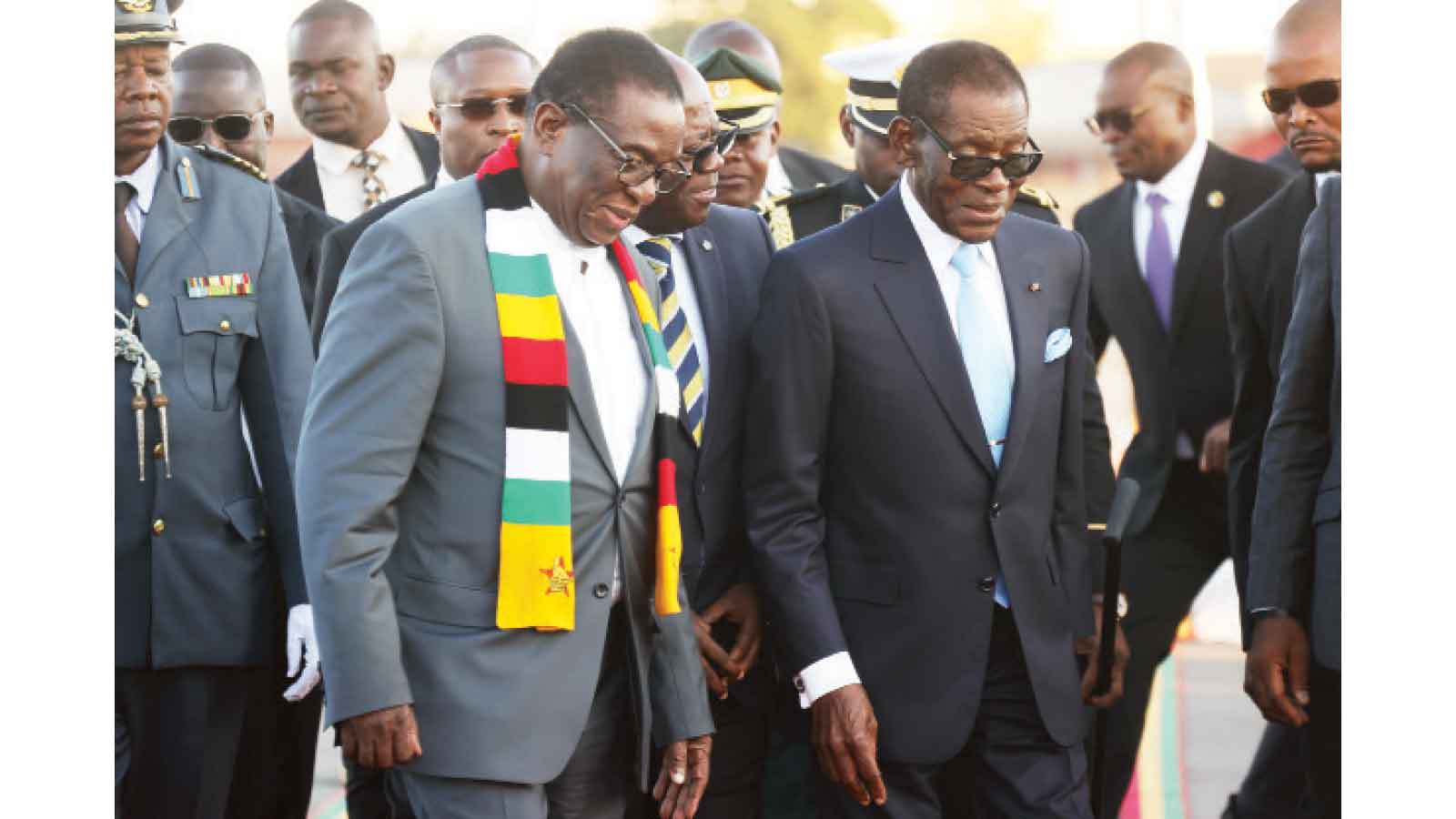
Source: Zim, E. Guinea take relations to higher level . . . set to sign key agreements today – herald President Mnangagwa welcomes his Equatorial Guinea counterpart President Teodoro Obiang Nguema Mbasogo on arrival for a two-day State visit at Robert Gabriel Mugabe International Airport in Harare yesterday. Debra Matabvu-Senior Reporter PRESIDENT Mnangagwa and his […]

The post Zim, E. Guinea take relations to higher level . . . set to sign key agreements today appeared first on Zimbabwe Situation.

Source: Zim, E. Guinea take relations to higher level . . . set to sign key agreements today – herald

Debra Matabvu-Senior Reporter

PRESIDENT Mnangagwa and his Equatorial Guinea counterpart, President Teodoro Obiang Nguema Mbasogo, are today expected to preside over the first Bi-National Commission (BNC), where several agreements are set to be signed.

The Equatorial Guinea President arrived in Harare yesterday for a two-day State visit aimed at strengthening relations between the two countries.

He was received at the Robert Gabriel Mugabe International Airport by President Mnangagwa, Vice President Constantino Chiwenga, senior Government officials and service chiefs.

He was accorded a 21-gun salute and inspected a Guard of Honour, before being taken to his hotel.

Last night, President Mnangagwa hosted a banquet at State House in honour of President Mbasogo.

Today, the two leaders are expected to co-chair the BNC, sign agreements and discuss new areas of cooperation.

During the visit, President Mbasogo is also expected to tour several historical, industrial and political sites in Harare, including the National Heroes Acre, Geo Pomona Waste Management Company and the Museum of African Liberation.

In an interview, Foreign Affairs and International Trade Minister Professor Amon Murwira said the visit sought to strengthen relations and expand cooperation between the two countries.

“The purpose of the visit is to basically strengthen the relations between the two countries,” said Prof Murwira.

“We expect that there will be signing of instruments of cooperation between the two countries and also discuss various new potential areas of cooperation.

“He is also expected to visit some local sites.”

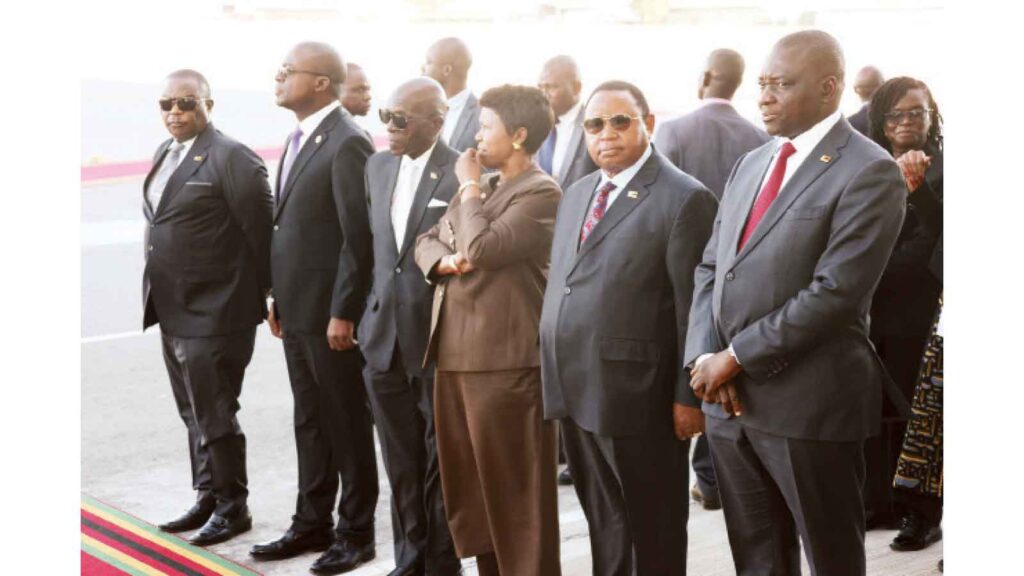
FROM LEFT: Vice President Dr Constantino Chiwenga, Ministers Professor Amon Murwira, Charles Tawengwa, Oppah Muchinguri-Kashiri, Ambassador Frederick Shava and Dr Zhemu Soda await the arrival of Equatorial Guinea President Teodoro Obiang Nguema Mbasogo at the Robert Gabriel Mugabe International Airport yesterday.  Pictures: Believe Nyakudjara.

Information, Publicity and Broadcasting Services Minister Dr Zhemu Soda recently said the inaugural session of the Joint Permanent Commission on Cooperation (JPCC) held in May was designed to promote regional and Pan-African cultural, economic and political integration; consolidate long-standing diplomatic ties; expand bilateral economic cooperation; and finalise legal instruments to deepen sectoral collaboration.

Among the key outcomes, Harare and Malabo committed to accelerating economic cooperation, regional integration and strengthening political and diplomatic consultations.

Specific areas of cooperation include trade promotion, education, rationalisation of visa fees, and collaboration in agriculture, wildlife management, fisheries, tourism and mining.

Zimbabwe and Equatorial Guinea enjoy warm relations dating back to the early 2000s, when Harare played a key role in foiling the 2004 coup attempt in Malabo that had been plotted by a group of mercenaries.

Since then, the two countries have maintained strong diplomatic relations.

President Mnangagwa visited Malabo in December 2022 to attend President Mbasogo’s inauguration. Zimbabwe was the only English-speaking country invited to the ceremony.

In 2023, President Mnangagwa also undertook a three-day visit to Equatorial Guinea, during which he was gifted a fully furnished presidential villa in Malabo by President Mbasogo.

The residence, named “Villa Zimbabwe”, is intended for use by the Zimbabwean Head of State during official visits to the Central African nation.

The post Zim, E. Guinea take relations to higher level . . . set to sign key agreements today appeared first on Zimbabwe Situation.

Zim eyes US$600m export windfall

Source: Zim eyes US$600m export windfall – herald Finance, Economic Development and Investment Promotion Minister Professor Mthuli Ncube (centre), War Veterans of the Liberation Struggle Affairs Minister Monica Mavhunga (left), Mashonaland Central Minister of State for Provincial Affairs and Devolution Christopher Magomo (second from left), National Economic Consultative Forum (NECF) Steering Committee co-chair Dr Mike […]

The post Zim eyes US$600m export windfall appeared first on Zimbabwe Situation.

Source: Zim eyes US$600m export windfall – herald

Oliver Kazunga-Senior Reporter

ZIMBABWE could unlock nearly US$600 million in export revenues from a proposed agro-industrial Special Economic Zone expected to accelerate industrialisation and economic transformation.

The Hunyani Agro-Industrial Special Economic Zone (HAISEZ), planned for a 2 600-hectare estate in Darwendale, about 60 kilometres west of Harare, has emerged as one of the largest integrated agricultural investment proposals in the latest Zimbabwe Investment and Development Agency (ZIDA) Projects Prospectus.

The project is being positioned as a flagship model for export-led growth, combining high-value crop production, livestock systems, agro-processing infrastructure and renewable energy generation within a single industrial ecosystem.

According to the prospectus, projected 11-year revenues are US$594,82 million while the profits anticipated in the same period are US$465,16 million.

The development places the proposed SEZ among the country’s biggest export-oriented agricultural developments.

The initiative reflects Government’s broader strategy to transition Zimbabwe from primary commodity exports towards higher-value, industrialised agricultural production capable of generating sustained foreign currency inflows.

At the core of the project is an integrated production model that includes 1 985 hectares of horticulture covering avocados, citrus and macadamia nuts, alongside large-scale livestock operations such as cattle production, poultry systems, hatcheries and advanced breeding technologies. The development also incorporates agro-processing infrastructure, including pack houses, cold storage facilities, abattoirs and fertiliser production units, aimed at retaining more value within the domestic economy before export.

A key feature of the SEZ is its strong export orientation, with about 80 percent of output targeted for international markets, positioning it as a potential major contributor to Zimbabwe’s foreign currency earnings. In addition, the prospectus states that the investment will include “a 100MW solar plant supplying both estate operations and mining-sector off-takers,” adding a diversified revenue stream beyond agriculture.

Government has increasingly prioritised Special Economic Zones as instruments to attract large-scale investment, promote technology transfer and enhance export competitiveness through tax incentives, infrastructure support and streamlined regulatory frameworks.

Against this background, Finance, Economic Development and Investment Promotion Minister Professor Mthuli Ncube recently launched the country’s first provincial Special Economic Zone in Mashonaland Central Province.

ZIDA noted that the Hunyani SEZ is backed by existing infrastructure valued at about US$15 million, including irrigation systems covering 700 hectares, established electricity connections, and strategic access to road, rail and air transport corridors linking Harare to regional and international markets.

Secure water rights from Lake Manyame further strengthen the project’s long-term viability, particularly amid climate variability and rising demand for irrigation-dependent agriculture.

Development partners behind the project include DrumCorp Holdings (Private) Limited, working with technical and advisory partners specialising in climate-smart agriculture, investment mobilisation and export market integration.

Economic commentator Ms Wendy Mpofu said the project could generate significant multiplier effects across the economy through employment creation, supply chain development, skills transfer and increased demand for local services and inputs.

“Projects such as HAISEZ represent the future of Zimbabwe’s economy.

“They bring together agriculture, energy, technology, finance and exports in a way that creates sustainable growth rather than isolated economic activity,” she said.

The integrated nature of the development is expected to support Zimbabwe’s broader industrialisation agenda by linking primary production with processing and export logistics, thereby enhancing competitiveness in global value chains.

The post Zim eyes US$600m export windfall appeared first on Zimbabwe Situation.

Duty-free fertiliser imports okayed to curb price spike 

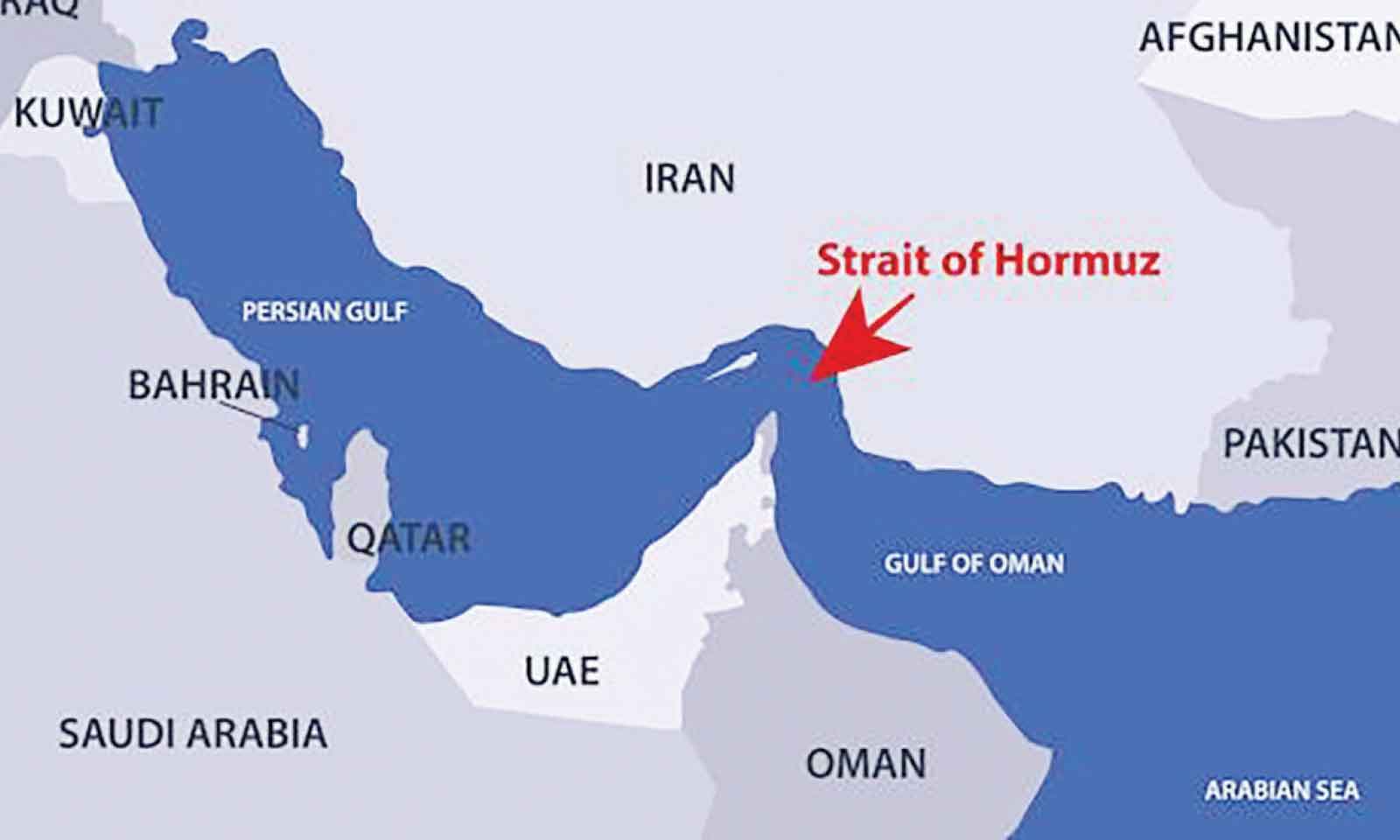
Source: Duty-free fertiliser imports okayed to curb price spike – herald Hopes for the immediate restoration of maritime traffic in the Strait of Hormuz to prewar levels are fading as fragile peace talks between the US and Iran faltered this week. Martin Kadzere THE Government will facilitate duty-free import of fertiliser and expedite revival of […]

The post Duty-free fertiliser imports okayed to curb price spike  appeared first on Zimbabwe Situation.

Source: Duty-free fertiliser imports okayed to curb price spike – herald
Martin Kadzere

THE Government will facilitate duty-free import of fertiliser and expedite revival of the Sable Chemicals ammonium plant to buffer the domestic market against soaring prices triggered by the Middle East crisis, Information, Publicity and Broadcasting Services Minister Dr Zhemu Soda said.

This comes against concerns that fertiliser prices in Zimbabwe could surge significantly if geopolitical conflicts cause long-term disruptions to global shipping routes.

According to the April Economic Pulse report published by local think-tank Africa Economic Development Strategies (AEDS), a worst-case scenario involving the prolonged militarisation or closure of the Strait of Hormuz for more than 12 months could result in fertiliser price increases.

Speaking during Tuesday’s post-Cabinet media briefing, Minister Soda explained that the fertiliser duty waiver aims to safeguard national food security against Middle East-induced shipping bottlenecks.

The maritime crisis has severely strained local logistics, driving Zimbabwean fuel prices up by about 30 percent since military escalations began at the end of February.

“The 2026/27 Summer Production Plan seeks to guarantee national food security against the backdrop of unprecedented compounding pressures, including the 80 percent probability of a Super El Niño-induced drought and heightened fuel and fertiliser prices,” said Minister Soda.

Hopes for the immediate restoration of maritime traffic in the Strait of Hormuz to prewar levels are fading as fragile peace talks between the US and Iran faltered this week. The breakdown followed fresh US airstrikes inside Iran and subsequent retaliatory Iranian drone and missile attacks on American military bases in the Gulf.

The dramatic escalation has reignited fears of a prolonged conflict that would keep the vital maritime choke point closed indefinitely. Zimbabwe imports significant quantities of fertiliser — a critical agricultural nutrient —due to the limited capacity of the local manufacturers.

The shortage stems from the fact that the Middle East is a major supplier of natural gas, a critical component in fertiliser production that relies on shipping routes passing through the Strait of Hormuz.

The resulting supply shock is projected to drive fertiliser prices up by 70 percent to 120 percent, pushing the retail price of a standard 50-kg bag of Compound D to US$77, says AEDS.

AEDS warns that the price hike will force farmers to drastically scale back applications, triggering a potential 35 percent to 80 percent drop in average national yields and forcing an emergency food import bill of up to US$600 million.

Even under less severe timelines, international bottlenecks are forecast to trigger immediate local economic strain, the AEDS says.

A moderate disruption scenario of six to 12 months — driven by prolonged regional tensions — is expected to cause intermittent stockouts of critical top-dressing urea and base compounds.

This would trigger a 30 percent to 50 percent surge in fertiliser prices, forcing smallholders to cut usage by 20 percent to 40 percent and shaving 15 percent to 30 percent off national outputs.

In the absolute best-case scenario of a brief 1 to three-month disruption mitigated by safe shipping corridors, the AEDS notes that minor delays and manageable shortages will still drive fertiliser prices up by 15 to 25 percent, culminating in an immediate 5 to 12 percent drop in average national maize yields.

While the Government has acknowledged the looming crisis, its current strategy prioritises a long-term plan to ensure the country achieves self-sufficiency in fertiliser production rather than addressing the immediate threat.

In a recent interview with Zimpapers on the sidelines of the recent SADC Ministers of Agriculture meeting in Victoria Falls, the Minister of Agriculture, Mechanisation and Water Resources Development, Dr Anxious Masuka, said a robust framework was being implemented locally.

“In Zimbabwe, we are already discussing the localisation of the fertiliser industry and there is a Cabinet committee that is focusing on that and we have made very important progress in that regard,” he said.

The Mutapa Investment Fund — Zimbabwe’s sovereign wealth fund — has launched a US$153,1 million revitalisation initiative specifically designed to revive the country’s domestic fertiliser value chain and reduce its heavy reliance on imports.  The strategy focuses on injecting capital into key State-owned entities to boost the capacity of the local manufacturers.

Already, Mutapa has disbursed US$5,3 million to refurbish the Dorowa plant, the country’s sole phosphate producer.

The refurbishment exercise is almost complete to pave the way for the resumption of full-scale production. An additional US$10 million has been earmarked for the next phase to further scale up production.

The mine is projected to produce 100 000 tonnes of phosphate concentrate annually, which will provide the necessary feedstock to manufacture roughly 300 000 tonnes of compound basal (Compound D) fertilisers.

To secure national economic interests, Mutapa is injecting US$13,3 million into Sable Chemicals to revive idled production while restructuring its ownership to increase the Government’s stake from 37 percent to a controlling 69 percent.

Downstream, the fund has extended a US$30 million working capital facility to ZFC and US$3 million to ZimPhos to accelerate local manufacturing and raw material procurement.

While Mutapa’s immediate financial injections focus on reviving existing factories, Zimbabwe’s true path to absolute fertiliser self-sufficiency lies beneath the Cabora Bassa Basin in Muzarabani.

The main bottleneck for local nitrogenous fertiliser production (like Ammonium Nitrate produced at Sable Chemicals) has always been the lack of locally sourced natural gas. Currently, the production chain is exposed to global shipping disruptions like those in the Strait of Hormuz.

Exploration by Invictus Energy at the Mukuyu Gas Field has confirmed high-quality gas-condensate discoveries, with independent estimates placing the resource base at upwards of several trillion cubic feet of gas.

Furthermore, upcoming high-impact drilling campaigns at prospects like Musuma-1 are expected to unlock even larger fairways. 

Invictus Energy already holds an active Gas Supply Memorandum of Understanding (MoU) with Sable Chemicals. Once commercial extraction and pipeline infrastructure are established, Muzarabani will provide a direct, localised stream of natural gas.

Economists say rising fertiliser costs would likely feed into broader food price pressures, adding strain to both farmers and consumers.

“Rising fertiliser costs act as a regressive tax on the entire food value chain,” Mr Enoch Musara said.

“Because fertiliser is a major upfront expense for farmers, the price hikes will inevitably bleed directly into the retail market, pushing the cost of basic commodities like mealie-meal and bread well beyond the reach of ordinary consumers.”

The post Duty-free fertiliser imports okayed to curb price spike  appeared first on Zimbabwe Situation.