Pastoralists gather in Mongolia for the UN Desertification conference

Source: Pastoralists gather in Mongolia for the UN Desertification conference | zimbabweland Today, COP17 of the UNCCD (UN Convention to Combat Desertification) kicks off in Ulaanbaatar, Mongolia. Top of the agenda is how to manage rangelands that support millions of pastoralists worldwide in sustainable ways. 2026 is the International Year of Rangelands and Pastoralists (IYRP), and the global […]

The post Pastoralists gather in Mongolia for the UN Desertification conference appeared first on Zimbabwe Situation.

Source: Pastoralists gather in Mongolia for the UN Desertification conference | zimbabweland

Today, COP17 of the UNCCD (UN Convention to Combat Desertification) kicks off in Ulaanbaatar, Mongolia. Top of the agenda is how to manage rangelands that support millions of pastoralists worldwide in sustainable ways. 2026 is the International Year of Rangelands and Pastoralists (IYRP), and the global gathering of pastoralists has just concluded. Many pastoralists and allies will be present at the COP, making the case for a new perspective on pastoralism. I hope that there will be Zimbabwean representation too, as livestock, rangelands and sustainability is a key issue in southern Africa too.

Back in April, I was invited to present at the Pastoralism and Dryland Development (PADD) seminar series in Nairobi organised by the Jameel Observatory/ILRI and the Rift Valley Institute and hosted by the British Institute for Eastern Africa. The talk was chaired by Tahira Mohamed and Rahma Hassan and explores new narratives for pastoralism and how they can link to the IYRP 2026.

Also, since January, we have been digging into the archives of the PASTRES project to present a blog summarising findings around each of the IYRP themes. We have been publishing one blog each month, aiming to contribute to the strong global advocacy for pastoralism that the events in Mongolia are focusing on.

The monthly PASTRES blog series has highlighted different dimensions of what is often overlooked about pastoralism and pastoralists and what we can learn from them, in critical areas such as climate resilience, desertification and biodiversity loss. Here are the links to each of the contributions so far.

January: A new narrative for pastoralism

This blog post introduces the international year, looks at what policy change is needed, and learning from the work PASTRES did to challenge several problematic narratives and assumptions used in mainstream policy related to pastoralism.

Read the blog: A new narrative for pastoralism: Opening the 2026 international year of rangelands and pastoralists

February: Pastoral mobility

February’s theme was ‘mobility and access’ and this blog highlights how mobility matters, with the ability to move to respond to variable conditions central to pastoral strategies.

Read the blog: Why pastoral mobility is essential

March: Rethinking social and economic services

To fit with the month of ‘social and economic services’, this blog post highlights how standard approaches to social assistance, humanitarian aid, social protection, and insurance are often not well-suited to pastoral areas.

Read the blog: Rethinking social and economic services in pastoral areas

April: Pastoralists and climate change

This blog posts discusses how too often all livestock are lumped together as being bad for the planet but highlighting how pastoral livestock systems are very different to industrial scale livestock.

Read the blog: Pastoralists, climate change and rethinking resilience

May: Pastoralism and the environment

The blog post for May’s theme of ‘biodiversity and ecosystem services’ unpicks many of the misunderstandings about the relationships between pastoralist livestock keeping and the environment that confuse policymaking around the world.

Read the blog: Pastoralists as guardians of the environment

June: Desertification and sustainable land use

This blog post recaps the PASTRES critique of ‘desertification narratives’ in pastoral areas for the IYRP theme that focused on ‘Soils, Water Resources and Sustainable Land Use’.

Read the blog: Challenging desertification narrativ

July: Real markets, complex value chains and pastoral livelihoods

This blog post focuses on how how pastoralists navigate market relations and complex value chains under conditions of uncertainty, responding to the IYRP theme on ‘Sustainable Consumption and Value Chains’.

Read the blog: Real markets, complex value chains and pastoral livelihoods

Read the full blog series, including the blog posts over the next six months on the PASTRES website.

The post Pastoralists gather in Mongolia for the UN Desertification conference appeared first on Zimbabwe Situation.

Unpaid ZUPCO Drivers Seize Buses

Source: Unpaid ZUPCO Drivers Seize Buses ⋆ Pindula News Drivers at the Zimbabwe United Passenger Company (ZUPCO) who have reportedly gone for more than 24 months without pay are now clinging to buses allocated to them and using them to raise money for their welfare. According to sources cited by Masvingo Mirror, the drivers refuse to […]

The post Unpaid ZUPCO Drivers Seize Buses appeared first on Zimbabwe Situation.

Source: Unpaid ZUPCO Drivers Seize Buses ⋆ Pindula News

Drivers at the Zimbabwe United Passenger Company (ZUPCO) who have reportedly gone for more than 24 months without pay are now clinging to buses allocated to them and using them to raise money for their welfare.

According to sources cited by Masvingo Mirror, the drivers refuse to part with the buses. They keep them, sleep in them, and even buy fuel and spare parts for repairs themselves to retain control.

The drivers fear that once the buses are surrendered to the depots for repairs, they may take many months to return because the company has no money for repairs, or they may never be released at all.

There are also fears that the buses could be stripped of parts while parked at the depots.

The situation comes as ZUPCO’s workforce has drastically shrunk. The Masvingo Mirror reported sources saying the company now has 1,500 workers, down from a peak of 7,000 a few years ago.

Some 2,000 former workers have since taken the company to court over unpaid salaries, with most having won default judgments that have seen ZUPCO property, including buses, being attached.

Of the 500 buses procured by the company between 2019 and 2022, only 150 are still functional. Almost all of those are reportedly not roadworthy, putting the lives of passengers in grave danger. In violation of the country’s laws, only 10 of the buses are registered and have number plates.

Efforts by the publication to get comment from management were unsuccessful. ZUPCO Operations Director and Acting Chief Executive Linda Samundere ended the call after being told a journalist was seeking her response to the issues raised and did not respond to subsequent calls.

Board Chairman Jamster Chimiga referred questions to the company’s public relations department, which could not be reached for comment by the time of going to print.

Workers’ Committee Chairman Jameson Matapo also declined to comment, saying he was not authorised to discuss company issues with the media.

“The law does not allow me to discuss company issues and besides I do not know you,” said Matapo.

The post Unpaid ZUPCO Drivers Seize Buses appeared first on Zimbabwe Situation.

Now up for murder: Horror as 3 Chikurubi prison inmates kill fellow prisoner

Three inmates at the Chikurubi Prison Psychiatric Unit have appeared in court facing murder charges after allegedly restraining and suffocating a fellow prisoner whom they accused of being violent. Tafadzwa Musemani, Panashe Muregude and Godfrey Zikumb…

Three inmates at the Chikurubi Prison Psychiatric Unit have appeared in court facing murder charges after allegedly restraining and suffocating a fellow prisoner whom they accused of being violent. Tafadzwa Musemani, Panashe Muregude and Godfrey Zikumba appeared before Harare provincial magistrate Ruth Moyo on Friday. The magistrate advised them to apply for bail at the […]

The post Now up for murder: Horror as 3 Chikurubi prison inmates kill fellow prisoner first appeared on My Zimbabwe News.

Kariba Ferry Disaster: Death toll rises to 92 as many questions go unanswered

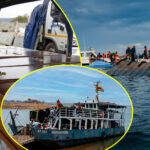
The death toll from the Lake Kariba ferry disaster has risen to 92, as recovery teams continue searching the vast reservoir for bodies and families wait for reliable information about relatives who were on board. The ferry overturned on August 11 durin…

The death toll from the Lake Kariba ferry disaster has risen to 92, as recovery teams continue searching the vast reservoir for bodies and families wait for reliable information about relatives who were on board. The ferry overturned on August 11 during a journey used by people from rural communities around Lake Kariba to reach […]

The post Kariba Ferry Disaster: Death toll rises to 92 as many questions go unanswered first appeared on My Zimbabwe News.

Zimbabwean President’s daughter-in-law deemed ‘danger to society’, denied bail

HARARE – President Emmerson Mnangagwa’s daughter-in-law, Kelsea Tafirenyika, and her uncle, Isaac Jessub, have been denied bail after a Harare magistrate ruled that they could pose a danger to society if released. Harare regional magistrate Marehwanazvo Gofa said the allegations involved dangerous drugs and that there were no conditions strong enough to prevent the pair […]

The post Zimbabwean President’s daughter-in-law deemed ‘danger to society’, denied bail appeared first on The Zimbabwe Mail.

HARARE – President Emmerson Mnangagwa’s daughter-in-law, Kelsea Tafirenyika, and her uncle, Isaac Jessub, have been denied bail after a Harare magistrate ruled that they could pose a danger to society if released.

Harare regional magistrate Marehwanazvo Gofa said the allegations involved dangerous drugs and that there were no conditions strong enough to prevent the pair from fleeing or committing similar offences.

“The society should be protected by keeping the accused persons locked,” Gofa said.

She also cited concerns over Tafirenyika allegedly possessing identity documents in another name, saying this made her a flight risk.

“There is a prima facie evidence of identity documents of Kelsea Tafirenyika as she uses another document in the name of Getrude Badza. This indicates she is a flight risk,” she said.

The peosecution alleges police recovered pethidine, morphine and cannabis from Tafirenyika’s Greystone Park home and inside her Lamborghini parked in her yard, while Jessub was allegedly found with morphine and pethidine in a Mercedes-Benz.

Prosecutors allege Jessub led police to Tafirenyika after his arrest, claiming she supplied him with the drugs.

The magistrate rejected her claims that the drugs had been planted, saying Jessub’s arrest and subsequent link to Tafirenyika undermined that argument.

The matter was postponed to August 27 as the two await trial.

The post Zimbabwean President’s daughter-in-law deemed ‘danger to society’, denied bail appeared first on The Zimbabwe Mail.