Source: SA government dismisses June 30 migrant exit deadline – herald
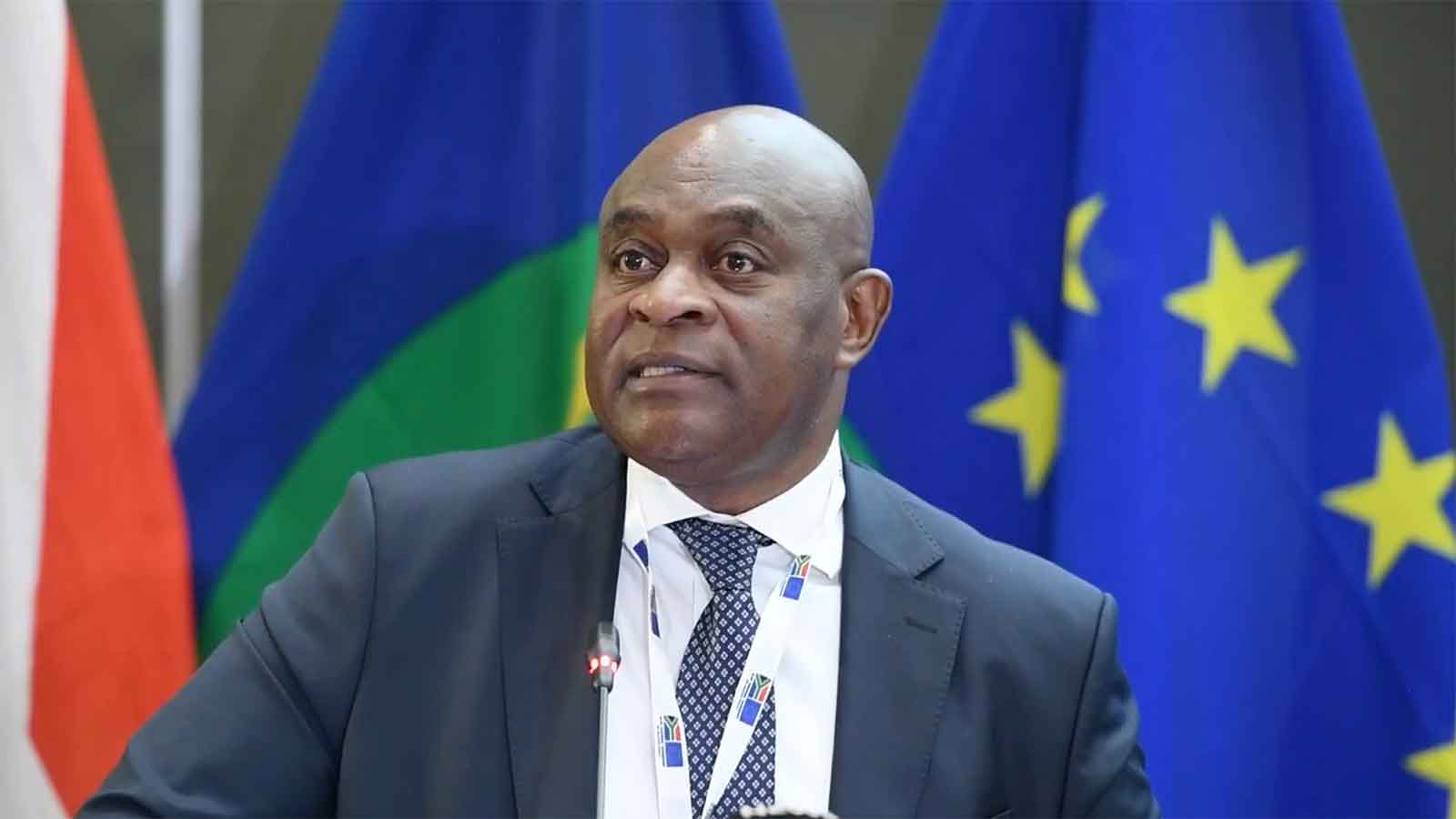 South Africa’s Home Affairs director-general Dr Tommy Makhode said Pretoria remains committed to enforcing immigration laws, but within the framework of the constitution and international human rights obligations.
Beitbridge Bureau
THE South African government has distanced itself from claims circulating on social media and other platforms that June 30 is the deadline for foreigners to leave the country, saying no such government directive exists.
Speaking during a high-level briefing on migration and regional cooperation last Friday, South Africa’s Home Affairs director-general Dr Tommy Makhode said Pretoria remains committed to enforcing immigration laws, but within the framework of the constitution and international human rights obligations.
He urged the public to disregard messages suggesting that all migrants were required to leave the country by month-end.
“The 30 June date you are hearing is not a government position,” Dr Makhode said.
“Our constitution and immigration laws protect the rights of everyone inside South Africa, whether you are a citizen or a migrant.
“Law enforcement must be done in a humane way and in line with global and United Nations conventions.”
His remarks come amid growing tensions in some parts of South Africa over illegal immigration, employment opportunities and pressure on public services, issues that have fuelled anti-foreigner rhetoric and calls for stricter immigration controls.
Dr Makhode said migration was a complex regional issue driven by factors such as poverty, conflict and the search for better economic opportunities.
South Africa, he said, is working with neighbouring countries and regional bodies to address both regular and irregular migration.
“An inter-ministerial team has been set up to deal with migration policy issues. The team coordinates with governments in SADC to manage both regular and irregular migration,” said Dr Makhode.
“South Africa was built by the sweat of migrants before and after apartheid. Migrants work in farms, mines, shops and many sectors, but migration must always be lawful.
“That is how we protect jobs, wages and services for everyone.”
He, however, stressed the need for compliance with immigration laws, adding that 45 percent of the country’s economic activity depended on trade and cooperation with other African nations, making regional collaboration essential.
Because of these economic links, he said, acts of vigilantism and hate directed at foreigners would not be tolerated.
To improve migration management, Dr Makhode said refugee reception centres would be relocated closer to ports of entry to facilitate the processing of asylum seekers.
He also revealed that South Africa was upgrading six land border posts with advanced technology to strengthen border security while ensuring humane treatment of travellers.
In addition, he commended Zimbabwe for progress made in modernising its border infrastructure.
Dr Makhode cited ongoing cooperation among Southern African countries in managing migration flows, noting that more than 1 800 Malawians had been repatriated by road using government-hired buses.
About 1 000 Zimbabweans had also left through the Beitbridge Border Post, while assisted voluntary repatriation processes for other nationalities were continuing.
He stressed that immigration enforcement remained the responsibility of designated law-enforcement agencies and not private individuals or groups.
While South Africans have a constitutional right to protest over issues such as employment and service delivery, he said such demonstrations must remain peaceful and lawful.
“The National Joint Operational and Intelligence Structure (NATJOINTS) team is on top of the situation,” said Dr Makhode.
NATJOINTS, which brings together police, Home Affairs and other government agencies, is coordinating efforts to address challenges associated with both regular and irregular migration.
Dr Makhode said government policy was guided by the 2019 National Action Plan to Combat Racism, Racial Discrimination, Xenophobia and Related Intolerance.
South Africa has also adopted International Labour Organisation protocols aimed at addressing labour migration issues and unfair labour practices.
He rejected suggestions that foreign migrants were solely responsible for South Africa’s socio-economic challenges, saying issues such as unemployment and service delivery failures were complex and required long-term solutions.
“In some cases, citizen journalists are using old or fake videos to create anger. Real media must rise above this and report the truth,” emphasised Dr Makhode.
He said labour inspectors were increasingly being deployed to tackle unfair labour practices and warned that employers violating labour laws would face prosecution regardless of whether they employed South Africans or foreign nationals.
Dr Makhode also stressed that access to essential services should not be denied on the basis of migration status.
“Turning away a child from school or a sick person from hospital is inhumane. Our government is principled. We believe in engagement with fellow African governments to resolve issues, not in hate,” he said.
Reaffirming the government’s position, he said immigration laws would continue to be enforced without compromising human dignity and constitutional protections.
“We encourage people to respect immigration and other laws in the region. At the same time, the rights of locals and migrants are protected by the constitution.”
The post SA government dismisses June 30 migrant exit deadline appeared first on Zimbabwe Situation.