Source: US$1,66bn irrigation drive to anchor dam-based industrialisation – herald
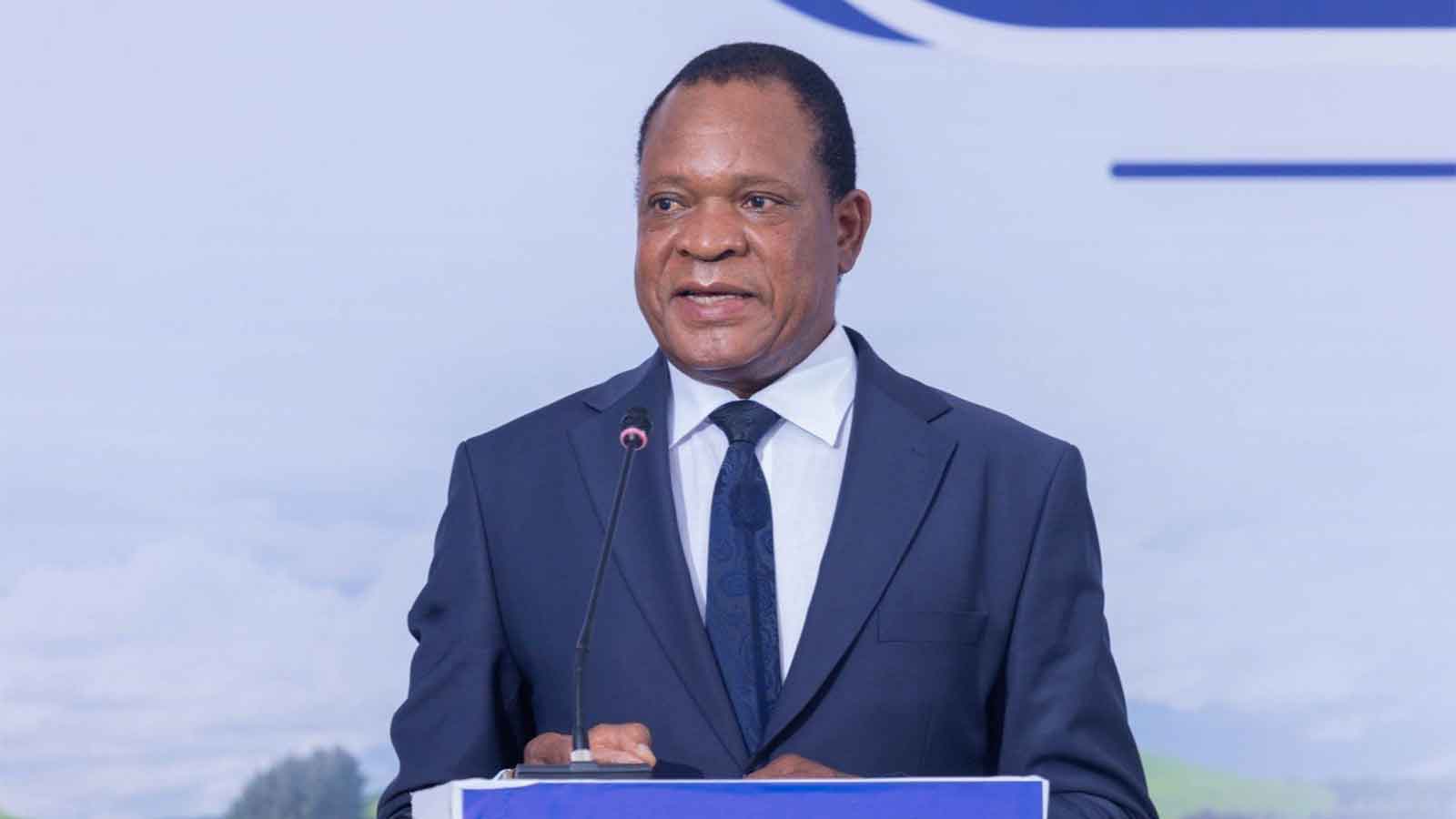 Anxious Masuka
Nqobile Bhebhe
Zimpapers Business Hub
AGRICULTURAL stakeholders have welcomed the recently announced Government programme that seeks to leverage the country’s water infrastructure for irrigation.
The programme has the potential to transform Zimbabwe’s rural economy by reducing dependence on rainfall and creating new agricultural value chains.
The initiative forms part of the broader “A dam is an economy” strategy, which seeks to harness Zimbabwe’s extensive water infrastructure to drive sustainable economic growth.
To fully realise its irrigation ambitions, the country requires an estimated US$1,66 billion to develop the remaining 237 227 hectares (ha) needed to attain the national target of 496 000ha under irrigation by 2030.
Mr Ntobeko Gumede, a farmer from Mtshabezi, Matabeleland South, where one of the earmarked dams is located, said the initiative would significantly strengthen the country’s food production systems.
“The expansion of irrigation infrastructure is critical in an era of climate change,” he said. “By developing productive economic zones around dams, the Government is creating conditions for year-round farming, increased productivity and greater participation by farmers in value-added agriculture.”
He said the programme could unlock investment opportunities across the agriculture sector.
“Reliable water supplies are often the missing link in agricultural investment,” he said. “If implemented effectively, these dam-based economic zones can attract capital into irrigation, agro-processing and export-oriented production while creating jobs in rural communities.
“Access to irrigation changes everything for communal and small-scale farmers. It improves productivity, strengthens food security and allows farmers to diversify into higher-value crops.
“The integration of irrigation with processing and marketing facilities will further improve incomes for rural households.”
Experts say the initiative reflects a shift from traditional infrastructure development towards integrated economic planning.
Mr Busani Malaba, a business strategist with ConsultWorld Enterprise, said the model was designed to maximise the economic value of water infrastructure.
“The Integrated Provincial Special Economic Zones (IP-SEZs) model is expected to unlock the full economic value of water infrastructure by creating production and industrial clusters around dams,” he said.
“Rather than focusing solely on irrigation, the model seeks to integrate agriculture, agro-processing, fisheries, tourism, mining, renewable energy generation and logistics into a single economic ecosystem.
“This approach is designed to maximise investment returns, create synergies between sectors and stimulate sustainable rural development.”
Agronomist Ms Rudo Makoni said the initiative could become a catalyst for investment and value addition in rural areas.
“By providing investors with ready access to water, land and supporting infrastructure, the dam-based special economic zones are expected to encourage the establishment of agro-processing plants, cold storage facilities, fish-processing ventures and renewable energy projects,” she said.
“This will help move rural communities from primary production to value addition and beneficiation, in line with the country’s industrialisation agenda.
“The integrated model is also expected to generate significant employment opportunities, while improving livelihoods in surrounding communities.
“Increased irrigation development will boost agricultural output and climate resilience, while the growth of tourism EZs, fisheries and agro-industries will create new income streams for local populations.”
For decades, the conversation around Zimbabwe’s dams has largely centred on water storage and irrigation. Today, that narrative is changing, as the Government moves to reposition the country’s water infrastructure as a catalyst for rural industrialisation, investment attraction and economic transformation.
From the vast Tugwi-Mukosi Dam in Masvingo to strategically located water bodies across the country’s rural provinces, dams are being earmarked to become SEZs capable of supporting agriculture, agro-processing, fisheries, tourism, renewable energy generation and other productive sectors.
The ambitious initiative aims to bring 78 159ha under irrigation while creating integrated economic ecosystems designed to unlock investment, generate employment and stimulate sustainable growth in rural communities.
Anchored in President Mnangagwa’s vision that “every dam must become an economy”, the programme will see dams evolve beyond their traditional role as water reservoirs to become integrated economic hubs supporting agriculture, agro-processing, fisheries, tourism, mining, renewable energy generation, potable water supply and logistics.
The strategy comes at a time when Zimbabwe is intensifying efforts to build climate resilience, enhance food security and achieve upper middle-income economy status by 2030.
According to a Government concept paper, an inter-ministerial and inter-agency technical task force has already been activated to oversee implementation, governance, monitoring and evaluation of the programme.
The task force draws membership from key institutions, including the Ministries of Agriculture, Mechanisation and Water Resources Development; Lands and Rural Development; Finance, Economic Development and Investment Promotion; Local Government and Public Works; and Energy and Power Development.
In a statement, Agriculture, Mechanisation and Water Resources Minister Dr Anxious Masuka said the Government was accelerating irrigation development and rural transformation through irrigation expansion.
“The President has directed that every dam must become an economy,” he said.
“The concept recognises that a dam must exist as an epicentre and driver of heightened agricultural production, new investment, expanded employment creation and a source of prosperity. It is in this context that the President hosted the ‘Accelerated Irrigation Development Conference’ in Harare on July 4, 2024.”
Zimbabwe has already recorded significant progress in irrigation development, increasing irrigated land from 171 000ha in 2020 to 258 773ha by May 2026 — representing a 51 percent increase, the fastest growth since independence.
The authorities acknowledge that considerable work remains to achieve the 2030 target.
The country will need to develop an average of 47 500ha annually over the next four years to reach the desired irrigation coverage.
The Government believes the dam-centred SEZ model, supported by climate-smart agriculture and improved agro-ecological planning, will play a critical role in closing the gap.
Under the framework, each rural province has identified five priority dams with substantial irrigation potential.
Masvingo province accounts for the largest proposed irrigation area at 38 433ha, anchored by Tugwi-Mukosi Dam, which alone has the potential to irrigate 20 600ha.
Mashonaland Central has identified projects covering 10 970ha, while Mashonaland West is targeting 8 322ha.
Manicaland has earmarked dams with a combined irrigation potential of 7 087ha, while Midlands province has identified projects covering 4 915ha.
Matabeleland North has a potential of 3 420ha, Matabeleland South 3 983ha, while Mashonaland East has identified opportunities covering 1 029ha.
The Government plans to undertake provincial investment road shows beginning July to showcase opportunities around the identified dams and attract private sector participation.
The post US$1,66bn irrigation drive to anchor dam-based industrialisation appeared first on Zimbabwe Situation.