Mangudya to appear before Parly committee 

Source: Mangudya to appear before Parly committee | The Herald March 4, 2019 Dr Mangudya Zvamaida Murwira Senior Reporter The Reserve Bank Governor of Zimbabwe, Dr John Mangudya, is set to appear before the Parliament’s Public Accounts Committee to explain several monetary issues as the august House resumes sitting this week after taking a two-week […]

The post Mangudya to appear before Parly committee  appeared first on Zimbabwe Situation.

Source: Mangudya to appear before Parly committee | The Herald March 4, 2019

Mangudya to appear before Parly committeeDr Mangudya

Zvamaida Murwira Senior Reporter
The Reserve Bank Governor of Zimbabwe, Dr John Mangudya, is set to appear before the Parliament’s Public Accounts Committee to explain several monetary issues as the august House resumes sitting this week after taking a two-week break.

Dr Mangudya has been invited to explain the operations of Zimbabwe Asset Management Company, special purpose vehicle created by Government to house non-performing loans from banks.

ZAMCO was formed in 2015 with a 10-year mandate to rid the banking sector of all non-performing loans after which the special purpose vehicle is anticipated to wind down its operations.

According to a schedule from Parliament, other issues that Dr Mangudya has been asked to explain are related to RBZ debts and Government overdraft facility with the central bank.

Discussions will also cover bond notes and coins.

The committee is expected to ask Dr Mangudya to explain the impact of the decision by the central bank to liberalise the foreign exchange rate as part of measures to contain the parallel market.

When the House resumes sitting tomorrow, the Privileges committee set up to investigate allegations against Norton MP Mr Temba Mliswa (Independent) and three others is expected to table its report before the National Assembly.

Parliament Standing Rules and Orders Committee chaired by Speaker of the National Assembly Advocate Jacob Mudenda appointed Chiefs’ Council president Chief Fortune Charumbira to look into allegations that Mr Mliswa and three other legislators demanded a $400 000 bribe from a local businessman.

The SROC, which met a fortnight ago, has since dissolved the Mines and Mining Development portfolio committee which was chaired by Mr Mliswa after it was felt that the bad blood among members could affect its business.

The dissolution of the committee came after the SROC observed that the Mliswa-led committee would trade accusation each time committee members met.

The setting up of a Privileges Committee followed a motion moved by Makoni South lawmaker Cde Misheck Mataranyika (Zanu-PF), who submitted that allegations against Mr Mliswa were of a serious nature requiring investigations by Parliament in order to safeguard the integrity of the august House.

Mr Mliswa, was implicated together with three other members  Cde Leonard Chikomba (Gokwe Kabuyuni, Zanu-PF), Mr Anele Ndebele (Magwegwe, MDC-Alliance) and Mr Prince Sibanda (Binga North, MDC-Alliance).


The post Mangudya to appear before Parly committee  appeared first on Zimbabwe Situation.

Matiza clears the air on number plates

Source: Matiza clears the air on number plates | The Herald March 4, 2019 Minister Matiza Tendai Mugabe Senior Reporter Government has not engaged any foreign company to manufacture vehicle registration number plates following a shortage caused by the lack of foreign currency to import raw materials required to produce the plates, Transport and Infrastructural […]

The post Matiza clears the air on number plates appeared first on Zimbabwe Situation.

Source: Matiza clears the air on number plates | The Herald March 4, 2019

Matiza clears the air on number platesMinister Matiza

Tendai Mugabe Senior Reporter
Government has not engaged any foreign company to manufacture vehicle registration number plates following a shortage caused by the lack of foreign currency to import raw materials required to produce the plates, Transport and Infrastructural Development Minister Joel Biggie Matiza has said.

Minister Matiza said the current arrangement in terms of producing number plates had not changed.

His remarks followed media reports last week insinuating that Government had engaged a Germany company Erich Utsch AG under a US$20 million deal to manufacture number plates at various plants to be set up in various provinces.

In an interview with The Herald, Minister Matiza said the media claims were unfounded.

He said Government was pinning its hopes on increased foreign currency inflows to procure the needed raw materials and continue the manufacture of number plates locally under the existing arrangements.

“We have not engaged any foreign company to manufacture number plates for us. Such media claims are bent on misleading the public.

“We are hoping that the recently announced monetary measures are going to result in increased foreign currency inflows and that will also allow us to import the raw materials we require to manufacture the number plates,” said Minister Matiza

“We also expect the new policy that we introduced on the use of old number plates to ease pressure on the demand for number plates.

Minister Matiza said the German firm just came with its proposals that were not adopted by Government and any suggestions that there was an agreement were misleading.

An official from the Ministry of Transport, who refused to be named, said there was no need to engage a foreigner to manufacture number plates.

He said Zimbabwe was among countries in Africa with low vehicle theft cases and there was no need to burden motorists with number plates with some unnecessary sophistications.

“Zimbabwe has the lowest vehicle theft rate in the region if not the entire African continent and close to 50 percent of all the vehicles are recovered through various methods most of all being the difficulty in cloning vehicle registration plates.

“Some African countries record as high as 50 000 vehicle thefts yearly but in Zimbabwe latest statistics show that Zimbabwe has under 200 vehicle thefts annually out of a vehicle population of one million. This shows we may not need to burden our motorists with some of these highly mechanised plates which call for the use of huge amounts of the scarce foreign currency.”

The post Matiza clears the air on number plates appeared first on Zimbabwe Situation.

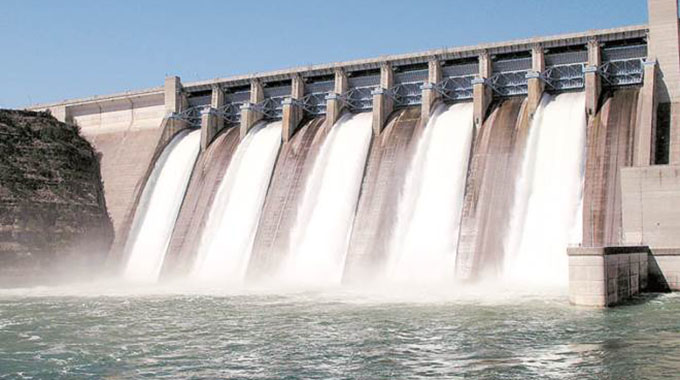
International bidders for Zim dam projects 

Source: International bidders for Zim dam projects | The Herald March 4, 2019 Fidelis Munyoro Senior Reporter Government has floated an international tender for the construction of 19 major water infrastructure facilities, including dams and water purification structures to enhance agricultural production and meet the demands of the growing urban population. Several investors have shown […]

The post International bidders for Zim dam projects  appeared first on Zimbabwe Situation.

Source: International bidders for Zim dam projects | The Herald March 4, 2019

International bidders for Zim dam projects

Fidelis Munyoro Senior Reporter
Government has floated an international tender for the construction of 19 major water infrastructure facilities, including dams and water purification structures to enhance agricultural production and meet the demands of the growing urban population.

Several investors have shown interest in funding water infrastructure in the country whose economy is heavily reliant on agriculture.

Government has anchored the revival of agriculture on irrigation and construction of dams countrywide and will go a long way in ensuring the success of such national projects as Command Agriculture.

Investment in public infrastructure is one of the key policy measures advanced by President Mnangagwa’s administration as it focuses on projects in the fields of energy, water and sanitation, housing and transport.

Under the Transitional Stabilisation Programme (TSP), Government is also focusing on expediting completion of ongoing infrastructural projects with a view to contributing to the revival of the economy.

The tender was floated by the Ministry of Lands, Agriculture, Water, Climate and Rural Resettlement.

Government said it intended to develop water infrastructure in partnership with the private sector on the basis of Build –Own-Operate-Transfer (BOOT).

According to an advert published in The Sunday Mail yesterday, the ministry said climate change and rainfall variability continued to have an impact on the country, hence the massive projects to mitigate against these impacts.

“Pursuant to this objective, potential investors in the form of individuals, partners or companies are invited to tender for the available water infrastructure projects on offer,” read the advert.

“All technical feasibility studies and determination of the project bankability shall be at the potential investor’s cost and part of the

Governments role shall be to supervise the studies for feasibility bankability including the implementation of the infrastructure.”

Government would be responsible for land acquisition and maintenance of the servitude for the water infrastructure. It would also be responsible for oversight during panning, implementation and tenure of the concession until handover of the project.

“Over and above this responsibility, the Government shall facilitate the repatriation of investor proceeds during the tenure of the concession to whatever destination and wherever the investor wants.”

Government would also do what is necessary to improve the costs of the BOOT arrangement.

In this case, Government would enable the concession holder to import plant and equipment on temporary import basis and duty free so that equipment and plant can be re-exported after the completion of the project and not at the end of concession.

“Rebate on company and expatriates income tax will have a reduction effect on the cost of the project,” said the ministry. “The dam servitudes which comprise all the activities that are undertaken but the National Parks will be under the concession holder in order to increase their revenue stream and hence increase project viability to the funders. This includes the land in and around the dam, development of tourism and marine activities.”

However, Government institutions namely the Zinwa, Zimparks, EMA and Ministry of Transport and infrastructural Development still remained the regulators of the projects.

The Ministry said concession holders would still maintain the payment of respective royalties to regulators that maintain the statutory requirements of the Government to ensure the safety and quality of the project.

“All the design reports that is, preliminary, feasibility, full design, geological and hydrological reports, should be lodged with the Ministry of Lands Agriculture, Water, Climate and Rural Resettlement and Zinwa.

These will become intellectual property of the Government of Zimbabwe.”

The roles of the Government and the investor during the implementation and operation of the water infrastructure are also outlined in the project prospectus.

Details for the projects can be found in a bidding document and project prospectus to be obtained after paying a non-refundable fee of $10.

The deadline for the submission of tenders is May 3.


The post International bidders for Zim dam projects  appeared first on Zimbabwe Situation.

Why do you dialogue with someone who has two votes?: Arthur Mutambara asks President Mnangagwa

FORMER Deputy Prime Minister Arthur Mutambara says President Emmerson Mnangagwa should not waste the nation’s time through dialoguing with losers from the July 30, 2018 elections. He was addressing a public meeting called for politicians, civil society…

FORMER Deputy Prime Minister Arthur Mutambara says President Emmerson Mnangagwa should not waste the nation’s time through dialoguing with losers from the July 30, 2018 elections. He was addressing a public meeting called for politicians, civil society leaders, business and other interested groups by a local think-tank. The aim of the meeting was to allow […]

Cancer cases rise steadily 

Source: Cancer cases rise steadily | The Herald March 4, 2019 Sifelani Tsiko Senior Writer At  least 7 265 Zimbabweans were diagnosed with cancer in 2016, an increase of about 100 above the 2015 figures (7 165). The latest figures published by the Zimbabwe National Cancer Registry are based on diagnoses reported to the cancer […]

The post Cancer cases rise steadily  appeared first on Zimbabwe Situation.

Source: Cancer cases rise steadily | The Herald March 4, 2019

Cancer cases rise steadily

Sifelani Tsiko Senior Writer
At  least 7 265 Zimbabweans were diagnosed with cancer in 2016, an increase of about 100 above the 2015 figures (7 165).

The latest figures published by the Zimbabwe National Cancer Registry are based on diagnoses reported to the cancer registry offices in Harare and Bulawayo, both public and private hospitals, health laboratories, haematology and radiology reports.

The registry said there were no significant observations made in the results for 2016 when compared with those made in recent years.

“The incidence and pattern of cancer occurrence, particularly the rankings of the common malignancies by gender and ethnicity remained relatively unchanged. Consistent with observations made in recent years, the incidence of prostate cancer continues to rise unchallenged,” said ZNCR registrar Mr Eric Chokunonga.

It is for the first time that the cancer registry has expanded its sources of information as it steps up efforts to speed up data collection to help the country to respond to complex health and development issues.

It’s also worthwhile to note that Zimbabwe has one of the oldest cancer registries on the continent, which has been relied upon extensively to support the setting up of cancer registry offices in various parts of Africa.

The latest data suggest that the number of cancer diagnoses has risen significantly from 4 015 in 2005 to 7 265 in 2016.

The rise in cancer cases in Zimbabwe is largely due to changes in diet and rapid urbanisation.

Cancer experts say as the country was rapidly urbanising, more people are getting cancers related to lifestyle rather than those linked to poverty.

The latest Zimbabwe National Cancer Registry report reveals that the total number of new cancer cases recorded among Zimbabweans of all races in 2016 was 7 265 comprising 3 123 (43.0 percent) males and 4 142 (57.0 percent) females.

In Harare, a total of 2 558 (35,2 percent) malignant tumours consisting of 1 181 males (46,2 percent) and 1 377 (53,8 percent) females were registered while the number of new registrations in Bulawayo was 1 111 (15,3 percent), comprising 493 (44,4 percent) men and 618 (55,6 percent) women.

Cervical cancer remained the lead cancer followed by prostate, breast cancer, Kaposi sarcoma, non-Hodgkin lymphoma, non-melanoma skin cancer, oesophagus and colorectal in that order.

The most frequently occurring cancers among Zimbabweans of all races in 2016 were cervix uteri (18 percent), prostate (10 percent), breast (eight percent), Kaposi sarcoma (KS) (six percent), non-Hodgkin lymphoma (NHL) (five percent), oesophagus (five percent), non-melanoma skin cancer (NMSC) (five percent), colorectal (four percent) and stomach (four percent). The other cancers accounted for 35 percent of the registered malignancies.

The leading causes of cancer among Zimbabwean black men in 2016 were prostate cancer (22,8 percent), followed by KS (10,4 percent), NHL (8,1 percent), oesophagus (7,2 percent), liver (five percent), stomach (3,9 percent), eye (3,3 percent), lung (3,2 percent), NMSC (2,8 percent) and colon (2,7 percent).

In Zimbabwe black women, the most common cancers were cervical cancer (33,2 percent), breast (12,1 percent), oesophagus (4,6 percent), KS (4,1 percent), NHL (3,8 percent), stomach (3,6 percent), ovary (2,9 percent), liver (2,7 percent), colon (2,3 percent) and tumours of the brain and nervous system (2,2 percent).

Non-melanoma skin cancer (NMSC) was the most frequent cancer among Zimbabwean non-black men (42 percent) in 2016.

This was followed by prostate cancer (14,8 percent), lung (6,2 percent), melanoma skin cancer (MSC) (6,2 percent), colon (4,7 percent), rectum (3,9 percent), bladder (3,1 percent), NHL (2,7 percent), oesophagus (1,6 percent) and breast (1,6 percent).

The leading cancers in non-black Zimbabwean women were NMSC (40,1 percent), breast (23 percent), lung (6,3 percent), melanoma skin cancer (MSC) (5 percent), NHL (3,6 percent), colon (3,2 percent), rectum (2,7 percent), corpus uteri (2,7 percent), cervix uteri (2,3 percent) and ovary (1,4 percent).

A total of 268 childhood cancers (age 0-14) of all races were recorded in 2016. These comprised 154 (57,5 percent) boys and 114 (42,5 percent) girls. The cancers accounted for 3,7 percent of all the cancers recorded in 2016.

The leading causes of cancer deaths among children included leukaemia, lymphoma, tumours of the brain, renal tumours, nervous system, eye, soft tissue tumours and bone tumours.

The most common childhood cancers of all races recorded in 2016 according to the International Classification of Childhood Cancer (ICCC) were as follows: renal tumours (19 percent), leukaemia (15 percent), soft tissue and other extra-osseous sarcomas (13 percent), lymphomas and reticuloendothelial neoplasms (13 percent), retinoblastomas (11 percent), central nervous system and miscellaneous intracranial and intraspinal neoplasms (11 percent), malignant bone tumours (six percent) and hepatic tumours (three percent).

Kaposi sarcoma accounted for 22,2 percent of the soft tissue and other extra-osseous sarcomas in both boys and girls.

A total of 2 751 cancer deaths comprising 1 286 (46,7 percent) males and 1 465 (53,3 percent) females were recorded in Harare, Chitungwiza and Bulawayo in 2016. The leading causes of the deaths were cervical cancer (12 percent), prostate (11 percent), oesophagus (eight percent), breast (seven percent), liver (six percent), non-Hodgkin lymphoma (five percent), stomach (five percent), colorectal (four percent) and Kaposi sarcoma (four percent). The other cancers constituted 38 percent of the recorded deaths.

A total of 126 childhood cancer deaths were recorded in 2016. These consisted of 74 (58,7 percent) boys and 52 (41,3 percent) girls. The leading causes of mortality among the children were as follows: leukaemia (20 percent), renal tumours (16 percent), lymphoma (15 percent), tumours of the brain and nervous system (11 percent), retinoblastoma (10 percent). The other cancers constituted 28 percent of the deaths.

ZNCR registrar, Mr Chokunonga said the year 2016 represented the most completely documented in the history of the country.

“In 2018, serious efforts were made to improve national coverage by conducting a national outreach programme to collect clinically diagnosed cases in the provinces that may not have been referred to facilities in Harare and Bulawayo,” he said.

“This was done to ensure that the data for this report for 2016 would be as complete as practically possible.”

However, despite the great strides made ZNCR, the report indicated that little progress had been made to enact the necessary legislation to make cancer a notifiable disease by 2018.

This was largely due to lack of resources and lack of a lobby for the amendment of the Public Health Act to make cancer a reportable disease. It is also worrying that there was no budgetary support in 2016 to fund the extension of ZNCR activities to the provinces.

Zimbabwe has made noteworthy progress in the conduct periodic health programme reviews to establish whether policies are producing the desired results.

It has undertaken assessments on the incidence, distribution, and control of diseases. This is done through frequent analysis of routinely collected data with the aim of improving programme implementation.

These periodic reviews have served as an important input for national strategic plans. But, critics observe that there are still challenges with the collection of accurate and timely data, their utility, use and analytical capacity.

This means that it will continue to be difficult for Zimbabwe to develop evidence-based policies.

Data experts who may include data managers, statisticians and data analysts need to be supported with resources to help them generate data that can help Zimbabwe to meet its national and regional commitments to sustainable development goals on health.

The Government must invest reasonably to help generate data that is relevant, timely and accurate for decision-making purposes.

This is critical to improving the effectiveness and sustainability of our health systems.

The post Cancer cases rise steadily  appeared first on Zimbabwe Situation.