Local investors lead rural industrialisation drive 

Source: Local investors lead rural industrialisation drive – herald Dr Soda yesterday said high-impact projects being implemented by locals across the country spoke volumes about the capacity of Zimbabweans to drive the nation’s march towards upper-middle-income status by 2030. George Maponga in Mwenezi INDIGENOUS Zimbabweans have the capacity to undertake transformative projects that add impetus […]

The post Local investors lead rural industrialisation drive  appeared first on Zimbabwe Situation.

Source: Local investors lead rural industrialisation drive – herald
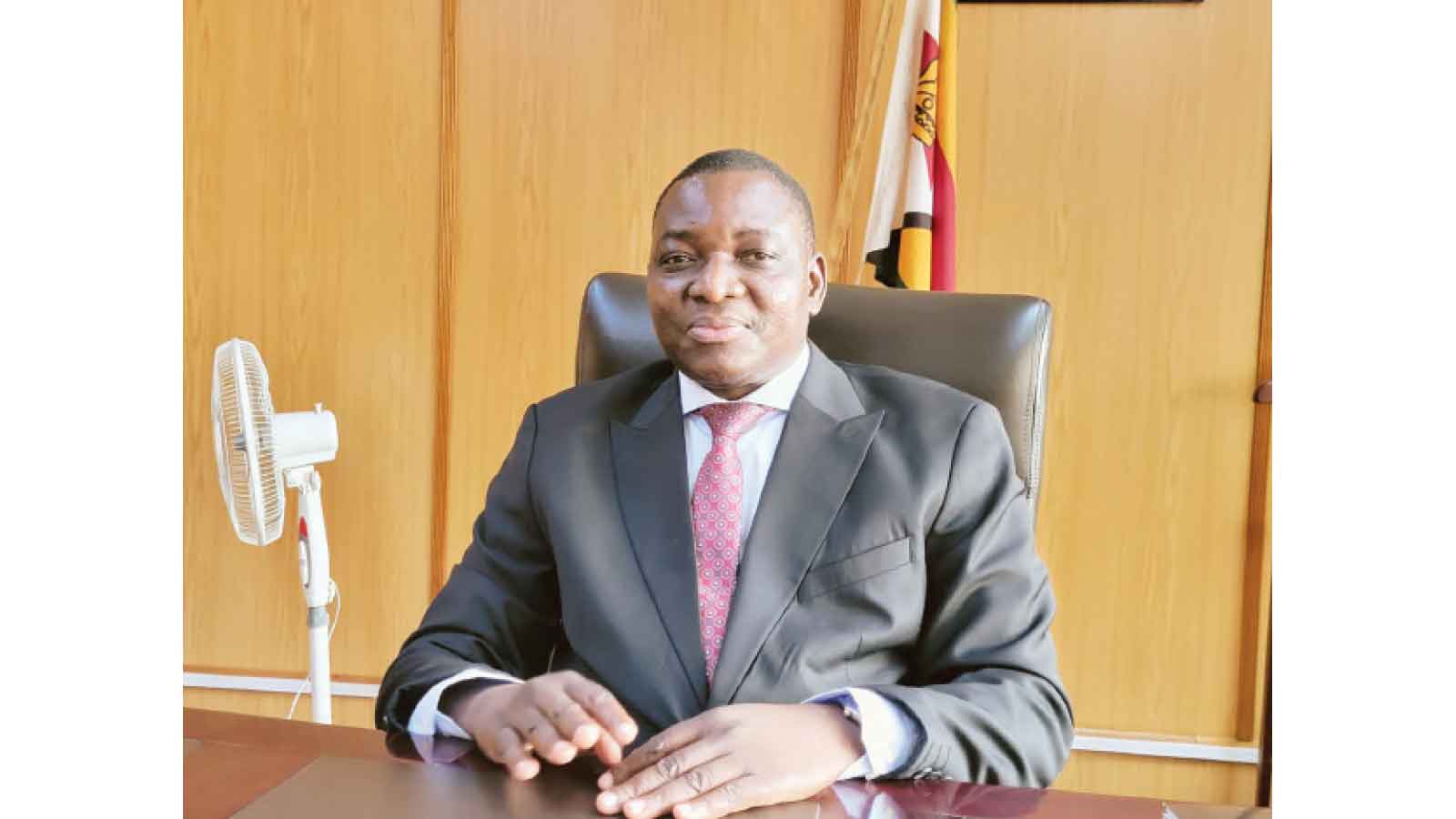
George Maponga in Mwenezi

INDIGENOUS Zimbabweans have the capacity to undertake transformative projects that add impetus to the Second Republic’s rural industrialisation and modernisation drive, helping propel the country towards becoming an upper-middle-income economy, Information, Publicity and Broadcasting Services Minister Dr Zhemu Soda has said.

He was speaking at Nuanetsi Ranch in Mwenezi East, where the Development Trust of Zimbabwe (DTZ) has partnered with eight local private investors to develop a green corridor spanning more than 30 000 hectares.

The green corridor at Nuanetsi is being put under sugar cane production, with future plans to introduce citrus and lucerne cultivation.

Upon completion, the project is expected to create more than 15 000 direct jobs and contribute US$2 billion annually to Zimbabwe’s gross domestic product. Dr Soda toured the fledgling greenbelt project on the second day of his visit to signature projects being implemented under the Second Republic and aligned with Vision 2030.

He toured sugar cane fields being developed by Lyonais Enterprises and Henzero Agro Projects at Nuanetsi, where more than 300 hectares of virgin land have been put under sugar cane production.

This forms part of the DTZ initiative, together with its partners, to establish a massive green corridor at Nuanetsi using water from Tugwi-Mukosi Dam.

At the centre of the greenbelt project, a citrus-processing plant and an ethanol-processing facility will be established, spurring significant rural industrialisation and modernisation in parts of Mwenezi and Chiredzi districts.

The eight local investors partnering with DTZ have so far invested a combined US$70 million in developing the greenbelt.

Minister Soda commended the initiative as an example of local solutions helping to address gaps in the national development matrix.

“We have seen highly mechanised sugar cane fields using the latest irrigation technology, developed by a group of local investors in partnership with DTZ. This project here speaks to the National Development Strategy 2 (NDS2), which feeds into Vision 2030,” he said.

“What we have seen here at Nuanetsi is evidence that indigenous Zimbabweans have the capacity to lead from the front in helping the nation achieve rural industrialisation and modernisation.”

Minister Soda said President Mnangagwa deserved credit for creating the conducive environment for indigenous players to participate in the local economy.

He noted that projects being developed by indigenous Zimbabweans were creating jobs and helping to grow the country’s gross domestic product.

The greenbelt project at Nuanetsi is a product of President Mnangagwa’s visionary leadership, the Minister added.

“The President is the patron of DTZ and the land here is wholly owned by the State. We are pleased that the investors have committed resources to developing sugar cane fields and are now planning to venture into citrus production using water from Tugwi-Mukosi Dam.

“There is also ongoing reorganisation of settlements here in Nuanetsi, where beneficiaries are receiving title deeds and will also benefit from co-existing with these investors through employment opportunities and access to clean potable water, thanks to the ongoing borehole-drilling programme,” he said.

Minister Soda expressed optimism that agriculture would continue to anchor Masvingo Province’s plans to grow into an US$8 billion economy by 2030.

DTZ general manager Mr Emmanuel Jaricha said the partnership between the trust and private investors was bearing fruit.

“All that is happening here is thanks to President Dr ED Mnangagwa and his Government, who created the right conditions for this kind of investment to take place,” he said.

“This green corridor project has already created about 1 200 direct jobs and that figure will rise to more than 15 000 when it reaches full capacity. We will easily become the second-largest employer in Zimbabwe after Government.”

Mr Jaricha also paid tribute to Government for facilitating the orderly relocation of settlers from DTZ land.

“We are working closely with our partners to drill boreholes for families being relocated and receiving title deeds.”

Permanent Secretary for Masvingo Provincial Affairs and Devolution Dr Addmore Pazvakavambwa said the province was on course to grow into an US$8 billion economy by 2030.

He said agriculture had proved to be the province’s trump card in driving transformative development in line with Vision 2030.

After touring Nuanetsi Ranch, the Minister visited the new artificial intelligence-powered silos at Rutenga and a multi-service centre at the growth point that value-adds castor beans, sesame and sunflower seeds to produce cooking oil.

The plant also processes paprika.

Accompanying Dr Soda were the ministry’s Permanent Secretary, Mr Nick Mangwana, and other Government officials.

The post Local investors lead rural industrialisation drive  appeared first on Zimbabwe Situation.
New private school commissioned

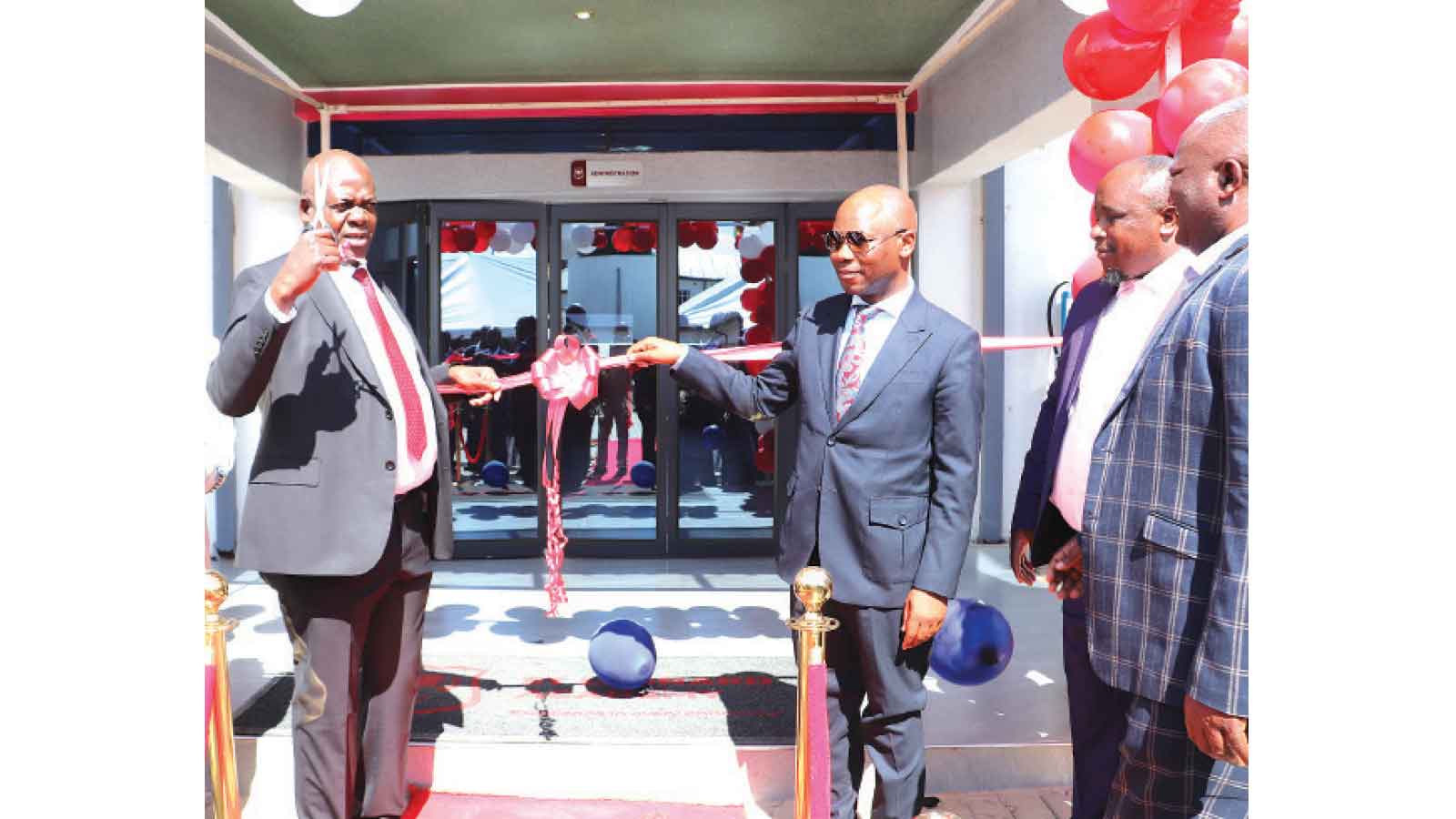
Source: New private school commissioned – herald Primary and Secondary Education Minister Torerayi Moyo (left) cuts a ribbon to officially open St Leonard Academy in Goromonzi District, Mashonaland East Province, while Masvingo Provincial Affairs and Devolution Minister Ezra Chadzamira (right), businessman Dr Leornard Mukumba (second from right) and Mashonaland East Provincial Affairs and Devolution Minister […]

The post New private school commissioned appeared first on Zimbabwe Situation.
Source: New private school commissioned – herald

Takunda Gambiza-Herald Reporter

THE Government is planning to establish 150 primary and secondary schools nationwide to eliminate the country’s education facilities infrastructure deficit, Primary and Secondary Education Dr Torerai Moyo has said.

Speaking at the commissioning of the privately-owned St Leonard Academy in Harare on Wednesday, Dr Moyo said the new school represented a major investment in Zimbabwe’s future and demonstrated the importance of public-private partnerships in expanding access to quality education.

“The official commissioning of this state-of-the-art educational institution is far more than the opening of a new school. It is the fulfilment of a visionary dream, a significant investment in Zimbabwe’s future and a clear demonstration of our collective commitment to expanding access to quality, inclusive and transformative education,” he said.

The event was attended by Government officials, including Mashonaland East Provincial Affairs and Devolution Minister Advocate Itayi Ndudzo, Masvingo Provincial Affairs and Devolution Minister Ezra Chadzamira, Skills Audit and Development Minister Dr Jenfan Muswere, the Treasurer-General of ZANU PF Cde Patrick Chinamasa and other top officials.

Dr Moyo said the Government had reduced the national school deficit from about 3 000 schools in 2020 to 1 800 through sustained infrastructure development.

He said the target for 2026 was to construct at least 150 schools after building 120 last year.

“We are building so many schools because we still have a deficit of 1 800 schools. Government will not tolerate a situation whereby learners travel distances exceeding five kilometres to access education.”

Dr Moyo said the Government had secured a major private sector partner committed to constructing 1 000 schools across Zimbabwe, saying the initiative would eliminate the national school deficit before 2030.

He applauded businessman Dr Leonard Mukumba, founder of St Leonard Academy, for investing in education and constructing two schools under the academy’s name.

Dr Moyo said the project reflected the Second Republic’s emphasis on public-private partnerships, adding that Government alone could not meet all developmental needs.

“Government alone cannot meet every developmental need, but together with committed citizens, communities, churches, development partners and the private sector, we can accelerate the provision of quality education for every Zimbabwean child,” he said.

The post New private school commissioned appeared first on Zimbabwe Situation.
Govt accelerates rural industrialisation

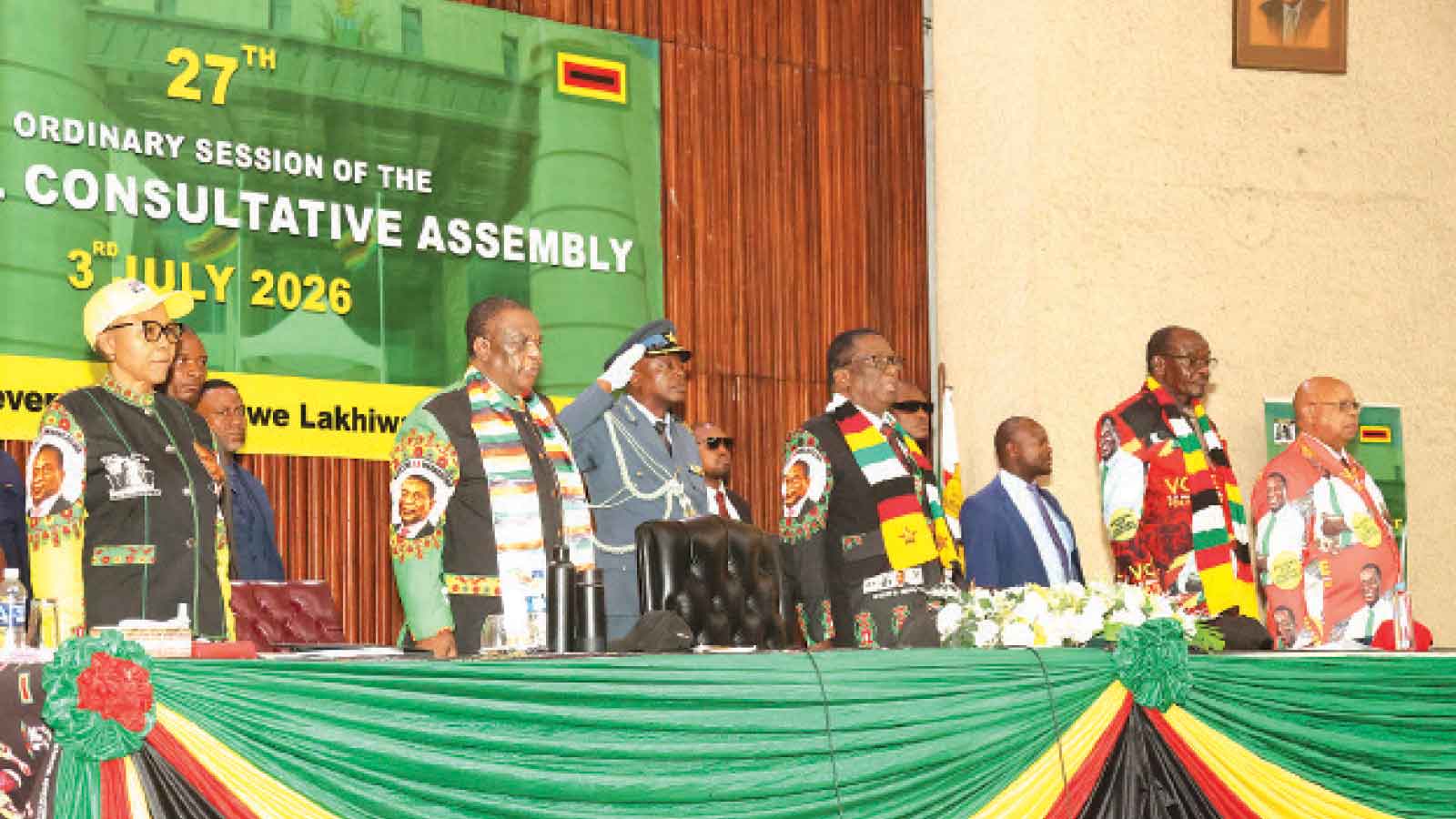
Source: Govt accelerates rural industrialisation – herald Zanu PF First Secretary and President, Cde Mnangagwa, flanked by Vice President Cde Constantino Chiwenga (second from left), Vice President Cde Kembo Mohadi (second from right), national chairman Cde Oppah Muchinguri‑Kashiri (left) and secretary-general Cde Jacob Mudenda (right) at the 27th Ordinary Session of the National Consultative Assembly […]

The post Govt accelerates rural industrialisation appeared first on Zimbabwe Situation.
Source: Govt accelerates rural industrialisation – herald

Zvamaida Murwira-Senior Reporter

GOVERNMENT is scaling up its rural industrialisation agenda as part of the Second Republic’s efforts to uplift the lives of ordinary people so that they participate in the local and wider global economy, President Mnangagwa has said.

The President, who is the ZANU PF First Secretary, said this yesterday while addressing the 27th Ordinary Session of the National Consultative Assembly held at the party headquarters in Harare.

President Mnangagwa said the Second Republic is accelerating the roll-out of the rural industrialisation agenda as a key pillar for inclusive national development.

“Through Village Business Units and promoting the ‘Dam as an economy’ concept, we are taking opportunities, industries and markets directly to our communities,” he said.

“We will continue to implement programmes to equip women and youth with the knowledge and competencies required for them to participate in the modern local and global economy meaningfully”.

President Mnangagwa said the party remained committed to empowering ordinary people through various projects.

“Our colossal revolutionary mass Party remains unwavering in its commitment to the empowerment and an improved quality of life for our people. The modernisation, industrialisation and broader national development agenda of our beloved motherland, Zimbabwe, continues to gain momentum.

“Unity among our people is stronger, peace prevails, and democracy is being consolidated. Our revolutionary party-led Government is realising practical results that impact on the day-to-day lives of the people.”

The President said the party’s empowerment models have resulted in self-reliance for members of the party’s organs.

“The Party’s new empowerment models have seen programmes for the members of the Women, Youth and War Veteran’s Leagues leading to greater self-reliance, economic inclusion and a higher quality of livelihoods.

“ZANU PF is a Party with a history, a Party of the present, and the future. The world is increasingly embracing research, technology and innovation,” said President Mnangagwa.

He said as a mass Party, Zanu PF is, therefore, appropriately responding to new technologies and the possibilities it presents.

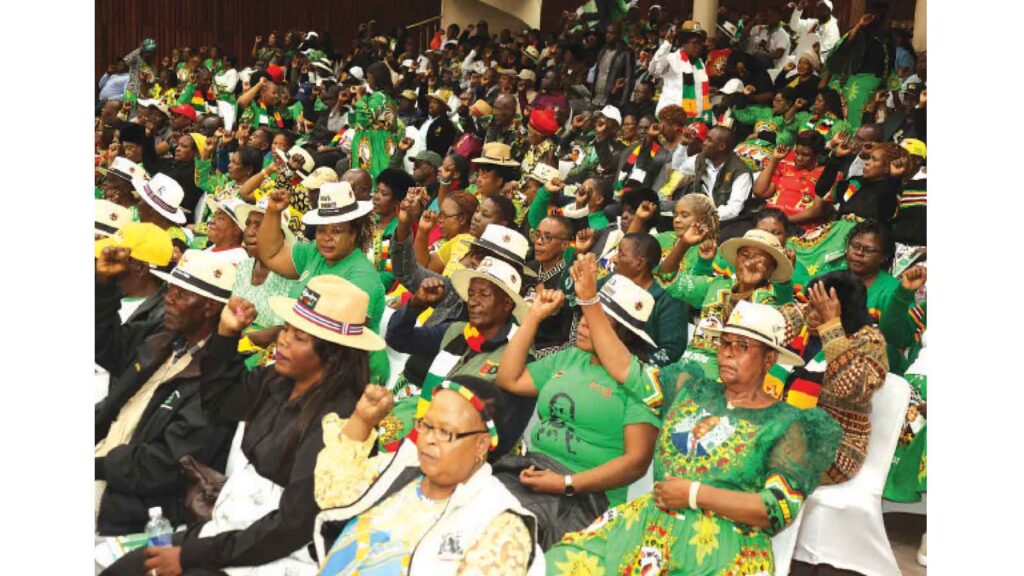
Zanu PF National Consultative Assembly delegates follow proceedings at their 27th Ordinary Session at the party headquarters in Harare yesterday. — Picture: Believe Nyakudjara.

“We are advancing efficiency, communication, data management and service delivery within and across all Party structures. I urge Party members to continue embracing technology and apply it wisely for the betterment of our Party, for humanity and our great country.

“As we build a prosperous and empowered Zimbabwe, our Party-led Government will remain steadfast in advancing policies and programmes which put the people first”.

President Mnangagwa said initiatives that ensure skills development, entrepreneurship, innovation and employment creation will be pursued for young people in both rural and urban areas.

He said the party would focus on uplifting the quality of life and service delivery for all communities with no one and no place left behind.

President Mnangagwa said he was encouraged by the impact various initiatives have had on ordinary people.

“In all areas of the country, projects such as roads, dams, schools, health facilities, irrigation schemes, mining and industrial development are there for all to see,” he said.

President Mnangagwa said the Government had made significant strides in different sectors of the economy.

“So far, the Second Republic is registering achievements across key sectors of the economy. Increased production of wheat, tobacco, cotton and horticultural products has enhanced national food sovereignty and improved household incomes. This winter season, we are expecting another record-breaking winter wheat harvest,” he said.

“These are all results of our Party’s policies and support for the agriculture sector and the economy as a whole. Congratulations. Makorokoto. Amhlophe”.

The President said programmes for irrigation development, mechanisation, and climate-smart agriculture will be intensified in line with a commitment to sustainable agricultural production and productivity.

The mining sector , he said, remains one of the key drivers of economic growth.

“In line with our Party’s Congress and Conference Resolutions, investments in lithium, gold, platinum, coal and other critical minerals are expanding production, with emphasis on local value addition and beneficiation,” President Mnangagwa said.

The post Govt accelerates rural industrialisation appeared first on Zimbabwe Situation.
Botswana keen on joint investments with Zim

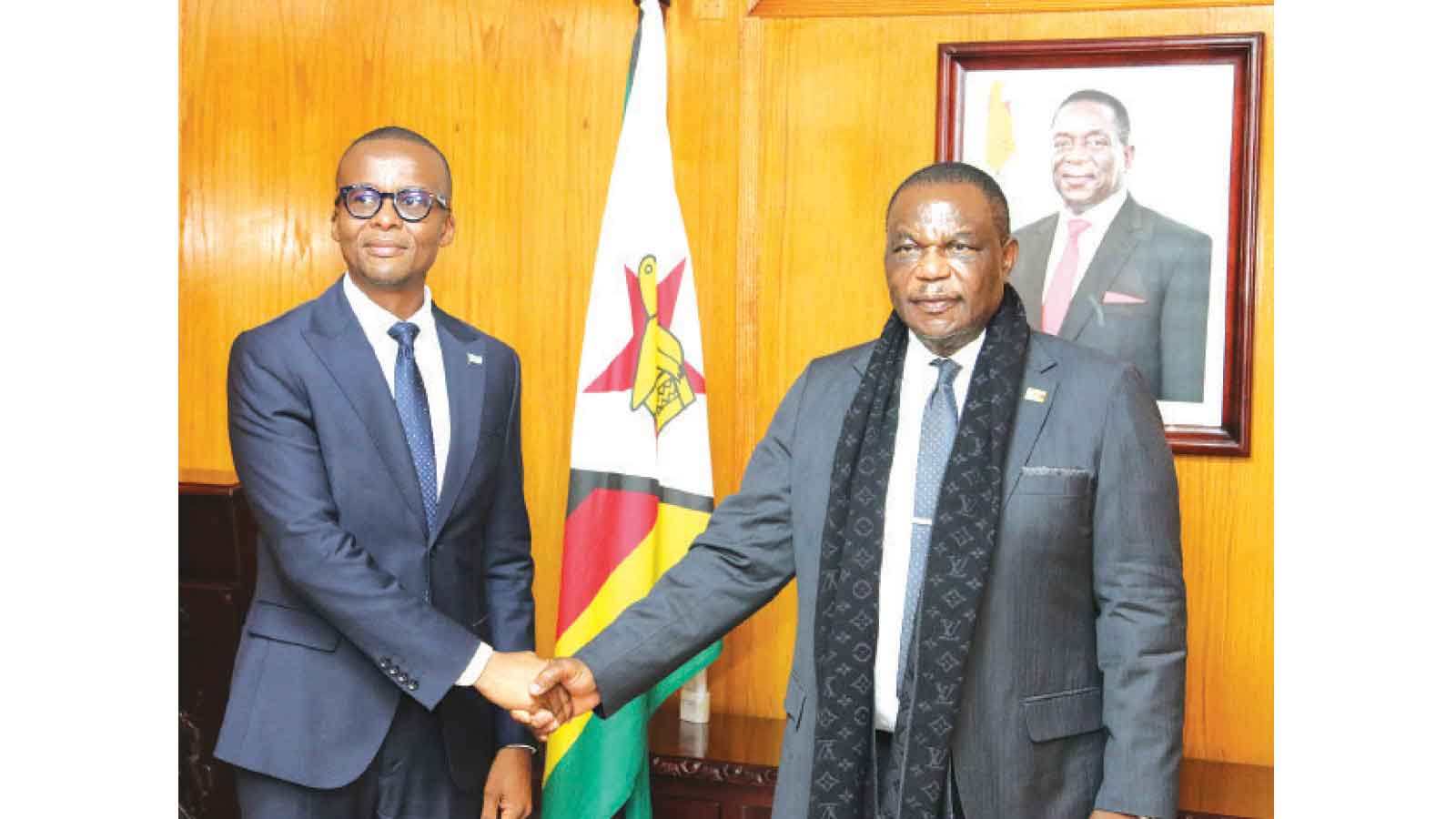
Source: Botswana keen on joint investments with Zim – herald Vice President Dr Constantino Chiwenga (right) welcomes Botswana Vice President Ndaba Nkosinathi Gaolathe who paid a courtesy call on him at his offices in Harare yesterday. — Picture: Charles Muchakagara. Mukudzei Chingwere-Senior Reporter BOTSWANA has reached out for an enhanced economic partnership with Zimbabwe at […]

The post Botswana keen on joint investments with Zim appeared first on Zimbabwe Situation.

Source: Botswana keen on joint investments with Zim – herald

Mukudzei Chingwere-Senior Reporter

BOTSWANA has reached out for an enhanced economic partnership with Zimbabwe at a time when the Tswana nation is undergoing a seismic economic shift away from an over-reliance on diamonds towards new growth pillars, including ranching and value-added industrial capacity.

Botswana Vice President Ndaba Gaolathe is in the country and yesterday paid a courtesy call on Vice President Dr Constantino Chiwenga, where he outlined Botswana’s focus on execution-led transformation, increased cross-border business linkages and joint investment opportunities.

Economic diversification sits at the heart of VP Gaolathe’s message. He said Botswana had long discussed broadening its economy, but recent pressures in the diamond market had forced the country to accelerate reforms from policy discussions to measurable implementation.

He said the transformation programme is designed to build execution capacity at scale, enabling Botswana to translate available opportunities into investable projects, particularly in sectors such as solar energy and technology, while creating space for regional firms to participate.

Zimbabwe can benefit from Botswana’s progress in strengthening cattle ranching and related value chains by adopting proven production, animal health and market-linkage models to improve volumes, quality and profitability in the meat and leather industries.

The country can also draw lessons from Botswana’s investment in vaccine production capacity, using that example to accelerate Zimbabwe’s own manufacturing capability and build a more reliable regional supply of veterinary products.

This has helped Botswana cushion its economy against volatility linked to diamonds while creating a platform for downstream value chains such as meat processing and related services.

“It was a great privilege to be here. We in Botswana believe that Botswana and Zimbabwe are one people; we share a common history and a common destiny,” said VP Gaolathe.

“Both countries are endowed with immense natural and human resources, and the onus is on us as leaders, and on the people of the two countries, to collectively co-create, co-invest and bring out the best.

“We have long admired what Zimbabwe has been able to achieve in building a renowned, high-quality education system. Many may not know that Zimbabwe has also succeeded in creating a manufacturing base that many other countries, particularly African countries, aspire to build.

“Zimbabwe has also nurtured successful entrepreneurs, including those in telecommunications and financial services. This creates a platform and opportunities for Zimbabwe and Botswana to co-create and leverage the base that Zimbabwe has established,” said VP Gaolathe.

He said that, on Botswana’s side, the country had built the Botswana Vaccine Institute, which is a global leader in the manufacture of vaccines for foot-and-mouth disease, anthrax and contagious bovine abortion.

VP Gaolathe said this provides a foundation for vaccine manufacturing not only for Botswana, but for the region as a whole.

“Botswana has for many years spoken about diversifying the economy, but it has remained just that — a conversation,” he said. “But now, with the declining diamond market and the challenges affecting the diamond sector, we can no longer rely on conversation alone. Through what we call the Botswana Economic Transformation Programme, we are moving from conversation to execution.

“This programme is about building execution capacity at scale to harness the opportunities available to Botswana, whether in solar energy, technology or many other areas.

“There is opportunity, and Zimbabwean companies are looking to co-invest with Botswana,” said VP Gaolathe.

Turning to bilateral mechanisms, VP Gaolathe said the Bi-National framework between the two countries contains multiple components aimed at improving trade efficiency and removing obstacles that hinder commerce.

He said this is critical not only for bilateral trade flows, but also for investment decisions, as border delays and administrative bottlenecks can increase operating costs and reduce the attractiveness of joint projects.

“The Bi-National framework has many components. One of these is to remove the man-made barriers that exist between the two countries, including more efficient and enhanced one-stop border facilities and processes,” said VP Gaolathe.

“The bottom line is that what we must do — not only between Botswana and Zimbabwe, but among African countries in general — is spend more time engaging with one another.

“The more time we spend with each other, the more opportunities we will be able to realise.”

The post Botswana keen on joint investments with Zim appeared first on Zimbabwe Situation.

Maj-Gen Dzihwema declared national hero

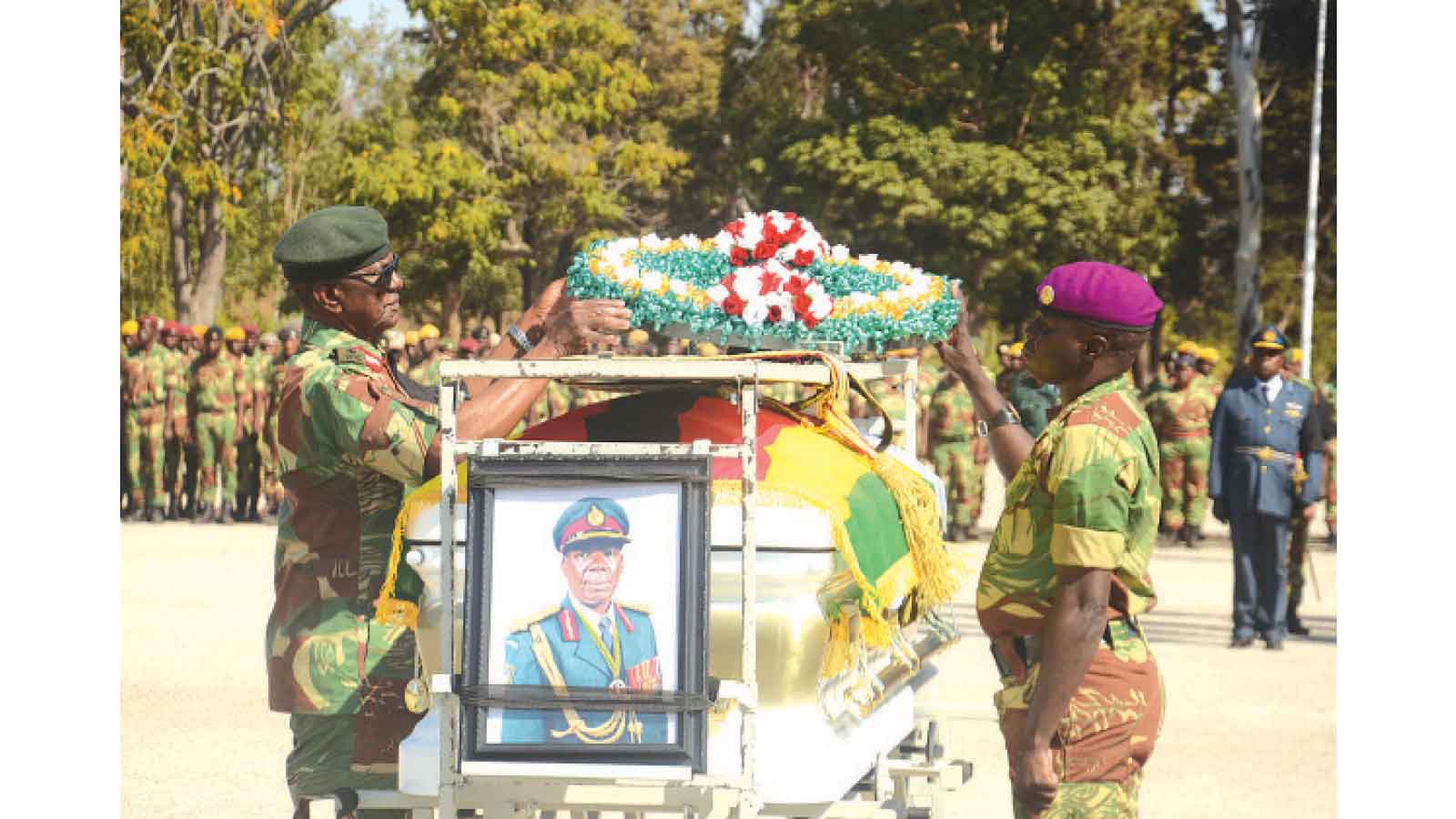
Source: Maj-Gen Dzihwema declared national hero – herald Commander Zimbabwe Defence Forces General Emmanuel Matatu lays a wreath on the casket of Major-General (Retired) Evaristo Dzihwema during a funeral parade at Charles Gumbo Barracks in Harare yesterday. — Picture: Tinashe Chitwanga. Africa Moyo and Remember Deketeke A FORMER senior member of the Zimbabwe National Army, […]

The post Maj-Gen Dzihwema declared national hero appeared first on Zimbabwe Situation.

Source: Maj-Gen Dzihwema declared national hero – herald

Africa Moyo and Remember Deketeke

A FORMER senior member of the Zimbabwe National Army, Major-General (Retired) Evaristo Dzihwema, who died in India last week while receiving medical treatment, has been declared a national hero.

He will be laid to rest at the National Heroes Acre on Monday, with President Mnangagwa expected to preside over the burial proceedings.

The Minister of Defence, Oppah Muchinguri-Kashiri, yesterday visited the Dzihwema family home in Harare to convey President Mnangagwa’s message conferring national hero status on the retired military officer.

Maj-Gen (Rtd) Dzihwema died on June 25.

He was 63.

His body was repatriated to Zimbabwe and arrived at the Robert Gabriel Mugabe International Airport in Harare on July 1.

A military funeral parade was held in his honour at Charles Gumbo Barracks in Harare yesterday.

Speaking at the parade, the Commander of the Zimbabwe Defence Forces, General Emmanuel Matatu, described Maj-Gen Dzihwema as a patriotic, disciplined and highly professional officer who dedicated his entire life to serving Zimbabwe, first as a liberation fighter, then as a senior military commander and later as a public servant.

Gen Matatu said Maj-Gen Dzihwema’s unwavering commitment to national service had left an enduring legacy within the ZDF and civil service.

“We gather here again under a sombre atmosphere as we pay our last military respects to the late Major General (Retired) Evaristo Dzihwema, who passed away on June 25, 2026, in India, where he was undergoing medical treatment,” said Gen Matatu.

“On behalf of the entire Zimbabwe Defence Forces family, I stand before you to pay tribute to a professional military officer whose calling was the career of arms, in which he distinguished himself through exemplary dedication and commitment.”

Gen Matatu said the officer exemplified selfless service throughout his life and remained steadfast in defending the country’s sovereignty and national interests.

He chronicled Maj-Gen Dzihwema’s journey from Chandi Communal Lands in Makoni District, Manicaland Province, to joining the liberation struggle in 1978 after allegedly being assaulted by Rhodesian security forces while travelling to obtain a juvenile registration certificate.

The incident, Gen Matatu said, strengthened the young Dzihwema’s resolve to take up arms and join thousands of other young Zimbabweans fighting for the country’s independence.

After undergoing military training in Mozambique, Maj-Gen Dzihwema was deployed to the operational front, where he served alongside several prominent liberation war commanders before Zimbabwe attained independence in 1980.

Following independence, he joined the Zimbabwe National Army and steadily rose through the ranks to become a Major-General, serving in numerous command and staff appointments.

“He gave his whole life to serving Zimbabwe, from the liberation war to post-independence Zimbabwe, both in the Defence Forces and in the public service,” said Gen Matatu.

He added that the officer occupied several strategic positions, including company Brigade Staff Officer, Director of Procurement, Director of Finance and Director-General responsible for personnel within the ZDF.

Following his retirement from active military service in December 2017, Maj-Gen Dzihwema joined the Ministry of Youth, Indigenisation and Economic Empowerment as principal director before later transferring to the Ministry of Veterans of the Liberation Struggle Affairs, where he served as Chief Director until his death.

Gen Matatu said he had worked closely with Maj-Gen Dzihwema for many years and described him as an intelligent, dependable and solutions-oriented leader.

“I am privileged to have known him very well and worked closely with him for a significant part of our careers.

“We lived close to each other, our families were close and our children grew up together. General Dzihwema had a sharp intellect and a good grasp of operational, administrative and logistical issues.

“He always offered practical ideas to challenges we faced and approached every task methodically,” he said.

Gen Matatu said even after leaving the military, Maj-Gen Dzihwema continued supporting the ZDF by offering professional advice whenever called upon.

“He was indeed a professional with great love for his country. He remained committed and competent. He was not a man who engaged in activities that sought to denigrate or undermine the Zimbabwe Defence Forces or national programmes,” he said.

Gen Matatu added that Maj-Gen Dzihwema possessed rare leadership qualities founded on honesty, integrity, humility, loyalty, unflinching patriotism and enthusiasm.

“That speaks well to your legacy,” he said.

Gen Matatu also highlighted the accolades earned by the retired general during his distinguished career, including the Liberation Medal, Independence Medal, Ten-Year Service Medal, Long and Exemplary Service Medal, Mozambique Campaign Medal, Democratic Republic of Congo Medal and the Commander of the Zimbabwe Order of Merit.

Speaking on behalf of the family, Maj-Gen Dzihwema’s younger brother, Mr Shadreck Dzihwema, described him as a pillar of strength whose humility remained unchanged despite his rise through the military ranks.

“We have lost not only a brother but also a mentor and father figure. He always encouraged us to work hard, remain disciplined and serve our country with honesty,” he said.

Mr Dzihwema said despite occupying senior positions in both the military and Government, Maj-Gen Dzihwema remained closely connected to his roots and regularly visited the family home.

“He never forgot where he came from. Whenever he came home, he would spend time with the family, advise the young generation and encourage unity among relatives.

“He was approachable and always willing to help whenever there was a problem,” he said.

Mr Dzihwema thanked the Government, the ZDF and all citizens who have stood with the family following his brother’s death.

“As a family, we are comforted by the honour that has been accorded to our brother. The outpouring of support from Government, the Defence Forces, friends and the public shows the impact he made during his lifetime.

“We will forever cherish his legacy,” he said.

Maj-Gen Dzihwema is survived by his wife, Alice, and three sons.

The post Maj-Gen Dzihwema declared national hero appeared first on Zimbabwe Situation.