Traffic Safety Council Demands Stricter Checks On School Transport Vehicles

Source: Traffic Safety Council Demands Stricter Checks On School Transport Vehicles ⋆ Pindula News The Traffic Safety Council of Zimbabwe (TSCZ) has urged schools to ensure that vehicles used to transport learners are roadworthy, properly licensed and insured, so that there is accountability and compensation in the event of an accident. The appeal follows the […]

The post Traffic Safety Council Demands Stricter Checks On School Transport Vehicles appeared first on Zimbabwe Situation.

Source: Traffic Safety Council Demands Stricter Checks On School Transport Vehicles ⋆ Pindula News

Traffic Safety Council Demands Stricter Checks On School Transport Vehicles

The Traffic Safety Council of Zimbabwe (TSCZ) has urged schools to ensure that vehicles used to transport learners are roadworthy, properly licensed and insured, so that there is accountability and compensation in the event of an accident.

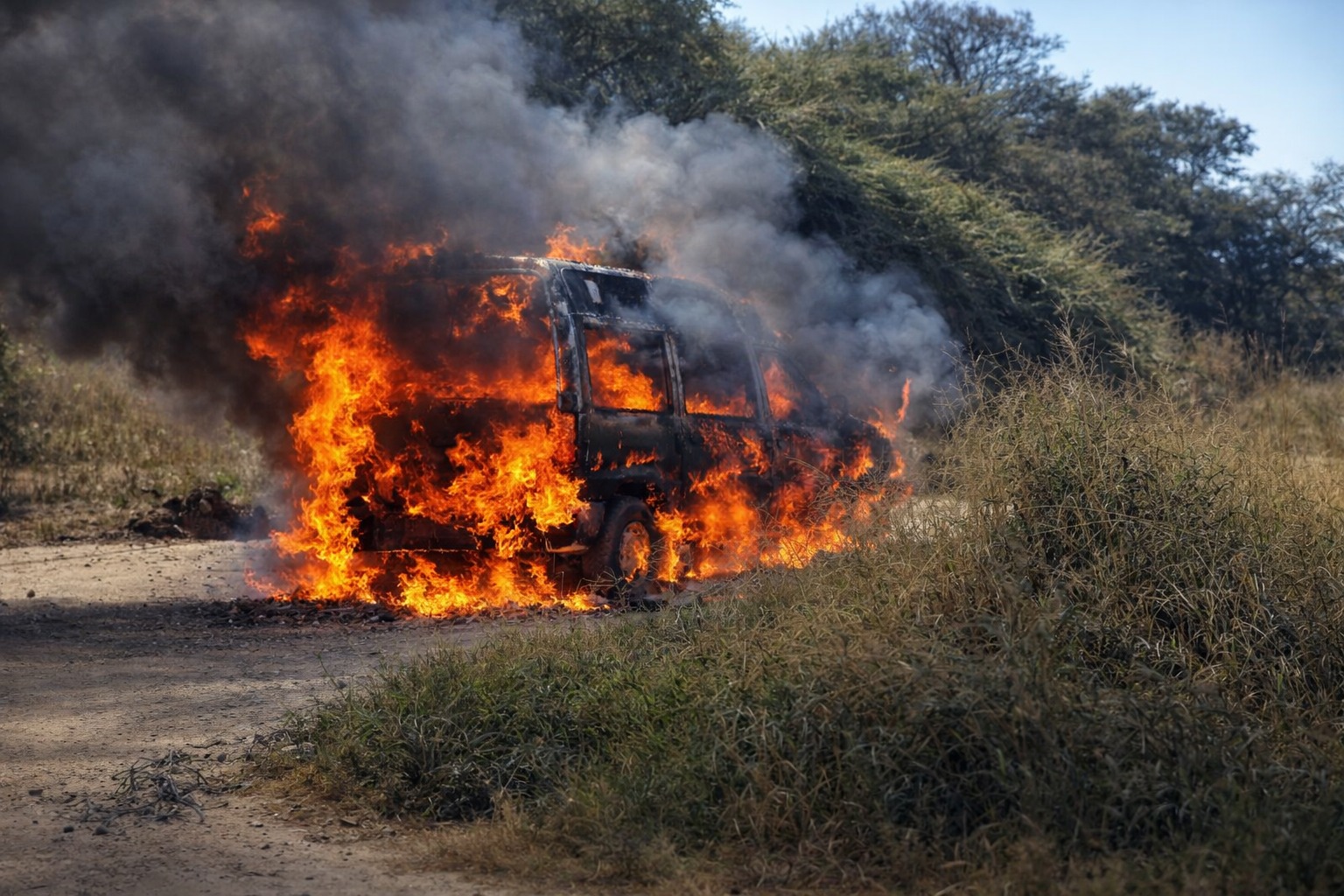
The appeal follows the death of seven schoolchildren who were burnt in an overloaded commuter omnibus that caught fire in Senga, Gweru, on Wednesday afternoon.

Preliminary investigations indicate that the vehicle may have been carrying a container of petrol at the time, which was allegedly placed behind the driver’s seat, before the fire broke out.

“Firstly, we would like to extend our condolences to the families who lost their loved ones. It is painful to lose children under such circumstances,” said Munodawafa.

“School authorities must ensure that vehicles used to transport pupils are roadworthy, properly licensed and insured so that there is recourse in the event of an accident.”

Munodawafa warned against the unsafe practice of overloading vehicles, carrying passengers alongside goods, particularly flammable materials such as fuel, saying it poses serious risks to lives.

He said the council will step up road safety awareness campaigns across the country, with a focus on schools and major highways, as part of efforts to reduce road accidents.

The post Traffic Safety Council Demands Stricter Checks On School Transport Vehicles appeared first on Zimbabwe Situation.

Chinese Investor Plans Dedicated 50MW Power Station For US$100m Chegutu Cement Plant

Source: Chinese Investor Plans Dedicated 50MW Power Station For US$100m Chegutu Cement Plant ⋆ Pindula News Chinese-owned cement producer Shuntai Investments plans to build a 50-megawatt thermal power plant to support its US$100 million cement manufacturing project in Chegutu. Shuntai Investments administrator Jack Zhang said the power facility will help guarantee a reliable electricity supply […]

The post Chinese Investor Plans Dedicated 50MW Power Station For US$100m Chegutu Cement Plant appeared first on Zimbabwe Situation.

Source: Chinese Investor Plans Dedicated 50MW Power Station For US$100m Chegutu Cement Plant ⋆ Pindula News

Chinese Investor Plans Dedicated 50MW Power Station For US$100m Chegutu Cement Plant

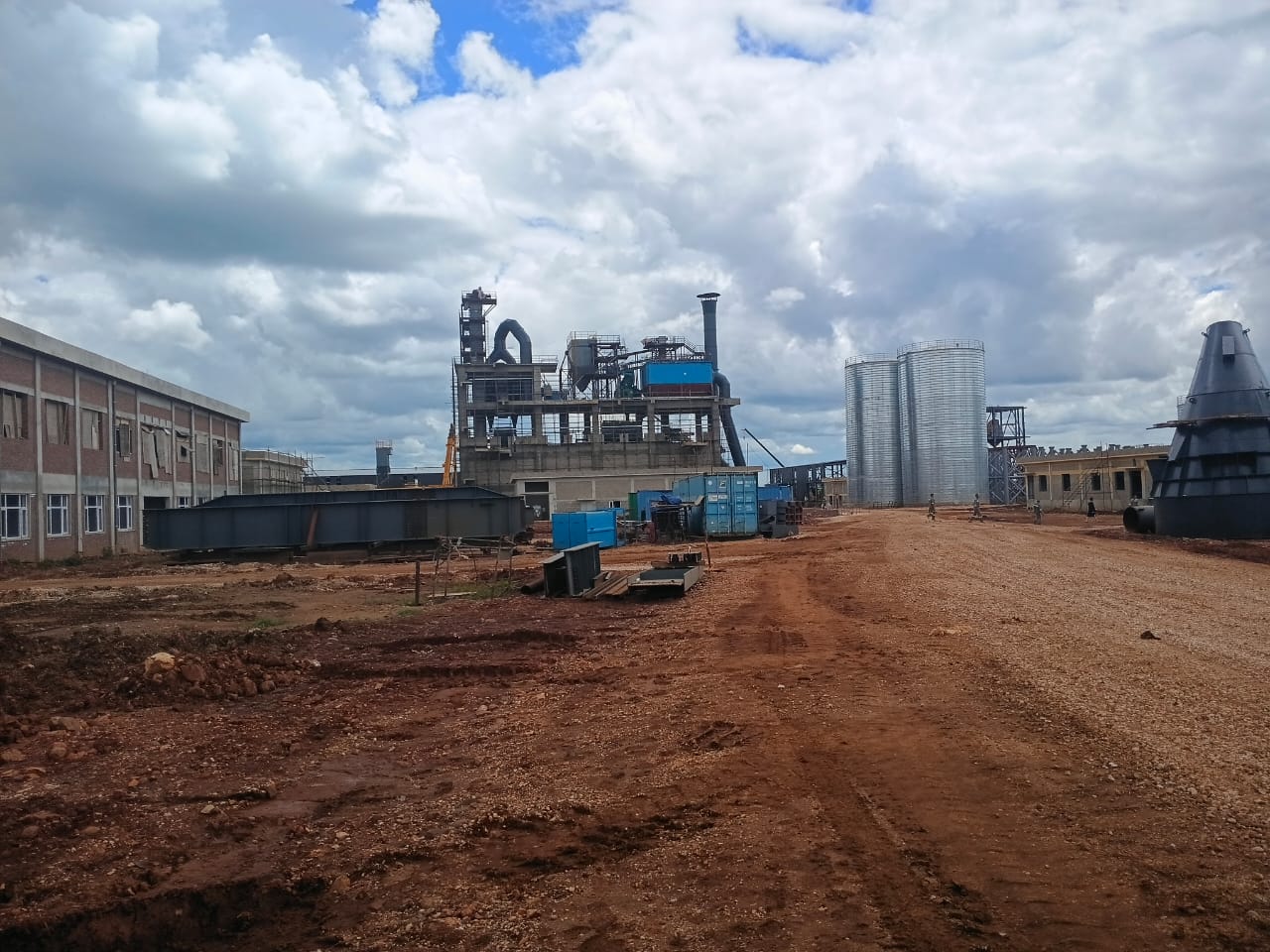
Chinese-owned cement producer Shuntai Investments plans to build a 50-megawatt thermal power plant to support its US$100 million cement manufacturing project in Chegutu.

Shuntai Investments administrator Jack Zhang said the power facility will help guarantee a reliable electricity supply for the plant and reduce the risk of disruptions to production.

“We want to be self-sufficient in our operations. We are also setting up a 50-megawatt thermal power plant with the view to feed excess power into the national grid,” he said.

Zhang said the Chegutu cement plant is now more than 90 per cent complete and is expected to be commissioned in September this year.

“We are coming to the final stages. We are expecting to complete all construction works and start operating by September this year,” said Zhang.

“At the moment, all civil works are at around 90 per cent, and we are now moving to the installation stage.”

The project was initially scheduled for completion in May, but disruptions to global supply chains linked to the closure of the Strait of Hormuz delayed the delivery of key materials needed to complete construction.

The post Chinese Investor Plans Dedicated 50MW Power Station For US$100m Chegutu Cement Plant appeared first on Zimbabwe Situation.

Three Harare Council Officials Denied Bail Over Budiriro Sewer Sludge Drownings

Source: Three Harare Council Officials Denied Bail Over Budiriro Sewer Sludge Drownings ⋆ Pindula News Four City of Harare officials appeared in court on Monday, 15 June, facing culpable homicide charges in connection with the Budiriro sewer pit tragedy in which three people died. Three of the accused were denied bail as investigations continue. The […]

The post Three Harare Council Officials Denied Bail Over Budiriro Sewer Sludge Drownings appeared first on Zimbabwe Situation.

Source: Three Harare Council Officials Denied Bail Over Budiriro Sewer Sludge Drownings ⋆ Pindula News

Three Harare Council Officials Denied Bail Over Budiriro Sewer Sludge Drownings

Four City of Harare officials appeared in court on Monday, 15 June, facing culpable homicide charges in connection with the Budiriro sewer pit tragedy in which three people died. Three of the accused were denied bail as investigations continue.

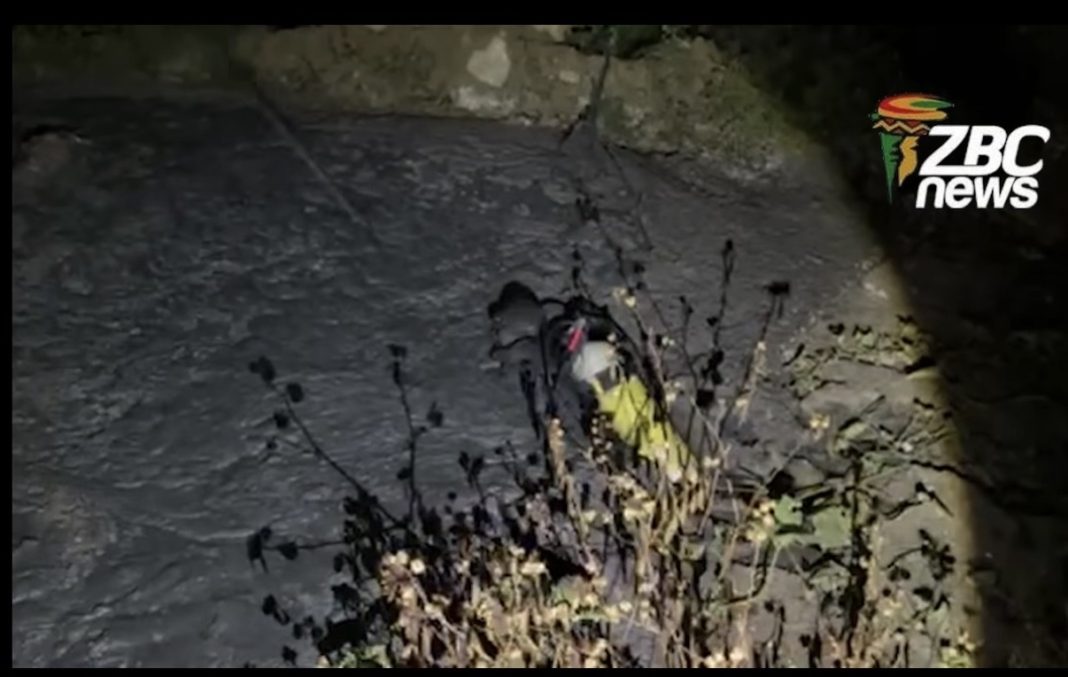
The officials are charged over an incident in Budiriro 3 earlier this month in which three people drowned after falling into an unsecured sewer manhole.

Engineer Richard Tapiwa Kunyadini (58), Acting Director of Harare Water, appeared in court on behalf of the City of Harare following a council resolution dated 12 June.

Kunyadini was not remanded in custody after arguing that the City of Harare, as a legal entity, cannot be remanded in custody.

The other accused, Moses Dicko (57), Superintendent for Region Three (covering Budiriro, Glen View, Mufakose and Marimba), Tineyi Chihwai (41), a Class One plumber, and Thomas Rwakatiwana (52), a works foreman, appeared in their personal capacities as officials allegedly responsible for the site.

The State opposed bail, alleging gross negligence after the sewer pit was reportedly left uncovered for about five months.

Prosecutors told the court that the excavation was made in February 2026 while attending to a sewer blockage, but was never secured after the work was completed.

The court heard that the open pit remained exposed until 7 June, when three people fell in and drowned.

The State further argued that releasing the accused could undermine public confidence and potentially put their safety at risk, given the level of public outrage over the incident.

The three officials were remanded in custody and are due back in court on 29 June, while investigations continue.

The post Three Harare Council Officials Denied Bail Over Budiriro Sewer Sludge Drownings appeared first on Zimbabwe Situation.

Wicknell Chivayo company, Chinese partner win $2.9 billion Kenya airport tender

IMC Construction is a joint venture partner with China’s state-owned conglomerate Source: Wicknell Chivayo company, Chinese partner win $2.9 billion Kenya airport tender – Zimbabwe News Now Wicknell Chivayo HARARE — Wicknell Chivayo’s company IMC Construction Kenya has won a stake in a $2.9 billion tender to expand Jomo Kenyatta International Airport, ZimLive has established, […]

The post Wicknell Chivayo company, Chinese partner win $2.9 billion Kenya airport tender appeared first on Zimbabwe Situation.

IMC Construction is a joint venture partner with China’s state-owned conglomerate

Source: Wicknell Chivayo company, Chinese partner win $2.9 billion Kenya airport tender – Zimbabwe News Now

Wicknell Chivayo

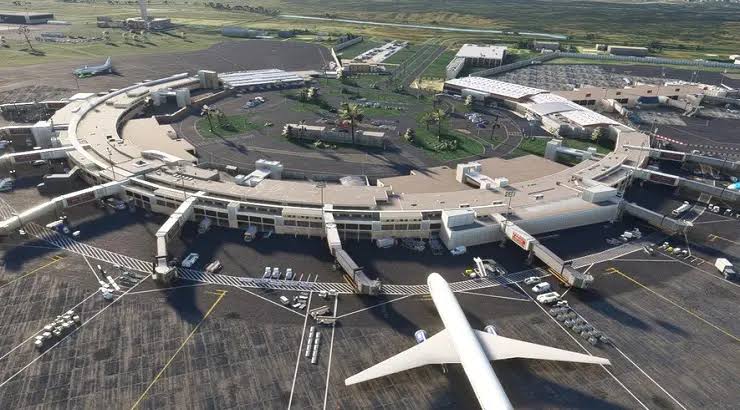
HARARE — Wicknell Chivayo’s company IMC Construction Kenya has won a stake in a $2.9 billion tender to expand Jomo Kenyatta International Airport, ZimLive has established, in a deal that sheds light on the Zimbabwean businessman’s frequent visits to Nairobi and his close ties to President William Ruto.

State-owned China Communications Construction Company (CCCC), which recorded revenues of $136.7 billion in 2023, brought in its subsidiary China Road and Bridge Corporation (CRBC) and IMC Construction Kenya as joint venture partners on the project, according to two people familiar with the deal.

IMC Construction Kenya is wholly owned by Chivayo, 45, who has cultivated an unusually close relationship with Ruto and has become a fixture at Kenya’s State House.

Kenya will contribute $1.3 billion to the project, with the remainder financed through local and Chinese banks. To eliminate the capital constraints that previously stalled the project, Kenya established the National Infrastructure Fund, capitalised using revenues from the privatisation of the Kenya Pipeline Company.

The expansion will add capacity for 15 million passengers annually through the construction of a new terminal, according to specifications released in February by the Kenya Civil Aviation Authority.

A new runway, planned for completion by 2029, will lift airfield capacity from 14 to 63 aircraft movements per hour. JKIA currently handles nearly 8.8 million passengers a year, already above its design capacity of eight million.

Jomo Kenyatta International Airport
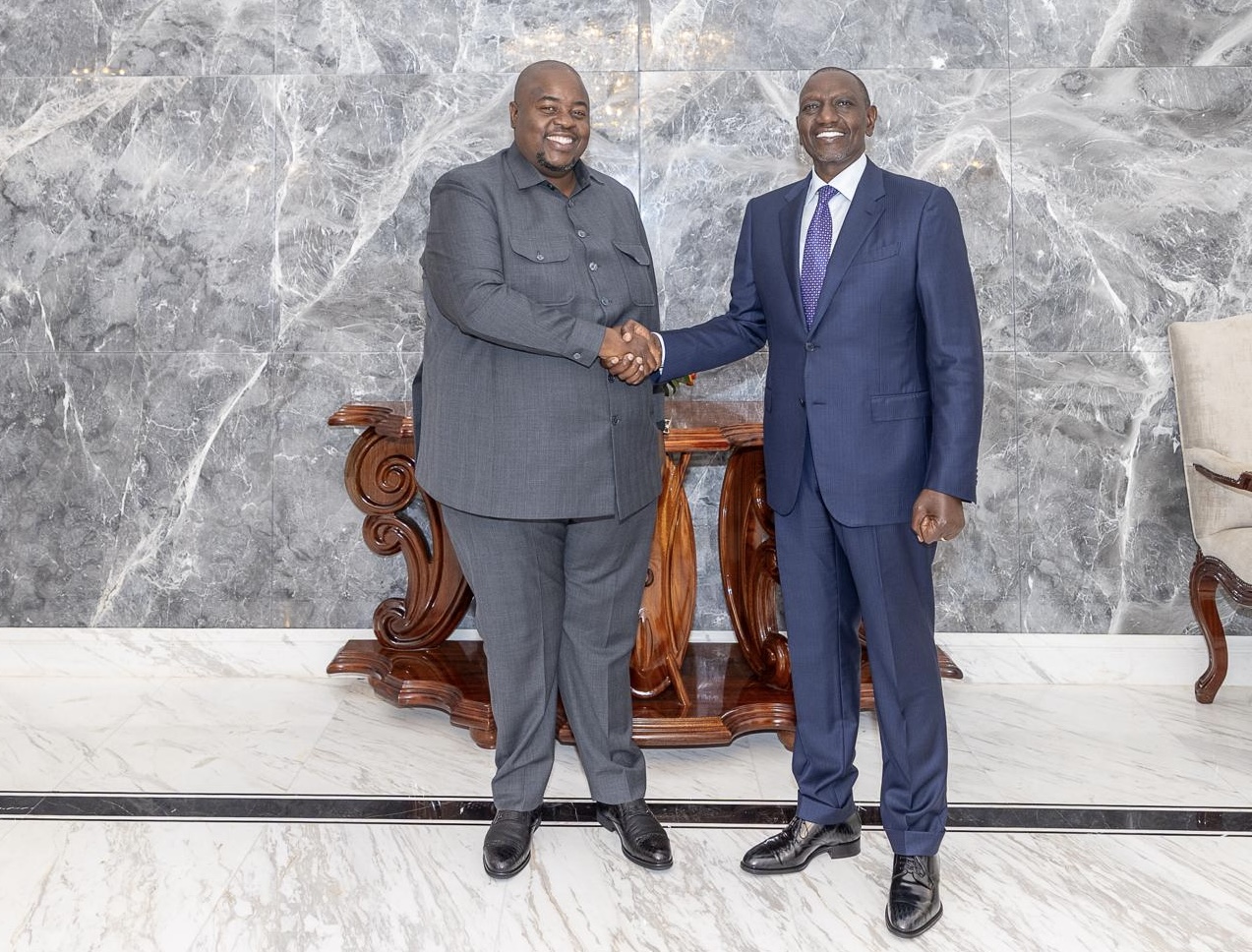
Wicknell Chivayo meeting Kenya’s William Ruto in Nairobi on April 16, 2026

The tender was originally awarded to India’s Adani Group in 2024 for an estimated $1.85 billion but was cancelled after Kenyan labour unions objected to contractual terms they said were unfavourable to the national interest, and following a United States corruption probe into the company. It was re-advertised early this year and awarded to the CCCC consortium last week after competitive bidding.

For Chivayo, the deal marks a significant expansion of his regional footprint. His companies in Zimbabwe have won contracts worth nearly $1 billion, among them $173 million for a solar power plant in Gwanda, $163 million to revamp Munyati Power Station and $131 million for the 30MW Gairezi hydro power station.

IMC Construction is also building two five-star hotels in Tanzania’s Serengeti and Ngorongoro regions for a reported $200 million.

A close ally of President Emmerson Mnangagwa, Chivayo has used his political connections to build access across the continent, and has been pictured with the presidents of Tanzania, Nigeria, Uganda, Zambia, Mozambique, Malawi and South Africa, among others.

At home, Chivayo — a deeply polarising figure — has cultivated a reputation as a philanthropist, donating vehicles and large sums of money across a wide range of causes, from politicians and churches to football clubs, celebrities and everyday heroes. A diver who retrieved three drowning victims from a Harare sewer pond using rudimentary equipment was recently given a car and $20,000 in cash.

Some reports estimate Chivayo gave away more than $200 million in 2025 alone.

Kenya faces stiff competition in the region as neighbours race to expand their own aviation capacity. Rwanda is building the new Bugesera International Airport, targeting 14 million passengers annually, with a seven-million-passenger first phase due to open in 2027.

Tanzania has increased capacity at Julius Nyerere International Airport in Dar es Salaam to eight million passengers, while Ethiopia broke ground in January on a new airport at Bishoftu designed to handle 110 million travellers a year.

The post Wicknell Chivayo company, Chinese partner win $2.9 billion Kenya airport tender appeared first on Zimbabwe Situation.

106 dams to unlock jobs, spur rural industrialisation

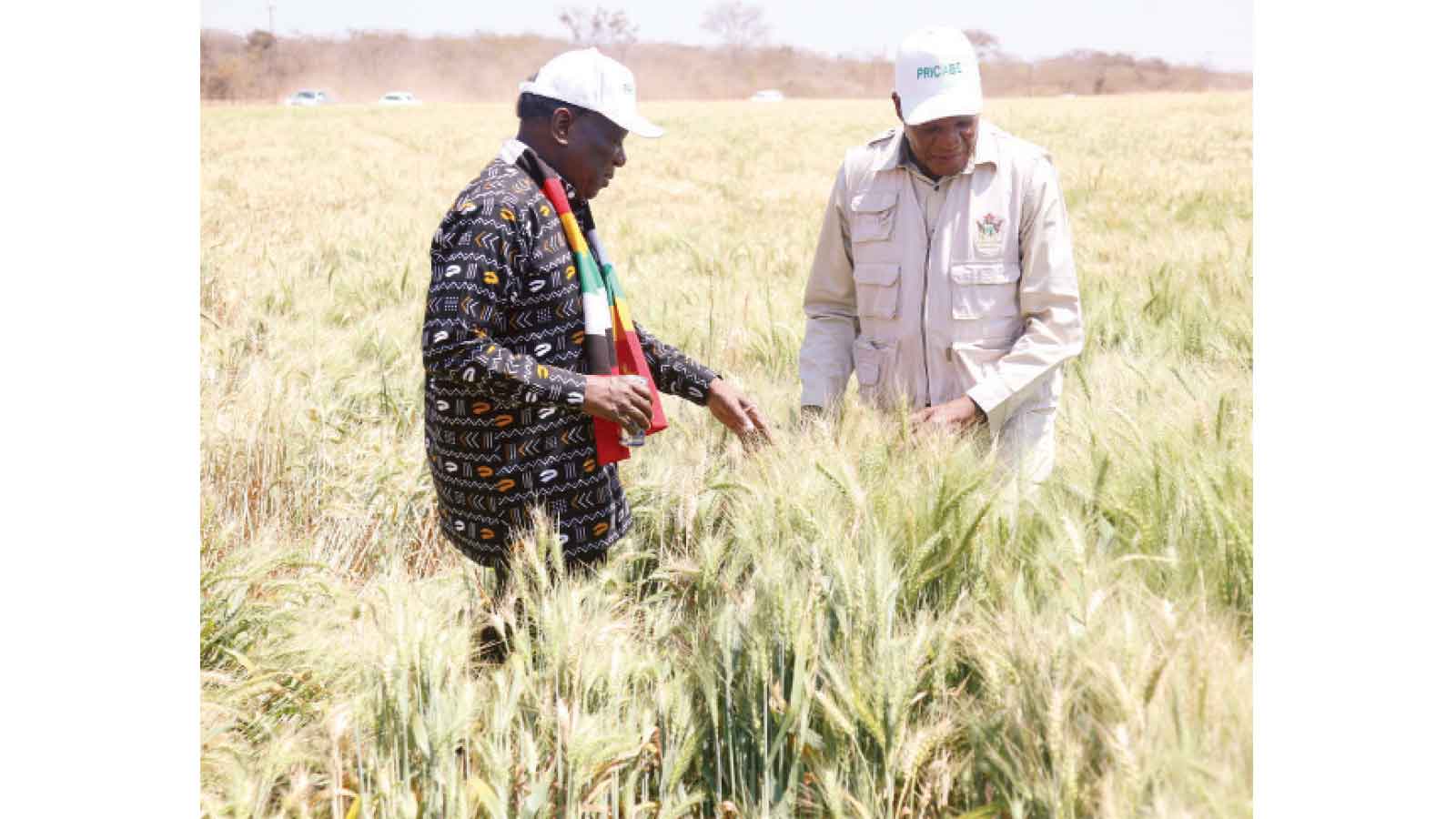
Source: 106 dams to unlock jobs, spur rural industrialisation – herald FLASH BACK. . . President Mnangagwa assesses his thriving wheat crop with Agriculture, Mechanisation and Water Resources Development Minister Dr Anxious Masuka at Precabe Farm in Kwekwe last year. Theseus Mauruki Shambare-Herald Reporter GOVERNMENT has identified 106 dams estimated to command about 78 159 […]

The post 106 dams to unlock jobs, spur rural industrialisation appeared first on Zimbabwe Situation.

Source: 106 dams to unlock jobs, spur rural industrialisation – herald
Theseus Mauruki Shambare-Herald Reporter

GOVERNMENT has identified 106 dams estimated to command about 78 159 hectares of irrigable land, forming part of a broader strategy to transform dams from water storage facilities into centres of agricultural production, value addition, employment creation and rural industrialisation.

Towards that goal, the country requires an estimated US$1,66 billion to develop the remaining 237 227 hectares needed to meet its ambitious target of 496 000 hectares under irrigation by 2030, as part of a transformative “A Dam is an Economy” strategy.

In a statement, Agriculture, Mechanisation and Water Resources Development Minister Dr Anxious Masuka said the Government was accelerating irrigation development and rural transformation through irrigation expansion.

“The President has directed that every dam must become an economy. The concept recognises that a dam must exist as an epicentre and driver of heightened agricultural production, new investment, expanded employment creation and a source of prosperity. It is in this context that the President hosted the ‘Accelerated Irrigation Development Conference’ in Harare on 4 July 2024,” said Dr Masuka.

Zimbabwe increased the area under irrigation from 171 000 hectares in 2020 to 258 773 hectares by May 2026, representing a 51 percent growth, the fastest growth since independence, at an average of 17 500ha per year.

The irrigation expansion drive, which seeks to convert the country’s vast water resources into productive agricultural hubs, is expected to play a pivotal role in climate-proofing food production, creating jobs and driving rural industrialisation.

Under the National Development Strategy 2 (NDS2) and Vision 2030, Government aims to expand irrigated land from the current approximately 258 773 hectares as of May 2026 to 496 000 hectares by 2030, effectively adding another 237 227 hectares over the next four years.

To achieve this, Government has identified 106 dams across the country’s provinces with the potential to support irrigation development and broader economic activities under the “A Dam is an Economy” concept.

The programme has marked a major shift towards harnessing Zimbabwe’s water resources to build resilience against climate change and recurring droughts.

Government is converting water bodies into irrigable areas and that journey is starting this week, with Ministry of Agriculture officials going around the provinces that are endowed with water resources.

The dams targeted under this programme have already been identified and the acreages that they command. For every hectare of irrigation that Government wants to develop, the average cost is US$7 000.

Based on the ministry’s estimates, developing the remaining 237 227 hectares required to meet the 2030 target would require approximately US$1,66 billion in investment.

Government has already secured in excess of 71 million Euros from one facility and is working on another US$100 million for another contractor.

Prof Jiri said the initial focus under the programme would be rapid irrigation development, with priority being given to proven farmers capable of quickly bringing additional land into production.

“We are looking at having those successful farmers who require excess land, who require additional land to benefit under this model because these farmers have already proven that they are successful and they are fully utilising their current land holdings,” he said.

Beyond boosting agricultural production, he said, the Government expects the initiative to trigger significant job creation throughout agricultural value chains.

“Certainly, in terms of the creation of jobs, it is massive. Agriculture is an industry and any land that is opened up for irrigation is a direct contributor to the job market,” said Prof Jiri.

He said the ultimate objective was to ensure that value addition, processing and beneficiation take place closer to production areas, thereby accelerating rural industrialisation and economic growth.

“We do not want raw materials to be transported from the production areas to a town. Rather, we would want semi-value addition, we would want value addition, we would want processing and some beneficiation to be done at the centres of production.”

As Zimbabwe pushes towards its 2030 irrigation target, Prof Jiri said, the dam-centred development model was expected to become a key pillar of food security, climate resilience and inclusive economic transformation.
The post 106 dams to unlock jobs, spur rural industrialisation appeared first on Zimbabwe Situation.