Govt accelerates local fertiliser production

Source: Govt accelerates local fertiliser production – herald Rutendo Nyeve and Theseus Shambare ZIMBABWE is accelerating plans to localise fertiliser production in response to the ongoing global supply bottlenecks triggered by geopolitical tensions, while also pushing for a co-ordinated regional procurement system within Southern Africa, to insulate the region from volatile external shocks and escalating […]

The post Govt accelerates local fertiliser production appeared first on Zimbabwe Situation.

Source: Govt accelerates local fertiliser production – herald

Rutendo Nyeve and Theseus Shambare

ZIMBABWE is accelerating plans to localise fertiliser production in response to the ongoing global supply bottlenecks triggered by geopolitical tensions, while also pushing for a co-ordinated regional procurement system within Southern Africa, to insulate the region from volatile external shocks and escalating input costs.

Government, under the Second Republic led by President Mnangagwa, has already set up a dedicated Cabinet committee to drive progress towards domesticating production as a key strategy to slash the country’s multi-million-dollar import bill and stabilise food security.

The urgency for localisation has been amplified by tensions in the Middle East, particularly the blockade of the Strait of Hormuz, a critical narrow waterway for global shipment of natural gas, urea and ammonia, which are key components for nitrogen-based fertilisers.

Its closure has sent shockwaves through the agricultural sector.

With transits through the strait dwindling due to the conflict, the supply of these essential raw materials has been severely restricted.

This has directly impacted SADC member states, where fertiliser accounts for up to 40 percent of production costs, squeezing already vulnerable smallholder farmers.

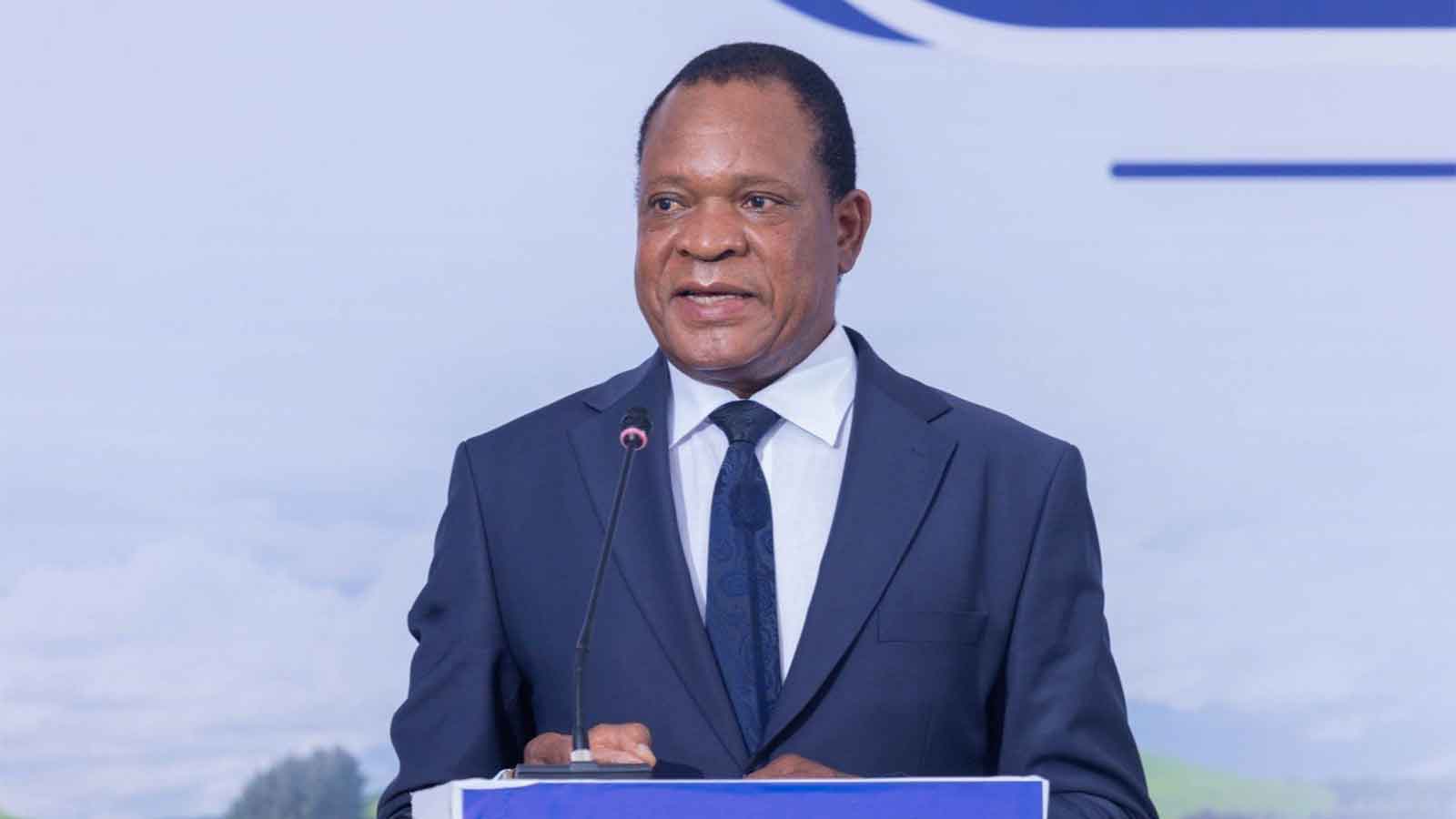
In an interview on the sidelines of the recent SADC Ministers of Agriculture meeting in Victoria Falls, the Minister of Agriculture, Mechanisation and Water Resources Development, Dr Anxious Masuka, revealed that a robust framework was being implemented locally.

“In Zimbabwe, we are already discussing the localisation of the fertiliser industry and there is a Cabinet committee that is focusing on that and we have made very important progress in that regard,” he said.

Dr Masuka noted that these national efforts are designed to be upscaled to the regional level, aligning with a push for co-ordination of production through localisation but also co-ordination of procurement. He highlighted Zimbabwe’s historical role in the sector.

“You will recall that Zimbabwe was the Africa Centre for Fertiliser Development and we, of course, wanted this to be recognised as the premier African institute that is responsible for soil health and fertiliser aspects,” he said.

The fertiliser localisation drive is closely aligned with President Mnangagwa’s Vision 2030 agenda, which seeks to transform Zimbabwe into an upper-middle-income economy through industrialisation, value addition and beneficiation of local resources.

Under the Second Republic, the revival of strategic industries has become a central pillar of economic policy, with Government prioritising the rebuilding of productive sectors capable of reducing import dependence, strengthening national resilience and unlocking sustainable growth opportunities.

The initiative also advances the objectives of the National Development Strategy 2 (NDS2), which places emphasis on industrial growth, job creation, innovation and skills development as key drivers of economic transformation.

The revitalisation of the fertiliser value chain is also expected to stimulate investment, create employment opportunities for thousands of Zimbabweans and develop critical technical skills while enhancing the competitiveness of local industries.

Zimbabwe currently hosts the African Centre for Fertiliser Development (ACFD), an AU facility established in the 1980s.

After years of dormancy, the African union has resolved to fully operationalise the centre, positioning Zimbabwe as a hub for research, training, and technology transfer regarding soil health.

During the Victoria Falls meeting, SADC Deputy Executive Secretary Angele N’tumba said the Middle East conflict had resulted in the restriction of movement of agricultural inputs, threatening food and energy security across the region.

In response, SADC Ministers of Agriculture resolved to urgently strengthen regional supply systems.

A key resolution was the push to harmonise fertiliser regulations across member states to reduce production costs and facilitate smoother trade.

Speaking at the same conference, South Africa’s Minister of Agriculture, John Steenhuisen, called for an end to fragmented registration systems that drive up costs, a proposal that garnered regional support.

On the ground, Zimbabwe is already leveraging existing assets to turn the rhetoric into reality.

The Mutapa Investment Fund is spearheading a significant revival of key parastatals.

This includes the resuscitation of phosphate concentrate production at Dorowa Minerals with a US$5,3 million injection and plans to refurbish Sable Chemicals to resume production of top-dressing fertiliser, targeting 20 000 metric tonnes initially.

Despite these efforts, the industry faces working capital constraints and high energy costs, with local electricity tariffs reported to be as high as 16,01 US cents per kilowatt hour compared to a regional average of six cents.

However, the Government has directed the Procurement Regulatory Authority of Zimbabwe (PRAZ) to prioritise local procurement in tenders to support the nascent industry.

The development of a predicted super El Nino in the 2026/27 season has added further impetus to these plans, making the push for affordable, locally produced fertiliser a cornerstone of the nation’s climate-proofing strategy.

During last week’s SADC’s Committee of Ministers responsible for agriculture meeting, delegates said continued dependence on imports, climate shocks and global geopolitical tensions are exposing the region to growing food insecurity risks.

The meeting proposed the establishment of regional cereal reserves, regional fertiliser reserves and early warning systems alongside joint fertiliser procurement mechanisms to protect countries heavily dependent on imports.

The resolutions come at a time when countries across Southern Africa are still recovering from the effects of droughts and fluctuating global fertiliser prices, which have increased production costs for farmers.

Acknowledging the ongoing conflict in the Middle East, the ministers noted that disruptions have raised concerns over future fertiliser availability and affordability ahead of upcoming farming seasons.

Agriculture remains the backbone of most SADC economies, sustaining more than 70 percent of the region’s population.
The post Govt accelerates local fertiliser production appeared first on Zimbabwe Situation.

SADC stresses sustained cooperation for peace, development 

Source: SADC stresses sustained cooperation for peace, development – herald Wallace Ruzvidzo-Herald Reporter SADC has emphasised that sustained regional cooperation, grounded in continuous dialogue and collective action, is essential in addressing challenges facing the region and advancing the shared objectives of peace, security and socio-economic development. This emerged during a meeting between SADC Executive Secretary […]

The post SADC stresses sustained cooperation for peace, development  appeared first on Zimbabwe Situation.
Source: SADC stresses sustained cooperation for peace, development – herald

Wallace Ruzvidzo-Herald Reporter

SADC has emphasised that sustained regional cooperation, grounded in continuous dialogue and collective action, is essential in addressing challenges facing the region and advancing the shared objectives of peace, security and socio-economic development.

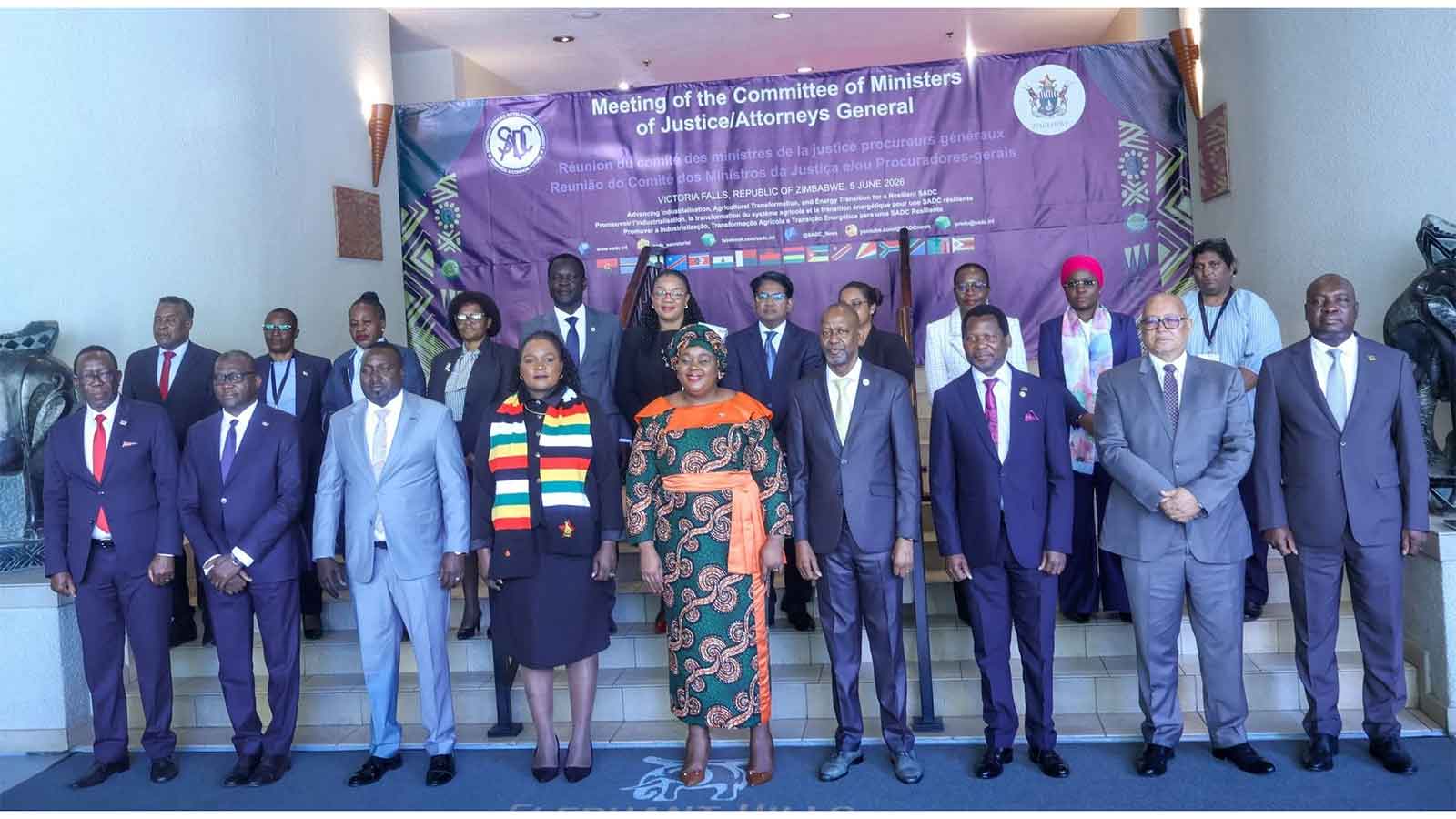
This emerged during a meeting between SADC Executive Secretary Mr Elias Magosi and the Democratic Republic of the Congo (DRC) Minister of Justice and Keeper of the Seals, Mr Guillaume Atondoko Andali Ngefa, held on the sidelines of the recently concluded SADC Ministers of Justice and Attorneys-General meeting in Victoria Falls.

The discussions focused on regional initiatives aimed at promoting peace, security and stability in the eastern part of the DRC.

“The deliberations also focused on regional initiatives aimed at supporting peace, security and stability in the eastern part of the Democratic Republic of the Congo,” said the SADC Secretariat in a communiqué.

“The parties underscored the importance of sustained regional cooperation, dialogue and collective action in addressing the challenges facing the region and advancing the objectives of peace, security and socio-economic development.”

The engagement also provided an opportunity for the two parties to exchange views on issues of mutual interest, while reaffirming their commitment to strengthening bilateral and regional cooperation.

Key areas of discussion included enhancing collaboration in judicial and legal matters, particularly efforts aimed at promoting the effective administration of justice and supporting the work of the SADC Administrative Tribunal.

This was an opportunity to exchange views on matters of mutual interest and reaffirmed commitment to strengthening bilateral and regional cooperation.

“The discussions focused on enhancing collaboration in judicial and legal matters, including ongoing efforts to promote the effective administration of justice and the SADC Administrative Tribunal,” said SADC.

The SADC Administrative Tribunal (SADCAT) was established through a resolution of the Summit held in Gaborone, Botswana, in 2015, pursuant to Articles 9(2) and 10(6) of the SADC Treaty.

SADCAT has jurisdiction to hear and determine labour disputes between the SADC Secretariat or any of its institutions, as an employer, and its employees.

These include disputes relating to employment contracts or the terms and conditions of service of staff members.

The Tribunal is headed by an elected judge president and vice president, who are assisted by a secretariat.

The post SADC stresses sustained cooperation for peace, development  appeared first on Zimbabwe Situation.
Govt helps transport victims of SA xenophobia attacks

Source: Govt helps transport victims of SA xenophobia attacks – herald Thupeyo Muleya-Beitbridge Bureau The Government has moved in to assist Zimbabweans affected by xenophobia-motivated attacks in South Africa, with the first batch of 74 returnees arriving in the country via Beitbridge Border Post on Sunday morning. The group was repatriated through the Zimbabwe Embassy […]

The post Govt helps transport victims of SA xenophobia attacks appeared first on Zimbabwe Situation.

Source: Govt helps transport victims of SA xenophobia attacks – herald

Thupeyo Muleya-Beitbridge Bureau

The Government has moved in to assist Zimbabweans affected by xenophobia-motivated attacks in South Africa, with the first batch of 74 returnees arriving in the country via Beitbridge Border Post on Sunday morning.

The group was repatriated through the Zimbabwe Embassy in Pretoria after spending nearly two weeks under police care at the municipality hall in Mossel Bay, Western Cape province.

They arrived aboard a single bus comprising 49 adults and 25 accompanied children.

The returnees are destined for Chegutu, Chipinge, Chiredzi, Sanyati, Masvingo and other towns across the country.

The group was received at the border by officials from the Department of Social Development, Immigration, and other agencies.

Authorities said returnees will undergo counselling and receive psychosocial support, food, and transport assistance before being transported to their respective homes.

“The process ensures everyone arriving is assessed and provided with social support to help them reintegrate with their families and communities,” a Department of Social Development official said.

The returnees were also assisted with hygiene kits for men and women and Non-Food Item (NFI) kits, which comprised five plates, five mugs, kitchen knives, spoons, pots, mosquito nets, water buckets, water purification tablets, washing and bathing soap and bags by the International Organisation for Migration (IOM)

The repatriation comes at the height of protests and attacks on migrants in parts of South Africa, with Mossel Bay among the areas that have reported violence targeting foreign nationals.

In separate interviews, some of the returnees said they watched helplessly while their properties and rented houses were burnt by local citizens.

Most of them commended the Government for swiftly reacting to their distress call and helping them with transport to Zimbabwe.

“I want to thank the Government for coming to the rescue of its citizens through its Embassy. The situation in Mossel Bay is very tense, and we saw some houses being burnt down by South African mobs who are fighting migrants regardless of their immigration status,” said a truck driver, Mr Elijah Chikwenya who was travelling to Harare.

“The situation on that side is very bad; I had to escape to safety with my two children, aged 10 years and six years, and hide at a local municipality hall that was being guarded by the police.”

Another returnee, Miss Theresa Sibanda, said she has been working as a domestic worker with a valid passport for the past three years and had to escape to safety after the protesters gave her family an ultimatum to leave their rented house within an hour.

“The mob stormed our house and gave us one hour to pack and leave. For our safety, we complied and carried a few items and sought refuge at a local council hall where we stayed for three days before being assisted by officials from our embassy,” said Miss Sibanda.

Last week, South Africa activated its National Joint Operational and Intelligence Structure to address violent protests that have left several migrants dead, injured and displaced.

Meanwhile, the Zimbabwe Embassy in South Africa has issued a safety advisory urging nationals to remain vigilant amid continued unrest.

The embassy advised Zimbabweans to avoid areas of unrest, carry identification documents at all times, and report any threats or incidents to the nearest police station or Zimbabwean mission.

The post Govt helps transport victims of SA xenophobia attacks appeared first on Zimbabwe Situation.

3 bodies recovered from Budiriro sewer pond

Source: 3 bodies recovered from Budiriro sewer pond – herald Remember Deketeke-Herald Correspondent CONCERNS over Harare City Council’s alleged negligence have intensified in Budiriro 3 suburb after three bodies were recovered from a sewer pond that residents say had remained open, unmarked and unsecured for months. The tragedy unfolded after a young man, who had […]

The post 3 bodies recovered from Budiriro sewer pond appeared first on Zimbabwe Situation.

Source: 3 bodies recovered from Budiriro sewer pond – herald

Remember Deketeke-Herald Correspondent

CONCERNS over Harare City Council’s alleged negligence have intensified in Budiriro 3 suburb after three bodies were recovered from a sewer pond that residents say had remained open, unmarked and unsecured for months.

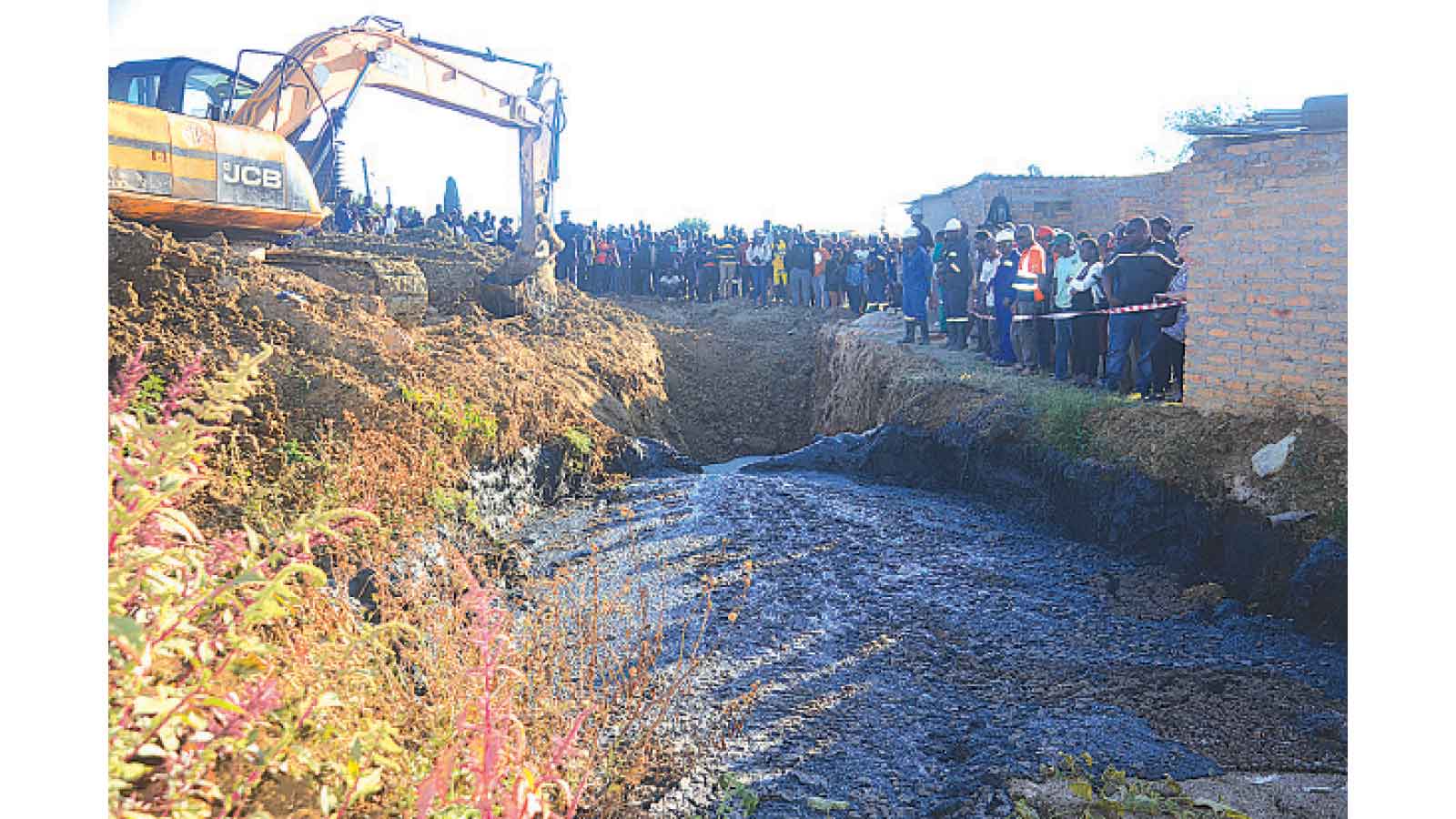
The tragedy unfolded after a young man, who had been walking with a friend along a narrow pathway near the site, disappeared into the sludge-filled pit on Sunday.

His disappearance triggered a community search that later led to an even more disturbing discovery — two additional bodies in the same excavation.

Residents say the pond is part of a stalled sewer rehabilitation project by the City of Harare, which was reportedly left unattended since early this year.

They claim no barricades, warning signs or protective fencing were put in place, despite the site sitting dangerously close to residential homes.

By Sunday evening, rescue teams, assisted by community volunteers and a diver, had retrieved three bodies from the contaminated pit.

Authorities later indicated that identification documents belonging to other individuals were also recovered, raising fears that more victims could have been affected.

Residents described the area as a long-standing hazard. Some said the council had occasionally resumed work on a different section of the project, but the original excavation remained exposed and accessible to people, including children.

While official comment from Harare City leadership was not immediately available, residents have blamed the tragedy on what they describe as poor safety management and failure to secure public works sites.

A diver involved in the recovery operation said the conditions were extremely hazardous due to the depth and consistency of the sludge, noting that the search became progressively difficult as more bodies were discovered during retrieval efforts.

He said the operation extended for several hours under dangerous conditions.

The Zimbabwe Republic Police has confirmed the incident and has launched investigations into the circumstances surrounding the deaths.

National police spokesperson Commissioner Paul Nyathi said: “The Zimbabwe Republic Police confirms the death of three people who drowned in a pit filled with sewer sludge in Budiriro 3 New Stands, Harare, on June 7, 2026.”

Comm Nyathi gave details of how the first victim fell into the pit.

“One of the victims, Saul Karakadzai (19) and his friend were walking along a narrow pathway when they passed through the sludge pit measuring approximately three metres deep, seven metres long and two metres wide.

“Saul Karakadzai accidentally fell into the pit and drowned. The friend alerted nearby residents and the police, who swiftly responded to assist in retrieving the victim.

“During the retrieval process, two other bodies were discovered in the pit.”

Comm Nyathi confirmed that all three bodies had been recovered and taken for post-mortem examinations.

“The three bodies have since been retrieved and taken to Sally Mugabe Hospital mortuary for post-mortem. More details will be released in due course,” Comm Nyathi said.

Residents say the incident has exposed broader concerns about abandoned or poorly managed municipal projects, particularly in high-density suburbs where open excavations can remain unguarded for long periods.

As investigations continue, the tragedy has left the Budiriro community shaken, with calls growing for accountability and urgent review of safety standards on public works sites.

ZANU PF Harare Provincial Chairman Cde Godwills Masimirembwa visited the scene and encouraged council to close all open pits to avoid endangering lives.

The post 3 bodies recovered from Budiriro sewer pond appeared first on Zimbabwe Situation.

ZANU PF eyes huge numbers for National Cell Day

Source: ZANU PF eyes huge numbers for National Cell Day – herald Joseph Madzimure-Zimpapers Politics Hub ZANU PF will hold its National Cell Day nationwide on June 27, for major mobilisation, membership verification and recruitment drive. The event directs all members, from ordinary citizens to the Presidium and Politburo, to gather at their local cells […]

The post ZANU PF eyes huge numbers for National Cell Day appeared first on Zimbabwe Situation.

Source: ZANU PF eyes huge numbers for National Cell Day – herald

Joseph Madzimure-Zimpapers Politics Hub

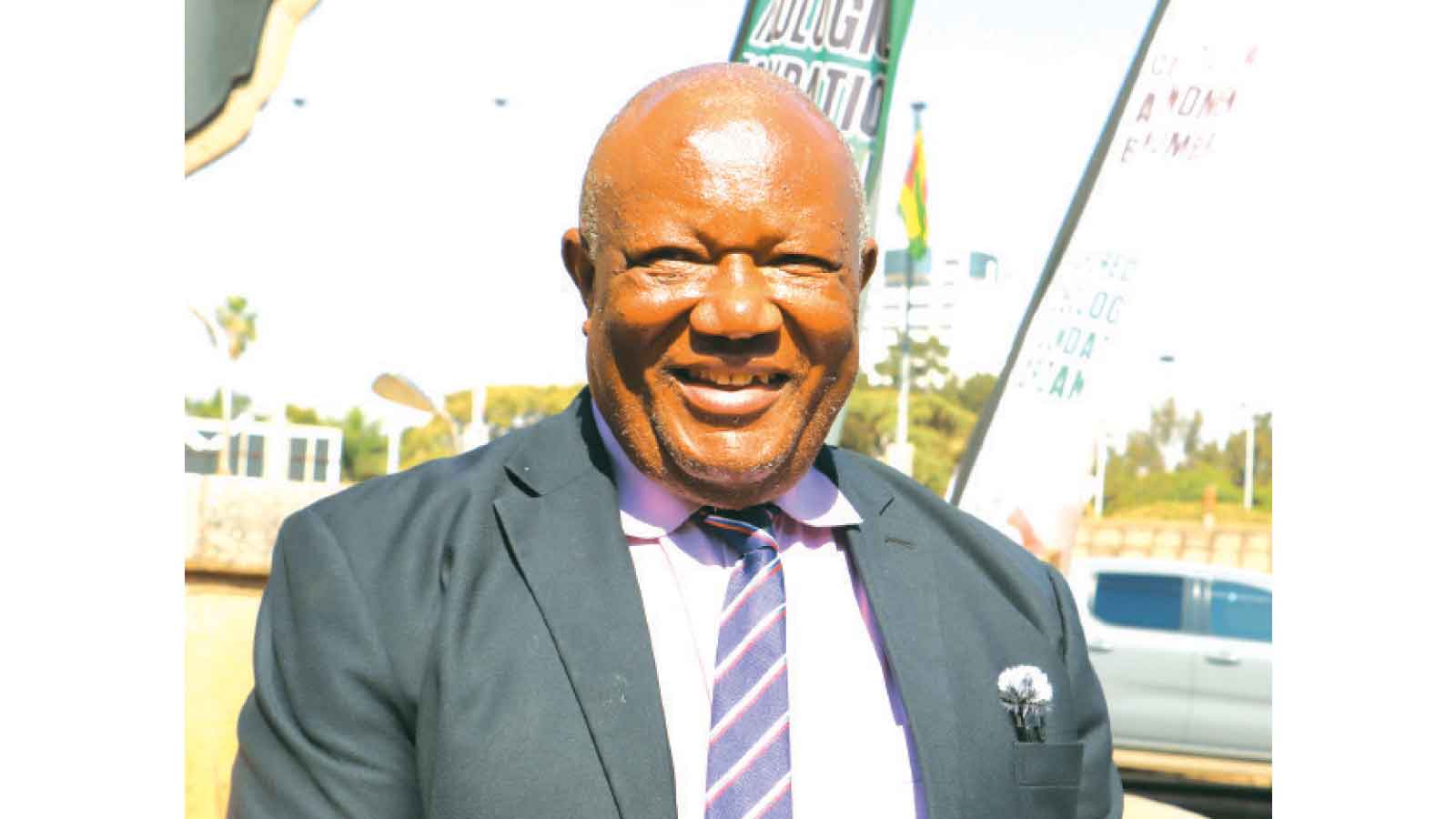
ZANU PF will hold its National Cell Day nationwide on June 27, for major mobilisation, membership verification and recruitment drive.

The event directs all members, from ordinary citizens to the Presidium and Politburo, to gather at their local cells to strengthen grassroots structures and align with national development goals.

In an interview, ZANU PF National Political Commissar Cde Munyaradzi Machacha said: “It is a day where we will be talking about the digitisation programme and its importance and why every member must ensure that their names are reflected in the cell register in digital format. The Politburo has agreed that from the last week of January to the last week of June in each year, we will be holding national cell days.

“So this year, on June 27, it will be our village cell day. We expect all our members to gather at their respective cell meetings under the chairmanship of the cell chairpersons to deliberate on an agenda that includes verifying membership and ensuring that all cell members are present or can be accounted for.”

Party members are expected to bring their national identity cards to check if their names are captured in the cell register.

“We will also be thanking our members for their support in the campaign for CAB 3, which is now before Parliament and which we hope will be concluded very, very soon,” said Cde Machacha.

He rallied provincial structures to mobilise party members to attend the cell day.

ZANU PF Secretary for Security, Cde Lovemore Matuke, said provinces which fail to submit verifiable cell structures will face disciplinary action.

“This is the second round of the cell verification exercise this year. The first round was held at the end of January. During the first round, we realised that some provinces did not meet the party’s expectations. As a result, the party directed those provinces to audit their cell structures.

“We are asking the responsible teams to carry out due diligence. Leadership expects the correct cell structures; failure is not an option,” he said.

Cde Matuke said some provinces were given a second chance to reflect on their previous performance.

The post ZANU PF eyes huge numbers for National Cell Day appeared first on Zimbabwe Situation.