HeliDrive responds to 1 462 emergencies 

Source: HeliDrive responds to 1 462 emergencies – herald Theseus Mauruki Shambare Zimbabwe’s national air ambulance service has handled 1 462 emergency evacuations in less than two years, highlighting the growing role of aeromedical transport in improving access to lifesaving specialist care and strengthening the country’s emergency healthcare system. Statistics released by HeliDrive Zimbabwe National […]

The post HeliDrive responds to 1 462 emergencies  appeared first on Zimbabwe Situation.

Source: HeliDrive responds to 1 462 emergencies – herald

Theseus Mauruki Shambare

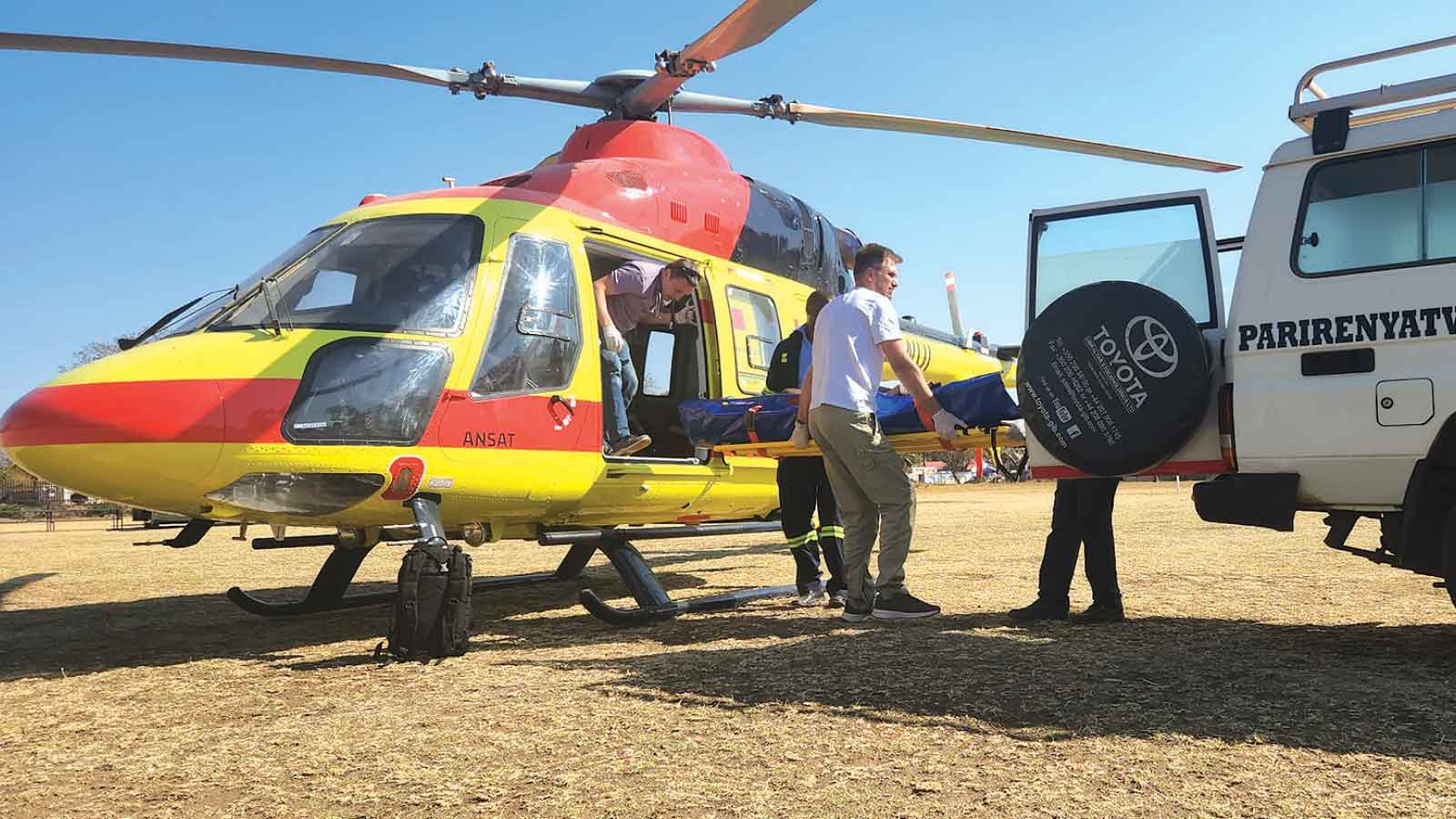
Zimbabwe’s national air ambulance service has handled 1 462 emergency evacuations in less than two years, highlighting the growing role of aeromedical transport in improving access to lifesaving specialist care and strengthening the country’s emergency healthcare system.

Statistics released by HeliDrive Zimbabwe National Air Ambulance Service show that between August 24, 2024, and May 19 this year, the aeromedical evacuation programme responded to over 1 400 emergencies across Harare, Bulawayo and Victoria Falls.

Harare recorded the highest number of evacuations at 944 cases, followed by Bulawayo with 504, while the newly established Victoria Falls operational base handled 14 emergencies.

The figures also point to increasing demand for emergency paediatric and neonatal transfers.

A total of 473 children aged between zero and 12 years were evacuated nationally, including 271 infants under the age of one.

Those aged 13 years and above accounted for 710 evacuations.

HeliDrive Zimbabwe chief medical officer Dr Freddy Mhondiwa said the emergency air ambulance programme was becoming an increasingly important link between district hospitals and specialised referral centres.

Speaking during the opening of the service’s new operational base in Victoria Falls last week, Dr Mhondiwa said the expansion would improve access to advanced medical care for both residents and visitors.

“As HeliDrive Zimbabwe National Air Ambulance Service, we are proud to mark the opening of our new operational base in Victoria Falls,” he said.

“This positions us to deliver timely, high-quality aeromedical services to both tourists visiting one of Africa’s premier destinations and surrounding local communities requiring urgent access to advanced medical care.”

Medical practitioners working with the service say long travelling distances have historically placed critically ill patients at significant risk, particularly those requiring intensive care, trauma stabilisation and specialist treatment.

Victoria Falls-based general practitioner Dr Tapiwa Kandemiiri said some patients previously faced journeys of nearly 12 hours by road to access specialist services in Bulawayo.

“In critical emergencies, that is simply too long. There was a patient who developed post partum haemorrhage after complications in theatre and urgently needed blood products and ICU care,” he said.

“Because of the air service, we managed to quickly evacuate the patient. The helicopter itself functions like a flying ICU.”

The helicopters are equipped with ventilators and advanced critical care equipment capable of stabilising patients during transfer.

Former Air Force of Zimbabwe pilot Mr Lasley Makoni, who now flies emergency evacuation missions for HeliDrive Zimbabwe, said each deployment represented a race against time.

“When we receive a flight request for a critically ill-patient, sense of duty calls,” he said.

“You know that somebody’s life depends on how quickly you can get them to the next medical facility.”

In Victoria Falls alone, six children have already required emergency evacuation since the local base became operational, including five infants under the age of one.

Health sector analysts say improvements in emergency transport systems, oncology services and critical care infrastructure are beginning to reshape healthcare access patterns across Zimbabwe, particularly for patients living in remote areas.

The developments also come as Victoria Falls prepares to host major international sporting events such as the ICC Men’s Cricket World Cup next year, which is expected to attract thousands of athletes, officials and tourists, increasing the importance of emergency preparedness and trauma response capabilities.

“Our teams are fully prepared and operational,” said Dr Mhondiwa.

“We are strengthening rapid response systems, trauma care and critical care transfers across the region.”

The expansion of emergency aeromedical services coincides with Government efforts to strengthen specialist healthcare infrastructure nationwide.

Recently, two TrueBeam Linear Accelerators (LINACs), among the most advanced radiotherapy systems available globally, arrived in the country and are scheduled for installation at Mpilo Central Hospital in Bulawayo and Parirenyatwa Group of Hospitals in Harare as part of broader efforts to modernise cancer treatment services.

Health experts say the simultaneous expansion of emergency evacuation capacity and specialist treatment facilities marks a significant shift in Zimbabwe’s healthcare delivery model, reducing barriers to advanced medical care for patients who previously struggled to access specialised services.
The post HeliDrive responds to 1 462 emergencies  appeared first on Zimbabwe Situation.
Parly urged to endorse national fabric 

Source: Parly urged to endorse national fabric – herald Herald Reporter Chivi Central Member of Parliament, Cde Exevia Maoneke, has urged Parliament to endorse the national dress code following its recent adoption by Cabinet. Speaking on a point of national interest in the National Assembly recently, Cde Maoneke said the national dress had multidisciplinary benefits […]

The post Parly urged to endorse national fabric  appeared first on Zimbabwe Situation.
Source: Parly urged to endorse national fabric – herald

Herald Reporter

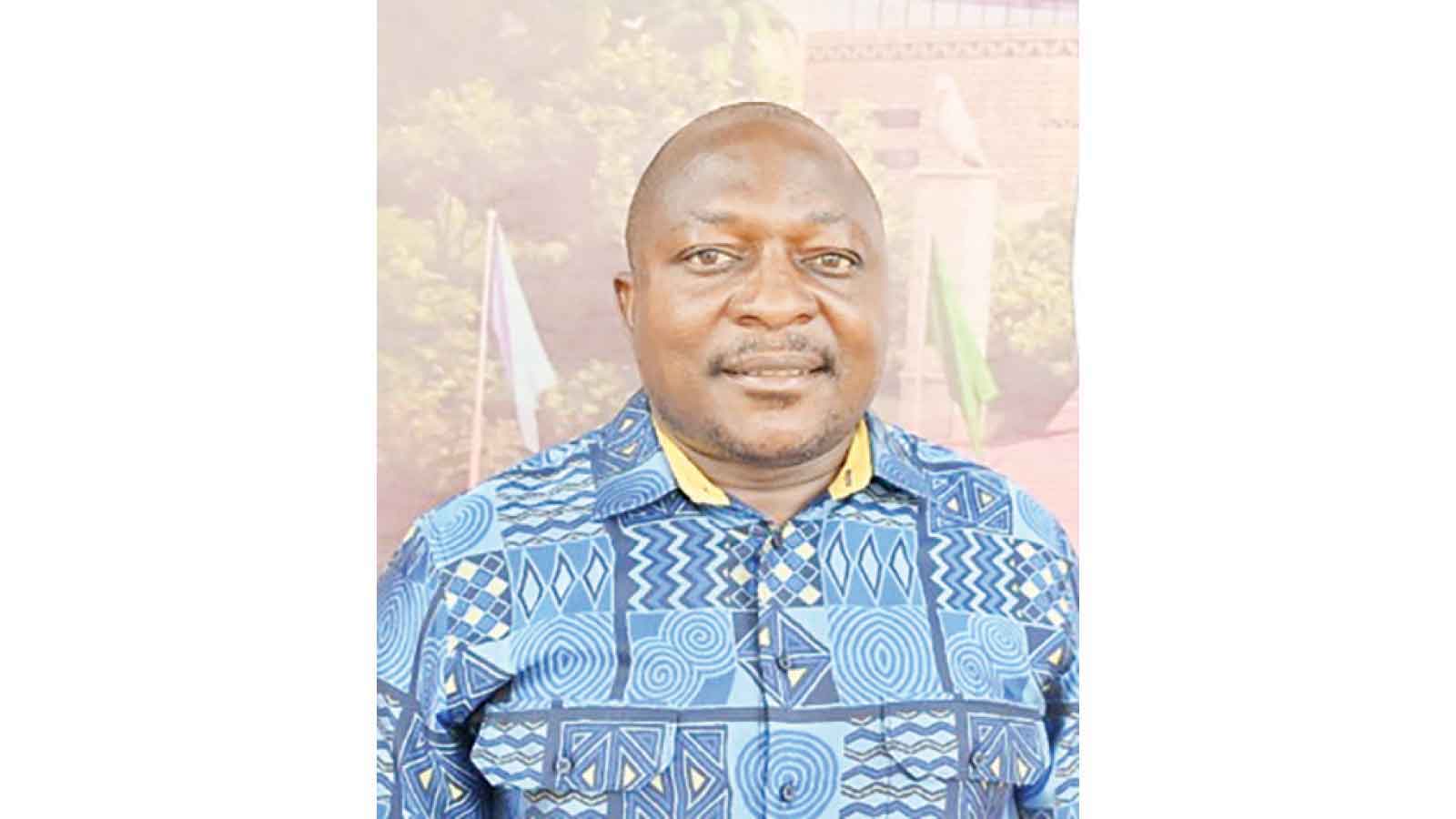
Chivi Central Member of Parliament, Cde Exevia Maoneke, has urged Parliament to endorse the national dress code following its recent adoption by Cabinet.

Speaking on a point of national interest in the National Assembly recently, Cde Maoneke said the national dress had multidisciplinary benefits across cultural, economic and social realms.

“I rise to share a point of national interest regarding the adoption of a national dress code by our Cabinet, chaired by President Mnangagwa,” he said.

“In the same vein, let us not forget that this initiative was promulgated by none other than our very own mother of the nation, Dr A Mnangagwa, a former Member of Parliament and currently, a philanthropist par excellence.

“The adoption of the national dress is a symbol of unity and cultural pride. It is a symbol of patriotism. This initiative to adopt national dress reflects a deep-rooted sense of patriotism among citizens.”

Cde Maoneke said the initiative by Parliament should be supported as it embodied the spirit of patriotism, self-belief and unity, while simultaneously promoting Zimbabwe’s culture and resources.

“It is an opportunity for the country to come together and project a positive image both locally and internationally,” he said.

“I suggest to Parliament, therefore, a recommendation for a formal endorsement of this proposal at its earliest parliamentary session, emphasising its multidisciplinary benefits across cultural, economic and social realms.”

Cde Maoneke said the national dress code was an important point for national security and governance.

“It is with profound admiration that we extol the remarkable initiative taken by the First Lady in instituting a national dress code, an innovative concept that transcends mere fashion to encapsulate the very essence of our national identity,” he said.

“The myriad colours and exquisite designs crafted within this framework are truly otherworldly, reflecting not only artistic ingenuity, but also the rich cultural tapestry of our beloved Zimbabwe.”

Cde Maoneke said the First Lady’s visionary endeavour had garnered widespread acceptance across the diverse spectrum of Zimbabwean households, resonating with all citizens irrespective of their geographical domicile.

“This initiative stands as a statement to her unwavering commitment to fostering unity and pride among our people, skilfully intertwining traditional values with modern artistic,” he said.

“I, therefore, pray that Parliament invites her for a formal endorsement of this initiative and also for all parliamentarians as representatives of the people to buy this national fabric.

“I also pray that Parliament joins the Executive, the sooner the better, as they are already in the driving seat.”

Cde Maoneke encouraged Zimbabweans to embrace and take pride in their cultural heritage as that helped to reinforce national security.

He said Cabinet had led by example through wearing the national dress last month, setting a standard for the nation, while showcasing its confidence in the identity and values as Zimbabweans.

The initiative, Cde Maoneke said, could foster national unity, bringing together diverse ethnic groups under a common cultural identity, which is vital for social cohesion, harmony among citizens and national security.

Under cultural marketing, Cde Maoneke said promoting the national dress internationally served as a marketing tool for Zimbabwe’s rich cultural heritage and enhancing its visibility to potential investors and tourists.

“Highlighting national dress can create economic opportunities through the textile and fashion industries, encouraging local artisans and designers to thrive and expand their businesses,” he said.

“Utilising locally sourced materials for national dress not only supports local industries, but also emphasises sustainability and the importance of homegrown resources.”

Speaker of Parliament, Advocate Jacob Mudenda, applauded Cde Maoneke for raising the point of national interest, saying the question of national identity and sovereignty should be the mark of any nation that is proud of itself.

“That is a good statement and we applaud the First Lady for the initiative that should have happened soon after our independence, like what other countries have done, especially in West Africa,” he said.

“Thank you very much for the statement.”

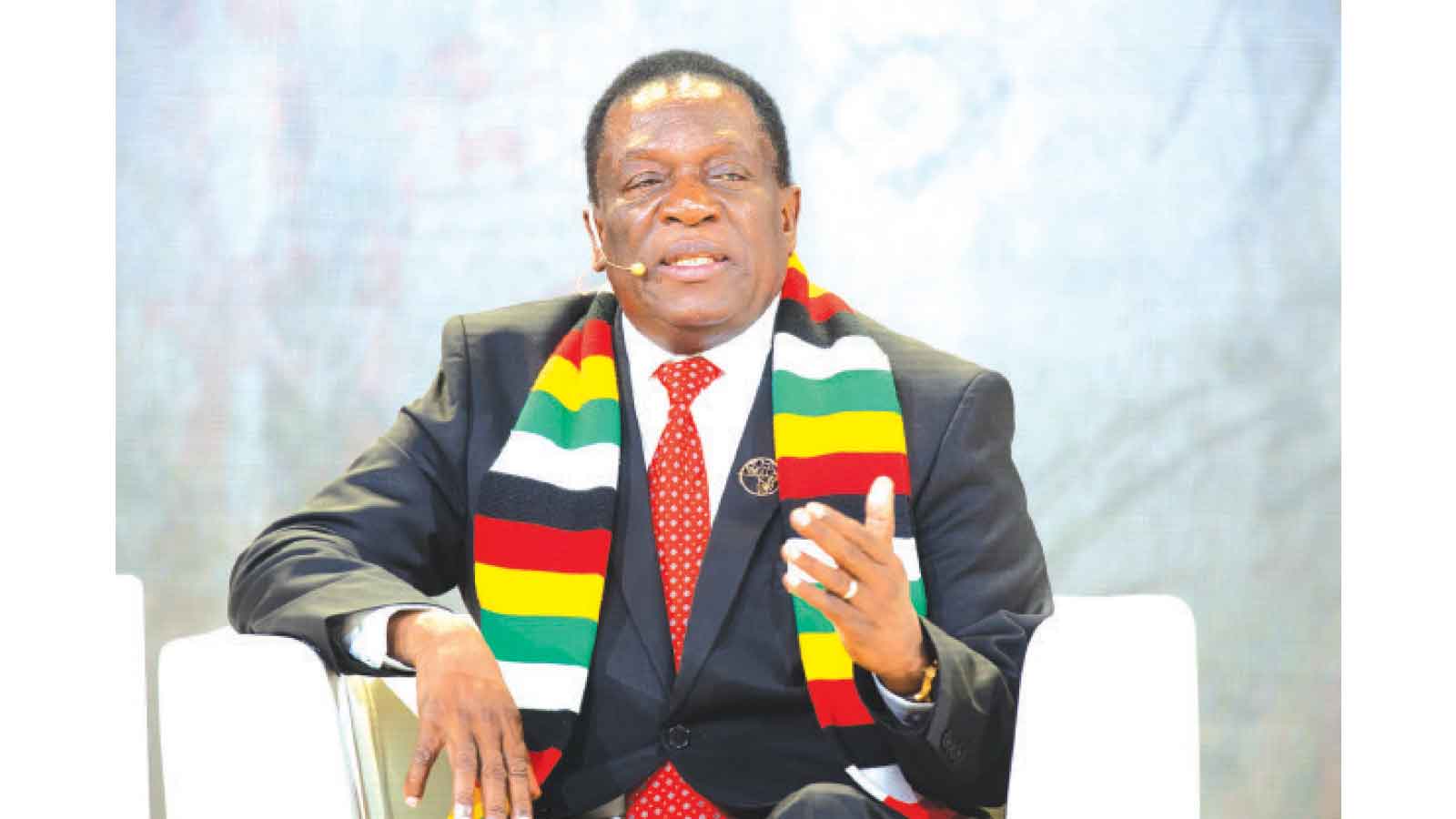
President Mnangagwa and all members of his Cabinet wore Zimbabwe’s National Fabric at every Cabinet sitting for the entire month of May as the country observed Culture Month.

By choosing to wear the National Fabric during official proceedings throughout the month, President Mnangagwa’s administration was reaffirming a commitment to preserving indigenous culture, while promoting cultural pride, creativity and authentic local artistic expression.

The President’s decision to wear the Zimbabwe National Fabric during Cabinet sittings throughout Culture Month also spoke to a broader national and continental calendar.

The initiative culminated in the wider celebrations of Africa Day on May 25, reinforcing Zimbabwe’s role in continental solidarity and shared African cultural values.

In addition, President Mnangagwa presided over this year’s National Culture Month main celebrations in Bulawayo Province on May 21.

The post Parly urged to endorse national fabric  appeared first on Zimbabwe Situation.
Foundation awards scholarships to 20 disadvantaged students

Source: Foundation awards scholarships to 20 disadvantaged students – herald Obey Musiwa-Herald Reporter TWENTY students from child-headed households, orphaned homes and candlelit classrooms across Zimbabwe’s 10 provinces have been awarded fully funded university scholarships by the Bridging the Gap Foundation, founded by businessman and humanitarian Dr Kudakwashe Tagwirei and his wife, Sandra. The BGF Research […]

The post Foundation awards scholarships to 20 disadvantaged students appeared first on Zimbabwe Situation.
Source: Foundation awards scholarships to 20 disadvantaged students – herald

Obey Musiwa-Herald Reporter

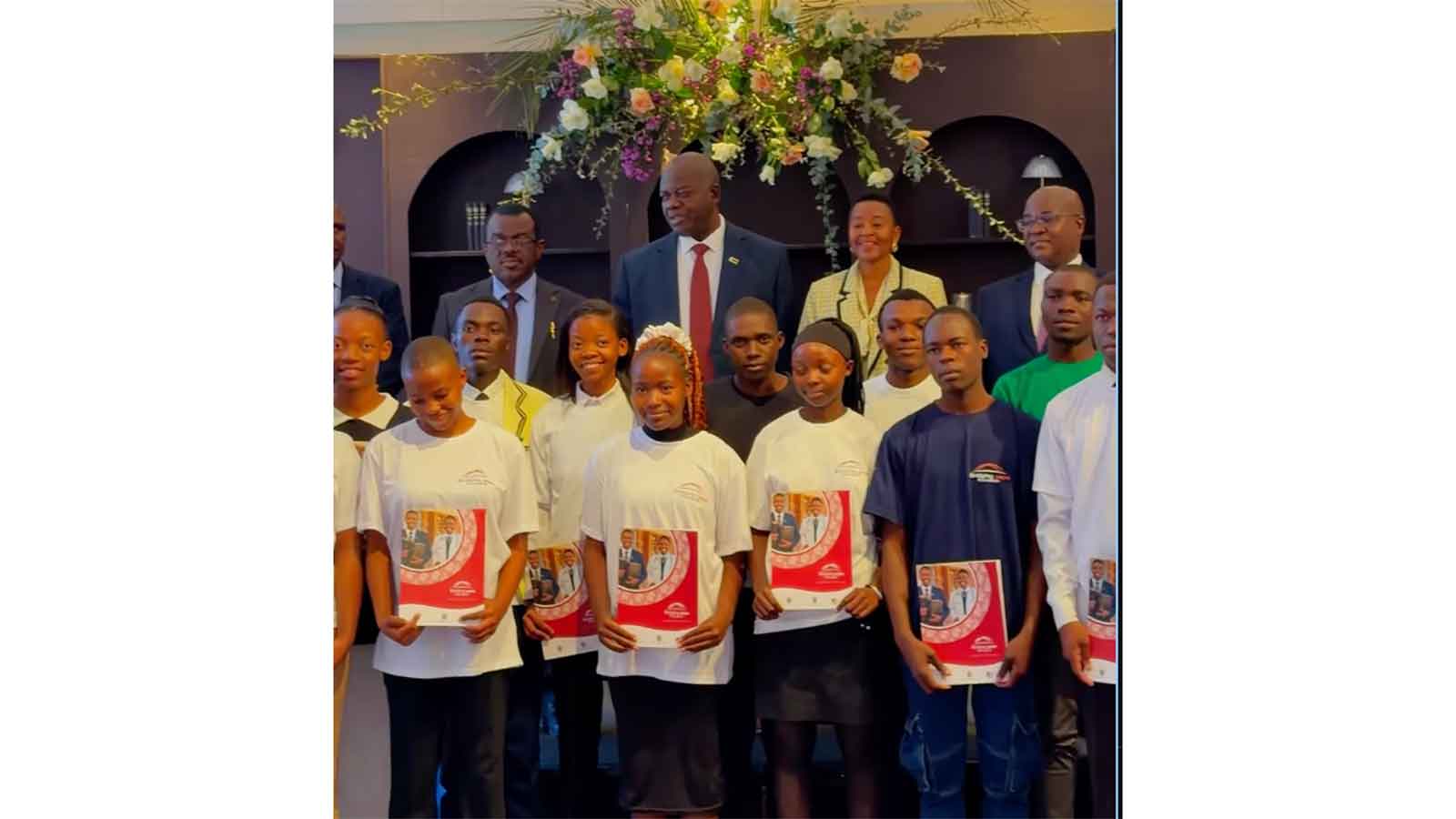
TWENTY students from child-headed households, orphaned homes and candlelit classrooms across Zimbabwe’s 10 provinces have been awarded fully funded university scholarships by the Bridging the Gap Foundation, founded by businessman and humanitarian Dr Kudakwashe Tagwirei and his wife, Sandra.

The BGF Research Scholarship Programme, launched in partnership with the Ministry of Primary and Secondary Education, targets academically outstanding students from the most disadvantaged backgrounds, covering full tuition, accommodation, examination fees and a monthly stipend, while removing every financial barrier standing between talent and a university degree.

Speaking at the handover ceremony to the Ministry of Primary and Secondary Education yesterday, Minister Torerayi Moyo said the programme proved that excellence could emerge from anywhere in Zimbabwe.

He said Government alone could not carry the burden of expanding access to education.

“Talent knows no geographical boundaries and opportunity should know none either. The beneficiaries are not merely pursuing academic qualifications. They are preparing to become custodians of health, justice and human dignity,” he said.

BGF CEO Mr Mberikwazvo Chitambo, speaking on behalf of founder Dr Tagwirei, said the foundation was built not on abundant resources, but on a faith-driven conviction to give.

He said the scholars themselves were now expected to become part of that giving chain by mentoring younger, vulnerable learners.

“We do not give because we have; we give because we are given.”

He said the scholarship was designed to spark a movement, not merely change individual lives.

“That is how a scholarship, in our mind, becomes a movement. That is how a bridge, in our thinking, becomes a highway.”

The Ministry of Higher and Tertiary Education, Innovation, Science and Technology Development Director for Innovation, Science and Technology Development, Dr Willie Ganda, said scholarships awarded through the BGF are a deliberate investment in Zimbabwe’s intellectual and professional future.

“Every scholarship we award is a deliberate investment in our national intellectual and professional strength.

“Scholarship recipients, this scholarship is a commitment to your graduation by facilitating a 100 percent completion rate. No student should drop out for financial reasons. No student will fail for lack of support.”

University of Zimbabwe Vice Chancellor, Professor Paul Mapfumo, said the institution warmly welcomes the new scholarship recipients to pursue studies in law and medicine, urging them to make full use of the resources provided.

“The mistakes one makes in life cannot be reversed or corrected, but they can be learned from to perfect tomorrow’s path.

“The University of Zimbabwe welcomes you, and we expect the full utilisation of these fully funded scholarships in the service of national development,” he said.

A beneficiary learner from Gokwe, Olga Sitotombe, speaking on behalf of all 20 recipients, said the scholars understood the weight of what had been entrusted to them and were committed to returning that investment to their communities.

“Your investment in our education is an investment in Zimbabwe’s future.

“We will use our education not only for our personal success, but also to strengthen our communities, institutions and nation,” she said.

The post Foundation awards scholarships to 20 disadvantaged students appeared first on Zimbabwe Situation.

Push intensifies for cleaner, plastic-free Zimbabwe

Source: Push intensifies for cleaner, plastic-free Zimbabwe – herald Alicia Kadzviti-Herald Reporter ZIMBABWE has intensified efforts to combat plastic pollution, with Government, development partners and private players calling for collective action to build a cleaner and sustainable environment. The call came during the national commemoration of World Environment Day held at Mukuvisi Woodlands in Harare […]

The post Push intensifies for cleaner, plastic-free Zimbabwe appeared first on Zimbabwe Situation.

Source: Push intensifies for cleaner, plastic-free Zimbabwe – herald

Alicia Kadzviti-Herald Reporter

ZIMBABWE has intensified efforts to combat plastic pollution, with Government, development partners and private players calling for collective action to build a cleaner and sustainable environment.

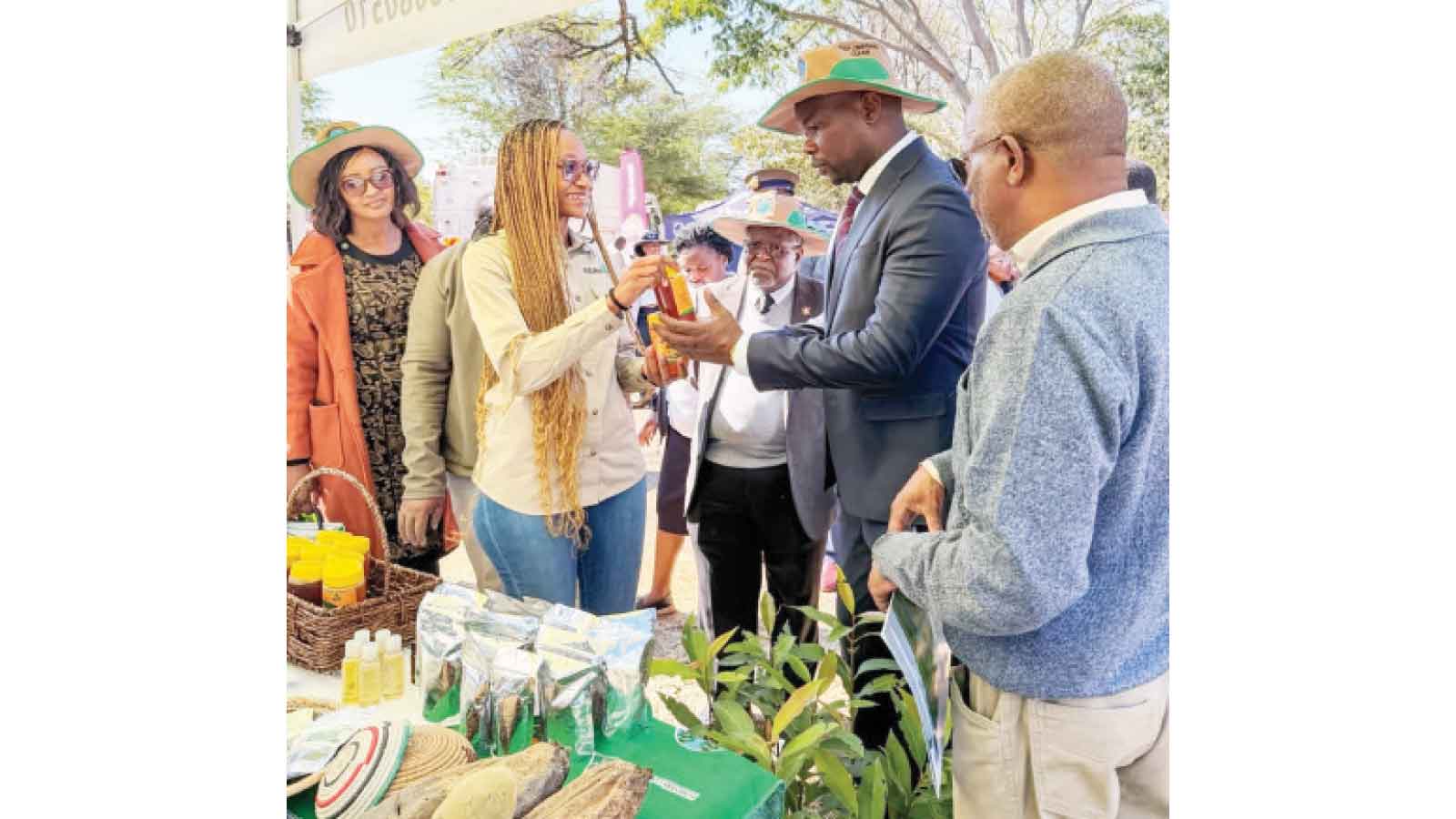
The call came during the national commemoration of World Environment Day held at Mukuvisi Woodlands in Harare on Friday, where stakeholders gathered under the theme, “A Plastic-Free Environment is Possible: Play Your Part,” to mark the global environmental awareness day, which coincided with the June National Clean-Up Campaign.

Speaking during the event, Acting Minister of Environment, Climate and Wildlife Tino Machakaire said environmental sustainability was no longer optional, but a necessity as climate change continues to affect livelihoods, biodiversity and food security.

“Climate change is affecting rainfall patterns, food security, water availability, biodiversity and livelihoods across the world.

“For Zimbabwe, climate action is about protecting our people, securing our economy, safeguarding our natural heritage and ensuring sustainable development,” he said.

Minister Machakaire described plastic pollution as one of the country’s most pressing environmental threats, warning that improper disposal of waste continues to clog drainage systems, pollute rivers and harm ecosystems.

“This is not merely a slogan, it is a national call to action,” he said.

“Plastic pollution has become one of the most visible environmental challenges of our time. It clogs drainage systems, pollutes rivers, contaminates soils, harms livestock and wildlife.”

Minister Machakaire said Government had already taken decisive measures through stronger environmental regulations, improved waste management systems and recycling initiatives, but stressed that citizens also had a responsibility to protect the environment.

“The environment is not protected by policies alone. It is protected by our behaviour. It is protected by discipline. It is protected by personal responsibility,” the Minister said.

He challenged Zimbabweans to reduce unnecessary plastic use, embrace recycling and become environmental ambassadors in their communities.

In his opening remarks, Minister of State for Provincial Affairs and Devolution for Harare Metropolitan Province Senator Charles Tavengwa urged citizens to adopt sustainable alternatives to single-use plastics and support recycling initiatives.

“Plastic waste remains one of the greatest environmental challenges of our time,” he said.

“Single-use plastics do not fully decompose and continue to accumulate in our rivers, wetlands, landfills and communities, causing serious threats to ecosystems, wildlife and human health.”

Senator Tavengwa said schools and educational institutions had a critical role in instilling environmental responsibility among learners through waste separation, recycling and clean-up campaigns.

He also applauded recycling initiatives in Harare, particularly in areas such as Graniteside, where recovered plastic materials are being transformed into reusable products.

Chief executive officer of Geo Pomona Waste Management Dr Dilesh Nguwaya said modern waste management systems were critical in addressing plastic pollution and improving public health, warning that poor waste disposal continues to threaten ecosystems and urban communities.

“Plastic pollution, illegal dumping and poor waste handling continue to threaten our ecosystems, water systems, urban environments and the health of our people,” he said.

“When waste is not collected efficiently or disposed of responsibly, the consequences are immediate and visible. Communities face blocked drainage systems, contaminated surroundings and declining urban dignity.”

Dr Nguwaya said waste management should no longer be viewed solely as a sanitation issue, but as an important pillar for climate action, economic growth and sustainable national development.

“Waste management is a shared responsibility,” he said.

“Each one of us, whether in Government, business, civil society, schools, households or communities, has an opportunity to assess where we can make the greatest difference in the value chain.”

UNICEF programme specialist Mrs Egline Tauya said climate change was increasingly threatening children’s well-being, warning that young people in Zimbabwe were among the most vulnerable to environmental hazards.

“The Child-Centred Climate Vulnerability Assessment Report of 2024 states that a child in Zimbabwe is exposed to at least one environmental or climate hazard each year,” she said.

“These hazards include floods, droughts, pollution and extreme heat. This means our children are now growing up in conditions that put their health, education and overall well-being at risk.”

Mrs Tauya, however, commended Zimbabwean youths for taking practical action through clean-up campaigns, tree planting and environmental awareness initiatives.

“Young people are showing that action is possible at every level,” she said.

She said UNICEF continues to work closely with Government and partners through programmes aimed at strengthening resilience to climate shocks while empowering children to become environmental stewards.

The commemorations also featured a clean-up exercise, tree-planting ceremony, environmental exhibitions and environmental pledges from various stakeholders, reinforcing calls for collective action in protecting Zimbabwe’s natural resources.

The post Push intensifies for cleaner, plastic-free Zimbabwe appeared first on Zimbabwe Situation.

Zim pledges US$1m to fight Ebola . . . Govt activates full emergency response

Source: Zim pledges US$1m to fight Ebola . . . Govt activates full emergency response – herald Gibson Nyikadzino-Zimpapers Reporter Zimbabwe has pledged US$1 million to the Africa Centres for Disease Control and Prevention to help fight and contain the spread of the Ebola virus across the continent, Foreign Affairs and International Trade Minister Professor […]

The post Zim pledges US$1m to fight Ebola . . . Govt activates full emergency response appeared first on Zimbabwe Situation.

Source: Zim pledges US$1m to fight Ebola . . . Govt activates full emergency response – herald

Gibson Nyikadzino-Zimpapers Reporter

Zimbabwe has pledged US$1 million to the Africa Centres for Disease Control and Prevention to help fight and contain the spread of the Ebola virus across the continent, Foreign Affairs and International Trade Minister Professor Amon Murwira has said.

Prof Murwira said the pledge, directed by President Mnangagwa, is part of Zimbabwe’s commitment to its Pan African values and constitutional obligation to contribute meaningfully to Africa’s political, social and economic well being.

“What is important is that this pledge is from Zimbabwe, as instructed by President Mnangagwa. The mechanisms and modalities on how it will be dispatched will be taken into consideration,” Prof Murwira said.

“This to us is broad because we are a member of the Africa CDC, and our foreign policy is Pan African by values and constitution.”

He said Zimbabwe has an obligation to support programmes that improve Africa’s social well being, which includes fighting and containing the Ebola virus.

“Under President Mnangagwa’s leadership, Zimbabwe is committed to programmes that advance the continent’s political, economic and social orientations and this pledge is part of the social aspect,” he said.

“President Mnangagwa, through this pledge, is implementing what is in Zimbabwe’s foreign policy doctrine. The Constitution also mandates that Zimbabwe does so.”

The Africa CDC and the World Health Organisation (WHO) have declared the spread of Ebola a public health emergency since its outbreak on May 15 in the Democratic Republic of Congo (DRC). They have launched a US$518 million financial plan to fund a joint six month continental response.

In its latest situation report on Saturday, the DRC’s health ministry warned of “rapid and continuous community transmission”, having recorded 71 cases of a rare Bundibugyo strain of Ebola in 24 hours.

Health and Child Care Minister, Dr Douglas Mombeshora, last week said that, while the country remains Ebola-free, the Government is on high alert following the activation of its preparedness measures.

He said Cabinet reviewed the national preparedness report last month, and all Ministries, Agencies and Departments are in full readiness against the highly contagious and potentially deadly disease.

“As a responsible Government, Zimbabwe has activated its preparedness measures immediately following the outbreak declaration and the subsequent elevation of regional risk by the World Health Organisation,” said Dr Mombeshora.

“Cabinet reviewed the national preparedness report on 27 May 2026 and directed all Ministries, Departments and Agencies to maintain full readiness.”

As part of its readiness, the Government has fully activated all surveillance systems, intensified screening at all ports of entry, and health workers are receiving ongoing training in disease detection and case management.

Dr Mombeshora encouraged the public to rely on verified information from official health sources regarding Ebola.

Apart from the DRC, where over 1 000 suspected cases and 220 deaths have been recorded, the Africa CDC has warned that 10 African nations are at risk of Ebola: Rwanda, Kenya, Tanzania, Angola, Burundi, the Central African Republic, the Republic of Congo, Ethiopia, South Sudan and Zambia.

On Friday, Uganda recorded three new Ebola cases, bringing its total to 19, with two deaths.

Uganda and the DRC have since implemented cross border travel restrictions, including suspending public transport.

The post Zim pledges US$1m to fight Ebola . . . Govt activates full emergency response appeared first on Zimbabwe Situation.