Push intensifies for cleaner, plastic-free Zimbabwe

Source: Push intensifies for cleaner, plastic-free Zimbabwe – herald Alicia Kadzviti-Herald Reporter ZIMBABWE has intensified efforts to combat plastic pollution, with Government, development partners and private players calling for collective action to build a cleaner and sustainable environment. The call came during the national commemoration of World Environment Day held at Mukuvisi Woodlands in Harare […]

The post Push intensifies for cleaner, plastic-free Zimbabwe appeared first on Zimbabwe Situation.

Source: Push intensifies for cleaner, plastic-free Zimbabwe – herald

Alicia Kadzviti-Herald Reporter

ZIMBABWE has intensified efforts to combat plastic pollution, with Government, development partners and private players calling for collective action to build a cleaner and sustainable environment.

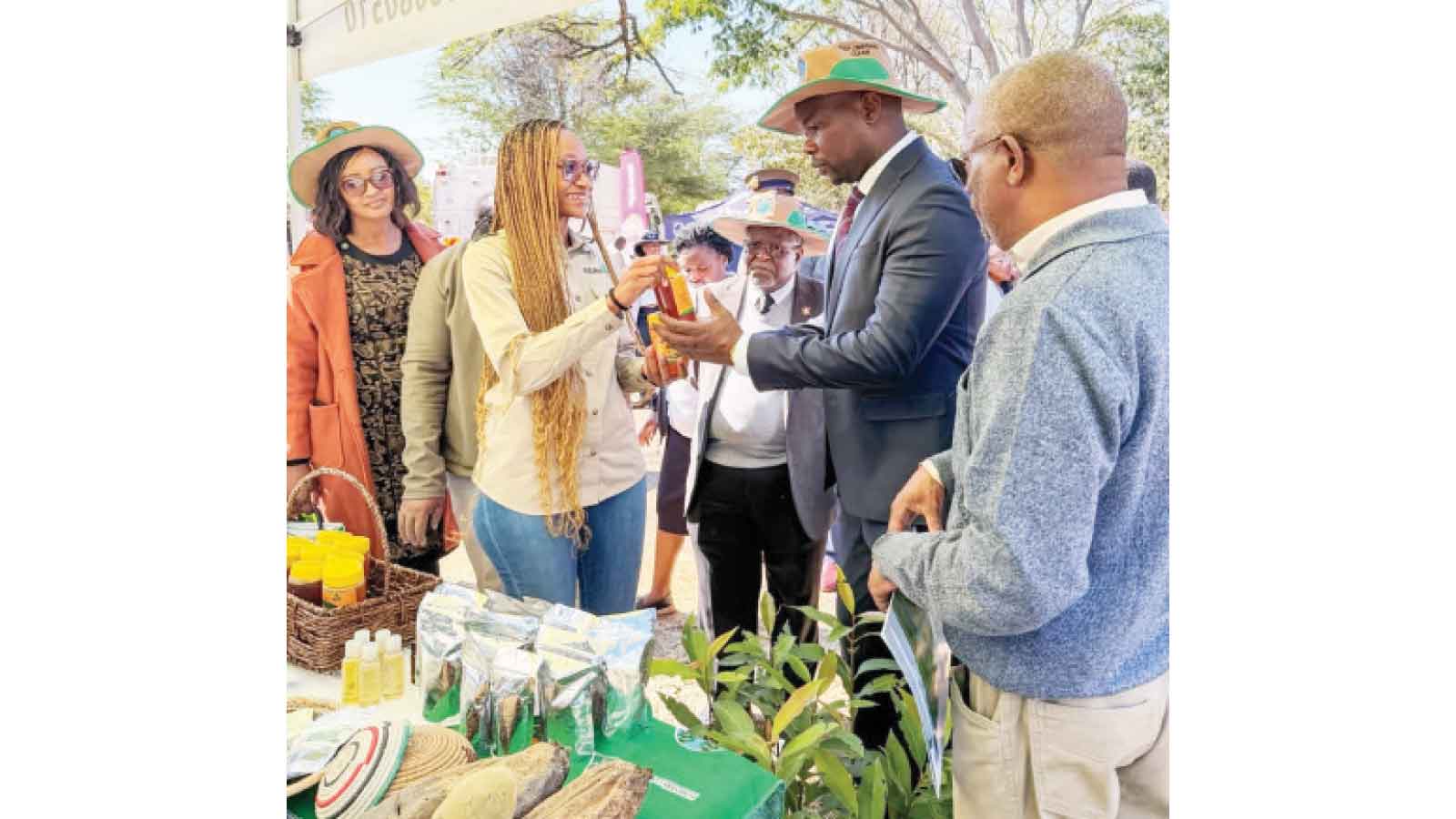
The call came during the national commemoration of World Environment Day held at Mukuvisi Woodlands in Harare on Friday, where stakeholders gathered under the theme, “A Plastic-Free Environment is Possible: Play Your Part,” to mark the global environmental awareness day, which coincided with the June National Clean-Up Campaign.

Speaking during the event, Acting Minister of Environment, Climate and Wildlife Tino Machakaire said environmental sustainability was no longer optional, but a necessity as climate change continues to affect livelihoods, biodiversity and food security.

“Climate change is affecting rainfall patterns, food security, water availability, biodiversity and livelihoods across the world.

“For Zimbabwe, climate action is about protecting our people, securing our economy, safeguarding our natural heritage and ensuring sustainable development,” he said.

Minister Machakaire described plastic pollution as one of the country’s most pressing environmental threats, warning that improper disposal of waste continues to clog drainage systems, pollute rivers and harm ecosystems.

“This is not merely a slogan, it is a national call to action,” he said.

“Plastic pollution has become one of the most visible environmental challenges of our time. It clogs drainage systems, pollutes rivers, contaminates soils, harms livestock and wildlife.”

Minister Machakaire said Government had already taken decisive measures through stronger environmental regulations, improved waste management systems and recycling initiatives, but stressed that citizens also had a responsibility to protect the environment.

“The environment is not protected by policies alone. It is protected by our behaviour. It is protected by discipline. It is protected by personal responsibility,” the Minister said.

He challenged Zimbabweans to reduce unnecessary plastic use, embrace recycling and become environmental ambassadors in their communities.

In his opening remarks, Minister of State for Provincial Affairs and Devolution for Harare Metropolitan Province Senator Charles Tavengwa urged citizens to adopt sustainable alternatives to single-use plastics and support recycling initiatives.

“Plastic waste remains one of the greatest environmental challenges of our time,” he said.

“Single-use plastics do not fully decompose and continue to accumulate in our rivers, wetlands, landfills and communities, causing serious threats to ecosystems, wildlife and human health.”

Senator Tavengwa said schools and educational institutions had a critical role in instilling environmental responsibility among learners through waste separation, recycling and clean-up campaigns.

He also applauded recycling initiatives in Harare, particularly in areas such as Graniteside, where recovered plastic materials are being transformed into reusable products.

Chief executive officer of Geo Pomona Waste Management Dr Dilesh Nguwaya said modern waste management systems were critical in addressing plastic pollution and improving public health, warning that poor waste disposal continues to threaten ecosystems and urban communities.

“Plastic pollution, illegal dumping and poor waste handling continue to threaten our ecosystems, water systems, urban environments and the health of our people,” he said.

“When waste is not collected efficiently or disposed of responsibly, the consequences are immediate and visible. Communities face blocked drainage systems, contaminated surroundings and declining urban dignity.”

Dr Nguwaya said waste management should no longer be viewed solely as a sanitation issue, but as an important pillar for climate action, economic growth and sustainable national development.

“Waste management is a shared responsibility,” he said.

“Each one of us, whether in Government, business, civil society, schools, households or communities, has an opportunity to assess where we can make the greatest difference in the value chain.”

UNICEF programme specialist Mrs Egline Tauya said climate change was increasingly threatening children’s well-being, warning that young people in Zimbabwe were among the most vulnerable to environmental hazards.

“The Child-Centred Climate Vulnerability Assessment Report of 2024 states that a child in Zimbabwe is exposed to at least one environmental or climate hazard each year,” she said.

“These hazards include floods, droughts, pollution and extreme heat. This means our children are now growing up in conditions that put their health, education and overall well-being at risk.”

Mrs Tauya, however, commended Zimbabwean youths for taking practical action through clean-up campaigns, tree planting and environmental awareness initiatives.

“Young people are showing that action is possible at every level,” she said.

She said UNICEF continues to work closely with Government and partners through programmes aimed at strengthening resilience to climate shocks while empowering children to become environmental stewards.

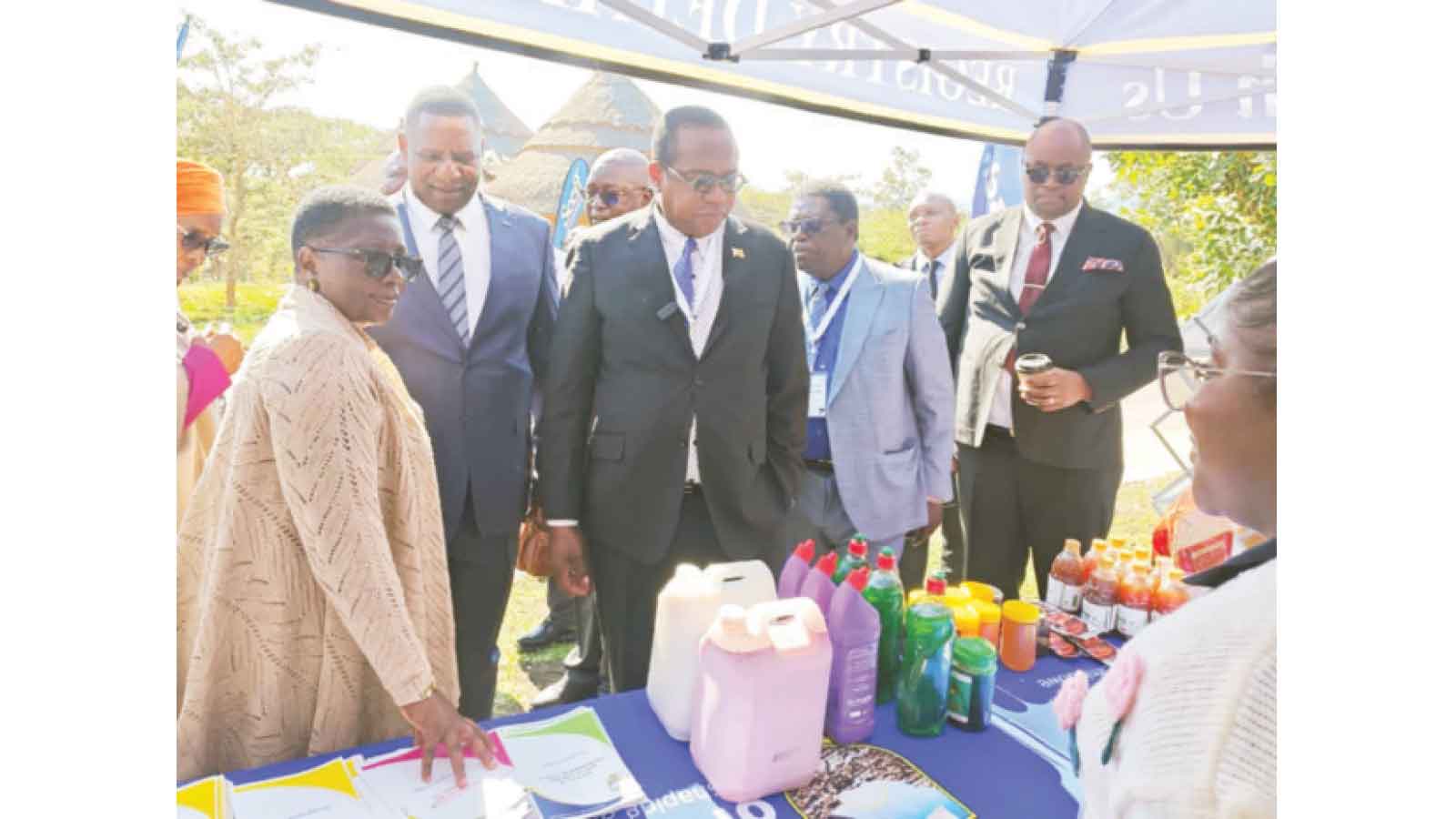
The commemorations also featured a clean-up exercise, tree-planting ceremony, environmental exhibitions and environmental pledges from various stakeholders, reinforcing calls for collective action in protecting Zimbabwe’s natural resources.
The post Push intensifies for cleaner, plastic-free Zimbabwe appeared first on Zimbabwe Situation.
Zim pledges US$1m to fight Ebola . . . Govt activates full emergency response

Source: Zim pledges US$1m to fight Ebola . . . Govt activates full emergency response – herald Gibson Nyikadzino-Zimpapers Reporter Zimbabwe has pledged US$1 million to the Africa Centres for Disease Control and Prevention to help fight and contain the spread of the Ebola virus across the continent, Foreign Affairs and International Trade Minister Professor […]

The post Zim pledges US$1m to fight Ebola . . . Govt activates full emergency response appeared first on Zimbabwe Situation.
Source: Zim pledges US$1m to fight Ebola . . . Govt activates full emergency response – herald

Gibson Nyikadzino-Zimpapers Reporter

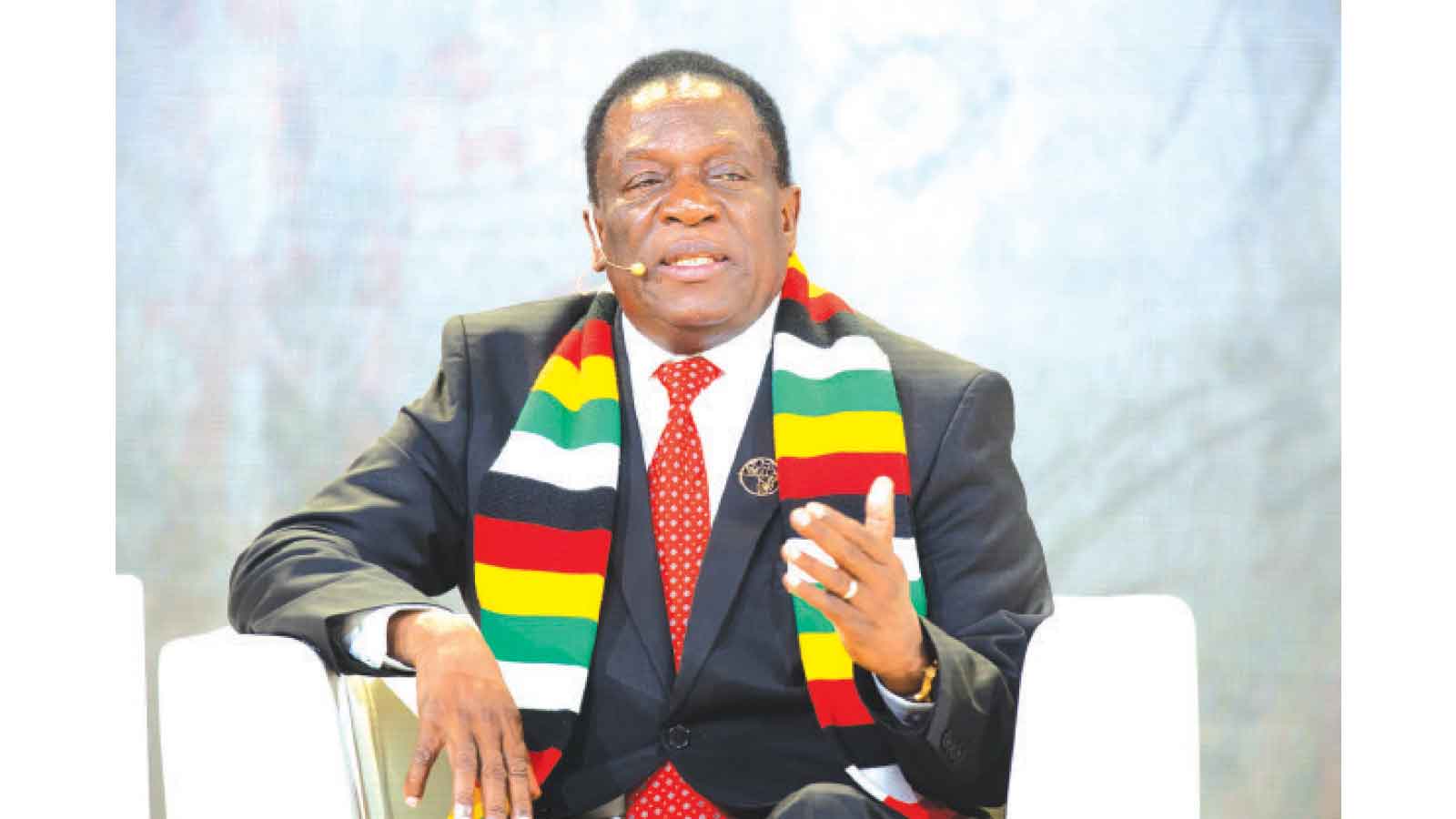
Zimbabwe has pledged US$1 million to the Africa Centres for Disease Control and Prevention to help fight and contain the spread of the Ebola virus across the continent, Foreign Affairs and International Trade Minister Professor Amon Murwira has said.

Prof Murwira said the pledge, directed by President Mnangagwa, is part of Zimbabwe’s commitment to its Pan African values and constitutional obligation to contribute meaningfully to Africa’s political, social and economic well being.

“What is important is that this pledge is from Zimbabwe, as instructed by President Mnangagwa. The mechanisms and modalities on how it will be dispatched will be taken into consideration,” Prof Murwira said.

“This to us is broad because we are a member of the Africa CDC, and our foreign policy is Pan African by values and constitution.”

He said Zimbabwe has an obligation to support programmes that improve Africa’s social well being, which includes fighting and containing the Ebola virus.

“Under President Mnangagwa’s leadership, Zimbabwe is committed to programmes that advance the continent’s political, economic and social orientations and this pledge is part of the social aspect,” he said.

“President Mnangagwa, through this pledge, is implementing what is in Zimbabwe’s foreign policy doctrine. The Constitution also mandates that Zimbabwe does so.”

The Africa CDC and the World Health Organisation (WHO) have declared the spread of Ebola a public health emergency since its outbreak on May 15 in the Democratic Republic of Congo (DRC). They have launched a US$518 million financial plan to fund a joint six month continental response.

In its latest situation report on Saturday, the DRC’s health ministry warned of “rapid and continuous community transmission”, having recorded 71 cases of a rare Bundibugyo strain of Ebola in 24 hours.

Health and Child Care Minister, Dr Douglas Mombeshora, last week said that, while the country remains Ebola-free, the Government is on high alert following the activation of its preparedness measures.

He said Cabinet reviewed the national preparedness report last month, and all Ministries, Agencies and Departments are in full readiness against the highly contagious and potentially deadly disease.

“As a responsible Government, Zimbabwe has activated its preparedness measures immediately following the outbreak declaration and the subsequent elevation of regional risk by the World Health Organisation,” said Dr Mombeshora.

“Cabinet reviewed the national preparedness report on 27 May 2026 and directed all Ministries, Departments and Agencies to maintain full readiness.”

As part of its readiness, the Government has fully activated all surveillance systems, intensified screening at all ports of entry, and health workers are receiving ongoing training in disease detection and case management.

Dr Mombeshora encouraged the public to rely on verified information from official health sources regarding Ebola.

Apart from the DRC, where over 1 000 suspected cases and 220 deaths have been recorded, the Africa CDC has warned that 10 African nations are at risk of Ebola: Rwanda, Kenya, Tanzania, Angola, Burundi, the Central African Republic, the Republic of Congo, Ethiopia, South Sudan and Zambia.

On Friday, Uganda recorded three new Ebola cases, bringing its total to 19, with two deaths.

Uganda and the DRC have since implemented cross border travel restrictions, including suspending public transport.

The post Zim pledges US$1m to fight Ebola . . . Govt activates full emergency response appeared first on Zimbabwe Situation.
Local industry expansion drive gains momentum

Source: Local industry expansion drive gains momentum – herald Herald Reporter ZIMBABWE’S manufacturing sector is showing renewed momentum, with major firms expanding production capacity and investing millions of dollars in new projects as Government intensifies efforts to support industrial growth and competitiveness. The positive outlook comes as manufacturing sector capacity utilisation rose to 57 percent […]

The post Local industry expansion drive gains momentum appeared first on Zimbabwe Situation.

Source: Local industry expansion drive gains momentum – herald

Herald Reporter

ZIMBABWE’S manufacturing sector is showing renewed momentum, with major firms expanding production capacity and investing millions of dollars in new projects as Government intensifies efforts to support industrial growth and competitiveness.

The positive outlook comes as manufacturing sector capacity utilisation rose to 57 percent in the first quarter of the year from 47,7 percent during the same period last year, reflecting improved production activity across the economy.

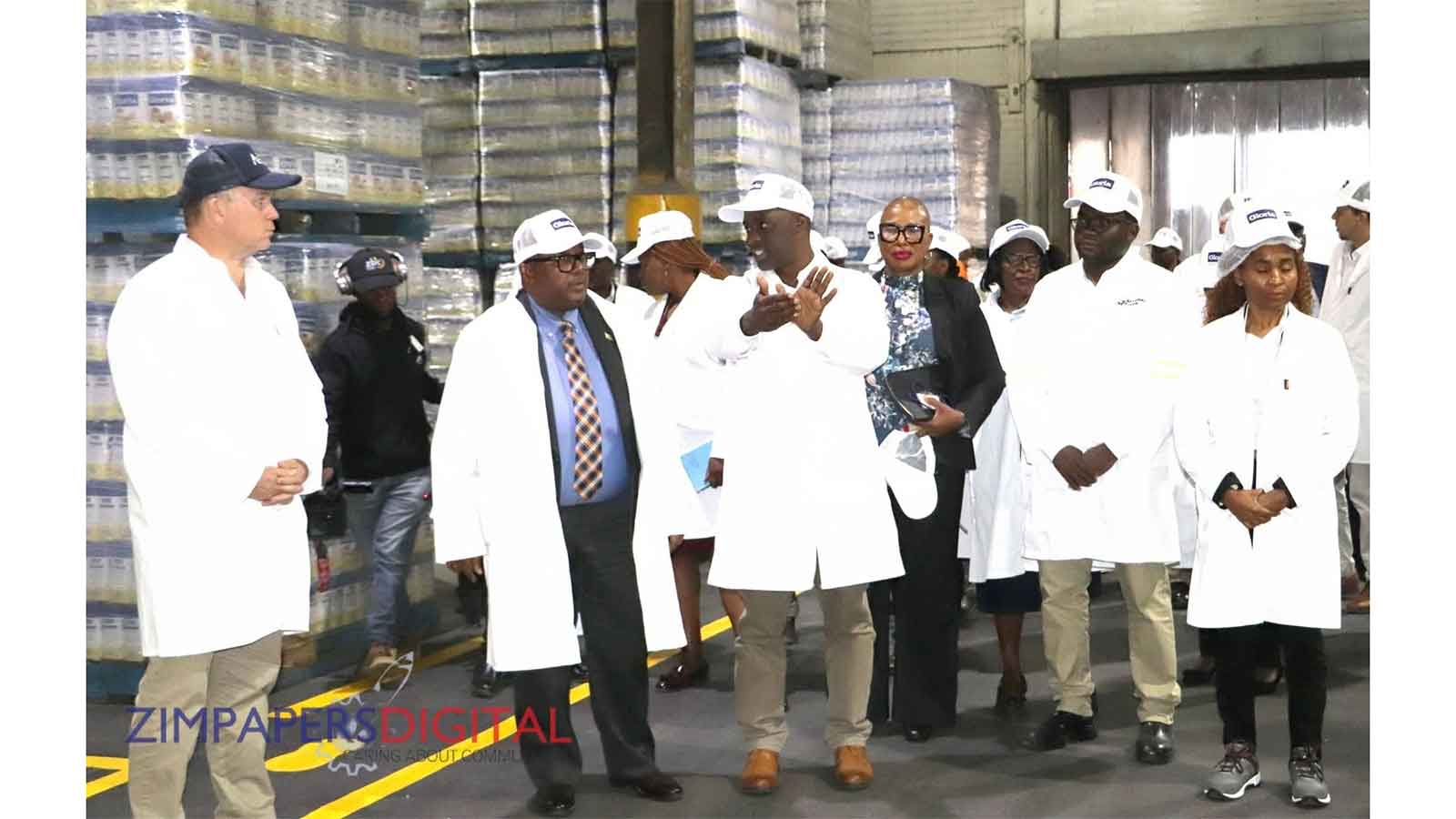
Speaking after touring National Foods Limited and ZimGold factories in Harare last Friday, Permanent Secretary in the Ministry of Industry and Commerce Ambassador Tadeous Chifamba said the Government was working closely with manufacturers to strengthen value chains and support local production.

He said the two companies were leading examples of companies demonstrating confidence in the economy through continued investment and expansion.

“This is a great show of confidence in our economy and in our country.

“We are particularly pleased that companies such as National Foods and ZimGold are championing industrialisation and employment creation,” he said.

The tour formed part of the efforts by the Ministry of Industry and Commerce to engage industry stakeholders, appreciate ongoing investments and production activities, and identify opportunities to enhance industrial competitiveness, value addition, local content development, job creation, and export growth

The manufacturing sector remains one of the key pillars of the economy, contributing about 16 percent to Gross Domestic Product.

In line with Vision 2030, the Government has launched the Zimbabwe National Industrial Development Policy 2 (ZNIDP 2) (2026-2030), a framework designed to transform the economy from one reliant on exporting raw materials and importing finished products into a competitive manufacturing and export-led economy.

The country’s industrialisation agenda is a national journey, which began with stabilisation under ZNIDP 1 (2019-2023), moved into reconstruction under the Zimbabwe Industrial Reconstruction and Growth Plan (2024-2025).

And through ZNIDP2 (2026-2030), the industrialisation journey has entered a transformative phase with authorities calling on the private sector to take the lead in driving production expansion and innovation

National Foods chief executive Mr Mike Lashbrooke said the company had invested US$22 million over the past three years in new pasta, biscuit and cereal production lines.

The company is now planning a second biscuit production line and a new 500-tonne-per-day flour mill valued at about US$25 million.

“We are very excited about those investments and many of them are operating close to capacity,” he said.

ZimGold chief operating officer Mr Rodreck Musiyiwa said his company was operating at full capacity and had started plans to establish a new oil expression and refining plant in Bulawayo.

“We are operating at peak right now and we are putting up a new plant in Bulawayo,” he said.

Both executives credited Government reforms, including anti-smuggling measures and efforts to reduce the cost of doing business, for improving operating conditions and supporting growth in local manufacturing.

Meanwhile, the Government is working closely with industry to strengthen value chains, improve competitiveness and unlock export opportunities in the US$3,5 trillion African Continental Free Trade Area (AfCFTA) market, one of the world’s largest single markets with a population of more than 1,5 billion.

The push comes as authorities implement a range of measures aimed at stimulating production in the manufacturing sector, satisfying domestic demand and increasing exports within the region and beyond.

The interventions include improving the ease of doing business, intensifying the anti-smuggling blitz and rolling out strategies to reduce Zimbabwe’s US$4,5 import bill, which continues to drain foreign currency and undermine local production and employment creation.

In addition, Finance, Economic Development and Investment Promotion Minister Professor Mthuli Ncube has established an Industrial Development Fund under the 2026 National Budget to support retooling, industrial expansion and recapitalisation of domestic industries.

As Zimbabwe advances the implementation of ZNIDP2 and scales up support through measures such as the Industrial Development Fund, growing investments by firms like National Foods and ZimGold are increasingly being viewed as early indicators of a manufacturing sector on the rebound.

With capacity utilisation improving, new production lines coming on stream and opportunities emerging under the AfCFTA, industry players and policymakers are optimistic that sustained collaboration between the Government and the private sector will accelerate industrialisation, reduce import dependence, create jobs and position Zimbabwe as a competitive manufacturing hub in the region.

The post Local industry expansion drive gains momentum appeared first on Zimbabwe Situation.

Sadc police chiefs meet on regional crime fight

Source: Sadc police chiefs meet on regional crime fight – herald Wallace Ruzvidzo-Herald Reporter Southern Africa will hold its 31st Annual General Meeting of the SADC Chiefs of Police Sub-Committee under the Inter-State Defence and Security Committee this week, focusing on regional actions to prevent and counter cross-border and transnational organised crime. In a communiqué […]

The post Sadc police chiefs meet on regional crime fight appeared first on Zimbabwe Situation.

Source: Sadc police chiefs meet on regional crime fight – herald

Wallace Ruzvidzo-Herald Reporter

Southern Africa will hold its 31st Annual General Meeting of the SADC Chiefs of Police Sub-Committee under the Inter-State Defence and Security Committee this week, focusing on regional actions to prevent and counter cross-border and transnational organised crime.

In a communiqué issued by the SADC Secretariat, the regional bloc said the meeting will take place on Thursday and Friday.

It will also review major regional peace and security concerns, with priority on emerging and transnational organised crime.

Among the areas to be discussed are cybercrime, financial crime, the proliferation of illicit small arms and light weapons, trafficking in persons and smuggling of migrants, illicit drug trafficking, motor vehicle crime, livestock-related crime, terrorism and other cross-border offences impacting the region.

“The Southern African Development Community (SADC) will hold the 31st Annual General Meeting of the Chiefs of Police Sub-Committee/Southern African Regional Police Chiefs Cooperation Organisation (SARPCCO) in Lilongwe, Republic of Malawi, on June 11-12, 2026 to discuss regional measures to prevent and combat cross-border and transnational organised crimes.

“The meeting will be officially opened by the Minister of Homeland Security of the Republic of Malawi, Honourable Peter Mukhito, as the Guest of Honour and chaired by Mr Richard Chakupaleza Chikoko Luhanga, SARPCCO Chairperson and Inspector-General of the Malawi Police Service,” said SADC.

The meeting will also review activities, programmes and progress in relation to SADC instruments adopted to prevent and combat cross-border and transnational organised crime, including the SADC Integrated Strategy to Prevent and Combat Transnational Organised Crime and its Action Plan, and the SADC Protocol on the Control of Firearms, Ammunition and Other Related Materials.

“The outcomes of the meeting are expected to strengthen regional security and stability, contributing to the stable, peaceful and prosperous SADC region envisioned in the Regional Indicative Strategic Development Plan (RISDP) 2020-2030 and Vision 2050,” said SADC.

The SARPCCO will be preceded by the Meeting of Heads of INTERPOL National Bureau Centres (NBCs) tomorrow and the Meeting of the SARPCCO Technical Organs on Tuesday and Wednesday.

Established in 1995, SARPCCO brings together Chiefs of Police from SADC Member States to coordinate action on cross-border and transnational crime, subject to domestic laws and international obligations.

Its objectives include promoting cooperation and shared strategies to manage all forms of cross-border crime with regional impact; preparing and circulating timely information on criminal trends to help Member States contain crime; regularly assessing joint crime management approaches to match changing national and regional priorities; ensuring efficient management of criminal records and joint monitoring of cross-border crime, leveraging INTERPOL systems; and recommending reforms to governments on policing matters affecting the SADC region.

The post Sadc police chiefs meet on regional crime fight appeared first on Zimbabwe Situation.

Mash Central eyes multi-million dollar investments

Source: Mash Central eyes multi-million dollar investments – herald Kuda Bwititi-Zimpapers Politics Hub MASHONALAND Central is set for a multi-million-dollar economic transformation after Finance, Economic Development and Investment Promotion Minister Professor Mthuli Ncube announced the establishment of three Special Economic Zones this year, targeting energy, agro-processing and mineral beneficiation to lift the province’s contribution to […]

The post Mash Central eyes multi-million dollar investments appeared first on Zimbabwe Situation.

Source: Mash Central eyes multi-million dollar investments – herald

Kuda Bwititi-Zimpapers Politics Hub

MASHONALAND Central is set for a multi-million-dollar economic transformation after Finance, Economic Development and Investment Promotion Minister Professor Mthuli Ncube announced the establishment of three Special Economic Zones this year, targeting energy, agro-processing and mineral beneficiation to lift the province’s contribution to national GDP.

Cabinet recently approved the Integrated Provincial SEZs Framework as a strategic instrument to accelerate industrialisation, investment promotion, beneficiation, export growth and employment creation in line with Vision 2030.

The three SEZs for Mashonaland Central are the Muzarabani-Mbire Energy Petrochemical Industrial SEZ; Mazowe-Mvurwi Agro-Industrial and Tobacco Value Chain SEZ; and the Bindura and Shamva Mineral Beneficiation SEZ.

These SEZs will be established under the integrated provincial framework.

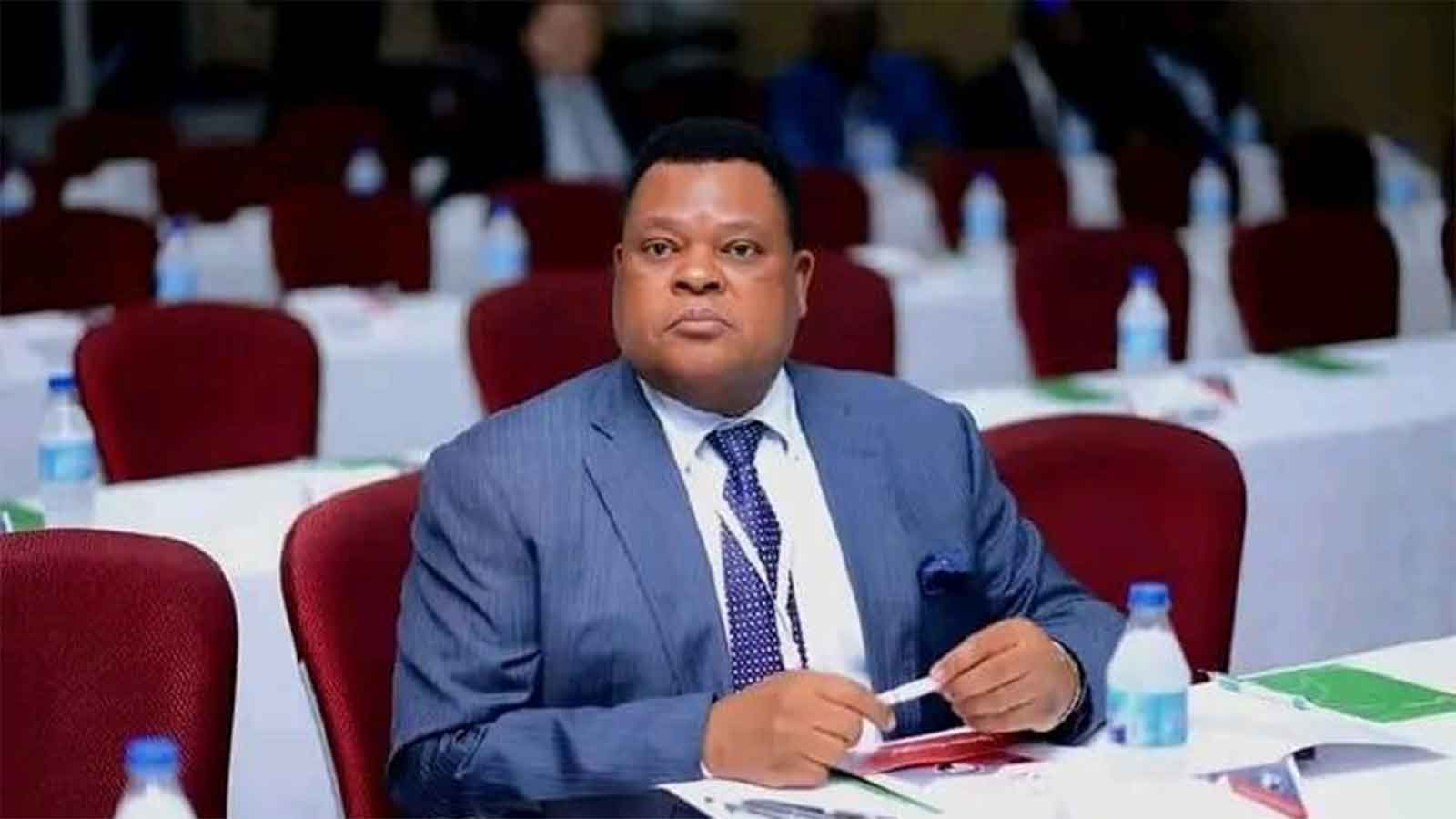
Prof Ncube announced this at the two-day Mashonaland Central Provincial Investment Dialogue that ended in Mazowe on Friday.

He said the province contributes 6,5 percent to national GDP, equivalent to approximately US$3,4 billion.

“According to Zimbabwe National Statistics Agency (Zimstat) data, agriculture, forestry and fisheries account for 24,5 percent of provincial GDP, making it the single largest economic contributor. Mining contributes 10,1 percent, while manufacturing adds 10,2 percent, driven by agro-processing, tobacco processing and value addition.”

The Minister said the Muzarabani-Mbire Energy Petrochemical Industrial SEZ is aligned with the resource endowment of that area, particularly the recent oil and gas discoveries by Invictus Energy.

“In the production-sharing agreement that Government signed with Invictus, there is already a clause that they should apply for SEZ status immediately. So we are very serious about this,” he said.

On the Mazowe-Mvurwi Agro-Industrial and Tobacco Value Chain SEZ, Prof Ncube said the focus will be on tobacco processing, food manufacturing, export logistics and agricultural machinery development. “Thirty percent of national tobacco comes from this area. This is a significant region nationally,” he said.

He added the Bindura-Shamva Mineral Beneficiation and Manufacturing SEZ will tap into the mineral resources such as gold and nickel that are abundant in that region.

“We look forward to the day when we inaugurate all these three SEZs on the ground and invite His Excellency to come over and launch them. We will do this province by province until we cover all provinces,” said Prof Ncube.

He said while these zones are Government-led, the private sector is free to initiate its own SEZs and will be granted that status. Government is now moving into the implementation phase, operationalising provincial industrial ecosystems aligned to strategic sectors.

At the conference, Prof Ncube also launched the Mashonaland Central Compendium of Bankable Projects, which comprises 84 ventures that are open for business.

The Chief Executive Officer of the Zimbabwe Investment Development Agency, Mr Tafadzwa Chinamo, said the agency is shifting its focus “from policy to projects” to drive rural industrialisation. He highlighted the need for structuring bankable investments in Mashonaland Central Province.

Cabinet Ministers Kazembe Kazembe (Home Affairs and Cultural Heritage), Monica Mavhunga (Veterans of the Liberation Struggle Affairs) and Mashonaland Central Minister of State for Provincial Affairs and Devolution, Christopher Magomo, attended the event.

Also present were Secretary for Presidential Affairs and Devolution in the Office of the President and Cabinet (OPC), Eng Tafadzwa Muguti, and Deputy Chief Secretary in the OPC, Dr Willard Manungo.

The National Economic Consultative Forum and the OPC organised the event, which will be held annually.

Provide your feedback on BizChat

The post Mash Central eyes multi-million dollar investments appeared first on Zimbabwe Situation.