PARLY VOTE ON AMENDMENT BILL EXPECTED THIS WEEK

Source: PARLY VOTE ON AMENDMENT BILL EXPECTED THIS WEEK – herald Debra Matabvu and Nyore Madzianike PARLIAMENTARIANS are expected to vote on the Constitution of Zimbabwe Amendment Bill (No. 3) in the National Assembly by Friday this week, marking a decisive stage in a legislative process that could significantly reshape the country’s governance, electoral and […]

The post PARLY VOTE ON AMENDMENT BILL EXPECTED THIS WEEK appeared first on Zimbabwe Situation.

Source: PARLY VOTE ON AMENDMENT BILL EXPECTED THIS WEEK – herald

Debra Matabvu and Nyore Madzianike

PARLIAMENTARIANS are expected to vote on the Constitution of Zimbabwe Amendment Bill (No. 3) in the National Assembly by Friday this week, marking a decisive stage in a legislative process that could significantly reshape the country’s governance, electoral and institutional framework.

Debate on the Bill is forecast to be completed early this week before lawmakers proceed to the committee stage and subsequently vote on the proposed constitutional amendments.

Parliament adjourned on Friday and is scheduled to resume sittings on Tuesday to continue deliberations on the Bill, which has attracted widespread interest because of its far-reaching proposals on elections, governance and institutional reforms.

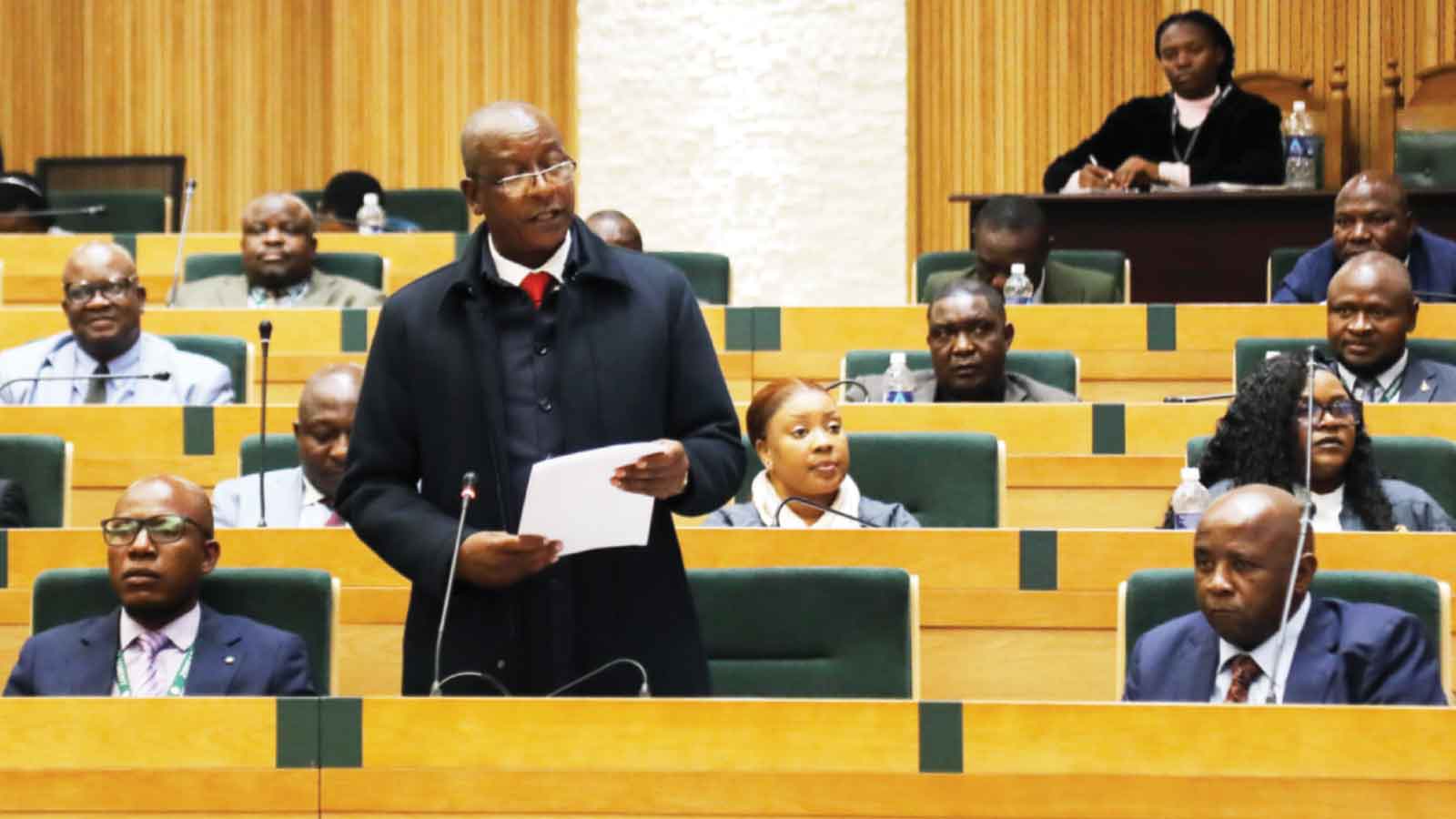
Most legislators who contributed during last week’s debate, including some from opposition parties, spoke in support of the proposed amendments, arguing that they would promote policy continuity, reduce political polarisation and create a more stable environment for long-term national development.

Justice, Legal and Parliamentary Affairs Minister Ziyambi Ziyambi is expected to deliver his response to issues raised during the debate early this week, bringing the second reading stage of the legislative process to a close.

The Government, however, anticipates attempts by some legislators opposed to the Bill to prolong proceedings through extended debate and procedural objections.

ZANU PF Chief Whip Pupurai Togarepi said Parliament was likely to proceed to voting before the end of the week.

“Voting will mainly depend on debates currently taking place; however, we expect the voting to take place on Thursday or Friday,” he said.

Minister Ziyambi said while it was difficult to predict the exact timing because of ongoing debate, the Government expected the entire parliamentary process, including Senate consideration, to be completed before the end of June.

“It is very hard to predict when voting is expected to begin in Parliament given that we are likely to have legislators that will continue registering to debate, raising objections and at times displaying rowdy behaviour to delay the process,” he said.

“So, we are now at the second reading and we will have debates and the Bill will then go to the committee stage where we will look at the Bill clause by clause.

“During the third stage, thereafter voting takes place. However, we expect that by end of June this whole process will be complete.”

Parliamentary Portfolio Committee on Justice, Legal and Parliamentary Affairs chairperson Eddison Zvobgo said legislators would vote on the Bill clause by clause after the debate stage.

“After debating, then MPs will go into voting clause by clause.

“Thereafter, there will be adoption of the Bill before it is sent to Senate for their input,” he said.

If approved by the National Assembly, the Bill will be transmitted to the Senate for consideration.

Should the Senate agree with the proposed amendments, the legislation will return to the National Assembly for formal adoption during the third reading stage.

“If the Senate agrees with changes, the Bill will come back to the National Assembly for third reading to formally adopt the finished product,” said Mr Zvobgo.

Following parliamentary approval, the Bill will be submitted to the President for assent before being published in the Government Gazette, at which point the amendments will become part of the Constitution in accordance with the commencement provisions contained in the legislation.

The proposed amendments received substantial backing during the public consultation process.

According to a report by the Parliamentary Portfolio Committee on Justice, Legal and Parliamentary Affairs, which has since been adopted by Parliament, more than 530 000 written submissions supported the Bill, while 2 935 opposed it.

The committee reported that many submissions favoured replacing direct Presidential elections with a system in which the President is elected by Parliament.

Supporters argued that the proposed model would strengthen collaboration between the Executive and Parliament, improve policy alignment and reduce the financial and political costs associated with nationwide presidential elections.

The report also found strong support for extending the electoral cycles for both the President and Parliament from five years to seven years, with proponents arguing that longer cycles would reduce the frequency of elections, lower public expenditure and provide the Government with greater policy stability.

“The majority argued that extended electoral cycles defuse the political toxicity inherent in election seasons, providing the Government with the necessary time horizon to fully implement long-term projects while ensuring policy stability and continuity,” the committee report states.

“They noted that developmental activities routinely slow down or halt during election periods as national focus shifts entirely towards political processes.”

The committee further reported support for transferring responsibility for voter registration and management of the voters’ roll from the Zimbabwe Electoral Commission (ZEC) to the Registrar-General’s Office.

Supporters argued that the Registrar-General, as custodian of national records, would be better positioned to maintain and update voter registration data efficiently.

However, the committee noted that some submissions opposed the proposal, arguing that responsibility for voter registration had previously been removed from the Registrar-General’s Office because of concerns about transparency and public confidence.

The Constitution of Zimbabwe Amendment Bill (No. 3), gazetted on February 16, seeks to amend several provisions of the Constitution that could significantly alter aspects of Zimbabwe’s electoral and governance systems.

The Bill underwent the mandatory 90-day public consultation process, which concluded in May, before proceeding to Parliament for its first and second readings.

The Government says the proposed amendments are intended to strengthen constitutional governance, improve institutional efficiency, promote political stability and better align the country’s governance framework with long-term development objectives.
The post PARLY VOTE ON AMENDMENT BILL EXPECTED THIS WEEK appeared first on Zimbabwe Situation.
President gifts retired Chief Justice Malaba agric mechanisation package

Source: President gifts retired Chief Justice Malaba agric mechanisation package – herald Sunday Mail Reporter PRESIDENT MNANGAGWA yesterday presented retired Chief Justice Luke Malaba with an agricultural mechanisation package at State House in Harare to support his post-retirement life. The package includes a tractor, a Nissan UD truck, a boom sprayer and a planter, according […]

The post President gifts retired Chief Justice Malaba agric mechanisation package appeared first on Zimbabwe Situation.
Source: President gifts retired Chief Justice Malaba agric mechanisation package – herald

Sunday Mail Reporter

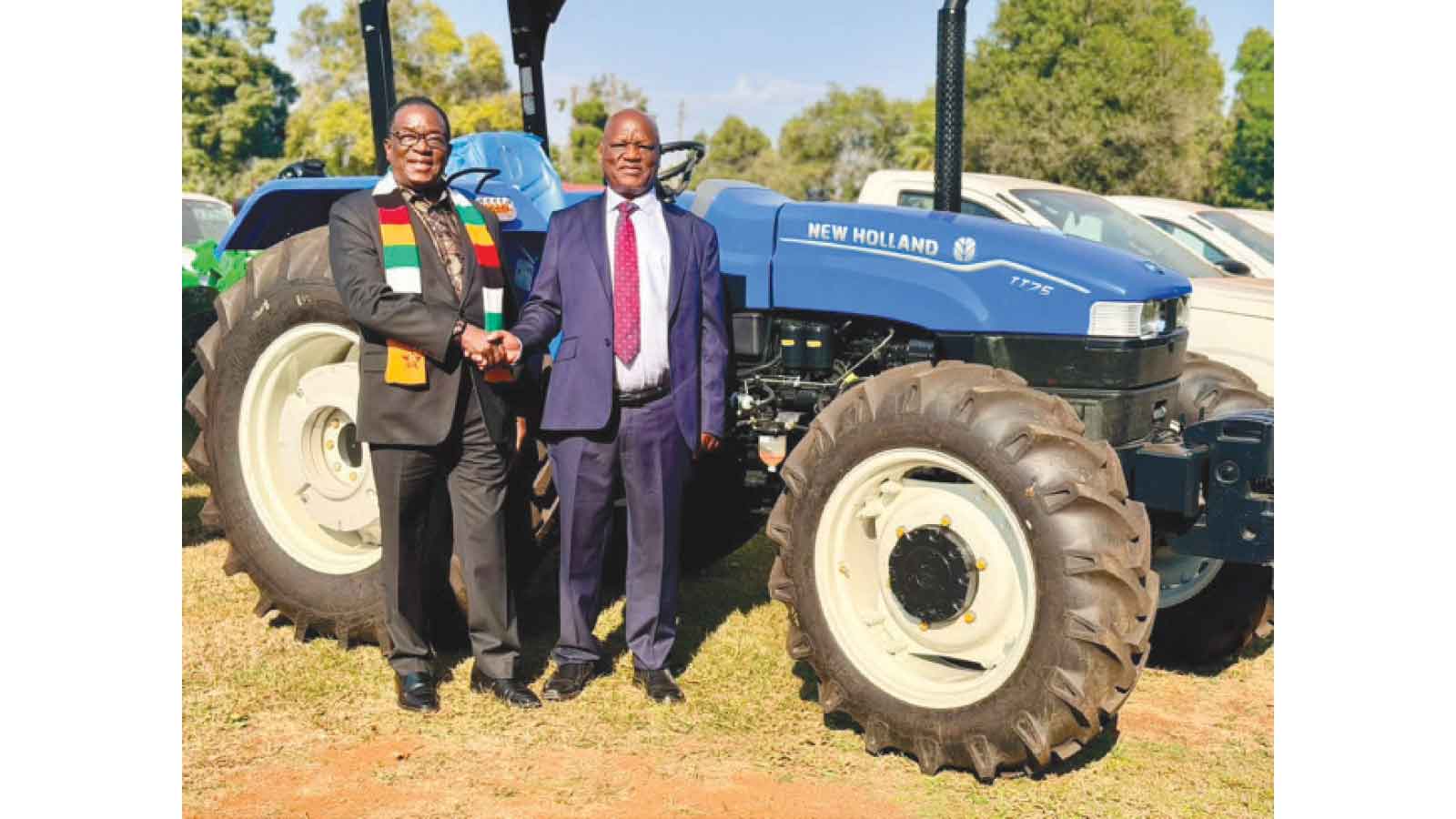
PRESIDENT MNANGAGWA yesterday presented retired Chief Justice Luke Malaba with an agricultural mechanisation package at State House in Harare to support his post-retirement life.

The package includes a tractor, a Nissan UD truck, a boom sprayer and a planter, according to a statement the President posted on his official X handle following the meeting.

President Mnangagwa hailed Justice Malaba for his decades of service to the nation and encouraged him to remain productive after leaving the bench.

“It was my pleasure to welcome the recently retired Chief Justice, Luke Malaba, to State House today,” the President wrote.

“In recognition of his outstanding service spanning decades, unwavering commitment and exemplary legal leadership within the Zimbabwean Judiciary, I presented him with an agricultural mechanisation package to facilitate his transition into post-retirement life.”

The President urged the former Chief Justice to leverage his expertise in the agriculture sector, describing land as a vital asset that demands sustained productivity at all levels.

“I applaud the retired Chief Justice for his dedication to the nation and wish him every success in his future agricultural ventures,” President Mnangagwa added.

Justice Malaba retired recently after serving as Zimbabwe’s Chief Justice, a position he had held since 2017. His career on the bench spanned several decades, during which he presided over landmark constitutional and criminal matters.

Born on May 15, 1951 in Kezi, Matabeleland South province, he studied law at the University of Warwick (UK), graduating in 1974, before obtaining a second law degree from the University of Zimbabwe in 1982.

He began his career as a prosecutor and was appointed magistrate in 1984, serving in Masvingo, Bulawayo and Harare, rising to the position of regional magistrate.

In 1994, he was appointed a High Court judge and was elevated to the Supreme Court in 2001.

Between 2005 and 2016, he also served as a judge of the COMESA Court of Justice, contributing to regional jurisprudence.

Justice Malaba became Zimbabwe’s first Deputy Chief Justice in 2008, before his appointment as Chief Justice in 2017, a role in which he also chaired the Judicial Service Commission.

As head of the Judiciary, he spearheaded reforms that included the construction of new courthouses, simplification of court procedures and expansion of the Judiciary.

His tenure also saw the rollout of the Integrated Electronic Case Management System, introduced in phases from May 2022 and now operational across all superior courts, with expansion to magistrates’ courts ongoing.

In 2024, Zimbabwe hosted the Seventh Congress of the Conference of Constitutional Jurisdictions of Africa, after which Justice Malaba assumed the presidency of the continental body.

He was succeeded by Chief Justice Elizabeth Gwaunza, the country’s first female Chief Justice, while Justice Paddington Garwe was appointed Deputy Chief Justice.

The meeting at State House underscored the Government’s broader push to encourage agricultural participation across all sectors of society, including retired senior public officials.

The post President gifts retired Chief Justice Malaba agric mechanisation package appeared first on Zimbabwe Situation.

Parliament shifts to results-based oversight model

Source: Parliament shifts to results-based oversight model – herald Walter Nyamukondiwa in KADOMA PARLIAMENT is tightening internal accountability by rolling out performance contracts for senior staff and introducing independent evaluations under the Integrated Results-Based Management (IRBM) framework, as part of sweeping reforms to strengthen its oversight role. The reforms target chief directors and directors, who […]

The post Parliament shifts to results-based oversight model appeared first on Zimbabwe Situation.

Source: Parliament shifts to results-based oversight model – herald

Walter Nyamukondiwa in KADOMA

PARLIAMENT is tightening internal accountability by rolling out performance contracts for senior staff and introducing independent evaluations under the Integrated Results-Based Management (IRBM) framework, as part of sweeping reforms to strengthen its oversight role.

The reforms target chief directors and directors, who are undergoing capacity-building on IRBM, with performance contracts set to be anchored in measurable outcomes rather than routine administrative tasks.

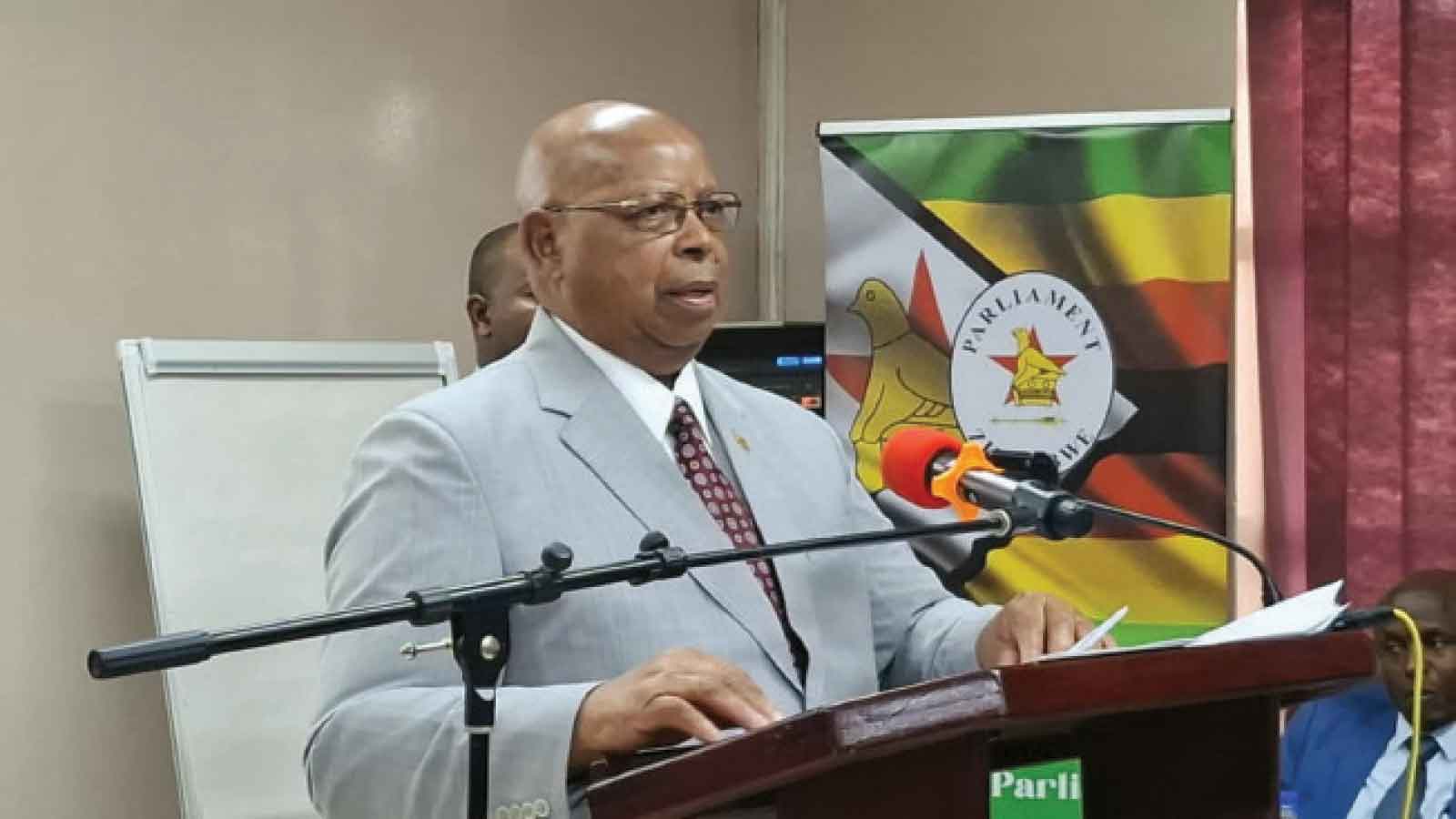
Addressing an IRBM capacity-building workshop here yesterday, Speaker of Parliament Advocate Jacob Mudenda said the Legislature must lead by example if it is to effectively hold Government ministries and agencies accountable.

“Parliament cannot credibly summon the State to account against a standard it has not first imposed on itself,” he said.

“Before Parliament presumes to hold the Executive accountable, it must first demonstrate scrupulous accountability in its own affairs.”

Adv Mudenda warned that the new performance contracts should not be treated as a formality, but as binding commitments to deliver results.

“Your performance contracts must never be discharged in the spirit of perfunctory bureaucratic compliance or reduced to instruments of periodic ritual,” he said.

“They must be embraced as personal pledges of dedicated and honourable public service.”

Parliament, he said, was shifting from tracking activities to measuring real impact on citizens, marking a departure from traditional performance metrics.

Adv Mudenda noted that indicators such as the number of committee oversight visits or the volume of legislation passed were no longer sufficient to gauge institutional effectiveness.

Instead, the new framework will assess whether parliamentary oversight has improved public service delivery, corrected irregularities and triggered policy reforms, while ensuring more efficient use of public resources.

He also called for the institutionalisation of post-legislative scrutiny to evaluate whether laws are achieving their intended social and economic outcomes. To strengthen accountability, Parliament will introduce quarterly performance reviews, complemented by independent mid-term and end-term evaluations to guard against complacency.

Adv Mudenda said the reforms are aligned with Vision 2030 and come at a critical juncture as Zimbabwe transitions to the National Development Strategy 2 (NDS2).

Parliament has already aligned its Institutional Strategic Plan (2026-2030) with both Vision 2030 and NDS2.

He added that the shift mirrors international best practice, citing countries such as Kenya and Australia where results-based management has enhanced legislative oversight.

The framework also aligns with the African Union’s Agenda 2063 and the United Nations Sustainable Development Goal 16, which emphasise strong institutions and accountability.

The post Parliament shifts to results-based oversight model appeared first on Zimbabwe Situation.

Massive river restoration programme begins

Source: Massive river restoration programme begins – herald Theseus Mauruki Shambare THE largest river restoration programme in Zimbabwe’s history began last week with the selection of specialist companies to undertake an emergency nationwide rehabilitation of rivers severely damaged by years of legal and illegal alluvial mining. The programme follows the gazetting of Statutory Instrument (SI) […]

The post Massive river restoration programme begins appeared first on Zimbabwe Situation.

Source: Massive river restoration programme begins – herald

Theseus Mauruki Shambare

THE largest river restoration programme in Zimbabwe’s history began last week with the selection of specialist companies to undertake an emergency nationwide rehabilitation of rivers severely damaged by years of legal and illegal alluvial mining.

The programme follows the gazetting of Statutory Instrument (SI) 91 of 2026 — the Civil Protection (Declaration of State of Disaster: Emergency Riverine Ecosystems Rehabilitation) Notice, 2026 — which declares a State of Disaster over Zimbabwe’s riverine ecosystems and triggers an unprecedented rehabilitation exercise across affected waterways.

A 90-day suspension of mining, farming and other activities within heavily degraded river systems has already taken effect as the authorities begin implementing emergency measures aimed at halting further environmental damage and restoring critical water ecosystems.

The intervention comes after President Mnangagwa declared 17 major rivers disaster zones, placing them under a special legal framework that provides for centralised rehabilitation, enhanced environmental protection and strict enforcement measures.

In an interview with The Sunday Mail, Agriculture, Mechanisation and Water Resources Development Minister Dr Anxious Masuka said the Government was now activating an integrated legal and operational framework designed to stop further degradation while restoring damaged ecosystems.

“Two statutory instruments — SI 91 on riverine rehabilitation following the declaration by the President, Dr Emmerson Mnangagwa, of a State of Disaster caused by legal and illegal alluvial mining in various river systems and also Statutory Instrument 92, the polluter-pays principle — must be read in conjunction with Statutory Instrument 188 of 2024 that bans alluvial mining,” said Dr Masuka.

“So, the President has taken this bold approach to ensure that we stop alluvial mining, but also we have a systematic rehabilitation and restoration of ecosystems.”

The Government, Dr Masuka said, would immediately begin identifying and engaging technically competent companies to undertake rehabilitation works under the supervision of the Inter-Ministerial Committee on Rehabilitation of Degraded Riverine Ecosystems.

“And now we are going to put in motion immediately select companies that have capacity, competence to be able to rehabilitate these degraded systems, but also ensuring that in future any company that causes such degradation is held accountable through the polluter-pays principle,” he said.

The rehabilitation programme is expected to include the removal of illegal mining infrastructure, restoration of damaged river channels, desiltation of waterways, stabilisation of riverbanks, rehabilitation of wetlands and revegetation of riparian zones to restore natural ecological functions.

Under SI 91 of 2026, the Government formally declared that “a state of disaster exists throughout Zimbabwe” following extensive environmental destruction caused by alluvial mining, riverbed disturbance, siltation and the diversion of natural watercourses.

The SI establishes a national emergency rehabilitation programme anchored in environmental protection laws and constitutional provisions guaranteeing citizens the right to a safe and healthy environment.

It empowers the Inter-Ministerial Committee on Riverine Ecosystems Rehabilitation to coordinate and enforce restoration works across affected river systems, while key institutions such as the Environmental Management Agency (EMA) and the Zimbabwe National Water Authority (ZINWA) will spearhead implementation alongside other technical Government agencies.

The committee will oversee rehabilitation contracts, monitor compliance and coordinate restoration activities across the country.

The emergency measures also prohibit mining and farming activities within designated river systems during the intervention period.

Only authorised rehabilitation contractors operating under mineral recovery permits will be allowed to undertake restoration work, with any recovered minerals required to be declared to the Ministry of Mines and Mining Development within seven days.

Complementing the rehabilitation programme is Statutory Instrument 92 of 2026, the Environmental Management (Riverine Protection and Polluter-Pays Enforcement) Regulations, which introduces strict liability provisions requiring offenders to bear the full cost of repairing environmental damage.

The regulations firmly entrench the polluter-pays principle, making both individuals and companies financially responsible for restoring ecosystems damaged through their activities.

Water security threat

Permanent Secretary in the Ministry of Agriculture, Mechanisation and Water Resources Development Professor Obert Jiri said the intervention was necessary because river degradation had evolved into a serious national water security threat.

“The bad, the ugly and the beast refers to the scale of environmental degradation that we are now confronting in our river systems as a country,” he said.

“What started as isolated alluvial mining disturbances has now evolved into a national water security concern requiring urgent intervention at the highest level.”

Prof Jiri said widespread destruction of river ecosystems was accelerating siltation, altering natural river courses and damaging strategic catchments that support irrigation schemes, urban water supplies and critical infrastructure.

He warned that continued degradation could undermine agricultural production, reduce water storage capacity in dams, increase water treatment costs, threaten fisheries and compromise hydro-infrastructure essential for economic development.

“The beast is the long-term threat this now poses to national food security, irrigation development, urban water supplies, hydro-infrastructure and ultimately economic productivity,” he said.

He added that the Government had adopted a whole-of-Government approach involving EMA, ZINWA, local authorities, law-enforcement agencies and provincial structures operating under a single coordinated rehabilitation framework.

“The 90-day intervention period is meant to stabilise the situation, halt further degradation and begin systematic restoration of damaged ecosystems,” he said.

“This includes removal of illegal mining infrastructure, restoration of river channels, revegetation of riparian zones and strengthening monitoring and compliance systems.”

The rehabilitation programme forms part of a broader national resilience strategy linked to irrigation expansion, rural industrialisation, fisheries development, climate adaptation and the attainment of Vision 2030 goals.

“The Government position is very clear: Economic activities must never compromise environmental sustainability and national water security,” he said.

“This is now a national responsibility requiring cooperation from communities, traditional leaders, miners, local authorities and all stakeholders.”

The intervention targets some of the country’s most important river systems, including Mazowe, Save, Sanyati, Mupfure, Umzingwane, Insiza and Mutare rivers, which have been affected by years of legal and illegal alluvial mining activities.

Affected rivers include Mazowe and Murowodzi in Mashonaland Central; Mazowe and Save in Mashonaland East; Angwa, Sanyati, Munyati and Mupfure in Mashonaland West; Umzingwane and Insiza in Matabeleland South; Manzimudaka, Mutebekwi, Sanyati and Mtshingwe in Midlands; and Mutare, Haroni and Nyamukwarara rivers in Manicaland.

The post Massive river restoration programme begins appeared first on Zimbabwe Situation.

Auditors warn of RioZim material uncertainty risk

Source: Auditors warn of RioZim material uncertainty risk – herald Business Reporter RioZim Limited is teetering on the brink of structural collapse, with auditors dropping a bombshell report that raises “material uncertainty” over the company’s ability to survive as a going concern. Auditors believe the company’s survival prospects now hinge on a successful fundraiser, which […]

The post Auditors warn of RioZim material uncertainty risk appeared first on Zimbabwe Situation.

Source: Auditors warn of RioZim material uncertainty risk – herald

Business Reporter

RioZim Limited is teetering on the brink of structural collapse, with auditors dropping a bombshell report that raises “material uncertainty” over the company’s ability to survive as a going concern.

Auditors believe the company’s survival prospects now hinge on a successful fundraiser, which has already faced some hiccups amid a spirited legal push from workers and shareholders for a recuperative process.

The audited financial statements by Forvis Mazars (Zimbabwe) for the year ended December 31, 2025 — belatedly published on June 1, 2026 — provide a fresh exposé of RioZim’s severe operational distress. The audit findings vindicate the actions of one minority shareholder and workers who have vigorously pursued corporate rescue for one of Zimbabwe’s most diversified mining houses.

Listed on the Zimbabwe Stock Exchange (ZSE), RioZim Limited operates a highly diversified asset portfolio across Zimbabwe, spanning gold, diamonds and base metals.

Its core precious metal operations centre on three major gold mines — Cam & Motor, Renco and Dalny — and a 22 percent stake in Murowa Diamonds. The group also wholly owns the Empress Nickel Refinery.

According to the independent audit report, RioZim’s financial position has deteriorated dramatically.

The group plunged into a loss of ZiG739,1 million in 2025, widening its deficit from a loss of ZiG628,5 million in 2024. In equivalent terms, the company’s full-year net losses spiked to US$29,5 million in 2025 as its gold production plummeted by 80 percent, crashing to just 84kg compared to 428kg a year earlier.

Current liabilities outpaced current assets by about ZiG2,93 billion, up from ZiG2,49 billion in 2024.

The group’s total liabilities have overtaken total assets by ZiG1,56 billion, nearly doubling the ZiG838,4 million deficit in 2024.

Historical losses have ballooned to ZiG1,67 billion, up from ZiG944,5 million.

The auditors delivered a warning on the group’s core accounting assumptions.

“As stated in Note 33.9 (of the financial statement), these conditions, along with other matters as set forth in the note, indicate that a material uncertainty exists that may cast significant doubt on the group and the company’s ability to continue as a going concern,” says the report.

“Nevertheless, the financial statements . . . have been prepared on a going concern basis, the validity of which is highly dependent on the company’s ability to obtain sufficient funding to support its operations.”

The auditors took the extraordinary step of warning that if emergency funding fails to materialise, the company may be forced to abandon the going concern assumption and prepare future statements on a “liquidation basis”, requiring a massive reclassification and markdown of assets.

“Should the going concern basis for the preparation of financial statements no longer be appropriate, adjustments would have to be made in the financial statements relating to the amounts and classification of assets and liabilities.

“No adjustments have been made to these financial statements.”

The report comes right in the middle of an intense legal battle over the control of the company.

A few weeks ago, a minority shareholder filed a fresh court application to force RioZim into involuntary corporate rescue proceedings — a statutory mechanism designed to strip power from management and hand over control to an independent practitioner to restructure the distressed business.

This marked the second time in less than a year that RioZim has had to fend off corporate rescue.

The previous bid launched by the Zimbabwe Diamond and Allied Minerals Workers union (ZDAMWU) exposed a massive debt burden and US$5,6 million in unpaid worker wages.

While RioZim management successfully fought off the ZDAMWU bid in both the High Court and the Supreme Court, the latest lawsuit has placed RioZim’s balance sheet credibility under renewed scrutiny.

Management had dismissed the worker’s claims as “bare and unsubstantiated”, but the auditors’ report portrays an equally perilous situation. The report has also triggered separate corporate governance alarms.

Published well beyond the statutory 90-day post-year-end limit mandated by the ZSE listing requirements, RioZim offered no explanation or clear publication trail in its accompanying notes — a move financial analysts say misleads the investing public. Worse, the financial statements omitted that the company has material uncertainty related to a going concern.

Beyond the immediate threat of insolvency, the audit flagged several critical audit matters in which management’s accounting practices are under scrutiny, under International Financial Reporting Standards.

Foremost among these are the highly subjective impairment assessments of property, plant and equipment, as well as the assumptions used to value the company’s exploration, evaluation and development assets, which amount to about ZiG344,2 million.

The auditors signalled in their report that these valuations may fail to meet rigorous international standards. The company is also fighting an uphill battle in the courts, with the audit report disclosing that RioZim is facing aggressive litigation from multiple parties.

Despite turnaround strategies pushed by RioZim’s directors, including a recent production contract with Chinese firm FeiFan Mining at its Renco Mine, market experts note that the company is effectively on “life support”.

Missing out on 2025’s historic gold price rally due to idle, flooded pits at its Cam & Motor Mine, the situation has left RioZim completely exposed to its multi-billion ZiG debt pile.

A recent RioZim extraordinary general meeting passed all the resolutions, including the disposal of core diamond assets to settle a US$60,8 million debt owed to related party RZM Murowa. Under the approved terms, RioZim will relinquish its entire 22 percent shareholding in RZM Murowa for US$23,8 million and sell four diamond mining claims currently utilised by RZM Murowa for US$4,6 million.

The disposals, totalling US$28,4 million, will be executed against a full waiver of the multi-million-dollar loan facility provided by RZM Murowa.

The shareholders also approved the sale of several key mining claims to unrelated third parties to raise much-needed liquidity.

These are Mtandahwe (copper and tungsten mine) for a minimum price of US$3 million and One Step (gold mine) for US$1 million, with a price adjustment clause. The consideration could increase if proven in-situ reserves exceed 400kg of gold, though the buyer retains an exit option if resources are found to be unsuitable.

The company successfully secured authorisation for a future loan facility not exceeding US$35 million. The debt is to be secured against company assets of equivalent value, with the specific terms left to the discretion of the directors.

The post Auditors warn of RioZim material uncertainty risk appeared first on Zimbabwe Situation.