A NewsHawks Critical Analysis of The Investigation Report
Weaknesses, Flaws, and Unanswered Questions
THE newly released 14-page preliminary report from Zimbabwe’s Ministry of Transport and Infrastructural Development’s Air Accidents and Incidents Investigation Department attributes the fatal September 30 helicopter crash that killed businessman Wicknell Chivayo and four others to adverse weather conditions, while raising fresh alarm over a missing flight recorder.
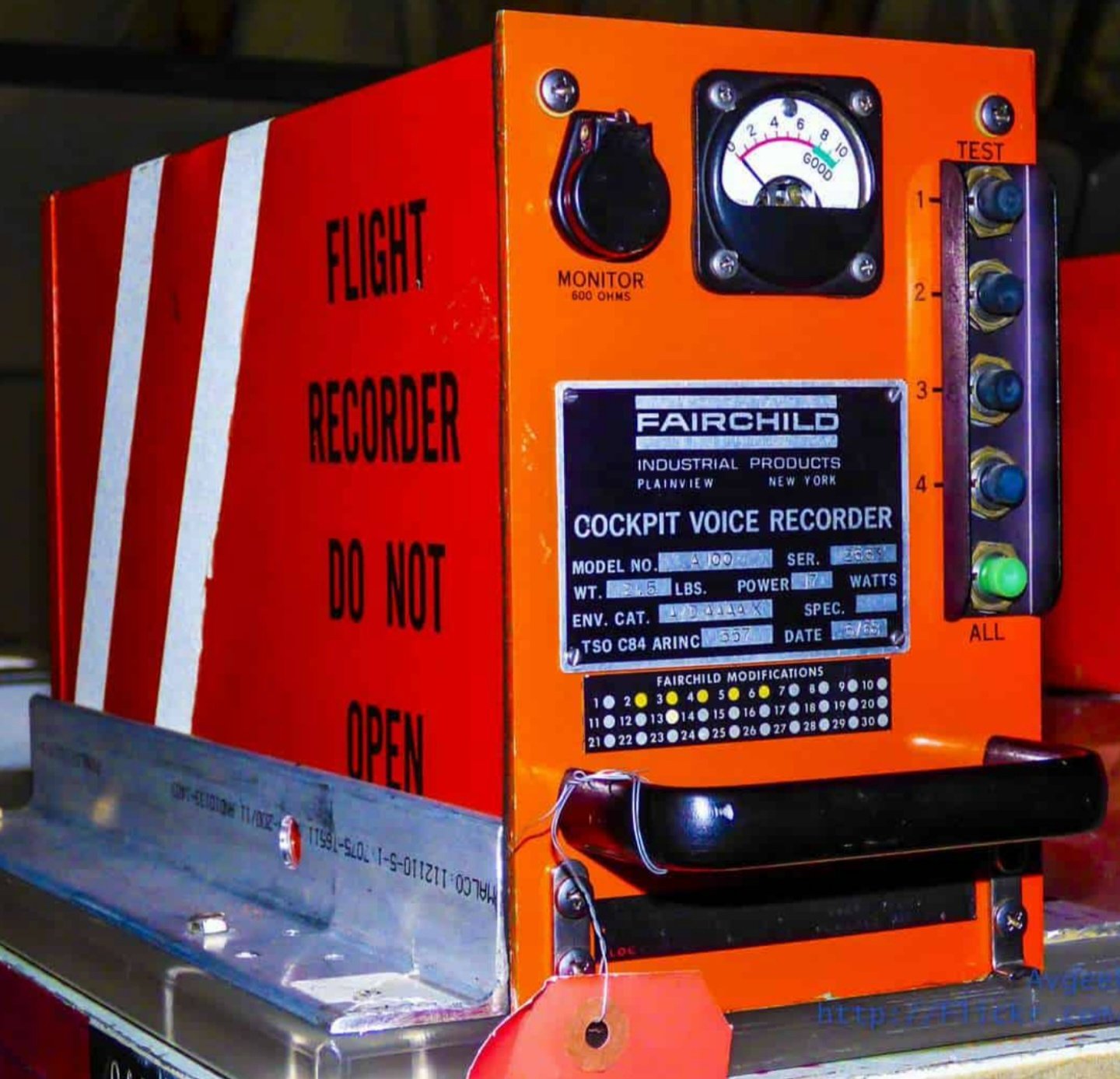
The document, published over two weeks past its statutory 30-day deadline, contradicts earlier official assurances that the aircraft’s “black box” had been recovered intact. While the document attributes the tragedy to adverse weather and controlled flight into terrain, major contradictions regarding the missing Cockpit Voice Recorder (CVR) – black box – and unresolved forensic questions around the victims’ unrecovered heads have undermined public confidence in the official narrative, while thickening the plot of foul play.
At approximately 4:20pm on September 30, two helicopters— a Bell 407 and a Bell 430 (registration Z-PED) — departed Gandami Village in Chikomba District, Mashonaland East province, bound for Harare via Marondera. Aboard the Bell 430 were Chivayo, his wife Lucy Muteke, her aide Senelisiwe Magagula, pilot-in-command Captain Kelvin Tafirei Soda, and co-pilot Courage Mutavirwa. About 10 minutes into the journey, both aircraft encountered severe weather. Despite meteorological advisories warning of low cloud ceilings, thunderstorms, and poor visibility, the flights proceeded.
The Bell 407 turned west to skirt the storm. The Bell 430 pressed northeast after reporting clear skies ahead, before radioing that it had entered another dense layer of cloud. At around 5:00pm, witnesses on the ground at Kudenga Farm in Waddilove, 22 kilometres southwest of Marondera, heard the rotor blades overhead in heavy fog and drizzle. Seconds later, they heard a violent bang and impact. The helicopter struck the terrain from an altitude of over 1 547 metres intact, disintegrating across a 170-by-75-metre debris field as spilled jet fuel ignited a fierce post-impact fire.
All five occupants were thrown clear and killed instantly. In the days that followed, two jarring developments gripped the nation. The recovery teams spent hours at the site, and the family spokesperson later confirmed that Chivayo and Muteke were buried on October 8 without their heads, as forensic teams failed to locate cranial remains among the charred wreckage. On October 1, the Civil Aviation Authority of Zimbabwe (Caaz) and the family spokesperson publicly announced that an intact black box had been retrieved from the crash site. Yet six and a half weeks later —well past the 30-day reporting window — the preliminary report claims that the CVR was never found and was “presumed to have been destroyed”.
The report has many weaknesses, flaws and question marks. The starkest flaw in the report is the direct reversal between initial communications and the written report. Officials and the family spokesperson initially confirmed via state media – ZBC and The Herald – that the flight recorder was recovered intact less than 24 hours after the crash. The report offers zero explanation for how an intact device subsequently vanished or became “presumed destroyed”.
There is a technical implausibility. Black boxes are engineered with crash-survivable memory units designed to withstand extreme impact forces (typically up to 3,400 Gs) and intense jet-fuel fires exceeding 1,100°C. While the report says the airframe broke apart and burned, claiming a certified CVR completely disintegrated without leaving a trace of its hardened casing stretches aviation engineering norms. It is unprecedented and perhaps the only case of its kind in recent global aviation history. Black boxes rarely get completely destroyed and disappear from crash scenes.
Source: A Flight Into Fog: Missing Black Box and Heads of The Victims
The post A Flight Into Fog: Missing Black Box and Heads of The Victims appeared first on Zimbabwe Situation.