1 in 10 girls in Sub-Saharan Africa miss school during menstruation—losing up to 20% of the school year. In Zimbabwe, the World Bank’s EAGER Program is confronting stigma, engaging chiefs, pastors, families, and schools to keep girls learning. By integrating menstrual health into education and economic empowerment, EAGER builds skills, jobs, and a stronger future workforce.
Source: Keeping girls in school, building Zimbabwe’s future workforce
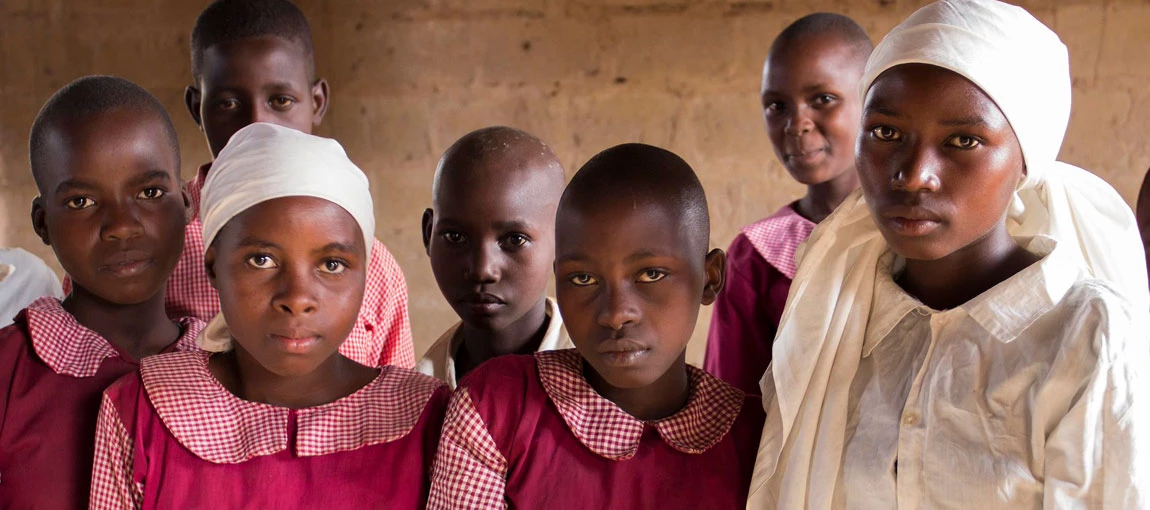 Equipping girls with menstrual health knowledge is a vital step toward girls’ empowerment and well-being across Sub-Saharan Africa. Photo: Flore de Preneuf / World Bank
As we made the three-hour drive from Harare to Buhera district in Manicaland province, we felt both anticipation and anxiety about our planned stakeholder consultations. Our key objective was to understand the community’s views and practices related to menstrual health and hygiene (MHH). We were keen to validate the education package designed to share information on adolescent sexual and reproductive health (SRH) with girls and boys—both in and out of school—as well as teachers, parents, and community members.
One in 10 girls in Sub-Saharan Africa miss school during menstruation, leading to a potential 20% lack of attendance in the school year. These missed school days compound over time, translating into lower learning outcomes, reduced skills acquisition, and fewer pathways to productive employment. Addressing MHH is therefore central to building human capital and helping girls gain jobs, dignity, and economic independence.
While critical, access to affordable products, water, and sanitation and hygiene facilities is not enough. For success, efforts must also confront the deep-rooted silence and stigma surrounding menstruation. Social norms determine whether girls manage their periods with dignity and confidence—and whether families, teachers, and communities support them. These norms also shape whether girls remain on a trajectory toward economic participation or are pushed out of school and into early marriage or informal, low-productivity work.
Expanding to Zimbabwe, the East Africa Girls Empowerment and Resilience Program (EAGER) Program will work to boost girls and women’s education and earnings, along with strengthening institutional capacity to foster gender equality. It focuses on education and pathways for school-to-work transition and supports access to adolescent health and gender-based violence services. It is designed to build on and deepen the country’s existing legal and policy commitments including the National Gender Policy, the Broad‑Based Women’s Economic Empowerment Framework, and reforms that strengthen girls’ rights and access to sexual and reproductive health services.
EAGER also complements ongoing work of the Ministry of Women Affairs, Community, Small and Medium Enterprises Development, which coordinates programs on menstrual health and hygiene, reusable sanitary pad production, and girls’ empowerment, implemented in partnership with other Ministries in an Interministerial Menstrual Health Management Committee. By promoting a whole of government and society approach that engages schools, faith and traditional leaders, families and young people, EAGER aims to consolidate these gains into a coherent national platform that ensures menstrual health is fully integrated into women’s economic empowerment, youth empowerment, and education strategies, so that opportunities for girls are not curtailed by menstruation.
This work aligns with the World Bank Group’s focus on jobs as the pathway out of poverty. Investments in adolescent girls are economic investments: When girls stay in school, delay early pregnancy, and acquire skills, they are more likely to access productive employment, increase their lifetime earnings, and contribute to inclusive economic growth.
As we entered the premises of the District Council office in Buhera, we were met by men and women, including the traditional chief, the pastor, and elderly and middle-aged community members. The discussion began with the views and practices related to menstrual cycles, and what we heard reflected age-old taboos.
“The belief is that springs will disappear, leaves and fruits will dry up, and fish will be gone, with the touch of menstruating women and girls–but of course this is from the past and not sure this applies now and we should revisit this.”
“Menstruating women and girls are not allowed to enter the church per our scriptures–however, they do need to be part of society and not excluded. We pastors need more information and knowledge to convince our congregation to relook at this practice.”
The discussion then moved to reviewing the proposed education package. Participants. found the materials to be,
“Very useful and should be available to everyone–especially the parents and grandparents, so that they can be informed and guide adolescent girls and boys.”
During a discussion with local government and sectoral department officials from Buhera, we were encouraged to learn about existing awareness programs, distribution efforts, and local manufacturing of sanitary products. These local initiatives show that menstrual health can also create local job opportunities, particularly for women, in the production and distribution of affordable products This groundwork reflects a strong commitment of all participants to implement MHH activities, enhance SRH information among adolescent boys and girls, create enabling environments in schools, neighborhoods and homes, prevent risky behaviors, and keep girls in school by addressing period poverty and teenage pregnancies.
For the World Bank Group, this is ultimately a jobs challenge: without addressing the barriers girls face early in life, countries risk losing a significant share of their future workforce, productivity, and growth potential.
EAGER is currently active in Mozambique and Madagascar– supporting over 2 million girls to remain or return to school, increasing the labor market productivity of 160,000 women, and engaging over 6 million change agents in behavior change campaigns to shift gender norms.
The EAGER Program in Zimbabwe recognizes that transforming menstrual health needs to go beyond providing products or facilities. It is about partnership—across ministries, schools, faith and traditional leaders, families, and young people themselves. A whole-of-society approach to menstrual health is an investment in Zimbabwe’s future workforce—helping young women stay in school, gain skills, and transition into meaningful, higher-quality jobs that drive inclusive growth.
The post Keeping girls in school, building Zimbabwe’s future workforce appeared first on Zimbabwe Situation.