Statement on the secretive assent to constitutional amendment no. 3 act: ZICOMO

Source: Statement on the secretive assent to constitutional amendment no. 3 act: ZICOMO The Zimbabwe Constitutional Movement (ZICOMO) expresses its strong outrage and condemns President Emmerson Mnangagwa’s secretive approval of Constitutional Amendment No. 3. The way this amendment has been enacted marks one of the darkest moments in Zimbabwe’s constitutional history and reveals a disturbing […]

The post Statement on the secretive assent to constitutional amendment no. 3 act: ZICOMO appeared first on Zimbabwe Situation.

Source: Statement on the secretive assent to constitutional amendment no. 3 act: ZICOMO
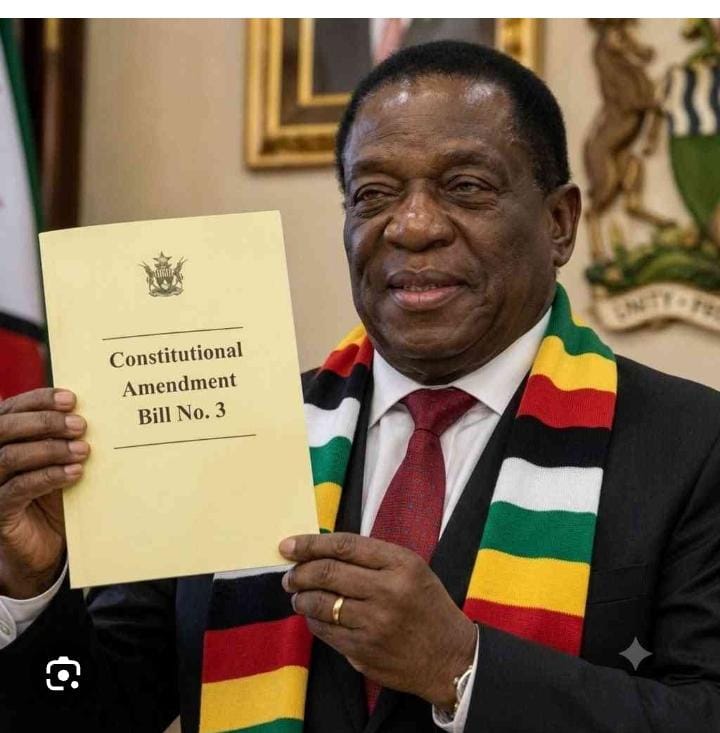
The Zimbabwe Constitutional Movement (ZICOMO) expresses its strong outrage and condemns President Emmerson Mnangagwa’s secretive approval of Constitutional Amendment No. 3.

The way this amendment has been enacted marks one of the darkest moments in Zimbabwe’s constitutional history and reveals a disturbing disregard for constitutionalism, transparency, and democratic accountability.

The Constitution of Zimbabwe is not the private property of the Executive; it is the supreme law of the Republic, established through one of the most extensive consultative processes in our nation’s history. Any amendment to this constitutional framework should reflect openness, public participation, and respect for the sovereign will of the people. Instead, Zimbabweans have experienced what can only be termed a constitutional ambush.

The decision to sign the amendment quietly behind closed doors, without transparency or allowing the nation to fully understand the significance of the changes, is fundamentally inconsistent with the spirit and values of constitutional democracy. Constitutional amendments are not ordinary administrative acts. They change governance, redefine the balance of power, and directly affect the rights and expectations of citizens. Such actions should never be conducted in secrecy.

ZICOMO asserts that CAB3 is a calculated attempt by President Emmerson Mnangagwa to entrench his position as life president and lay the groundwork for a Munhumutapa dynasty.

The extension of presidential terms, the removal of direct presidential elections, and manipulation of succession clauses are not about good governance; they are about personal rule and the transfer of power within a family and a select group, rather than to the people.

This directly undermines the spirit of the 2013 Constitution, which Zimbabweans fought to protect against life presidency and the removal of term limits. We will not allow a return to one-man rule.

What makes this situation even more alarming is that Constitutional Amendment No. 3 faced opposition from significant sectors of Zimbabwean society from the outset. Civil society organizations, constitutional experts, lawyers, churches, labor movements, and ordinary citizens have consistently warned that the amendment represented a dangerous step toward the concentration of executive authority and the gradual erosion of the constitutional safeguards painstakingly negotiated during the constitution-making process.

Those warnings have been ignored.

The Government has opted to undermine constitutional democracy rather than strengthen it. It has prioritized political expediency over a genuine commitment to constitutional values. Instead of viewing the Constitution as a social contract between the State and its citizens, it has treated it as a political tool that can be altered when it becomes inconvenient for those in power. This is precisely the constitutional culture that Zimbabwe sought to escape in 2013.

The Constitution was designed to ensure that no individual or political party could manipulate the supreme law for short-term political gain. Constitutional amendments should be exceptional, not routine. They should promote democratic participation, not diminish it. They should strengthen institutions, not concentrate power.

The process leading to the enactment of CAB3 has been flawed from the beginning. Public consultations were marred by violence, intimidation, kidnappings, and death threats. Citizens were denied meaningful participation.

Moreover, Parliament’s claim that 537,000 submissions supported CAB3 has not been independently audited or verified. Statistics cannot be used to manufacture consent.

ZICOMO rejects the argument that Parliament alone can amend term limits. Section 328 of the Constitution clearly states that amendments affecting the Presidency, the electoral system, and the Declaration of Rights require a referendum.

ZICOMO is particularly concerned about the growing pattern of constitutional instability under the current administration. Frequent constitutional amendments undermine certainty, weaken investor confidence, erode public trust in democratic institutions, and create the impression that constitutional rules only exist until they become politically inconvenient.

A Constitution cannot serve as the supreme law if it is continually subject to politically motivated changes. Constitutional democracy relies on restraint. It requires those in power to recognize that not everything legally permissible is constitutionally legitimate.

We further reiterate that constitutional legitimacy derives not only from parliamentary numbers but from public confidence, constitutional morality and adherence to democratic principles. Majoritarianism alone cannot substitute for constitutionalism.

Zimbabwe deserves better.

Our Constitution belongs to the people—not to the Executive, Parliament, or any political party. Therefore, ZICOMO:

  • Demands the immediate suspension of the operationalisation of the Amendment pending a national referendum.
  • Calls for a national referendum to be held within 90 days, allowing the people of Zimbabwe to decide on Constitutional Amendment No. 3 (CAB3).
  • Requests the full publication and independent audit of all public submissions made to Parliament.
  • Advocates for an end to the intimidation of citizens, civil society, and Members of Parliament.
  • Urges all constitutional institutions to faithfully uphold and defend the Constitution against further erosion.
  • Encourages civil society, churches, labour groups, students, professional bodies, and citizens to remain vigilant in defending constitutional democracy.
  • Calls on the legal community to continue exploring all available constitutional remedies to test the validity and implementation of the amendment where appropriate.
  • Asks regional and international democratic institutions to closely monitor the continued deterioration of constitutional governance in Zimbabwe.
  • Urges Parliament to recommit itself to protecting, rather than undermining, the constitutional order.

History teaches us that constitutions rarely collapse in a dramatic moment; instead, they are gradually hollowed out through incremental changes that normalise executive excess and diminish democratic safeguards. Zimbabwe must refuse to accept constitutional regression.

ZICOMO remains committed to defending the supremacy of the Constitution, the sovereignty of the people, and the principle that constitutional power must always remain subordinate to constitutional limits. The struggle to defend the Constitution does not end with the enactment of Constitutional Amendment No. 3; it enters a new and more determined phase. The Constitution is not a political convenience; it is a national covenant. 

The post Statement on the secretive assent to constitutional amendment no. 3 act: ZICOMO appeared first on Zimbabwe Situation.
IMF Staff Reaches Staff-Level Agreement with Zimbabwe on the First Review under the Staff-Monitored Program

IMF staff and the Zimbabwean authorities have reached a staff-level agreement on the first review under the 10-month Staff-Monitored Program approved in March 2026. Source: IMF Staff Reaches Staff-Level Agreement with Zimbabwe on the First Review under the Staff-Monitored Program End-of-Mission press releases include statements of IMF staff teams that convey preliminary findings after a […]

The post IMF Staff Reaches Staff-Level Agreement with Zimbabwe on the First Review under the Staff-Monitored Program appeared first on Zimbabwe Situation.

IMF staff and the Zimbabwean authorities have reached a staff-level agreement on the first review under the 10-month Staff-Monitored Program approved in March 2026.

Source: IMF Staff Reaches Staff-Level Agreement with Zimbabwe on the First Review under the Staff-Monitored Program

End-of-Mission press releases include statements of IMF staff teams that convey preliminary findings after a visit to a country. The views expressed in this statement are those of the IMF staff and do not necessarily represent the views of the IMF’s Executive Board. This mission will not result in a Board discussion.

  • IMF staff and the Zimbabwean authorities have reached a staff-level agreement on the first review under the 10-month Staff-Monitored Program approved in March 2026.
  • Program implementation through end-March was broadly satisfactory, with all quantitative targets and structural benchmarks met, while most indicative targets were observed.
  • Maintaining disciplined policy execution, protecting social spending, advancing monetary and exchange rate reforms, and strengthening governance and fiscal risk management will be essential to entrench macroeconomic stability and support Zimbabwe’s re-engagement efforts.

Washington, D.C.: An IMF team led by Mr. Wojciech Maliszewski visited Harare from June 9 to June 18, 2026, to conduct discussions for the first review under Zimbabwe’s Staff-Monitored Program. Following productive discussions with the Zimbabwean authorities, Mr. Maliszewski issued the following statement:

“We are pleased to announce that IMF staff and the Zimbabwean authorities have reached a staff-level agreement on policies to complete the first review under Zimbabwe’s 10-month Staff-Monitored Program. The agreement is subject to approval by IMF Management. Completion of the review marks an important step in consolidating recent stabilization gains and building a track record toward arrears clearance, debt restructuring, and re-engagement with the international community.

“Program implementation through end-March 2026 was satisfactory. All quantitative targets were met, including those on the primary budget balance, net official international reserves, RBZ credit to the nonfinancial public sector, new external non-concessional borrowing, and ZiG monetary base growth. All indicative targets were met except one—the indicative target on protected social and priority spending was missed. The end-March structural benchmark on improving taxpayer register quality through quarterly monitoring and reporting of filing and payment compliance by new VAT and PAYE registrants was met. The authorities are also making progress toward the end-June and end-September 2026 structural benchmarks.

“Zimbabwe’s economy has remained resilient despite a more difficult external environment, including spillovers from the Middle East conflict through higher fuel and fertilizer prices, transport costs, and shipping disruptions. Growth was strong in 2025 at 8.3 percent, and this momentum continued in early 2026, supported by a rebound in agriculture, strong mining activity, and favorable gold prices. Real GDP growth is projected at about 5 percent in 2026. Inflation has remained low, notwithstanding higher energy prices, reflecting tight monetary conditions and relative exchange rate stability, and is projected to average about 5.1 percent in 2026. The current account in 2026 is expected to remain in surplus, supported by mining and agricultural exports and remittance flows, contributing to a continued increase in gross international reserves. Looking ahead, growth is expected to moderate to 4.2 percent in 2027 under the baseline, with inflation remaining in single digits. However, if the projected El Niño materializes, growth could moderate further to the 2–3 percent range, with additional downside risks from a stronger-than-expected El Niño and escalation of the Middle East war.

“Fiscal performance through March was stronger than expected, supported by robust revenue collection and conservative budget execution. Staff welcomes the authorities’ commitment to maintain spending within the approved 2026 national budget, while saving additional revenues to build buffers for potential food-security needs in 2027. Staff also welcomes commitments to contain fiscal risks from gold delivery incentives, including by assessing their continued relevance in the 2027 national budget and limiting payments this year. Strengthening budget execution, commitment controls, public financial management, and domestic arrears clearance will be critical to prevent new arrears and safeguard fiscal credibility.

“The Reserve Bank of Zimbabwe has maintained a tight monetary policy stance to contain inflation and reduce pressures in the foreign exchange market. This stance should continue until inflation expectations are firmly anchored and confidence in the local currency strengthens. Staff welcomes the operationalization of the ZiG-denominated term deposit facility as part of a gradual shift toward more market-based instruments. Over time, reducing reliance on non-negotiable certificates of deposit would help strengthen monetary transmission and support domestic money market development. Staff also welcomes the authorities’ plans to develop a comprehensive strategy to further liberalize the foreign exchange market and reform the FX intervention framework.

“Structural reforms remain essential to consolidate stabilization gains, strengthen public confidence, and support more inclusive growth. Staff welcomes the authorities’ commitment to strengthening social protection systems, while the missed indicative target on protected social and priority spending underscores the need to improve budget execution and ensure timely support to vulnerable groups. Continued progress in public financial management, governance, and fiscal risk management will also be important to reinforce transparency, accountability, and confidence in the authorities’ policy framework.

“Resolving Zimbabwe’s external arrears and restoring debt sustainability remain central to the authorities’ re-engagement agenda. Staff welcomes efforts to advance discussions with external partners on a credible arrears-clearance and debt-resolution strategy. Continued progress under the SMP, debt data reconciliation, and a clear strategy for creditor engagement will be important to support the next stages of the re-engagement process.

“The IMF mission team met with Minister of Finance, Economic Development and Investment Promotion Hon. Professor Mthuli Ncube, Governor of the Reserve Bank of Zimbabwe Dr. John Mushayavanhu, senior government officials, representatives of the private sector, civil society, and development partners. The team expresses its sincere appreciation to the Zimbabwean authorities for their close cooperation and constructive discussions.”

The post IMF Staff Reaches Staff-Level Agreement with Zimbabwe on the First Review under the Staff-Monitored Program appeared first on Zimbabwe Situation.

An anti-inflammatory diet may reduce dementia risk

Source: An anti-inflammatory diet may reduce dementia risk | CNN We’ve long known that healthy eating is linked to better brain health. Now there’s even more evidence, just published in the journal JAMA Network Open, that an anti-inflammatory diet may play an important role in reducing dementia risk — even among people already at higher biological risk for the condition. What […]

The post An anti-inflammatory diet may reduce dementia risk appeared first on Zimbabwe Situation.

Source: An anti-inflammatory diet may reduce dementia risk | CNN

We’ve long known that healthy eating is linked to better brain health.

Now there’s even more evidence, just published in the journal JAMA Network Open, that an anti-inflammatory diet may play an important role in reducing dementia risk — even among people already at higher biological risk for the condition.

What did this study find? What exactly is an anti-inflammatory diet? And what practical steps can people take to keep their brains healthy as they age?

To help with these questions, I spoke with CNN wellness expert Dr. Leana Wen. Wen is an emergency physician and clinical associate professor at George Washington University. She previously was Baltimore’s health commissioner.

CNN: What did this new study find about anti-inflammatory diets and dementia risk?

Dr. Leana Wen: The study followed more than 1,800 adults age 60 and older in Sweden who did not have dementia when the study began. Researchers assessed participants’ diets using detailed food questionnaires over six years and measured three blood biomarkers that are associated with Alzheimer’s disease and other forms of brain injury. They then followed participants for up to 15 years to see who developed dementia. During that time, 240 participants were diagnosed with dementia.

The researchers found that people whose diets had lower inflammatory potential were less likely to develop dementia, including in individuals whose blood tests indicated they were at higher biological risk. Among participants with higher levels of an Alzheimer’s disease-related biomarker called p-tau217, greater adherence to an anti-inflammatory diet was associated with a 29% lower risk of dementia. Similar reductions were seen among participants with higher levels of two other biomarkers linked to nerve cell injury and inflammation.

CNN: What is an anti-inflammatory diet? Is it different from the Mediterranean diet?

Wen: There is no single eating plan officially called the anti-inflammatory diet. Rather, it’s a way of describing an overall pattern of eating that is associated with lower levels of chronic inflammation in the body.

In this study, researchers did not ask participants to follow a specific diet. Instead, they calculated each person’s dietary inflammatory index based on detailed food questionnaires. People whose diets included more vegetables, fruits, nuts, legumes and whole grains and fewer sugar-sweetened beverages, ultraprocessed foods and red meats were gauged to follow diets with lower inflammatory potential.

There is considerable overlap with the Mediterranean diet, which also emphasizes fruits, vegetables, whole grains, legumes, fish, olive oil and other healthy fats. The key takeaway isn’t that there is one ideal diet for everyone. Rather, aiming for a diet with whole, minimally processed foods while limiting ultraprocessed foods appears to be a pattern that benefits many aspects of health, including the brain.

CNN: How might inflammation affect the brain and increase the risk of dementia?

Wen: Inflammation is part of the body’s normal immune response. When you have an infection or an injury, inflammation helps your body heal. The concern is that chronic, low-grade inflammation can persist for years, which researchers believe may contribute to many age-related diseases.

This type of inflammation may damage blood vessels, injure nerve cells and activate immune cells within the brain, all of which may contribute to cognitive decline. At the same time, dementia is a complex condition with many contributing factors, including genetics, presence of vascular disease, hearing loss and lifestyle habits like smoking and heavy alcohol use. Inflammation is probably one piece of a much larger puzzle.

CNN: Should people who have a family history of Alzheimer’s disease or other risk factors change the way they eat?

Wen: I certainly think this study provides another reason to adopt healthy eating habits, but I would be careful not to overinterpret the findings. This was an observational study, which means it cannot prove that diet prevented dementia. Researchers observed what people were eating and what happened to them over time, but they did not randomly assign participants to different diets.

There are other limitations, too. Participants reported what they ate using food questionnaires, which rely on memory and may not always be accurate. The study was also conducted in older adults in Sweden, so the findings may not apply equally to other populations with different diets, lifestyles or genetic backgrounds. In addition, it’s important to remember that having risk factors does not mean someone is destined to develop dementia.

Even so, this is a high-quality study that followed participants for many years. It has an encouraging message, which is that we should be aware of risk factors we can modify. We cannot change our age or our genes, but we can make choices that are associated with better health.

CNN: Besides diet, what other lifestyle habits help reduce dementia risk?

Wen: Regular physical activity is among the most important lifestyle habits. So is controlling blood pressure, cholesterol and diabetes since healthy blood vessels are essential for a healthy brain. Avoiding smoking, limiting excessive alcohol use and getting adequate sleep have also all been associated with better cognitive health.

Staying socially connected and remaining mentally engaged are important, too. Spending time with family and friends, participating in community activities, working, volunteering, pursuing hobbies and continuing to learn new skills all help keep the brain active.

CNN: How else is an anti-inflammatory diet good for you?

Wen: The same dietary patterns associated with lower inflammation have also been linked to lower risks of heart disease, stroke, Type 2 diabetes and some cancers. They also aid with maintaining a healthy weight and improving metabolic health.

Even if future research finds that the effect on dementia is smaller than suggested in this study, eating this way is still likely to provide many other health benefits. People should think about these dietary changes as long-term lifestyle habits rather than a short-term intervention aimed at preventing one specific disease.

What this means, too, is that instead looking for a single “superfood” or choosing a strict diet, focus on your overall eating pattern. Small, sustainable changes — such as eating more vegetables and whole grains, choosing nuts or fruit instead of ultraprocessed snacks, and replacing sugary drinks with water — add up over time. That’s an approach supported not only by this study but by decades of nutrition research across many different health conditions.

The post An anti-inflammatory diet may reduce dementia risk appeared first on Zimbabwe Situation.

Four in ten Zimbabweans have no trust in ZEC

Source: Four in ten Zimbabweans have no trust in ZEC — CITEZW Zimbabwe’s electoral institutions are facing a crisis of public confidence, with the Zimbabwe Electoral Commission emerging as the least trusted institution in the country and nearly half of citizens expressing no faith in election results, a national survey on the Constitution of Zimbabwe […]

The post Four in ten Zimbabweans have no trust in ZEC appeared first on Zimbabwe Situation.

Source: Four in ten Zimbabweans have no trust in ZEC — CITEZW

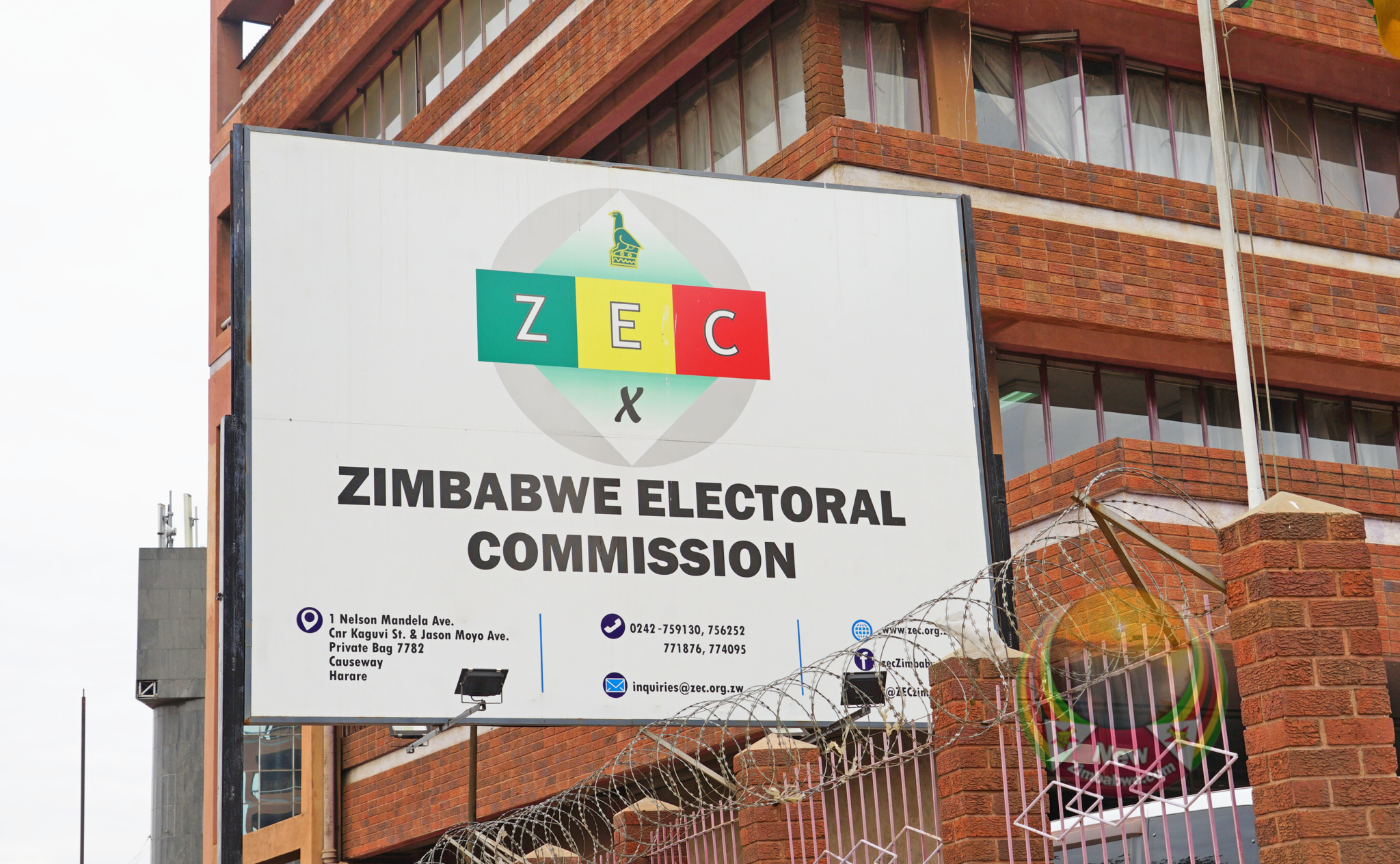
Zimbabwe’s electoral institutions are facing a crisis of public confidence, with the Zimbabwe Electoral Commission emerging as the least trusted institution in the country and nearly half of citizens expressing no faith in election results, a national survey on the Constitution of Zimbabwe (Amendment No. 3) Bill has found.

The survey, conducted by the Bulawayo-based Public Policy and Research Institute of Zimbabwe (PPRIZ) with fieldwork by the Mass Public Opinion Institute between 9 and 18 April 2026, found that 40.6% of Zimbabweans have no trust at all in ZEC more than three times the distrust recorded for the President (12.5%) and more than double that of judges and the courts (17.3%). Distrust in election results in general was even higher, at 43%.

The trust rankings reveal a striking hierarchy.  The Registrar General’s Office topped the table with 78% combined trust, followed by judges and the courts at 76.3%, the President at 73%, and Members of Parliament at 67%. The Zimbabwe Defence Forces recorded 59.1%. ZEC sat at the bottom of the named institutions with 58% combined trust, and, critically, the largest bloc of outright distrust of any body measured.

The findings carry direct constitutional weight.  Among the Bill’s clauses are proposals to strip ZEC of two of its core functions: transferring voter registration and the voters’ roll to the Registrar General (Clauses 2 and 17), and handing boundary delimitation to a newly created Zimbabwe Electoral Delimitation Commission (Clauses 11 to 13). The survey suggests the public’s institutional preferences track the trust data closely, 54.8% supported moving voter registration to the Registrar General, the very office citizens trust most, while 49.7% backed the new delimitation body against 44.7% opposed.

PPRIZ itself flags the ZEC finding as significant given the proposed transfer of functions. But the same numbers cut both ways: they can be read either as public endorsement of dismantling ZEC’s mandate, or as evidence of how deeply confidence in the electoral referee has eroded, a question the survey’s broader political context sharpens. Some 61.6% of respondents described the country as significantly politically divided, 53.5% believe electoral competition increases corruption, and 55.4% agreed Zimbabwe spends too much time in election mode.

The distrust also shadows the Bill’s most contested proposals. The extension of presidential and parliamentary terms from five to seven years drew 51.3% support against 41.2% opposition, while replacing direct presidential elections with election by Parliament split respondents at 48.9% for and 41% firmly against. Whether citizens who distrust the current electoral machinery will accept an electoral system redesigned around it remains the open question.

The survey of 1,641 respondents is described by PPRIZ, an independent think-tank headquartered in Bulawayo, as a “zero draft” based on Phase 2 weighted data.

The post Four in ten Zimbabweans have no trust in ZEC appeared first on Zimbabwe Situation.

Coalition condemns Mnangagwa for extending his rule to 2030

Source: Coalition condemns Mnangagwa for extending his rule to 2030 — CITEZW Sungano Yevanhu/Ubumbano Lomphakathi (SY/UL), a coalition of political parties, labour groups, churches and civil society organisations, has condemned President Emmerson Mnangagwa’s assent to the Constitutional Amendment Act No. 6 of 2026, describing it as unconstitutional and a “dark day” for Zimbabwe. The President […]

The post Coalition condemns Mnangagwa for extending his rule to 2030 appeared first on Zimbabwe Situation.

Source: Coalition condemns Mnangagwa for extending his rule to 2030 — CITEZW

Sungano Yevanhu/Ubumbano Lomphakathi (SY/UL), a coalition of political parties, labour groups, churches and civil society organisations, has condemned President Emmerson Mnangagwa’s assent to the Constitutional Amendment Act No. 6 of 2026, describing it as unconstitutional and a “dark day” for Zimbabwe.

The President signed the legislation into law on Tuesday after it was approved by both houses of Parliament, bringing to an end months of debate over the controversial constitutional changes.

The coalition, which includes the Democratic Change Party (DCP), the National Constitutional Assembly (NCA), the Coalition for Democrats (CDF), the Zimbabwe Congress of Trade Unions (ZCTU), the Zimbabwe National Students Union (ZINASU) and the Zimbabwe Council of Churches (ZCC), said the enactment of the law represented a serious breach of the Constitution.

In a statement issued on Tuesday, SY/UL said Zimbabweans had received news of the President’s assent “with deep sadness and sorrow”.

“CAB3 is no longer a point of debate or speculation. It is now officially an Act, but a rogue Act,” the coalition said.

It accused people surrounding President Mnangagwa of influencing his decision to sign the Bill into law, alleging that he had been persuaded to approve legislation it considers unconstitutional.

“We want to be clear as the people: the President of the Republic of Zimbabwe has been persuaded and succumbed to violate the Constitution and this country’s supreme law by assenting to a Bill that is blatantly unconstitutional,” the statement said.

The coalition also argued that the President had departed from an earlier position in which he had indicated he would resist pressure to support the amendments.

SY/UL further alleged that by signing the legislation, President Mnangagwa had violated Section 90 of the Constitution, which requires the Head of State to uphold, defend and respect the Constitution.

It also claimed the enactment amounted to what it described as a “constitutional coup”, citing the African Charter on Democracy, Elections and Governance.

“The mere fact that a law has been promulgated through legislative procedures does not make it legitimate,” the coalition said, describing the legislation as “a bad law that never deserved the light of day”.

The group called on Zimbabweans to remember the day the Act was signed as “a dark day” and said it would not accept the new law.

The Constitutional Amendment Act No. 6 of 2026 has attracted both support and criticism since it was introduced. Opponents argue that several of its provisions weaken constitutional safeguards and democratic accountability, while supporters say the amendments are intended to improve governance and strengthen state institutions.

Among the key changes introduced by the Act are the election of the President by Parliament instead of through a direct popular vote, an extension of presidential and parliamentary terms from five to seven years, the transfer of voter registration from the Zimbabwe Electoral Commission to the Registrar-General, and the creation of a new body to oversee constituency and ward delimitation.

The Act also removes public interviews for judicial appointments, creates the office of Judge President of the Supreme Court, allows the President to appoint an additional 10 senators, and provides that a Vice-President will act as President until Parliament elects a replacement within 30 days if the office becomes vacant.

The post Coalition condemns Mnangagwa for extending his rule to 2030 appeared first on Zimbabwe Situation.