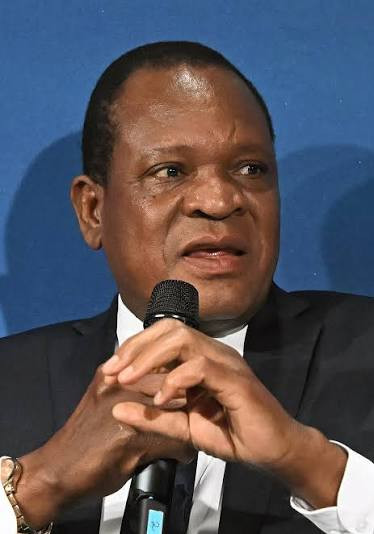
Dr Madzikanda’s love scandal further exposed: Shocking details revealed in court… “We are all his girlfriends, including some from touchline”

Harare – A sensational love triangle involving prominent business executive and academic, Dr. David Madzikanda, has taken a dramatic turn in the Harare Magistrates Court. Dr. Madzikanda, testifying as a State witness, candidly declared that the two wom…

Harare – A sensational love triangle involving prominent business executive and academic, Dr. David Madzikanda, has taken a dramatic turn in the Harare Magistrates Court. Dr. Madzikanda, testifying as a State witness, candidly declared that the two women at the heart of the dispute – Tsitsi Mutseriwa and Millicent Murape – are both his girlfriends, […]

The post Dr Madzikanda’s love scandal further exposed: Shocking details revealed in court… “We are all his girlfriends, including some from touchline” first appeared on My Zimbabwe News.

Harare eyes expressways, e-tolls to fund road upgrades 

Source: Harare eyes expressways, e-tolls to fund road upgrades –Newsday Zimbabwe Mafume said Harare could adopt a similar system on selected urban expressways, with revenue ring fenced for road maintenance and infrastructure development. HARARE, Jul 1 (NewsDay Live)- City aithorities here are considering introducing expressways and an electronic tolling (e-toll) system as part of an […]

The post Harare eyes expressways, e-tolls to fund road upgrades  appeared first on Zimbabwe Situation.

Source: Harare eyes expressways, e-tolls to fund road upgrades –Newsday Zimbabwe

Mafume said Harare could adopt a similar system on selected urban expressways, with revenue ring fenced for road maintenance and infrastructure development.

HARARE, Jul 1 (NewsDay Live)- City aithorities here are considering introducing expressways and an electronic tolling (e-toll) system as part of an ambitious plan to modernise the capital’s road network, ease congestion and generate sustainable funding for infrastructure maintenance.

Mayor Jacob Mafume told NewsDay Live that the local authority was exploring new financing models to improve service delivery, adding that conventional funding sources were no longer adequate to support the city’s growing infrastructure needs.

He said Harare’s rapidly expanding population, now estimated at more than three million people, required a modern transport system capable of meeting increasing demand, while reducing traffic congestion.

“The global norm is to make service delivery bankable. For us to invest in infrastructure and maintain it on a continuous basis, we need sustainable sources of funding. One way of making urban roads bankable is through user-pay systems,” Mafume said.

He noted that Harare’s road network stretches for about 6 000 kilometres, making it one of the country’s largest road systems and placing enormous pressure on the city’s maintenance budget.

“Our road network is extensive. If highways require tollgates for maintenance, then it is reasonable to consider how we can sustainably finance an even larger urban road network,” he said.

He noted that motorists already pay road user fees to the central government, but local authorities receive little direct benefit from those collections.

“We all know that the road user fees people are paying go to central government and are not coming directly to the cities. Even if they were allocated back to local authorities, those funds would still not be sufficient to maintain the road network,” he said.

Electronic tolling allows motorists to pay road charges electronically without stopping at traditional toll plazas with cameras and electronic sensors that identify vehicles as they pass designated points, with payments processed automatically through prepaid accounts or other electronic payment systems. The model is widely used in several countries to fund the construction, maintenance and upgrading of transport infrastructure while reducing delays associated with conventional toll booths.

Mafume said Harare could adopt a similar system on selected urban expressways, with revenue ring fenced for road maintenance and infrastructure development.

“Many modern cities have introduced specialised highways where motorists pay to use the roads. We can develop urban toll roads and reinvest the revenue into improving infrastructure,” he said.

Beyond road financing, the city is also pursuing public-private partnerships to improve public transport facilities. Mafume said the local authority was engaging bus and commuter omnibus operators under a public-private partnership arrangement to rehabilitate bus termini and commuter ranks.

“We are engaged in a public-private partnership deal with bus operators and kombi operators whereby they revamp the ranks and operate them, with a percentage of the revenue going to the city while the remainder is used to maintain the facilities,” he said.

“The city has grown beyond three million people and it is no longer viable to continue operating the way we have been.”

The mayor also announced tougher measures to curb the destruction of road infrastructure caused by utility companies and contractors digging trenches to install underground pipes and cables, saying the city is reviewing its by-laws to impose stricter penalties on those who fail to restore roads after excavation works.

“We are looking at strengthening our by-laws so that anyone granted permission to dig roads faces strict penalties if they fail to restore the road properly,” Mafume said.

He added: “We are moving towards a complete ban on unnecessary road digging. Instead, service providers should use modern tunnelling technology that allows cables and pipes to be installed beneath roads without damaging the surface.”

The post Harare eyes expressways, e-tolls to fund road upgrades  appeared first on Zimbabwe Situation.

‘Tobacco pays our bills,’ Masuka tells growers amid pricing crisis

Source: ‘Tobacco pays our bills,’ Masuka tells growers amid pricing crisis -Newsday Zimbabwe Lands and Agriculture Minister Dr Anxious Masuka on Wednesday acknowledged the challenges facing Zimbabwe’s tobacco growers, saying depressed prices and rising production costs are threatening the livelihoods of thousands of farmers. Officially opening the International Tobacco Growers’ Association (ITGA) Africa Regional Meeting […]

The post ‘Tobacco pays our bills,’ Masuka tells growers amid pricing crisis appeared first on Zimbabwe Situation.

Source: ‘Tobacco pays our bills,’ Masuka tells growers amid pricing crisis -Newsday Zimbabwe

Lands and Agriculture Minister Dr Anxious Masuka on Wednesday acknowledged the challenges facing Zimbabwe’s tobacco growers, saying depressed prices and rising production costs are threatening the livelihoods of thousands of farmers.

Officially opening the International Tobacco Growers’ Association (ITGA) Africa Regional Meeting 2026 in Harare, Masuka dispensed with formalities and spoke as a tobacco farmer.

“Our government moves are tiresome. Many people are put up to introduce someone and it takes long,” Masuka said. “I am a tobacco farmer and I started in 1985. Tobacco is in my veins.”

Masuka said he had personally felt the impact of low prices this marketing season.

“This year prices were unpleasant. I was also affected,” he said.

He said production costs had risen by about 90% since 2017 while farmers were grappling with global oversupply, declining prices offered by merchants and disputes under contract farming arrangements.

“Tobacco pays our bills and we must see that improvement done,” Masuka said, noting that about 135,000 growers earn an average of US$9,800 annually from the crop.

“The sector cannot survive on talk alone.”

The minister dismissed claims that tobacco production is a major driver of deforestation, saying the industry has strengthened sustainability measures.

“It is under our control. We have a sustainable checklist, especially on soils and plantation firewood,” he said, adding that traceability had become essential for maintaining access to export markets.

Masuka also announced that Cabinet had approved “Kutsvaga,” an updated research and extension programme from the Tobacco Research Board’s Kutsaga Research Station to support growers.

To improve price stability, he proposed an indigenous afforestation levy, a corporate social responsibility levy and a stronger tobacco price stabilisation fund.

“We must consolidate the market and ensure a sufficient crop,” he said.

On tobacco control, Masuka said restrictions should focus on preventing underage smoking rather than adult consumption.

“Let’s ban smoking for underage, but those old enough, they must. Tobacco transforms livelihoods,” he said.

Zimbabwe Tobacco Association president Graham Ross said the industry’s history has been marked by recurring cycles of prosperity and hardship.

“The first commercial crop was produced in 1884, over 140 years ago, and sold in 1885 for four shillings and six pence per pound,” Ross said.

“The intervening years have been a cycle of boom and bust, hardship and abundance, famine and deluge. The issues that face us now are no different to the issues that plagued growers of yesteryear.”

Ross said the resilience of tobacco growers had been tested for more than a century and called for unity in addressing current challenges.

“Today we call on growers to demonstrate the same resilience, fortitude and adaptability as we tackle some of the challenges that face our existence,” he said.

He said more than two million Zimbabweans depend on tobacco and related industries for their livelihoods.

Ross also highlighted the importance of the ITGA, saying it provides a platform for growers to “discard our individual bias, personal, selfish aims and combine to deliberate and speak with one, united regional voice.”

Delegates from Zambia, Malawi, Tanzania, India and Portugal attended the regional meeting, where discussions centred on production costs, environmental sustainability, traceability and measures to improve returns for tobacco farmers.

The post ‘Tobacco pays our bills,’ Masuka tells growers amid pricing crisis appeared first on Zimbabwe Situation.

Inside Zanu PF rush to force a Mnangagwa ‘third term’ 

Source: Inside Zanu PF rush to force a Mnangagwa ‘third term’ –Newsday Zimbabwe AS the sun set over the gleaming, Chinese-built Parliament building in Mt Hampden on Tuesday, the air inside the Senate was thick with urgency. This was no ordinary day of work as the government had suspended its own rules to ensure the […]

The post Inside Zanu PF rush to force a Mnangagwa ‘third term’  appeared first on Zimbabwe Situation.

Source: Inside Zanu PF rush to force a Mnangagwa ‘third term’ –Newsday Zimbabwe
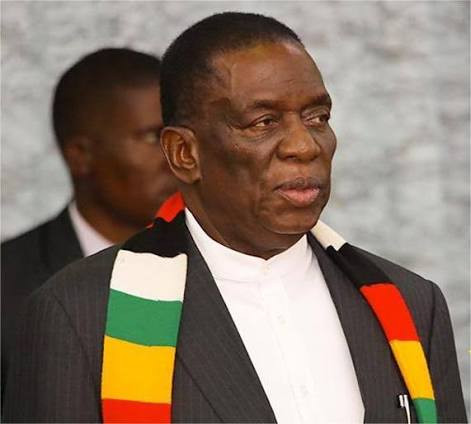
AS the sun set over the gleaming, Chinese-built Parliament building in Mt Hampden on Tuesday, the air inside the Senate was thick with urgency.

This was no ordinary day of work as the government had suspended its own rules to ensure the session ran deep into the night, all to push through the Constitution of Zimbabwe Amendment Bill No. 3, commonly referred to as CAB3.

For an ordinary Zimbabwean, what happened inside those walls was a masterclass in how a small group of people can rewrite the rules of a whole country while claiming they are doing it “for the people”.

If you had walked into the gallery that day, you would have noticed a strange and very clear pattern.

It was as if every Zanu PF senator and every traditional chief had spent the morning practicing the same song.

One after another, they rose to praise the Bill using the exact same language.

They talked about “stability”, they talked about “Vision 2030”, and they all argued that the current five-year term is simply too short to build roads and dams.

The traditional chiefs, who the Constitution says should stay out of politics, were the loudest members of this choir.

Chief Matsiwo from Mashonaland Central set a controversial tone when he called Justice minister Ziyambi Ziyambi, who is now the face of CAB3, an “angel” for bringing the Bill to the House.

He argued that elections were actually a curse that brings “poverty” and stops development.

Chief Chinyanga followed closely behind, declaring that President Emmerson Mnangagwa’s “Vision 2030 is unstoppable” and asking if big projects could ever be finished if politicians were always busy campaigning.

Chief Chitanga summed up the mood of the traditional leaders by stating bluntly: “We support this Bill, all of us as chiefs.”

The Zanu PF senators were just as bold in their support for extending the President’s reach.

Former Industry and Commerce minister Mike Bimha told the House that Zimbabwe should stop trying to follow “Western-type democracy” and instead look at countries like China or Russia to see how to develop.

Perhaps the most direct endorsement of Mnangagwa staying in power through this “backdoor” came from Women’s Affairs minister Monica Mutsvangwa.

She used a simple village proverb to explain why the rules should be changed: “If it is not broken, do not fix it. Let him have more time driving this country to where it should be.”

To explain how they could legally extend the President’s time without technically breaking the two-term limit, Ziyambi used a clever story about a farm.

He told the senators to think of the Presidency as a “field” and the time in office as a “growing season”.

He argued that if you lengthen a season from five months to seven, you are just giving the “crop” more time to grow, not giving the “steward” a new term.

It was a piece of legal storytelling designed to make a massive change to the law sound as simple as a farmer’s calendar.

However, not everyone was singing from the government’s hymn book.

Senator Sithabisiwe Moyo from the Citizens Coalition for Change (CCC) and representing Matabeleland South stood up and gave a chilling warning, calling the entire Bill a “co-ordinated scheme” to remove accountability and consolidate power.

She looked her colleagues in the eye and told them: “That is how democracies die, not in a single moment, but through incremental extensions of power without accountability.”

She pointed out the “defiance” in the Bill, where the government is essentially saying that even though the Constitution says incumbents shouldn’t benefit from term extensions, they will do it anyway.

Another voice of dissent came from Senator Sessel Zvidzai (CCC), an engineer, who reminded the politicians that they don’t own the Constitution.

He argued that the document belongs to the people walking the valleys and mountains of places like Zaka and Muroyi, not just to those sitting in “lofty offices”.

He warned that by refusing to hold a national referendum (a public vote), the government was failing its “democratic obligation” to the sovereign citizens of Zimbabwe.

As the clocks ticked toward 8:42pm and the Senate finally adjourned, the “flowing story” of the day was one of two different Zimbabwes.

One side, made up of the ruling elite and traditional chiefs, was celebrating a ‘milestone” they say will bring development.

The other side was warning that the very foundation of the country’s democracy was being dismantled in the dark of night.

For the ordinary reader, the takeaway was simple: the “growing season” for those in power is getting longer, and the power of your individual vote is being moved from the ballot box into the hands of the politicians in Parliament.

Senate is expected to vote on CAB3 this week before the Bill is sent to Mnangagwa for his signature.

The National Assembly last week passed the Bill after Zanu PF received support from CCC MPs aligned to self-imposed interim secretary-general Sengezo Tshabangu to reach the two-thirds majority threshold.

Zanu PF-aligned businesspeople have been openly dishing out cash and cars to legislators to influence the vote.

Mnangagwa, who came to power after the 2017 coup against Robert Mugabe, initially insisted that he would not stay in power beyond the constitutionally guaranteed two terms, but appears to have changed tune.

His loyalists want him to stay in power until 2030 in what is seen as a ploy to stop Vice-President Constantino Chiwenga from succeeding the 83-year-old ruler.

The post Inside Zanu PF rush to force a Mnangagwa ‘third term’  appeared first on Zimbabwe Situation.

Transport mogul Mukumba opens state-of-the-art school in Domboshava 

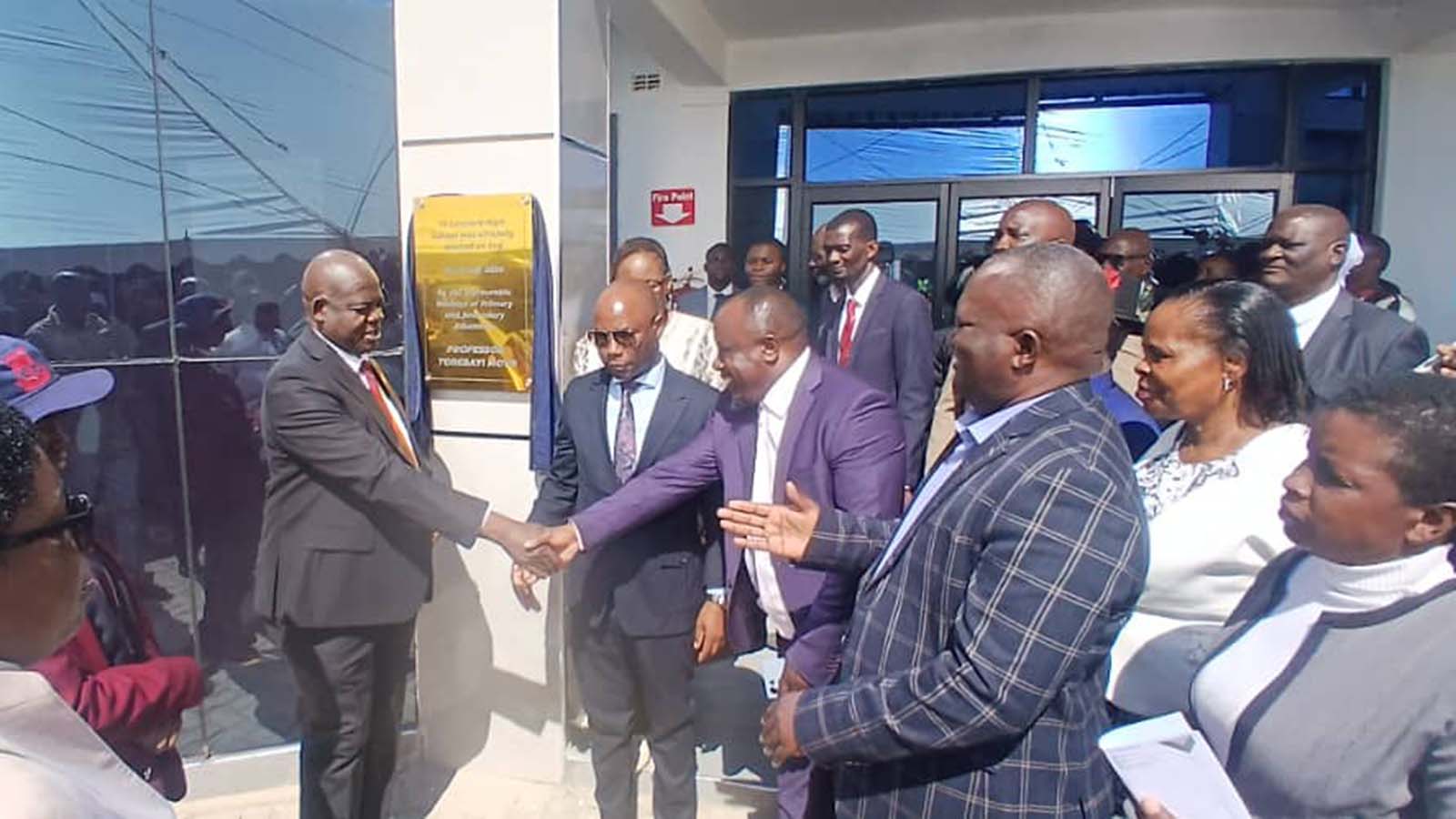
Source: Transport mogul Mukumba opens state-of-the-art school in Domboshava – herald Dr Leonard Mukumba (right)welcomes Primary and Secondary Education Minister Professor Torerai Moyo (left)to St Leonard Academy while Mashonaland East Provincial Affairs and DevolutionMinister Advocate Itayi Ndudzo (with glasses) and Masvingo Provincial Affairsand Devolution Minister Ezra Chadzamira look on Victor Maphosa Mashonaland East Bureau TRANSPORT […]

The post Transport mogul Mukumba opens state-of-the-art school in Domboshava  appeared first on Zimbabwe Situation.

Source: Transport mogul Mukumba opens state-of-the-art school in Domboshava – herald

Victor Maphosa

Mashonaland East Bureau

TRANSPORT mogul and businessman Dr Leonard Mukumba has contributed to the expansion of education infrastructure with the establishment of a modern primary and secondary school in Domboshava, underscoring the growing role of private sector investment in improving access to quality education.

The newly established St Leonard Academy features modern classrooms equipped with state-of-the-art learning facilities, science laboratories and learner-friendly boarding accommodation designed to provide a conducive environment for teaching and learning.

The academy was officially commissioned by Primary and Secondary Education Minister Professor Torerai Moyo, who was accompanied by Mashonaland East Provincial Affairs and Devolution Minister Advocate Itayi Ndudzo and his Masvingo counterpart, Minister Ezra Chadzamira, and other Government officials.

Dr Leonard Mukumba (right)welcomes Primary and Secondary Education Minister Professor Torerai Moyo (left)to St Leonard Academy while Mashonaland East Provincial Affairs and DevolutionMinister Advocate Itayi Ndudzo (with glasses) and Masvingo Provincial Affairsand Devolution Minister Ezra Chadzamira look on

Dr Mukumba, who owns and operates Inter Africa buses, said he saw it prudent to invest in the education sector and contribute to delivering quality education to learners.

He said what motivated him is President Mnangagwa’s mantra “Nyika inovakwa nevene vayo.”

Dr Mukumba said his goal is to ensure that his schools will produce responsible citizens who will contribute in the development of Zimbabwe.

In his address, he also challenged learners to work hard and strive for excellence.

“This school has been built for you. Make the best out of this school. Work hard and strive for excellence,” he said.

“To parents, thank you for the support, we promise to be responsible stewards of your children’s future.”
He added that his goal is to build even better schools in all the Provinces of Zimbabwe.

The post Transport mogul Mukumba opens state-of-the-art school in Domboshava  appeared first on Zimbabwe Situation.