SA government dismisses June 30 migrant exit deadline 

Source: SA government dismisses June 30 migrant exit deadline – herald South Africa’s Home Affairs director-general Dr Tommy Makhode said Pretoria remains committed to enforcing immigration laws, but within the framework of the constitution and international human rights obligations. Beitbridge Bureau THE South African government has distanced itself from claims circulating on social media and […]

The post SA government dismisses June 30 migrant exit deadline  appeared first on Zimbabwe Situation.

Source: SA government dismisses June 30 migrant exit deadline – herald
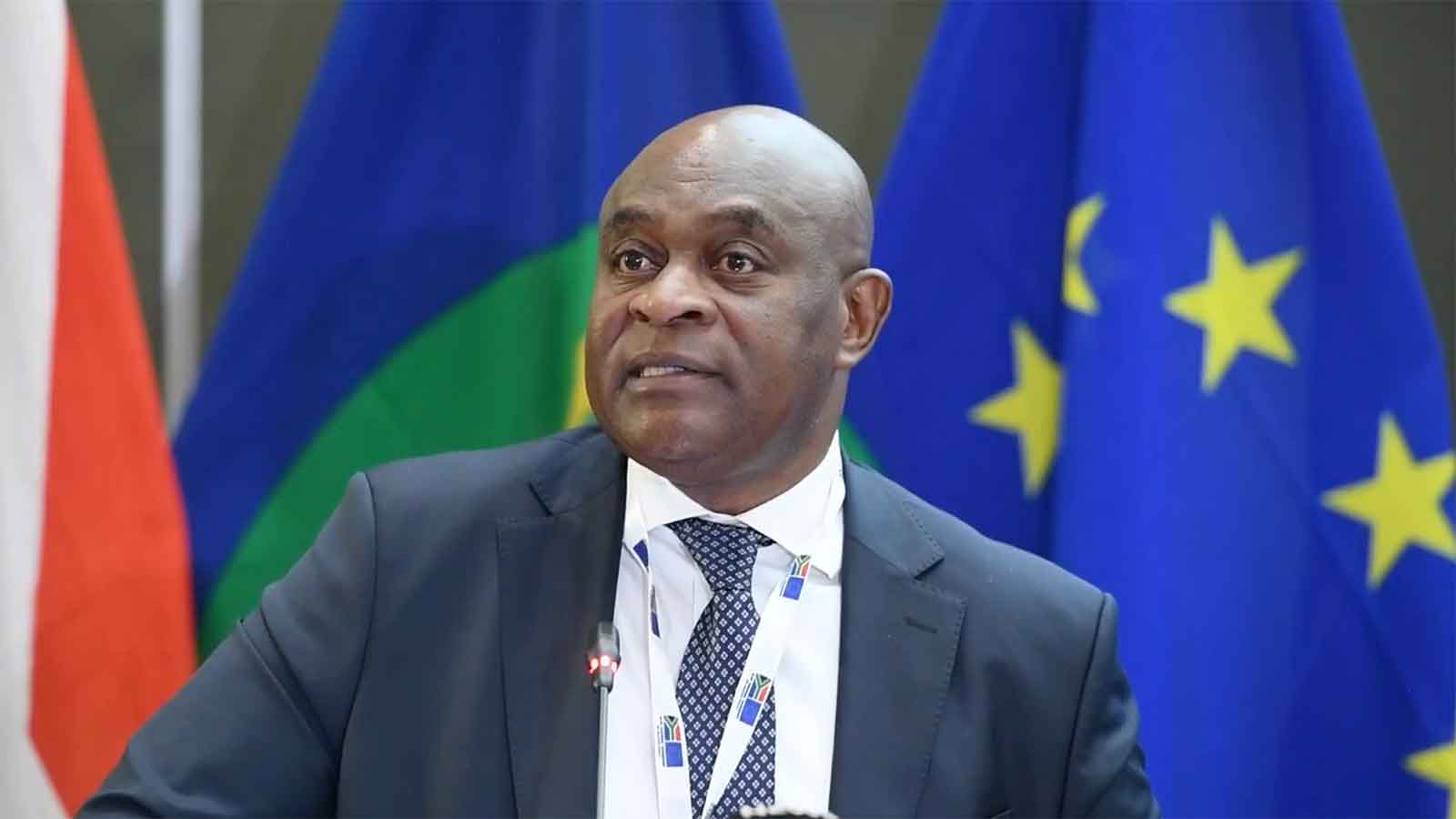
Beitbridge Bureau

THE South African government has distanced itself from claims circulating on social media and other platforms that June 30 is the deadline for foreigners to leave the country, saying no such government directive exists.

Speaking during a high-level briefing on migration and regional cooperation last Friday, South Africa’s Home Affairs director-general Dr Tommy Makhode said Pretoria remains committed to enforcing immigration laws, but within the framework of the constitution and international human rights obligations.

He urged the public to disregard messages suggesting that all migrants were required to leave the country by month-end.

“The 30 June date you are hearing is not a government position,” Dr Makhode said.

“Our constitution and immigration laws protect the rights of everyone inside South Africa, whether you are a citizen or a migrant.

“Law enforcement must be done in a humane way and in line with global and United Nations conventions.”

His remarks come amid growing tensions in some parts of South Africa over illegal immigration, employment opportunities and pressure on public services, issues that have fuelled anti-foreigner rhetoric and calls for stricter immigration controls.

Dr Makhode said migration was a complex regional issue driven by factors such as poverty, conflict and the search for better economic opportunities.

South Africa, he said, is working with neighbouring countries and regional bodies to address both regular and irregular migration.

“An inter-ministerial team has been set up to deal with migration policy issues. The team coordinates with governments in SADC to manage both regular and irregular migration,” said Dr Makhode.

“South Africa was built by the sweat of migrants before and after apartheid. Migrants work in farms, mines, shops and many sectors, but migration must always be lawful.

“That is how we protect jobs, wages and services for everyone.”

He, however, stressed the need for compliance with immigration laws, adding that 45 percent of the country’s economic activity depended on trade and cooperation with other African nations, making regional collaboration essential.

Because of these economic links, he said, acts of vigilantism and hate directed at foreigners would not be tolerated.

To improve migration management, Dr Makhode said refugee reception centres would be relocated closer to ports of entry to facilitate the processing of asylum seekers.

He also revealed that South Africa was upgrading six land border posts with advanced technology to strengthen border security while ensuring humane treatment of travellers.

In addition, he commended Zimbabwe for progress made in modernising its border infrastructure.

Dr Makhode cited ongoing cooperation among Southern African countries in managing migration flows, noting that more than 1 800 Malawians had been repatriated by road using government-hired buses.

About 1 000 Zimbabweans had also left through the Beitbridge Border Post, while assisted voluntary repatriation processes for other nationalities were continuing.

He stressed that immigration enforcement remained the responsibility of designated law-enforcement agencies and not private individuals or groups.

While South Africans have a constitutional right to protest over issues such as employment and service delivery, he said such demonstrations must remain peaceful and lawful.

“The National Joint Operational and Intelligence Structure (NATJOINTS) team is on top of the situation,” said Dr Makhode.

NATJOINTS, which brings together police, Home Affairs and other government agencies, is coordinating efforts to address challenges associated with both regular and irregular migration.

Dr Makhode said government policy was guided by the 2019 National Action Plan to Combat Racism, Racial Discrimination, Xenophobia and Related Intolerance.

South Africa has also adopted International Labour Organisation protocols aimed at addressing labour migration issues and unfair labour practices.

He rejected suggestions that foreign migrants were solely responsible for South Africa’s socio-economic challenges, saying issues such as unemployment and service delivery failures were complex and required long-term solutions.

“In some cases, citizen journalists are using old or fake videos to create anger. Real media must rise above this and report the truth,” emphasised Dr Makhode.

He said labour inspectors were increasingly being deployed to tackle unfair labour practices and warned that employers violating labour laws would face prosecution regardless of whether they employed South Africans or foreign nationals.

Dr Makhode also stressed that access to essential services should not be denied on the basis of migration status.

“Turning away a child from school or a sick person from hospital is inhumane. Our government is principled. We believe in engagement with fellow African governments to resolve issues, not in hate,” he said.

Reaffirming the government’s position, he said immigration laws would continue to be enforced without compromising human dignity and constitutional protections.

“We encourage people to respect immigration and other laws in the region. At the same time, the rights of locals and migrants are protected by the constitution.”

The post SA government dismisses June 30 migrant exit deadline  appeared first on Zimbabwe Situation.
Churches key partners in national development: VP Mohadi 

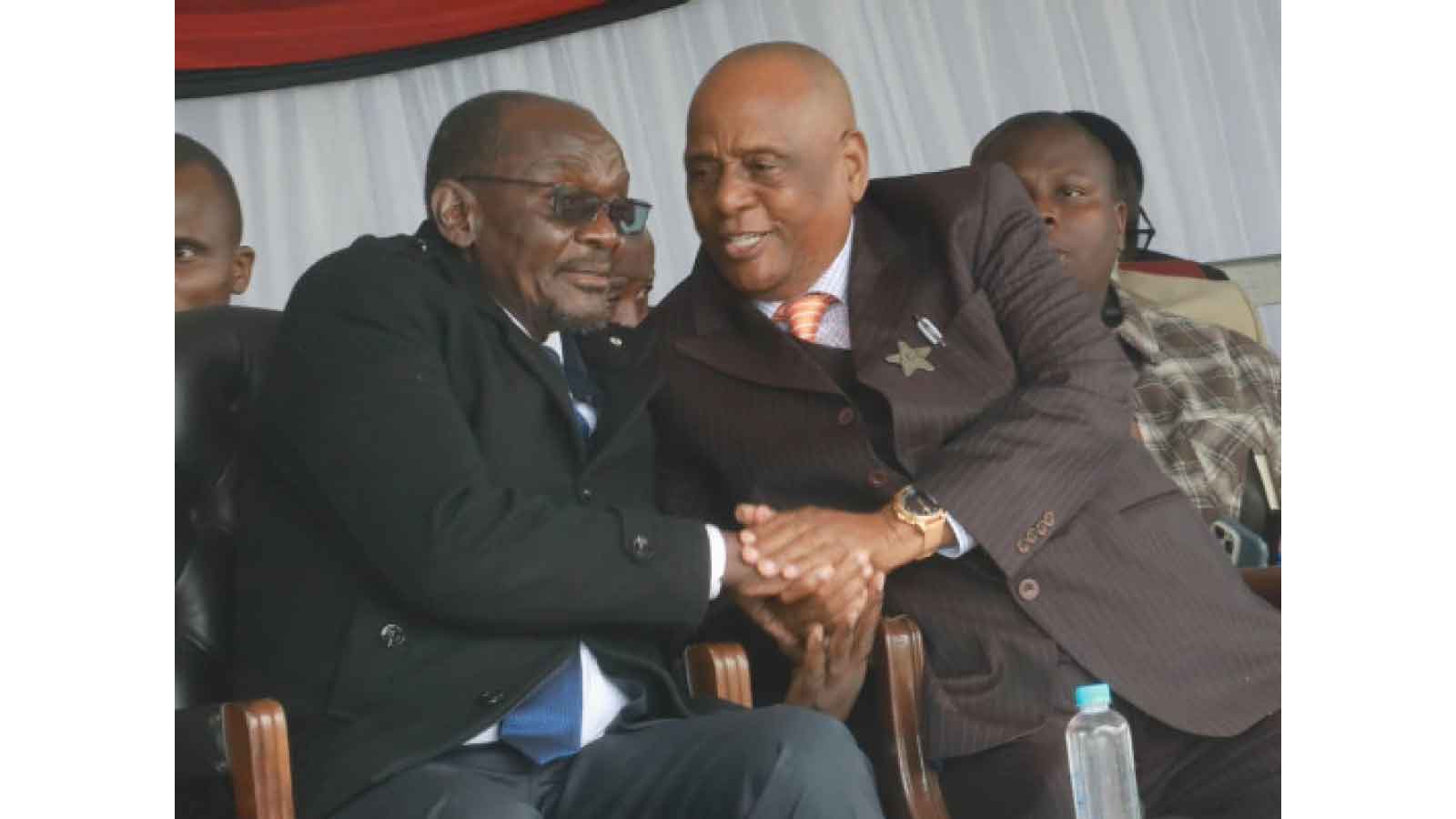
Source: Churches key partners in national development: VP Mohadi – herald Vice President Kembo Mohadi shares a lighter moment with the Zimbabwe Indigenous Interdenominational Council of Churches (ZIIC) patron, Dr Nehemiah Mutendi, at the ZIICC conference at White City Stadium in Bulawayo yesterday. – Picture: Eliah Saushoma. Sikhumbuzo Moyo-Senior Reporter VICE PRESIDENT Dr Kembo Mohadi […]

The post Churches key partners in national development: VP Mohadi  appeared first on Zimbabwe Situation.

Source: Churches key partners in national development: VP Mohadi – herald

Sikhumbuzo Moyo-Senior Reporter

VICE PRESIDENT Dr Kembo Mohadi has reaffirmed the Government’s recognition of the critical role of churches in national development, describing faith-based organisations as indispensable partners in promoting social cohesion, moral renewal, youth empowerment and economic transformation.

Speaking at the Zimbabwe Indigenous Interdenominational Council of Churches (ZIICC) conference at White City Stadium in Bulawayo yesterday, Vice President Mohadi said churches continue to make significant contributions to nation-building that extend far beyond their spiritual mandate.

He commended ZIICC and its patron, Dr Nehemiah Mutendi, for their commitment to national development, social cohesion and spiritual renewal.

“The work of ZIICC exemplifies the important contribution of faith-based organisations in nation-building and community transformation,” said VP Mohadi.

He said the Second Republic, under President Mnangagwa, recognises churches as strategic development partners and remains committed to promoting freedom of worship, religious tolerance and constructive engagement between the Government and faith communities.

Zimbabwe’s Constitution, VP Mohadi noted, guarantees freedom of religion and conscience, acknowledging spiritual development as an integral component of human development.

He said churches have historically played a critical role in the country’s social and economic development through the provision of education, healthcare, social welfare services and humanitarian assistance.

“Long before the establishment of many modern social institutions, churches were already educating our children, caring for the sick, supporting vulnerable families and instilling values of honesty, integrity, discipline and compassion,” said VP Mohadi.

He said such values remain essential as Zimbabwe pursues Vision 2030 and the National Development Strategy 2 (NDS2), which seek to transform the country into an upper middle-income economy.

“The successful realisation of Vision 2030 requires the participation of every sector of society, including the churches. Sustainable development cannot be achieved through economic interventions alone. It also requires a strong moral foundation, ethical leadership, responsible citizenship and social solidarity,” said VP Mohadi.

The Vice President singled out drug and substance abuse as one of the gravest challenges confronting the nation, particularly among young people.

He, however, applauded ZIICC for establishing 60 drug and substance abuse rehabilitation centres across the country’s 10 provinces, saying the initiative demonstrates the Church’s commitment to complementing Government efforts.

“This noble undertaking demonstrates the Church’s commitment to complementing Government efforts in addressing one of the most pressing social challenges of our time,” he said.

VP Mohadi pledged Government support towards rehabilitation, reintegration and youth empowerment programmes aimed at addressing the scourge.

He also hailed the launch of the Church Choirs Economic Empowerment Programme, saying the initiative dovetails with Government policies on youth empowerment, employment creation, entrepreneurship development and poverty reduction.

VP Mohadi said economic empowerment programmes that harness the talent, creativity and entrepreneurial potential of young people contribute significantly towards reducing inequality, improving household incomes and fostering inclusive economic growth.

Addressing young people directly, VP Mohadi urged them to reject drug and substance abuse and instead embrace opportunities that promote personal growth and national development.

“You are the custodians of Zimbabwe’s future. Your energy, innovation, faith and resilience will determine the trajectory of our nation in the years ahead,” he said.

Speaking at the same event, Dr Mutendi emphasised that churches are not political actors but custodians of peace, hope and moral guidance.

“As churches, we gather not as political actors, but as shepherds of souls, witnesses of hope and custodians of peace and servants of the moral conscience of our nation. Our calling is to pray, to guide, to heal, to reconcile and to remind the nation that where God is honoured, the future is unlimited,” he said.

Dr Mutendi described the conference theme, “Centred on Vision 2032 through unity, peace and economic empowerment”, as both timely and prophetic.

“Where wisdom lives, peace follows. Where unity stands, a nation becomes strong. And where God is honoured, the future is assured,” he said.

Zimbabwe’s election to the United Nations Security Council for the 2027-2028 term, he said, carries with it an important responsibility to champion peace both at home and internationally.

“If Zimbabwe speaks for peace in the world, then Zimbabwe must also be a house of peace at home,” he said.

Describing peace as strength founded on wisdom rather than weakness, Dr Mutendi said: “Peace is not weakness. It is strength under wisdom. Peace is not the absence of conflict. It is dignity, respect, love and stability.”

Turning to national legislative processes, Dr Mutendi said churches were praying for wisdom and unity as Parliament considers Constitutional Amendment Bill No. 3, expressing hope that the proposed legislation would contribute to stability and sustained development.

“We are calling upon churches throughout the nation to pray that through divine help and wisdom, unity and peace shall prevail in our country,” he said.

He revealed that the Zion Christian Church had embarked on a 50-day fasting and prayer programme for peace, national leaders and Zimbabwe’s future, while encouraging other churches to undertake similar initiatives.

“When we pray for leaders, we do not dictate to them what to do. We pray that God gives them wisdom, courage, patience and discernment to make decisions that protect the people and strengthen our nation,” said Dr Mutendi.

He also called for zero tolerance towards drug and substance abuse, describing it as a threat to families, schools, churches and the country’s future.

“This is not only a social problem; it is a spiritual wound attacking families, schools, churches and the future of our nation. A wounded generation requires a united nation,” he said.

Dr Mutendi commended the efforts of First Lady Dr Auxillia Mnangagwa in assisting young people affected by drug and substance abuse and urged continued support for programmes aimed at protecting Zimbabwe’s youth.

The post Churches key partners in national development: VP Mohadi  appeared first on Zimbabwe Situation.
The Turbulent Life and Mysterious Death of Ambassador Victor Matemadanda: The Poisoned War Vet and Zanu PF Political Commissar

HARARE – The announcement came in the quiet hours of Sunday morning, delivered with the practised brevity of a government press release. Victor Matemadanda, the man who once served as the thunderous voice of Zimbabwe’s liberation war veterans and a piv…

HARARE – The announcement came in the quiet hours of Sunday morning, delivered with the practised brevity of a government press release. Victor Matemadanda, the man who once served as the thunderous voice of Zimbabwe’s liberation war veterans and a pivotal architect of the 2017 military intervention, was dead. He was 67. The news was […]

The post The Turbulent Life and Mysterious Death of Ambassador Victor Matemadanda: The Poisoned War Vet and Zanu PF Political Commissar first appeared on My Zimbabwe News.

ZACC chairperson Reza elected first vice president of continental body

Source: ZACC chairperson Reza elected first vice president of continental body – herald The newly elected executive committee also comprises representatives from the five regions of Africa. The chief executive officer of the Ethics and Anti-Corruption Commission (EACC) of Kenya, Abdi Ahmed Mohamud, will represent East Africa, while Southern Africa will be represented by Gaoretelelwe […]

The post ZACC chairperson Reza elected first vice president of continental body appeared first on Zimbabwe Situation.
Source: ZACC chairperson Reza elected first vice president of continental body – herald

Sunday Mail Reporter

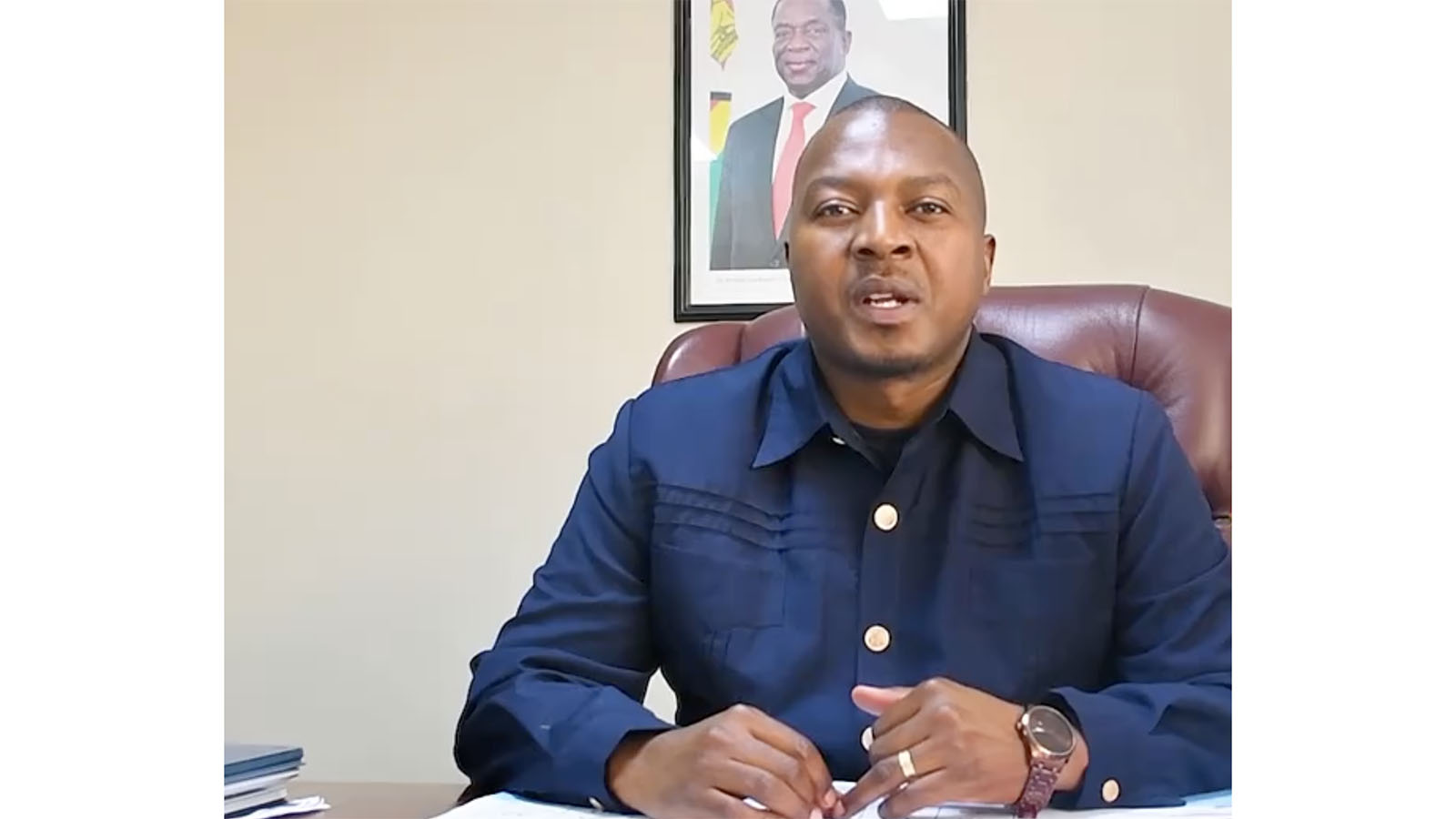
ZIMBABWE Anti-Corruption Commission (ZACC) chairperson Mr Michael Reza has been elected first vice president of the Association of African Anti-Corruption Authorities (AAACA) at the Eighth Annual General Meeting held in Nairobi, Kenya, last week.

AAACA is a continental platform that brings together anti-corruption agencies from across Africa to strengthen cooperation in preventing, detecting and combating corruption.

Mr Reza beat the head of the National Anti-Corruption Commission of Cameroon, Mr Fohtung Samuel Tangan, by 24 votes to seven, securing the position of first vice president of the continental body.

The General Assembly elected a new executive to steer the association over the next three years. Dr Modibo Sacko of Mali’s Central Office for Fighting Illicit Enrichment was elected president of AAACA, while Mr Khaled Benguernane of Algeria’s High Authority for Transparency, Prevention and the Fight Against Corruption was elected second vice president.

The newly elected executive committee also comprises representatives from the five regions of Africa. The chief executive officer of the Ethics and Anti-Corruption Commission (EACC) of Kenya, Abdi Ahmed Mohamud, will represent East Africa, while Southern Africa will be represented by Gaoretelelwe Leonard Lekgetho of the Special Investigations Unit of South Africa.

They will serve alongside Abdulla Gadir Bo of Libya, who represents North Africa; Alexandra Zoe of Liberia, representing West Africa; and Bénie-Laure Kamwiziku Kusanzakana of the Democratic Republic of Congo, representing Central Africa.

Mr Reza’s election to the continental leadership position is an endorsement of Zimbabwe’s growing reputation in the fight against corruption.

Speaking in Nairobi after the poll, Mr Reza said his election as first vice president of AAACA is an acknowledgement of the efforts made by the country in the fight against corruption. Mr Reza’s elevation comes as Zimbabwe intensifies its push towards Vision 2030, the national development agenda championed by President Mnangagwa that seeks to transform Zimbabwe into an upper middle-income economy. The fight against corruption remains a central pillar of this vision, with President Mnangagwa declaring zero tolerance for graft.

The assembly also selected Libya as the host of the Ninth AAACA General Assembly.

The three-day assembly, held from June 16 -18, 2026, brought together anti-corruption agencies from 43 African countries to deliberate on strategies for tackling graft and strengthening institutional integrity across the continent.

The meeting was held under the theme “Strengthening Cooperation and Institutional Innovation for Effective Anti-Corruption Efforts in Africa”.

It also saw Kenya’s President William Ruto launch the African Anti-Corruption Studies and Research Centre (CEREAC), which will provide research, training and technical support to anti-corruption authorities across the African continent.

The post ZACC chairperson Reza elected first vice president of continental body appeared first on Zimbabwe Situation.

Tourism sector bets on domestic travel for recovery, growth

Source: Tourism sector bets on domestic travel for recovery, growth – herald Dr George Manyaya Michael Tome Business Reporter ZIMBABWE’S tourism sector is positioning domestic travel as a critical driver of recovery and long-term growth. The sector’s latest performance targets point to a positive outlook, with tourism receipts expected to rise to US$1,36 billion from […]

The post Tourism sector bets on domestic travel for recovery, growth appeared first on Zimbabwe Situation.

Source: Tourism sector bets on domestic travel for recovery, growth – herald

Michael Tome

Business Reporter

ZIMBABWE’S tourism sector is positioning domestic travel as a critical driver of recovery and long-term growth.

The sector’s latest performance targets point to a positive outlook, with tourism receipts expected to rise to US$1,36 billion from US$1,3 billion recorded in the previous year.

In the first quarter of 2026, domestic tourism strengthened, with trips rising to an estimated 2,62 million from 1,94 million, indicating improved local market participation.

Domestic tourism remains at the centre of the growth strategy, with the Government seeking to reduce the sector’s dependence on international arrivals, while building a stronger and more resilient local market.

Trips by domestic tourists are projected to increase to 15,7 million from 15,5 million recorded in the previous year. This reflects efforts to encourage Zimbabweans to explore local destinations and increase spending within the domestic tourism value chain.

International tourist arrivals are also expected to rise to 1,87 million from 1,78 million in the previous period, supported by destination marketing initiatives, improved tourism infrastructure and efforts to attract higher-value travellers.

The Zimbabwe Tourism Authority (ZTA) said strengthening domestic tourism remains a key priority as the country seeks to create a sustainable tourism ecosystem that benefits businesses and communities across the country.

Speaking on the sidelines of the ZTA annual general meeting last week, the authority’s chief executive officer, Dr George Manyaya, said although significant progress had been made in promoting local travel, more work was required to encourage Zimbabweans to fully appreciate and experience their own country.

He said the tourism sector had shifted its strategy by placing domestic travellers at the centre of growth, noting that a strong local tourism base would provide greater resilience against external shocks affecting global travel.

“Strengthening domestic tourism is central to building a resilient and sustainable tourism sector,” he said. “Increased local travel will drive revenue growth, support businesses across the value chain and create new opportunities for investment.

“As such, the ZTA has put measures in place to improve affordability, which is helping more Zimbabweans to participate in the tourism economy.

“Domestic tourism is fast becoming a key pillar of Zimbabwe’s tourism growth strategy, driving local spending, supporting businesses and strengthening the sector’s resilience.

“The industry is positioning itself for sustainable long-term growth by encouraging more Zimbabweans to explore local destinations, while we improve affordability and investment conditions.”

To support growth in local tourism, the ZTA has implemented measures aimed at improving affordability and easing the cost of doing business within the sector.

As it stands, the ZTA has reduced levies and fees for restaurants to US$150, a move aimed at creating a more enabling operating environment and allowing more Zimbabweans to access tourism services at affordable rates.

The strategy has also been supported by improved connectivity and infrastructure development, including initiatives to enhance air access and unlock tourism potential in destinations such as Manicaland province.

According to the ZTA, these initiatives are meant to improve accessibility and encourage longer stays by locals on vacation, increase domestic travel expenditure and expose more Zimbabweans to the country’s resorts, heritage sites and tourism attractions.

As part of efforts to reignite interest in local travel, the ZTA, in collaboration with the Ministry of Tourism and Hospitality, also launched the heritage campaign “Nhaka Yedu, Ilifa Lethu”, which seeks to encourage citizens to celebrate, preserve and promote Zimbabwe’s cultures, languages, arts and stories.

Ministry of Tourism and Hospitality Industry Permanent Secretary Dr Takaruza Munyanyiwa said growth in domestic tourism could create a multiplier effect across several sectors, including the hospitality, transport, retail and creative industries. “Growth in domestic tourism has the potential to generate a significant multiplier effect across the economy by stimulating demand in key supporting sectors, including hospitality, transport, retail and the creative industries,” he said.

He added that increased local travel would contribute to business growth, job creation and broader economic activity as more Zimbabweans spend within the local tourism ecosystem.

ZTA chairperson Mr Farai Chiimba said domestic tourism remained a critical pillar for sustainable sector growth, particularly amid uncertainties affecting international travel markets. “Our heritage is our greatest asset. We can only truly excel when we embrace and celebrate who we are as a people. This is key to unlocking our full potential,” said Mr Chiimba.

Beyond domestic travel, tourism investment is also expected to record modest growth. Projected investment value is expected to increase to US$196 million in 2026 from US$194 million in the previous year. In the first quarter of 2026, tourism investments registered a significant increase, jumping to US$67,8 million from US$12,6 million during the same period last year, representing a 438 percent increase.

In terms of arrivals in the first quarter, international tourist arrivals increased by 11 percent to 384 515 from 347 555 in 2025, while tourism receipts grew by 14 percent to US$251 million, up from US$221 million.

Arrivals from African markets also increased by 9 percent to 287 062 visitors from 263 687 recorded in the prior-year period.

The tourism sector continues to attract attention as one of Zimbabwe’s strategic economic industries, with Government and private sector players focusing on expanding accommodation capacity, improving infrastructure, enhancing connectivity and strengthening destination marketing.

The projected growth targets come as Zimbabwe positions tourism as a key contributor to economic development, foreign currency generation and employment creation.

Increased participation by local travellers will boost revenues for tourism operators and deepen appreciation of Zimbabwe’s cultural richness and natural assets.

The post Tourism sector bets on domestic travel for recovery, growth appeared first on Zimbabwe Situation.